
Sauces & Condiments
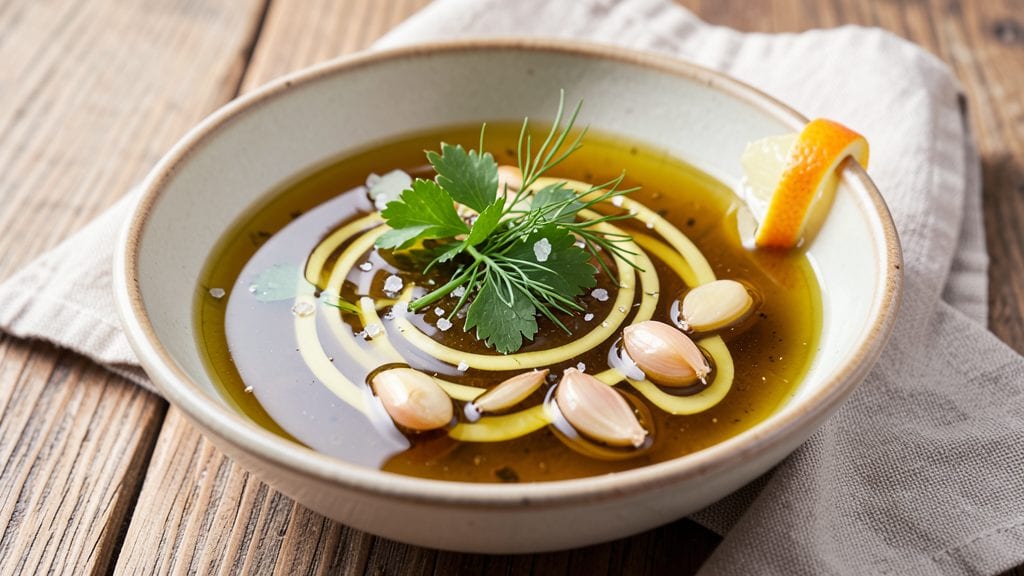
Recreating Carrabba's olive oil dipping sauce at home delivers that signature herbed brightness that transforms bread, crusty appetizers, and even grilled meats into something extraordinary.
The secret lies in balancing high-quality olive oil with fresh garlic, bright lemon, and a blend of aromatic herbs—each element carefully emulsified for a velvety, dip-worthy texture that clings perfectly to every bite.
After years of refining this recipe, I've perfected the technique to ensure it stays smooth, flavorful, and restaurant-quality without the fuss of store-bought versions.
This sauce is built on simplicity but packed with depth—just five core ingredients combine to create a harmony of garlic's sharpness, lemon's tang, and herbs' earthy notes. The key to achieving that signature Carrabba's flavor is infusing the olive oil with garlic and herbs while maintaining a light, airy consistency.
Unlike heavier dips, this version remains elegant yet bold, making it versatile enough for dipping, drizzling, or even finishing dishes with a touch of herbed brightness.
What sets this recipe apart is its foolproof emulsification method, which ensures the sauce stays cohesive and luscious, even after refrigeration. The result is a sauce that's rich enough to stand alone but light enough to elevate other flavors—think crispy garlic knots, warm bruschetta, or even grilled vegetables.
It's the kind of condiment that turns ordinary appetizers into a standout centerpiece, all while keeping prep time under 15 minutes.
Once made, this sauce keeps beautifully in the refrigerator for up to a week, allowing you to enjoy its herbed goodness throughout the week. Whether you're hosting a dinner party or simply craving that classic Carrabba's touch, this recipe delivers restaurant-quality flavor with minimal effort.
Ready to elevate your table? Here's how to make it.
Ingredients for carrabba's olive oil dipping sauce
Five core ingredients transform into Carrabba's signature herbed olive oil dipping sauce.
| Ingredient | Amount | Notes |
|---|---|---|
| Extra-Virgin Olive Oil 🫒 | 1 cup | High-quality, fruity, cold-pressed |
| Fresh Garlic Cloves 🧄 | 5 cloves | Peeled, lightly crushed for infusion |
| Fresh Lemon Juice 🍋 | ¼ cup | Freshly squeezed, strained |
| Fresh Parsley Leaves 🌿 | ½ cup | Finely chopped, stems removed |
| Fresh Dill Weeds 🌿 | ¼ cup | Finely chopped, stems removed |
| Diamond Crystal Kosher Salt 🧂 | ½ tsp | Fine grain for delicate seasoning |
| Freshly Ground Black Pepper 🌶️ | ¼ tsp | Freshly cracked for maximum aroma |
The foundation of this sauce lies in the quality of the extra-virgin olive oil—seek out brands like California Olive Ranch or Bertolli for their robust, peppery profiles that stand up to the garlic and herbs. Fresh garlic cloves should be plump and firm, not sprouting or soft, as their pungency directly impacts the sauce's depth. For the herbs, farmers markets often carry the freshest parsley and dill, but if grocery shopping, opt for the brightest green leaves available—avoid any with yellowing or wilted edges. The Diamond Crystal kosher salt is preferred here for its delicate, even grain that dissolves seamlessly without overpowering the delicate balance of flavors.
No fresh dill on hand? Fresh cilantro or tarragon can substitute at half the quantity, though the flavor profile will shift slightly. Short on parsley? Fresh basil or chives work in a pinch, but reduce to one-third the amount to avoid overpowering the sauce. For the garlic, garlic powder can replace fresh at one-half the quantity, though it lacks the infusion depth. If you're missing lemon juice, bottled lemon juice works in a bind, but fresh is non-negotiable for that signature brightness. The emulsification technique is critical—blend in short bursts to avoid breaking the oil, and always start with the herbs and garlic before adding the lemon juice and oil.
This sauce maintains peak freshness for up to 7 days when stored in an airtight container in the refrigerator, though it's best enjoyed within the first 3-4 days for optimal flavor. For longer storage, freeze in ice cube trays and transfer to a sealed container—each cube yields a perfect single-serving portion. The sauce thickens slightly when chilled, so gently whisk before serving to restore its velvety consistency. Avoid reheating, as the delicate emulsification may separate—serve cold or at room temperature for the best experience.
Why You'll Love This Recipe
- Five-Ingredient Magic: I swear by this—just oil, garlic, lemon, parsley, and dill. That’s it. The kind of recipe where you won’t overthink the ingredients list because they all work together like a well-oiled (pun intended) machine.
- Bright & Bold: The garlic hits first—warm, fragrant, then that zing of lemon cutting through. Honestly, the dill and parsley finish it off with a freshness that makes it taste like a Mediterranean vacation in a bowl.
- Game for Any Meal: Slather it on crusty bread with grilled chicken, drizzle it over roasted veggies, or toss it with pasta. I’ve even used it as a marinade for shrimp—works every time, no matter the occasion.
- No-Waste Genius: Make a big batch and keep it in the fridge for up to a week. The flavors deepen over time, and you’ll always have something delicious on hand for last-minute appetizers or a quick flavor boost. (Yes, even on a Tuesday night.)
Step-by-step instructions for Carrabba's olive oil dipping sauce
This bright, herbed olive oil sauce delivers the signature Carrabba's flavor with a perfect balance of garlic, citrus, and fresh herbs.
Infuse the Garlic and Olive Oil
Combine the 1 cup extra-virgin olive oil and 5 peeled, lightly crushed garlic cloves in a small saucepan. Place over low heat and maintain a gentle simmer for 10-12 minutes. The garlic should soften and release its aroma without browning—this ensures a smooth, mellow flavor rather than a bitter bite.
Here's the thing—don't rush this step. You'll know it's ready when the garlic is pliable and the oil smells richly aromatic. If the garlic starts to brown, remove it immediately—this sauce relies on delicate infusion, not caramelization. Strain the oil through a fine-mesh sieve into a heatproof bowl, pressing gently on the garlic to extract every last drop of flavor.
Incorporate the Citrus and Herbs
Allow the infused oil to cool slightly, then whisk in the 0.25 cup fresh lemon juice until fully combined. The acidity will brighten the garlic's intensity and create the signature tang. Next, add the 0.5 cup finely chopped parsley leaves and 0.25 cup finely chopped dill weeds, stirring gently to distribute the herbs evenly throughout the oil.
I like to use a fork for this step—it prevents overmixing while ensuring the herbs are well incorporated. The sauce should now have a vibrant green hue with visible herb flecks. If the mixture looks too thick, whisk in 1-2 tablespoons of water to achieve a smooth, pourable consistency. This is especially important if you're using particularly dense herbs.
Season and Rest for Maximum Flavor
Add the 0.5 teaspoon diamond crystal kosher salt and 0.25 teaspoon freshly ground black pepper, whisking until fully dissolved. Taste the sauce immediately—you'll notice the flavors are still developing. This is why resting is critical.
Transfer the sauce to a clean jar with a tight-sealing lid and refrigerate for at least 2 hours, preferably 4-6 hours. This resting period allows the flavors to meld and the herbs to fully infuse the oil. The longer it sits, the more complex the flavor profile becomes. When ready to serve, give it a final stir to redistribute any settled herbs.
Serve at Room Temperature
Remove the sauce from the refrigerator and let it sit at room temperature for 10-15 minutes before serving. This step is often overlooked, but it makes a noticeable difference in texture and flavor. The sauce should be cool but not cold—ideal for dipping warm bread, crusty focaccia, or fresh seafood.
For the best experience, serve immediately after bringing to room temperature. The sauce should coat the back of a spoon smoothly with visible herb specks. If it thickens slightly after chilling, simply whisk in 1 teaspoon of warm water to restore its pourable consistency. This herbed olive oil keeps well in the refrigerator for up to 1 week, making it perfect for entertaining or meal prep.
Pro Tips For Making Carrabba'S Olive Oil Dipping Sauce
- Infuse Garlic Slowly: DESCRIPTION: Don’t dump chopped garlic into the oil all at once—add it in batches while stirring. I learned this the hard way when I burned a batch trying to rush it. Let each addition cook for 10-15 seconds before adding more, or you’ll end up with bitter, overcooked garlic instead of sweet, mellow flavor.
- Pulse Herbs, Don’t Chop: DESCRIPTION: Use a food processor for parsley and dill—pulse them into tiny, uneven bits instead of finely chopping. This keeps more surface area exposed, so the oil absorbs their flavor better. (Yes, it looks messy, but it works.)
- Warm Oil First: DESCRIPTION: Heat the olive oil over low heat until it’s just warm to the touch—about 110°F (43°C)—before adding garlic. Cold oil won’t infuse garlic properly, and high heat turns it bitter. A thermometer helps, but even without one, a gentle simmer is your guide.
- Strain Twice: DESCRIPTION: Line a fine-mesh strainer with cheesecloth for the first pass, then press the pulp with a spoon. Run it through a second clean strainer to catch any lingering herb bits. The sauce at Carrabba’s is silky—don’t skimp on this step.
Wine and beer pairings for this carrabba's olive oil dipping sauce
White Wine Pairings
For this bright, herbed olive oil sauce, I always reach for a crisp Italian Pinot Grigio—specifically a bottle from Friuli-Venezia Giulia like Santa Margherita Pinot Grigio. The wine's zesty acidity and subtle mineral notes mirror the sauce's lemon brightness and herbal complexity, creating a perfect balance.
Serve chilled at 45-48°F to enhance both the sauce's freshness and the wine's crispness. 🍷
Dry Rosé Options
A dry Provençal rosé from Provence, France, such as Whispering Angel, offers a refreshing contrast. The wine's delicate strawberry notes complement the parsley and dill without overpowering the garlic's intensity.
Look for rosés labeled "sec" or "dry" to avoid sweetness that could clash with the sauce's tangy profile. Chill to 42-45°F for optimal pairing.
Light Beer Matches
If wine isn't your thing, a crisp Italian lager like Peroni or Moretti works beautifully. The beer's subtle hop bitterness and clean finish cut through the sauce's richness while enhancing the herbs' freshness.
For a craft option, try a Belgian witbier like Hoegaarden—its citrusy coriander notes echo the lemon in the sauce. Serve at 40-45°F for the best experience. 🍺
Avoid Heavy Choices
Skip bold reds like Cabernet Sauvignon or heavy whites such as Chardonnay—they'll overpower the delicate herb and citrus notes in this sauce. Even oaky whites or malty beers can leave an unpleasant aftertaste.
The key is matching the sauce's brightness with similarly light, crisp beverages that highlight—not compete with—its herbed profile.
Serving Temperature Tips
Whether pairing with wine or beer, always serve both the sauce and drink chilled. The sauce should be room temperature (around 65-70°F) for optimal texture, while the beverage should be 10-15°F colder than the sauce.
This temperature difference keeps flavors distinct yet harmonious, preventing either from dominating the palate. Pro tip: Use an ice bucket for quick chilling of bottles.
Nutrition facts
Frequently asked questions
Can I make this sauce without fresh herbs?
Yes, but the flavor will differ. For parsley, use 1 tablespoon dried parsley (1/5 the fresh amount) and for dill, try 1 teaspoon dried dill. Replace missing herbs with ½ cup fresh basil or ¼ cup fresh tarragon—both work well but alter the classic Carrabba's profile.
Why does my sauce separate after refrigeration?
This happens when the emulsion breaks. To fix it, whisk in 1 teaspoon warm water at room temperature until smooth. For prevention, avoid over-blending after adding lemon juice, and let the sauce rest 4-6 hours before chilling. The garlic infusion step must be gentle—never let it brown!
How can I use this sauce beyond dipping?
This versatile sauce elevates grilled seafood, drizzled over pasta, or mixed into salad dressings. For a finishing touch, spoon it over roasted vegetables or use as a marinade for chicken skewers. The bright herbs and garlic shine in warm dishes too—try brushing it on garlic bread before baking.
Can I substitute lemon juice with vinegar?
Use white wine vinegar or apple cider vinegar at ½ the amount (just 2 tablespoons). Vinegar adds depth but lacks lemon's sweetness—balance with a pinch more salt. For a closer match, combine 1 tablespoon vinegar + 1 tablespoon honey to mimic lemon's brightness.
What's the best way to store leftovers?
Transfer to an airtight glass jar and refrigerate for up to 7 days. For longer storage, freeze in ice cube trays, then transfer cubes to a bag. Thaw overnight in the fridge—never microwave. Always whisk before serving to restore texture. The sauce thickens when chilled, so add 1 tsp water if needed.