
Sauces & Condiments
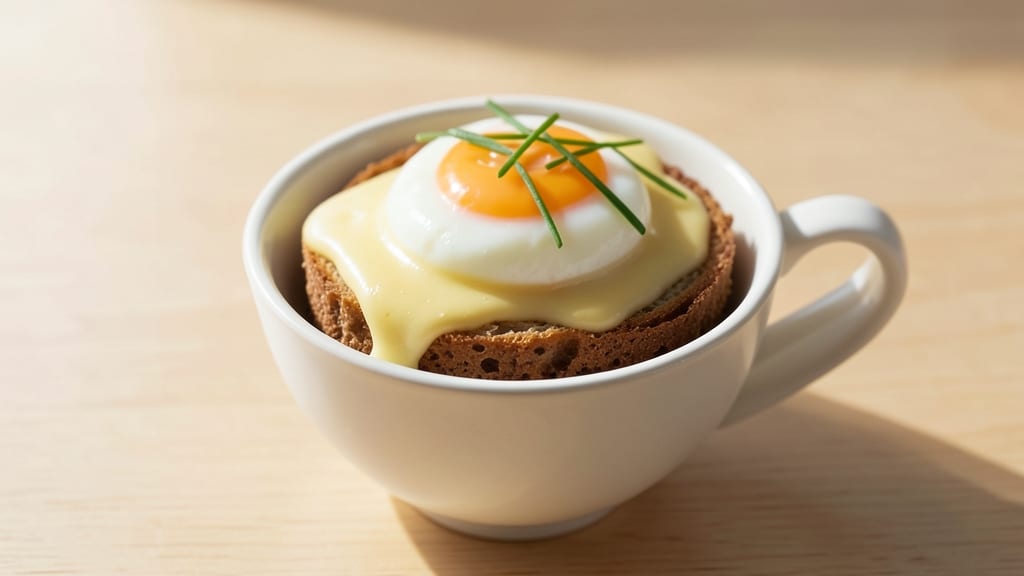
Creating the perfect Benedict sauce recipe starts with a smooth hollandaise base—rich egg yolks, velvety butter, and bright lemon juice. This sauce transforms simple eggs Benedict into a restaurant-worthy dish with its signature silky texture and tangy depth.
The secret lies in precise temperature control and gentle whisking to achieve that flawless emulsion every time.
This recipe delivers a foolproof method for achieving hollandaise perfection without the risk of curdling. We'll use a double boiler to maintain even heat, ensuring the yolks and butter blend seamlessly into a luscious, golden sauce.
The addition of lemon juice adds a refreshing brightness that balances the richness, while a pinch of cayenne delivers just enough heat to elevate the flavor.
What you'll end up with is a velvety, tangy sauce that clings beautifully to toasted English muffins and poached eggs. The sauce should be thick enough to coat the back of a spoon but still flow smoothly—neither too thin nor too stiff.
This is the kind of sauce that makes every bite feel indulgent and professional.
Once mastered, this sauce can be customized with herbs like chives or tarragon for added freshness, or a dash of smoked paprika for a smoky twist. Store any leftovers in an airtight container in the refrigerator for up to 2 days, rewhisking gently before reheating.
Let's get started on creating this classic sauce from scratch.
Ingredients for benedict sauce
Eight essential components for restaurant-quality hollandaise—where precision meets indulgence.
| Ingredient | Amount | Notes |
|---|---|---|
| Large Egg Yolks 🥚 | 4 whole | Fresh, room temperature preferred |
| Unsalted Butter 🧈 | ¾ cup | Cold, cut into 1/4-inch cubes |
| Fresh Lemon Juice 🍋 | 2 tbsp | From 1/2 lemon, freshly squeezed |
| Diamond Crystal Kosher Salt 🧂 | ½ tsp | Fine grain preferred |
| Cayenne Pepper 🔥 | ¼ tsp | Adjust for heat preference |
| Distilled White Vinegar 🍶 | 1 tsp | For acid balance |
| Fresh Chives 🌿 | 1 tbsp | Finely chopped, for garnish |
| Tabasco Sauce 🌶️ | ½ tsp | Optional, for subtle heat |
The foundation of hollandaise lies in the quality of your egg yolks and butter. Pasture-raised eggs yield richer yolks, but any high-quality eggs work—just ensure they're fresh. For butter, European-style unsalted (like Plugrá or President) has a higher fat content, creating a more stable emulsion. Avoid salted butter, as the extra sodium can disrupt the delicate balance. The lemon juice should be freshly squeezed—bottled juice lacks the bright acidity needed to cut through the richness. When shopping, look for organic lemons at specialty markets like Whole Foods or Trader Joe's for peak freshness, or use a Meyer lemon for a subtly sweeter profile.
No cayenne? Smoked paprika at half the amount adds depth without heat, while a pinch of ground white pepper offers a milder alternative. Running short on vinegar? Fresh lemon juice at double the amount works, though the flavor profile shifts slightly. For the chives, fresh tarragon or parsley can substitute, though chives provide the most delicate onion-like sweetness. The Tabasco is truly optional—some purists omit it entirely, but it adds a subtle complexity that elevates the sauce. If you're concerned about curdling, pre-mix the yolks and lemon juice before adding the vinegar and heating, as this creates a more stable base. The butter must be cold when added—softened but not melted—to prevent the emulsion from breaking.
Hollandaise is best served immediately, but any leftovers should be stored in an airtight container in the refrigerator for up to 2 days. Before reheating, whisk vigorously over a double boiler until smooth—never microwave, as this can cause separation. For a quicker assembly, prepare the sauce components ahead of time and refrigerate the yolks and lemon juice mixture separately; combine just before cooking. The sauce should be thick enough to coat the back of a spoon but still flow freely. If it becomes too thick, whisk in a teaspoon of warm water. For a 3-month shelf life, freeze the sauce in ice cube trays, then transfer to a freezer bag—thaw and reheat gently before use.
Why You'll Love This Recipe
- Five-Ingredient Magic: I swear by this sauce because it’s that simple—just yolks, butter, lemon, salt, and a whisper of cayenne. No straining, no whisking for hours, just a quick melt and stir that turns ordinary eggs Benedict into something special.
- Tangy Creamy Bliss: That bright lemon cutting through the rich butter? It’s the perfect balance—creamy but never heavy, with a zing that makes every bite feel fresh. Honestly, I’ll take this over store-bought Hollandaise any day.
- Brunch Star Every Time: Slather it on toasted bagels, drizzle it over poached eggs, or even toss it with pasta for a quick lunch. It’s my go-to for lazy mornings or fancy weekend brunches—no judgment if you eat it straight from the spoon.
- Leftovers That Shine: Make a double batch and store it in the fridge for up to a week. The flavor actually improves over time—just reheat gently, and it’s ready to elevate whatever you’re serving. My secret weapon for last-minute guests.
Step-by-step instructions for Benedict sauce recipe
Master this classic hollandaise technique with precise temperature control and proper emulsification.
Prepare the Egg Yolks and Acid Balance
In a heatproof bowl, whisk together the 4 whole large egg yolks and the 2 tablespoons fresh lemon juice until fully combined. This acid component is essential for stabilizing the emulsion and preventing curdling. Place the bowl over a saucepan of simmering water, ensuring the bottom of the bowl doesn't touch the water. The steam should create gentle heat without direct contact.
I maintain a constant temperature of 160-170°F in the water bath—this gentle heat cooks the yolks slowly while preventing them from scrambling. You'll know you're on track when the mixture begins to thicken slightly but remains smooth, like a pale yellow custard. This step typically takes about 3-4 minutes, but watch closely as timings can vary with different stovetops.
Incorporate the Cold Butter Gradually
Remove the bowl from the heat and immediately begin whisking vigorously. Add the 0.75 cup unsalted butter in small increments—start with just 1 tablespoon at a time—allowing each addition to fully incorporate before adding the next. This gradual approach prevents the sauce from breaking and ensures a silky, homogeneous texture.
The butter should melt completely with each addition, creating a rich, velvety emulsion. If the sauce begins to look grainy or separate, immediately remove it from heat and whisk more vigorously. This is your signal to slow down—the butter is being added too quickly. The final sauce should have a glossy sheen and coat the back of a spoon smoothly.
Season and Stabilize the Emulsion
Once all the butter is incorporated, return the bowl to the gentle heat for 1 additional minute, whisking constantly. Remove from heat and stir in the 0.5 teaspoon diamond crystal kosher salt, 0.25 teaspoon cayenne pepper, 1 teaspoon distilled white vinegar, and 0.5 teaspoon Tabasco sauce. These seasonings enhance the sauce's complexity while maintaining its delicate balance.
Here's the critical test: dip a spoon into the sauce and run your finger through it. If it creates a clean line that holds for 5-10 seconds before slowly dissolving, your emulsion is perfect. If it separates immediately, you'll need to temper the sauce by whisking in 1 teaspoon hot water at a time until it stabilizes. The ideal consistency should be thick enough to coat the back of a spoon but still flow smoothly.
Finish with Fresh Herbs and Serve Immediately
Transfer the sauce to a serving bowl and gently fold in the 1 tablespoon finely chopped fresh chives using a rubber spatula. The chives add a bright, fresh contrast to the rich hollandaise. Serve immediately over poached eggs or English muffins while still warm—hollandaise sauce begins to separate as it cools and cannot be successfully reheated.
For perfect presentation, strain the sauce through a fine-mesh sieve just before serving to ensure an ultra-smooth texture. The sauce should have a vibrant golden hue and maintain its velvety consistency. Each bite should deliver a harmonious blend of creamy richness, bright acidity, and subtle heat from the cayenne and Tabasco, creating the quintessential Benedict sauce experience.
Pro Tips For Making Benedict Sauce
- Whisk Over Heat: Start the butter-egg mixture on low heat—medium or high turns it into scrambled eggs faster than you can blink. I learned this the hard way after watching a batch curdle into a sad, grainy mess.
- Measure Lemon Precisely: Use a kitchen scale or measuring spoon for lemon juice—eyeballing it risks sauce that’s either bland or painfully sour. A shot glass holds about 2 tablespoons, but actual measurements matter more than guesswork.
- Salt the Butter First: Dissolve the kosher salt in the melted butter before adding yolks—this keeps the sauce from tasting like a salt mine. Trust me, your taste buds will notice the difference.
- Finish with Cayenne: Stir in the cayenne last, right before serving—it burns off some of the raw heat if you’re sensitive, and the color brightens the sauce instantly. (Yes, even if you’re impatient like me.)
Perfect pairings for this recipe
Classic Eggs Benedict
The most iconic pairing for Benedict sauce is, of course, Eggs Benedict—where the sauce transforms a simple breakfast into a luxurious brunch experience. Start with perfectly poached eggs (I use the ice water method with a splash of vinegar for cleaner whites) on toasted English muffins split lengthwise.
Spread a generous layer of the sauce over each half, then top with the eggs. Add a few crispy bacon strips or crispy ham for extra indulgence. 🍳
For the ultimate presentation, garnish with finely chopped chives and a pinch of smoked paprika right before serving. The sauce should be warm and glossy, clinging beautifully to the toast and eggs.
Pro tip: Keep the sauce warm in a double boiler while you assemble the plates to prevent separation.
Avocado Toast Upgrade
Take your avocado toast to the next level by drizzling Benedict sauce over mashed avocado mixed with a touch of lime juice and salt. The creamy avocado pairs beautifully with the tangy richness of the hollandaise.
Top with crumbled feta or poached shrimp for a seafood twist. This combination is perfect for brunch or a light lunch. 🥑
For extra flair, sprinkle with everything bagel seasoning or crushed red pepper flakes to add texture and a subtle kick. The sauce’s velvety texture contrasts perfectly with the creamy avocado, making every bite feel like a gourmet treat.
Seafood Pairings
Benedict sauce elevates poached salmon or shrimp dishes to restaurant-quality status. Drizzle the sauce over seared scallops or grilled trout for a sophisticated seafood entree. The sauce’s acidity cuts through the richness of the fish, creating a balanced flavor profile.
Serve with a side of asparagus or roasted Brussels sprouts for a complete meal. 🐟
For a smoked salmon version, layer the sauce between creamy herbed cream cheese and smoked salmon on a toasted bagel. Add a sprinkle of capers and dill for a classic lox-style twist. The sauce’s buttery richness complements the smoky, salty flavors beautifully.
Grilled or Roasted Vegetables
Don’t limit Benedict sauce to breakfast or seafood—it’s also fantastic over grilled asparagus, roasted mushrooms, or portobello caps. The sauce’s richness pairs surprisingly well with the earthy flavors of mushrooms and the crisp texture of grilled vegetables.
Serve as a side dish or even a main course with crusty bread or polenta. 🍄
For a vegetarian twist, drizzle the sauce over grilled eggplant or zucchini ribbons and sprinkle with toasted pine nuts and balsamic glaze. The sauce adds a luxurious touch to plant-based dishes, making them feel indulgent and special.
Sweet Applications
Yes, you read that right—Benedict sauce can even shine in sweet dishes! Drizzle it over warm berries (like strawberries or raspberries) for a tangy, creamy dessert sauce. The acidity balances the sweetness beautifully. Pair with vanilla ice cream or shortbread cookies for a decadent treat. 🍓
For a pancake or waffle upgrade, top your stack with a dollop of Benedict sauce and maple syrup, then finish with whipped cream and fresh fruit. The sauce’s richness adds a sophisticated twist to classic breakfast favorites.
Nutrition facts
Frequently asked questions about Benedict sauce
Why does my hollandaise sauce sometimes curdle?
Curdling happens when the sauce gets too hot or the butter is added too quickly. Always maintain a gentle heat (160-170°F) in your double boiler and add butter 1 tablespoon at a time, whisking constantly. If it starts to separate, remove from heat immediately and whisk in 1 teaspoon hot water to stabilize it.
Can I make Benedict sauce ahead of time?
Fresh is best, but you can prep components separately: whisk yolks and lemon juice, then refrigerate. When ready to cook, combine over heat and add butter. Store finished sauce in an airtight container for 2 days max—never reheat directly, as it will separate. Rewhisk gently over a double boiler instead.
What's the secret to getting that perfect golden color?
The golden hue comes from proper emulsification and a touch of acidity. Keep whisking until the sauce thickens slightly, then finish with 1 tsp vinegar. For extra richness, use European-style butter (higher fat content). The sauce should be glossy with a creamy yellow tint—not pale or orange.
Can I substitute butter with a lighter option?
For a lighter version, replace half the butter (3 tbsp) with olive oil—this reduces calories while maintaining emulsion. Use extra-virgin olive oil for flavor. The sauce will be slightly thinner but still delicious. For vegan versions, use vegan butter and aquafaba (chickpea brine) instead of yolks.
How do I fix a broken emulsion?
If your sauce separates, don't panic! Remove from heat and whisk in 1 tsp hot water at a time until smooth. For stubborn breaks, mix 1 tbsp cold water with 1 tbsp butter and whisk vigorously into the sauce. The key is patience—keep whisking until it recombines.