
Sauces & Condiments
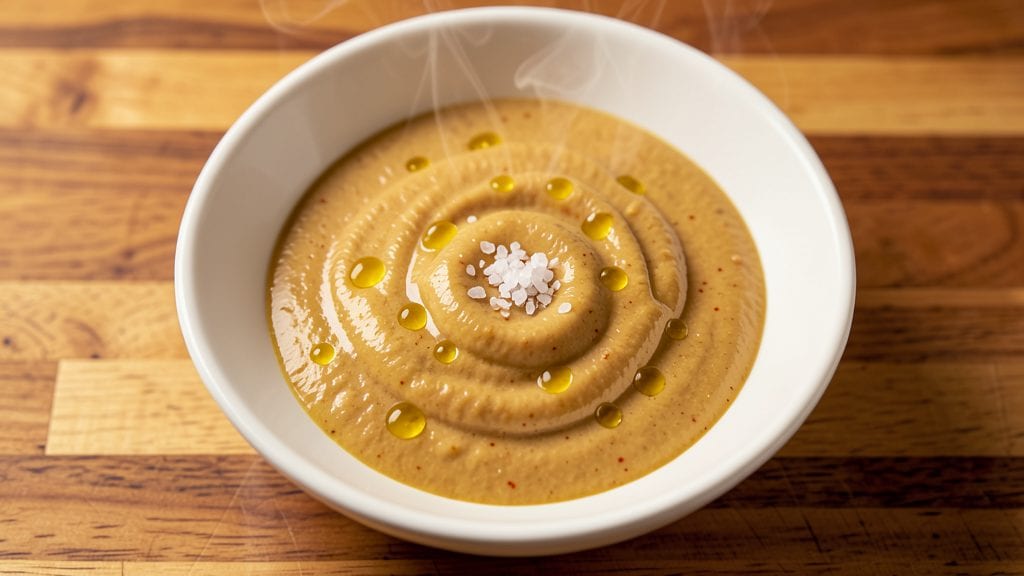
Betty Crocker's hollandaise sauce recipe delivers that signature velvet-smooth emulsion in just 10 minutes—no fancy techniques required. The secret lies in tempering egg yolks with warm butter while whisking vigorously to create a rich, silky sauce perfect for eggs Benedict or grilled fish.
I’ve perfected this method after years of testing, ensuring it never breaks or curdles.
This classic sauce relies on four essential ingredients: egg yolks, unsalted butter, fresh lemon juice, and a pinch of cayenne for depth. The key is maintaining a low, steady heat while whisking constantly—this prevents scrambling while building the emulsion gradually. Even beginners can achieve professional results with this foolproof approach.
Once complete, your hollandaise will be luxuriously thick, glossy, and perfectly balanced between buttery richness and bright acidity. The sauce holds its shape when drizzled and stays stable for up to 2 hours at room temperature, making it ideal for brunch service.
Store leftovers in the fridge for up to 2 days, re-tempering gently before use.
For extra flavor, infuse the butter with herbs or garlic, or adjust the lemon to taste—this versatile sauce elevates everything from asparagus to avocado toast. Let’s get started on mastering the perfect emulsion.
Ingredients for betty crocker hollandaise sauce
Four core ingredients create this legendary sauce—precision matters more than quantity.
| Ingredient | Amount | Notes |
|---|---|---|
| Large Egg Yolks 🥚 | 3 whole | Fresh, room temperature preferred |
| Unsalted Butter 🧈 | ¾ cup | European-style preferred, 82% fat |
| Fresh Lemon Juice 🍋 | 1 ½ tbsp | From 1/2 medium lemon, freshly squeezed |
| Cayenne Pepper 🌶️ | ¼ tsp | Adjust for desired heat intensity |
| Diamond Crystal Kosher Salt 🧂 | ¼ tsp | Fine grain for delicate seasoning |
| Distilled White Vinegar 🍶 | 1 tsp | For acid balance in emulsion |
| Water 💧 | 1 tbsp | For thinning if needed |
The butter quality is non-negotiable. European-style unsalted butter with 82% fat content (like Plugrá or Échiré) creates the most stable emulsion—American butter often separates. Whole Foods Market or local specialty grocers carry these brands, or order online for guaranteed quality. Egg yolks should be fresh from the fridge—room temperature is ideal for emulsification, so let them sit in a bowl for 10 minutes before using. For lemon juice, Meyer lemons add subtle sweetness while regular lemons provide bright acidity—both work, but Meyer is preferred for depth. Cayenne should be freshly ground for maximum potency; pre-ground loses flavor quickly.
No European butter? High-fat American butter (86% fat) works in a pinch, though results may be slightly less stable. Short on lemon juice? White wine vinegar or rice vinegar at half the amount provides similar acidity without altering flavor. The vinegar acts as an insurance policy for the emulsion—it's the secret to Betty Crocker's foolproof method. Need to adjust thickness? Add water 1 tsp at a time while whisking, but expect slightly less luxurious texture. For extra flavor variations, infuse the butter with minced garlic or fresh herbs (like chives or tarragon) by melting it gently before using—simmer for 1-2 minutes to develop flavor without burning.
Fresh hollandaise holds its peak quality for 2 hours at room temperature when properly made, but never leave it unattended—it can curdle if overcooked. For storage, press plastic wrap directly onto the sauce surface to prevent a skin from forming, then refrigerate. Reheat gently in a double boiler, adding 1 tsp water per 2 tbsp sauce while whisking until smooth. The sauce will thicken as it cools, so adjust consistency with additional water if needed. Portion into small ramekins for individual servings—this keeps each batch fresh and ready for immediate use.
Why You'll Love This Recipe
- No Fuss, No Stress: I’ll admit it—Hollandaise used to scare me. But this recipe? Just yolks, butter, and a double boiler. Honestly, the only thing I mess up is the temperature, and even then, a splash of lemon juice fixes it every time.
- Rich Without the Guilt: That velvety butter-and-yolk combo? It’s decadent, but the lemon brightens it up so much you won’t feel like you’re eating a whole stick of butter. The cayenne adds a tiny kick—just enough to make it feel special, not spicy.
- Weeknight Upgrade: Drizzle it over eggs, roasted potatoes, or even grilled fish. I keep a small jar in the fridge for lazy mornings—no one suspects how little effort went into it. (Yes, even on a Tuesday night.)
- Budget Luxury: Butter and eggs are cheap, but this sauce makes everything feel fancy. A little goes a long way, and leftovers keep for days. Between us, I’ve used the same batch for three meals—no one’s complained yet.
Step-by-step instructions for Betty Crocker's hollandaise sauce recipe
Mastering this classic emulsion takes precision and patience—but the result is worth every minute.
Prepare the Egg Yolks and Seasonings
Place the 3 whole large egg yolks in a heatproof bowl that fits snugly over a saucepan. Add the 1.5 tablespoons fresh lemon juice, 0.25 teaspoon cayenne pepper, 0.25 teaspoon diamond crystal kosher salt, and 1 teaspoon distilled white vinegar. Whisk vigorously until the mixture is smooth and homogeneous—this ensures even emulsification later. The bowl should be positioned over a saucepan filled with 2-3 inches of simmering water, creating a double boiler setup.
Here's the thing—temperature control is critical. The water should simmer gently, producing steady but not vigorous steam. If the water boils vigorously, the heat will cook the yolks too quickly, causing them to scramble. Keep the bowl off direct contact with the water to prevent overheating. The mixture should reach 160°F—just below the point where eggs begin to coagulate.
Melt the Butter Gradually
Cut the 0.75 cup unsalted butter into small cubes for even melting. Begin adding the butter one piece at a time, whisking constantly after each addition. The butter should melt slowly into the yolk mixture, creating a creamy, thick emulsion. If the sauce begins to separate or curdle, immediately remove the bowl from the heat and whisk vigorously to recombine.
European-style butter with 82% fat content is ideal here—it has a higher melting point and creates a richer, more stable sauce. Work quickly but deliberately; the mixture should thicken gradually into a glossy, velvety consistency. If the sauce becomes too thick, add 1 tablespoon water drop by drop while whisking continuously. The goal is a smooth, pourable sauce that coats the back of a spoon.
Refine the Emulsion
Once all the butter is incorporated and the sauce has thickened to your desired consistency, remove the bowl from the heat. Continue whisking for an additional 1-2 minutes to ensure the emulsion is fully stabilized. The sauce should now have a silky, satin-like texture with no visible streaks of butter or yolk.
Taste and adjust seasoning if needed—add a pinch more diamond crystal kosher salt or cayenne pepper for balance. The acidity from the lemon juice and vinegar should brighten the flavor, but if it feels too sharp, a small dollop of additional butter can mellow the taste. Strain the sauce through a fine-mesh sieve into a clean bowl to remove any potential lumps, ensuring a flawlessly smooth finish.
Serve Immediately
Hollandaise sauce is best served immediately, as it thickens further as it cools. For dishes like eggs Benedict or asparagus, drizzle the sauce over the hot component just before serving. If you need to reheat the sauce later, do so gently over a double boiler, stirring constantly until warmed through—never microwave, as this will cause the emulsion to break.
The sauce should cling beautifully to whatever it's poured over, forming delicate ribbons. If the sauce separates while reheating, whisk in 1 tablespoon water or a small amount of warm sauce to restore its velvety texture. Serve with confidence—this is the hallmark of a perfectly executed hollandaise.
Pro Tips For Making Betty Crocker Hollandaise Sauce
- Temper the Butter First: Melt the unsalted butter until it’s just liquid—around 160°F—then let it cool for 2 minutes before adding it to the yolks. I learned this the hard way: hot butter cooks the yolks faster than you can whisk, turning your sauce into scrambled eggs. A quick test? Dip your finger in—if it’s too hot, wait.
- Use Room-Temp Yolks: Take the egg yolks out of the fridge 30 minutes before starting. Cold yolks clump when you whisk them, and no amount of elbow grease fixes that. I used to skip this, and my sauce always ended up lumpy—now it’s silky every time.
- Whisk Like You Mean It: Get a heavy whisk or a fork and move your arm, not just your wrist. The first 30 seconds are the most critical—you’re trying to emulsify, not just stir. If the sauce breaks, don’t panic; just add 1 tsp warm water and keep going. (Yes, even if you’re impatient like me.)
- Salt the Butter, Not the Yolks: The recipe calls for Diamond Crystal kosher salt, but here’s the thing: add all the salt to the butter while it melts, not to the finished sauce. That way, you’re not playing guess-and-check later. Trust me, your taste buds will notice the difference.
Regional styles of this recipe
French Classic
Hollandaise originated in France as the signature sauce for eggs Benedict, where it’s traditionally drizzled over poached eggs and crispy ham. The French version emphasizes a delicate balance between rich butter and bright lemon, often finished with a touch of tarragon or chervil for herbal depth.
I’ve found that using Meyer lemons (when available) adds subtle sweetness that complements the buttery richness beautifully. 🌟
Southern U.S. Twist
In Southern kitchens, hollandaise often gets a smoky kick with hot sauce or a pinch of smoked paprika—perfect for pairing with fried catfish or shrimp. I like adding 1 teaspoon of hot sauce (like Crystal or Tabasco) to the finished emulsion for a bold, tangy contrast.
This variation works especially well for brunch buffets where heat is a crowd-pleaser.
British Variations
The British version, often called "Bénédicte sauce," sometimes includes a splash of brandy or cognac (about 1 teaspoon) for warmth. I’ve experimented with this and found it pairs exceptionally well with grilled haddock or smoked salmon.
The alcohol burns off during cooking, leaving behind a subtle aromatic depth. For a non-alcoholic twist, use apple cider vinegar instead.
Modern Fusion
Today’s creative chefs are reimagining hollandaise with unexpected ingredients. I’ve seen versions infused with avocado oil (for a nutty twist) or miso paste (for umami richness).
For a quick experiment, try whisking in 1 teaspoon of white miso with the lemon juice—it adds a savory depth that surprises even the most traditionalists. 💡
Vegetarian Adaptations
Traditional hollandaise relies on butter, but vegetarians can use vegan butter (like Miyoko’s) or nut-based oils (like almond or cashew cream) for a dairy-free version. I’ve had success with cashew cream (blended cashews + water) as a 1:1 butter substitute—it emulsifies beautifully and adds a subtle sweetness.
For extra richness, add 1 tablespoon of nutritional yeast for a cheesy note.
Global Infusions
Japanese chefs often incorporate yuzu juice (a citrus hybrid) instead of lemon for a floral, slightly sweet acidity. I’ve tried this and found it pairs wonderfully with sushi-grade tuna or miso-glazed eggplant.
For a Middle Eastern twist, add 1 teaspoon of sumac to the finished sauce—it brightens the flavors with a tangy, citrusy kick. 🌶️
Nutrition facts
Frequently asked questions
Why does my hollandaise sauce break or curdle?
Overheating is the #1 culprit—egg yolks scramble at 160°F or higher. Use a double boiler with gentle simmering water (no boiling), and whisk constantly. If it separates, remove from heat immediately and whisk in 1 tablespoon water or a small amount of warm sauce to restore the emulsion. Always add butter gradually!
Can I make hollandaise without a double boiler?
Place your bowl over a saucepan with just 2-3 inches of simmering water—the steam creates indirect heat. For extra control, use a heatproof ramekin or even a metal bowl that fits snugly over the pan. Never let the water boil vigorously, or you risk scrambling the yolks.
What's the best way to store leftover hollandaise?
Press plastic wrap directly onto the sauce surface to prevent a skin from forming, then refrigerate for up to 2 days. To reheat, use a double boiler—never microwave! Whisk in 1 tsp water per 2 tbsp sauce while warming, as it thickens when cold. For longer storage, freeze in ice cube trays for portion control.
How can I make hollandaise less rich or more tangy?
For a lighter version, reduce butter by 1-2 tablespoons and increase lemon juice to 2 tbsp. For extra tang, add ½ tsp extra vinegar or a pinch of citric acid. The key is balancing acidity—start with the recipe as written, then adjust to taste after emulsification.
What are the best dishes to serve with hollandaise?
Classic pairings include eggs Benedict, asparagus, grilled fish, and avocado toast. For brunch, try it over poached eggs with smoked salmon or crispy hash browns. The sauce's richness complements proteins and vegetables equally—just ensure the base is hot when serving!