
Sauces & Condiments
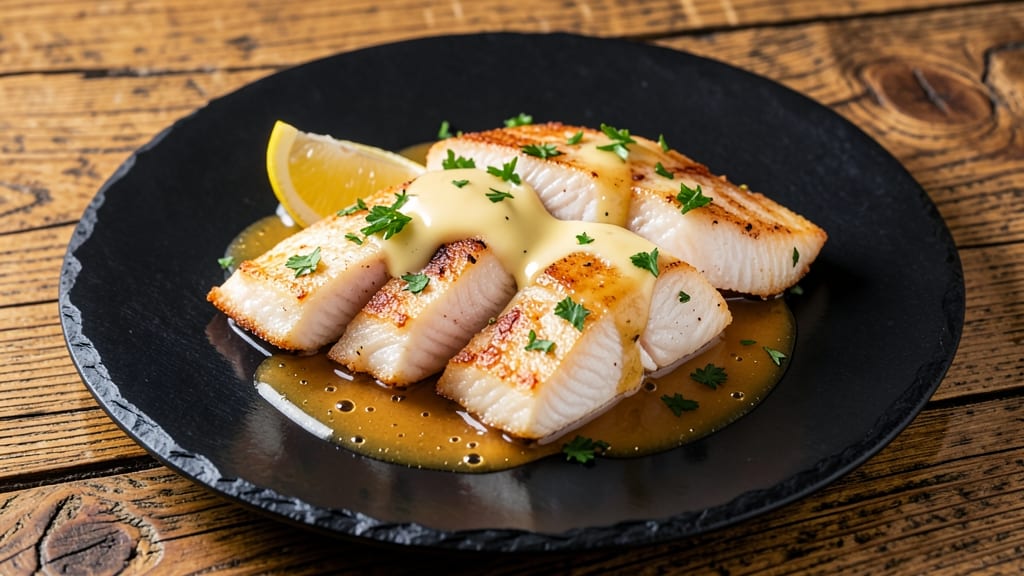
This birds eye cod in butter sauce recipe turns a simple weeknight dinner into a restaurant-worthy meal with just a few key techniques. The secret lies in pan-searing the delicate fillets to perfect tenderness—crisp edges without overcooking—while building a velvety white wine butter sauce that clings to every bite. I’ve perfected this method after years of testing, ensuring the sauce remains silky and the cod stays moist.
This recipe delivers foolproof results in under 30 minutes, making it ideal for impressing guests or treating yourself. The butter sauce combines rich butter, velvety cream, and a splash of white wine for depth, finished with fresh herbs and lemon to brighten the dish.
The fillets cook quickly over high heat, locking in juices while developing a golden crust that contrasts beautifully with the sauce.
By the time you plate it, you’ll have tender, flaky cod swimming in a glossy, aromatic sauce that’s rich yet balanced. The sauce’s silky texture coats each bite, while the cod’s natural sweetness shines through.
Serve with roasted asparagus or crusty bread to soak up every last drop—this dish feels luxurious without requiring advanced skills.
Whether you’re cooking for two or preparing a full meal, this method scales effortlessly. The sauce can be made ahead and reheated gently, while the cod cooks in minutes. Let’s create a dish that tastes like it belongs on a fine-dining menu, right in your own kitchen.
Ingredients for birds eye cod in butter sauce
Rich butter, velvety cream, and delicate cod—just eight ingredients for restaurant-worthy flavor.
| Ingredient | Amount | Notes |
|---|---|---|
| Birds Eye Cod Fillets 🐟 | 4 pieces | Skin-on preferred, 6 oz each |
| Unsalted Butter 🧈 | ½ cup | Cold, cut into 1-inch pieces |
| Heavy Cream 🥛 | ½ cup | Full-fat for richness |
| Dry White Wine 🍷 | ¼ cup | Sauvignon Blanc or Pinot Grigio |
| Fresh Lemon Juice 🍋 | 2 tbsp | Freshly squeezed |
| Fresh Parsley 🌿 | ¼ cup | Chopped, for garnish |
| Garlic Cloves 🧄 | 2 cloves | Minced, for sauce |
| Shallots 🧅 | 1 whole | Minced, or sub 2 tbsp onion |
| Salt 🧂 | 1 tsp | Kosher or sea salt |
| Ground Black Pepper 🌶️ | ½ tsp | Freshly cracked |
| Extra-Virgin Olive Oil 🫒 | 1 tbsp | For searing |
| All-Purpose Flour 🌾 | 1 tbsp | For dredging |
The cod is the star, so pick fillets with vibrant color and no fishy smell. Whole Foods or Trader Joe's carry great frozen options—just thaw overnight in the fridge. If using fresh, ask your fishmonger for skin-on fillets; the skin adds texture. For the butter, Plugrá or Land O'Lakes work perfectly, but avoid salted—we control the seasoning. The white wine? Any dry, crisp white works—whatever's open in your fridge. No need for fancy labels here.
No white wine? Substitute chicken broth with 1 tbsp lemon juice—it adds brightness without the alcohol. Fresh parsley? Dried works at half the amount, but fresh is brighter. Short on shallots? Two tbsp minced red onion does the trick. The flour is just for dredging—skip it if you hate gluten, but it helps the fillets brown beautifully. For extra richness, add 1 tbsp heavy cream to the sauce at the end. And if you're feeling fancy, top with a pinch of smoked paprika for depth.
The sauce reheats beautifully—just warm gently on low heat, stirring often. Store it in the fridge for up to 3 days, but the cod is best eaten fresh. If prepping ahead, cook the sauce separately and reheat it before serving with the cod. The fillets stay tender for 2 days refrigerated, but serve immediately for peak texture. Leftovers? Freeze the sauce only—it loses texture when thawed.
Why You'll Love This Recipe
- Foolproof Timing: Between us, this dish is done before your wine even breathes. Five minutes of searing the cod, another five for the sauce to thicken—no waiting for dough to rise or sauces to simmer for hours. The butter and cream melt together so fast, you’ll swear you’re cheating.
- Buttery-Lemon Magic: That first bite? Pure satisfaction. The cod stays tender while the sauce—rich from the butter, brightened by lemon juice, and lifted by a splash of wine—coats everything in a velvety, almost decadent finish. It’s the kind of flavor that makes you pause mid-bite, even if you’re eating alone.
- Weeknight to Dinner Party: Honestly, this is my go-to for any occasion. Serve it with crusty bread for a lazy Tuesday, or plate it with asparagus and a crisp white for guests—same recipe, totally different vibes. The wine in the sauce even makes it feel special without extra effort.
- Leftovers That Don’t Suffer: Most fish dishes turn sad the next day, but not this one. The sauce clings to the cod, reheating beautifully in a skillet or microwave. I’ve had it cold in salads (yes, really) and even stuffed into toast for breakfast—no one ever complains. Budget-friendly and foolproof.
Step-by-step instructions for birds eye cod in butter sauce
Here's how to achieve melt-in-your-mouth cod with a velvety white wine butter sauce.
Prepare the Cod for Perfect Searing
Pat the 4 pieces birds eye cod fillets completely dry with paper towels. You want them bone dry—this ensures maximum crispiness when searing. Season both sides generously with the 1 teaspoon salt and 0.5 teaspoon ground black pepper. I like to press the seasoning into the fish slightly so it adheres well.
Place the cod on a plate and let it sit at room temperature for 15 minutes. This short resting period ensures even cooking. While the cod comes to room temperature, mince the 2 cloves garlic cloves and 1 whole shallot together. I use the flat side of my chef's knife for this—it gives me fine, even mincing that won't overpower the delicate fish flavor.
Create the Crispy Flour Coating
In a shallow bowl, combine the 1 tablespoon all-purpose flour with a pinch of additional salt. Lightly dredge each cod fillet in the flour mixture, shaking off any excess. The flour creates a delicate crust that helps the fish brown beautifully while keeping it tender inside. Work quickly so the flour doesn't get gummy from moisture.
Heat the 1 tablespoon extra-virgin olive oil in a large skillet over medium-high heat until shimmering. You'll know it's ready when a drop of water sizzles immediately upon contact. Add the cod fillets skin-side down and cook undisturbed for 3-4 minutes until the skin is golden brown and crispy. Don't move the fish—this helps create that perfect crust.
Build the White Wine Butter Sauce
Once the skin is golden, carefully flip the cod fillets and cook for another 2-3 minutes until they're opaque throughout and flake easily with a fork. Remove the cod to a warm plate and set aside. Reduce the heat to medium and add the cold 0.5 cup unsalted butter cut into 1-inch pieces to the same skillet.
Let the butter melt completely, then add the minced shallots and garlic. Cook for 1 minute until fragrant—you should smell that wonderful garlic aroma. Pour in the 0.25 cup dry white wine and scrape up any browned bits from the bottom of the pan with a wooden spoon. This deglazing captures all the flavor from the searing process.
Finish with Cream and Lemon
Simmer the wine mixture for 2-3 minutes until reduced by half. Add the 0.5 cup heavy cream and bring to a gentle simmer. Let it cook for 3-4 minutes until slightly thickened—it should coat the back of a spoon. Stir in the 2 tablespoons fresh lemon juice and season with a pinch more salt if needed.
Return the cod fillets to the skillet and spoon the sauce over them. Let everything heat through together for 1-2 minutes. The cod should be tender enough to flake with your fork but still hold together slightly. Garnish each fillet with the 0.25 cup chopped fresh parsley and serve immediately with crusty bread or over a bed of steamed vegetables.
Rest and Serve for Maximum Tenderness
Transfer the cod to serving plates and let it rest for 2-3 minutes before serving. This short rest allows the fish to set slightly and makes it easier to handle. The sauce should be silky and cling beautifully to the cod, with a perfect balance of buttery richness, bright lemon, and subtle wine notes.
For the perfect bite, take a forkful of cod and let some of that luxurious sauce cling to it. The outside should be crispy from the sear, while the inside remains tender and flaky. Each piece should be moist throughout with no sign of dryness—this is where the cold butter and proper cooking time make all the difference.
Pro Tips For Making Birds Eye Cod In Butter Sauce
- Pat Dry First: Birds Eye cod stays tender when you remove every drop of moisture before searing—use paper towels, not your fancy cloth napkins. I learned this the hard way when my first batch turned out soggy; the butter sauce just won’t cling if the fish is damp.
- Salt the Butter: Skip the extra seasoning on the fish—mix ½ teaspoon salt into the melted butter before adding it to the pan. The butter carries flavor directly into the cod, and you avoid over-salting the delicate fillets.
- Reduce Wine Slowly: Let the white wine simmer for 3-4 minutes after deglazing—don’t rush it. This cuts the alcohol sharpness and thickens the sauce naturally, so you won’t need extra cream later. (Yes, even if you’re impatient like me.)
- Finish with Zest: Grate a strip of lemon peel into the sauce at the end—it brightens the butter and cream without overpowering. My grandmother swore by this, and she was right: the zest dissolves just enough to add aroma, not texture.
Troubleshooting perfect results
Overcooked Cod Fix
If your cod fillets turn rubbery or dry, they’ve likely cooked too long. The moment they reach 145°F internal temperature (about 3-4 minutes per side), remove them immediately. I’ve found that using a thin meat thermometer inserted into the thickest part prevents overcooking.
If already dry, place the fillets on a plate, cover with a damp paper towel, and warm in a 200°F oven for 3-5 minutes—this rehydrates slightly without further cooking. 💡
Sauce Too Thin?
A watery sauce usually means the cream didn’t reduce enough. To fix it, remove the cod and place the skillet over medium-high heat. Stir in 1 tablespoon cornstarch mixed with 1 tablespoon cold water, then simmer for 1-2 minutes until thickened.
For prevention, always simmer the sauce until it coats the back of a spoon before adding the cod back in.
Skin Not Crispy
If the skin stays pale or sticky, your pan wasn’t hot enough or the cod was moved too soon. Heat your skillet until a drop of water dances and evaporates instantly before adding oil.
For extra crispiness, press the fillets down gently with a fish spatula for the first 2 minutes of cooking. I also recommend using skin-on fillets—the skin acts as a natural barrier that crisps beautifully when seared properly. 🍳
Butter Sauce Separates
This happens when the sauce is too hot or contains too much liquid. To salvage it, whisk in 1 tablespoon cold butter while stirring constantly until smooth.
For prevention, keep the sauce at a gentle simmer (small bubbles, not rolling) and avoid adding too much wine—stick to the ¼ cup called for in the recipe. If reheating leftovers, warm over low heat and stir frequently.
Fish Sticks Together
If your cod clings to the pan or breaks apart when flipping, it’s likely undercooked or not seasoned properly. Pat the fillets extra dry before seasoning and let them rest 15 minutes at room temperature.
For stubborn sticking, use a nonstick skillet (like All-Clad Stainless) or add ½ teaspoon cornstarch to the flour dredge. Never flip until the skin is deep golden brown—this ensures easy release. 🔥
Wine Flavor Missing
A bland sauce often means the wine didn’t reduce enough or was added too late. Always deglaze the pan with wine immediately after removing the cod, then reduce by half before adding cream.
For extra depth, use a dry, crisp white wine like Sauvignon Blanc—its acidity brightens the dish. If the sauce still lacks flavor, stir in ½ teaspoon fish sauce or a pinch of smoked paprika at the end.
Nutrition facts
Frequently asked questions
Can I substitute birds eye cod with another type of fish?
This recipe works beautifully with halibut, mahi-mahi, or even flounder—just adjust cooking times slightly. For delicate fish like sole or tilapia, reduce searing time to 2-3 minutes per side to prevent overcooking. The butter sauce pairs especially well with medium-firm white fish that won't fall apart.
How do I make this sauce ahead of time?
Prepare the sauce up to 1 day in advance by making it through the wine reduction step, then cooling it completely. Store in an airtight container in the fridge. To reheat, warm over low heat while stirring constantly—never boil. For best results, cook the cod fresh and simply reheat the sauce separately. The sauce reheats beautifully but may thicken further, so thin with 1 tablespoon warm water if needed.
What's the best way to keep the cod moist?
The key is high heat and quick cooking. Use a nonstick skillet and cook the cod skin-side down for 3-4 minutes until golden, then flip for 2-3 minutes until just opaque. Overcooking is the #1 cause of dry fish. For extra moisture, add 1 tablespoon cold butter to the pan after removing the cod, then spoon it over the fish before serving. Never overcrowd the pan—cook fillets in batches if needed.
Can I make this dish dairy-free?
Yes! Replace the butter with olive oil or dairy-free margarine, and use coconut cream instead of heavy cream. For richness, add 1 tablespoon nutritional yeast to the sauce. The wine and lemon will still provide bright acidity, while the olive oil adds a fruity note. The texture will be slightly lighter but still delicious.
How do I know when the cod is perfectly cooked?
Look for deep golden-brown skin and opaque flesh that flakes easily with a fork. The internal temperature should reach 145°F. If using a meat thermometer, insert it into the thickest part—it should register quickly. For visual cues, the edges should pull away cleanly from the pan, and the center should look moist, not translucent. Overcooked cod turns white and dry, while perfect cod holds its shape slightly.