
Sauces & Condiments
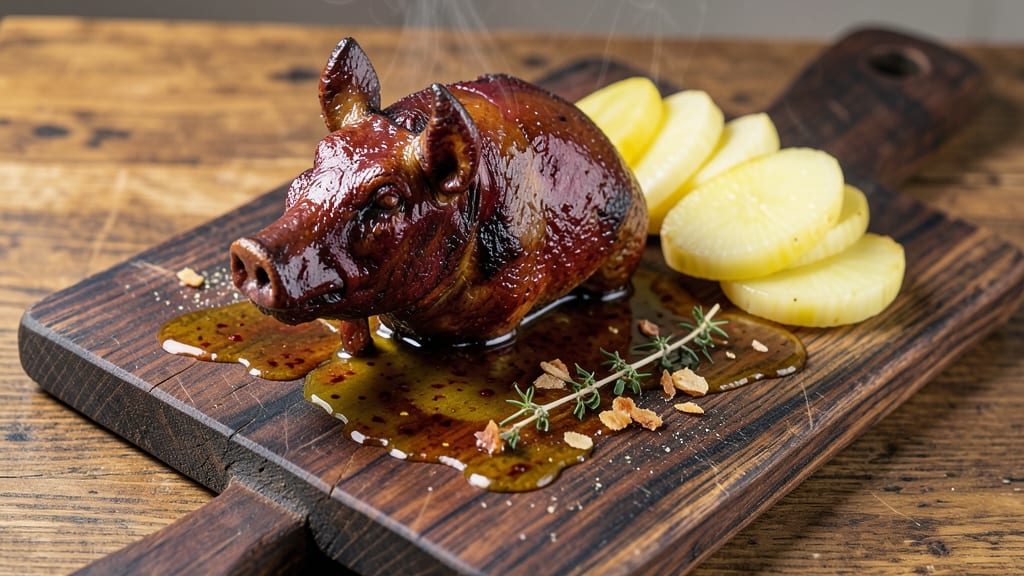
Transforming your holiday ham into a showstopper starts with this Boar's Head sweet Vidalia onions sauce, where caramelized onions meet honey-glazed richness for a drizzle that elevates every bite.
The secret lies in slow-cooking Vidalia onions until they're tender and deeply sweetened, then blending them into a velvety sauce with honey, broth, and a touch of mustard for balance. This isn't just a sauce—it's the centerpiece that turns a simple roast into a centerpiece-worthy masterpiece.
What sets this sauce apart is its ability to harmonize sweetness with savory depth, creating a glaze that's both elegant and approachable. The process is straightforward: sauté onions until golden, deglaze with broth, then reduce until thickened into a glossy consistency.
A splash of apple cider vinegar brightens the flavors, while fresh thyme adds an aromatic touch that ties everything together. The result is a sauce that's rich enough to stand alone but versatile enough to complement any holiday roast.
By the time you drizzle this sauce over your Boar's Head or other holiday meats, you'll have a dish that's visually stunning and irresistibly flavorful. The caramelized onions lend natural sweetness, while the honey adds a luxurious gloss that makes every bite feel special.
This sauce keeps well in the refrigerator for up to a week, so you can make it ahead and focus on other preparations. The perfect finishing touch for your holiday feast.
Pair it with roasted vegetables, crusty bread, or even as a glaze for pork chops—this sauce is the ultimate holiday companion. Here's how to make it shine.
Ingredients for boar's head sweet vidalia onions sauce
Six ingredients transform simple onions into a luxurious holiday drizzle.
| Ingredient | Amount | Notes |
|---|---|---|
| Vidalia Onions 🧅 | 3 lb | Yellow variety, halved lengthwise |
| Extra-Virgin Olive Oil 🫒 | ½ cup | High-quality, fruity variety |
| Honey 🍯 | ½ cup | Wildflower or clover preferred |
| Chicken Broth 💧 | 1 ½ cups | Low-sodium, homemade or store-bought |
| Apple Cider Vinegar 🍏 | 1 tbsp | Unfiltered for depth of flavor |
| Dijon Mustard 🍯 | 1 tbsp | Mild or hot variety |
| Fresh Thyme 🌿 | ¼ cup | Leaves only, finely chopped |
| Salt 🧂 | 1 tsp | Kosher or sea salt |
| Black Pepper 🌶️ | ½ tsp | Freshly ground preferred |
| Granulated Sugar 🍚 | 1 tbsp | Lightly browns onions |
Vidalia onions are the star here—spring for the freshest you can find, ideally from a farmers market or specialty grocer like Whole Foods. They should feel firm and smell sweet, not sharp. If you can't get them, yellow onions work in a pinch, but the natural sweetness of Vidalia is what makes this sauce special. For the honey, local wildflower or clover adds subtle floral notes, but any good-quality honey will do. The chicken broth should be low-sodium—Swanson or Pacific Foods are solid choices, or make your own from scratch for extra depth.
No Vidalia onions? Sweet onions or even pearl onions will get you close, though the texture will differ. Skip the honey? A touch of maple syrup or agave works, but honey's floral notes are unique. The apple cider vinegar is key for brightness—substitute lemon juice at half the amount if needed. Fresh thyme is ideal, but dried thyme at one-third the amount works too. For the olive oil, avoid the cheap stuff—look for extra-virgin with a fruity aroma, like California Olive Ranch or Bertolli. The sugar is just to help caramelize the onions faster—don't skip it, but don't overdo it either.
This sauce keeps beautifully—up to 1 week in the fridge sealed in a jar. For longer storage, freeze in ice cube trays and transfer to a bag. Reheat gently on the stove or microwave until warm. The flavors actually improve after a day or two as everything melds together. I like to make a big batch and drizzle it over ham, pork chops, or even roasted Brussels sprouts. Trust me, you'll want leftovers—this stuff disappears fast.
Why You'll Love This Recipe
- Sweet & Simple Caramelization: The Vidalia onions melt into golden perfection with just olive oil and a pinch of salt—no fancy techniques, just patience (and maybe a little sighing while you wait). Honestly, the first time I did this, I nearly walked away twice, but that slow cook-down? Pure magic.
- Honey-Glazed Magic: That honey isn’t just for sweetness—it balances the tangy vinegar and rich broth into something ridiculously good. Drizzle it over grilled chicken, toss it with roasted potatoes, or slather it on a sandwich. Every time, it’s the star.
- Leftovers That Shine: This sauce keeps like a dream in the fridge for up to a week, and it only gets better as the flavors meld. Between us, I’ve reheated mine three times and still crave it—whether I’m tossing it with pasta or using it as a dipping sauce for crusty bread.
- Budget-Friendly Luxury: Vidalia onions might sound fancy, but they’re cheaper than most specialty produce, and the other ingredients? Pantry staples. You’re basically turning everyday meals into something that feels like you spent hours in the kitchen—without the stress.
Step-by-step instructions for caramelized honey-glazed onions
This sauce transforms sweet Vidalia onions into a luscious, golden drizzle perfect for elevating holiday ham.
Prep and Caramelize the Onions
Begin by peeling and halving the 3 lb Vidalia onions lengthwise, leaving the root intact to hold them together. Heat a large, heavy-bottomed pot over medium-low heat and add the 0.5 cup extra-virgin olive oil. Let the oil warm for 2-3 minutes until shimmering but not smoking.
Place the onions cut-side down in the pot, arranging them in a single layer. Cook undisturbed for 20-25 minutes, until the edges begin to soften and turn a delicate golden color. This slow process develops deep sweetness—resist the urge to stir, as frequent movement prevents caramelization. You'll know it's ready when the onions release easily from the pot and develop a rich amber hue.
Add Sweetness and Depth
Once the onions are golden, sprinkle them with 1 tbsp granulated sugar and 1 tsp salt. Stir gently to distribute evenly, then increase the heat to medium. Cook for another 5-7 minutes, stirring occasionally, until the sugar dissolves and the onions soften further. This step enhances their natural sweetness and prepares them for the honey glaze.
Reduce the heat to low and carefully pour in the 0.5 cup honey, stirring to coat the onions completely. Let the mixture simmer gently for 3-4 minutes until the honey begins to thicken slightly and the onions develop a glossy sheen. The sauce should coat the back of a spoon—this ensures a perfect consistency for drizzling.
Build the Sauce Base
Pour in the 1.5 cups chicken broth and 1 tbsp apple cider vinegar, scraping up any browned bits from the bottom of the pot. These bits pack intense flavor, so don’t skip this step. Bring the mixture to a gentle simmer and let it cook for 10-12 minutes, until the liquid reduces by about half and the onions are tender when pierced with a fork.
Stir in the 1 tbsp Dijon mustard and 0.25 cup fresh thyme, then season with 0.5 tsp black pepper. Taste and adjust the seasoning—you may need a pinch more salt to balance the sweetness. Let the sauce simmer for another 2-3 minutes to meld all the flavors together. The result should be a rich, velvety sauce with a perfect balance of sweet, tangy, and savory notes.
Finish and Serve
Remove the pot from heat and let the sauce cool slightly for 5 minutes. Use an immersion blender to purée the mixture until smooth, or carefully transfer it to a blender and blend until silky. Strain through a fine-mesh sieve if you prefer a completely smooth texture, pressing down on the onions to extract all their sweetness.
Return the sauce to the pot and reheat gently over low heat for 2-3 minutes to warm through. This sauce is best served warm, drizzled generously over holiday ham or spooned alongside roasted vegetables. The caramelized onions add a luxurious touch that makes any holiday meal feel special—perfect for impressing guests or treating yourself to a festive feast.
Pro Tips For Making Boar'S Head Sweet Vidalia Onions Sauce
- Sweat the Onions Low: DESCRIPTION: Vidalia onions caramelize best at a slow simmer—not a boil. After slicing, cook them in olive oil over medium-low heat for 10-12 minutes until translucent but still bright. I used to rush this, and the sauce ended up bitter. Patience here makes all the difference for that sweet, jammy texture.
- Use Real Honey: DESCRIPTION: Skip the corn syrup or cheap honey substitutes. The real stuff—preferably local—adds depth and balances the acidity of the vinegar. A 2:1 ratio of honey to vinegar (about ¼ cup honey to 2 tbsp vinegar) keeps the sauce from tasting cloying, even with the rich onions.
- Reduce the Broth First: DESCRIPTION: Don’t just dump the broth in at the end. Simmer it alone for 5 minutes first to cut down the volume and concentrate the flavor. This ensures your sauce isn’t watery when you combine everything—especially important if you’re using a full head of boar, which soaks up liquid like a sponge.
- Finish with Vinegar Last: DESCRIPTION: Add the apple cider vinegar in the final 2 minutes of cooking, not at the start. This prevents the onions from turning dull or the honey from crystallizing prematurely. Stir it in, let it bubble for 30 seconds, then taste—you might need a pinch more salt to balance the tang.
Dietary considerations for these flavors
Sweetness Control
This sauce relies on the natural sweetness of Vidalia onions and honey, but if you're watching sugar intake, you can reduce the honey to 3 tablespoons and replace the remaining 2 tablespoons with unsweetened applesauce. The applesauce adds moisture and a mild sweetness without spiking the glycemic index.
For a low-carb option, swap the honey entirely for sugar-free maple syrup (like Lakanto)—it mimics the depth of honey while keeping carbs in check. 💡
Gluten-Free Adaptation
The original recipe is naturally gluten-free, but always double-check your Dijon mustard label—some brands contain hidden gluten. I recommend Annie's Organic Dijon or Maille, both certified gluten-free.
If you're also avoiding dairy (though this sauce doesn't contain any), ensure your chicken broth is dairy-free, like Pacific Foods Organic Chicken Broth. The sauce’s richness comes from the onions and honey, so no substitutions are needed elsewhere. ✨
Nut-Free Considerations
This sauce is nut-free by default, but if you're serving it alongside dishes that contain nuts (like candied pecans on ham), keep the sauce in a separate container to avoid cross-contamination.
The honey used should be pasteurized to prevent potential bee pollen allergies—brands like Whole Foods 365 or local raw honey (if tolerated) are safe choices. Always label your sauce if sharing with guests who have nut allergies. 🌰
Vegetarian-Friendly Swap
While this sauce was designed for boar’s head or ham, it pairs beautifully with portobello mushrooms or seitan for a vegetarian twist. The caramelized onions and honey glaze work equally well on roasted cauliflower steaks or eggplant parmesan.
Simply increase the sauce quantity by 20% to account for the larger surface area of plant-based proteins. The mustard and vinegar add enough umami to satisfy even meat lovers. 🌱
Low-Sodium Version
For those monitoring sodium, skip the added salt entirely and rely on the chicken broth for seasoning—opt for low-sodium or homemade broth to control the levels.
If you need extra flavor, boost the apple cider vinegar to 2 tablespoons and add a pinch of smoked paprika (about ¼ teaspoon) for depth. The honey and caramelized onions will still provide natural sweetness without relying on salt. 🧂
Kid-Friendly Tweaks
Kids often prefer milder flavors, so reduce the apple cider vinegar to ½ tablespoon and the Dijon mustard to ½ teaspoon. You can also blend in ¼ cup unsweetened applesauce to lighten the texture and add a familiar sweetness.
Serve the sauce warm over roasted potatoes or chicken tenders—the natural sweetness of the onions will appeal to little palates without overpowering them. 👶
Nutrition facts
Frequently asked questions
Can I substitute regular onions for Vidalia onions in this sauce?
While you can use yellow or sweet onions, Vidalia onions provide the signature mild sweetness that makes this sauce special. For the closest flavor, choose the sweetest onion variety available. If you must substitute, increase the honey slightly to ⅔ cup to compensate for the milder onion flavor. The texture will be slightly different but still delicious.
How long does this sauce keep, and can I make it ahead?
This sauce stays fresh in the refrigerator for up to 1 week in an airtight container. For longer storage, freeze it in ice cube trays or small jars for up to 3 months. Thaw overnight in the fridge and reheat gently on the stove. Making it ahead is perfect—flavors actually improve as the onions and honey meld together.
What's the best way to reheat this sauce without making it grainy?
Reheat the sauce gently over low heat on the stove, stirring constantly, until warmed through. Avoid microwaving as it can create a skin or separate the ingredients. If the sauce thickens too much, add 1-2 tablespoons of water or broth while reheating. Stirring constantly ensures a smooth, velvety texture every time.
Can I use this sauce on other meats besides boar's head?
This versatile sauce works beautifully on ham, pork chops, roasted chicken, or even grilled vegetables. The sweet and tangy flavors complement a variety of proteins. For a richer pairing, try it with seared duck breast or beef tenderloin—the caramelized onions add depth to any dish.
Why did my sauce turn out too sweet? How can I fix it?
If your sauce tastes overly sweet, balance it by adding 1-2 teaspoons of apple cider vinegar or lemon juice to cut through the sweetness. A pinch of smoked salt or black pepper can also add complexity. For future batches, reduce the honey by 1 tablespoon if you prefer a milder sweetness. Taste as you go—adjustments are easy to make!