
Sauces & Condiments
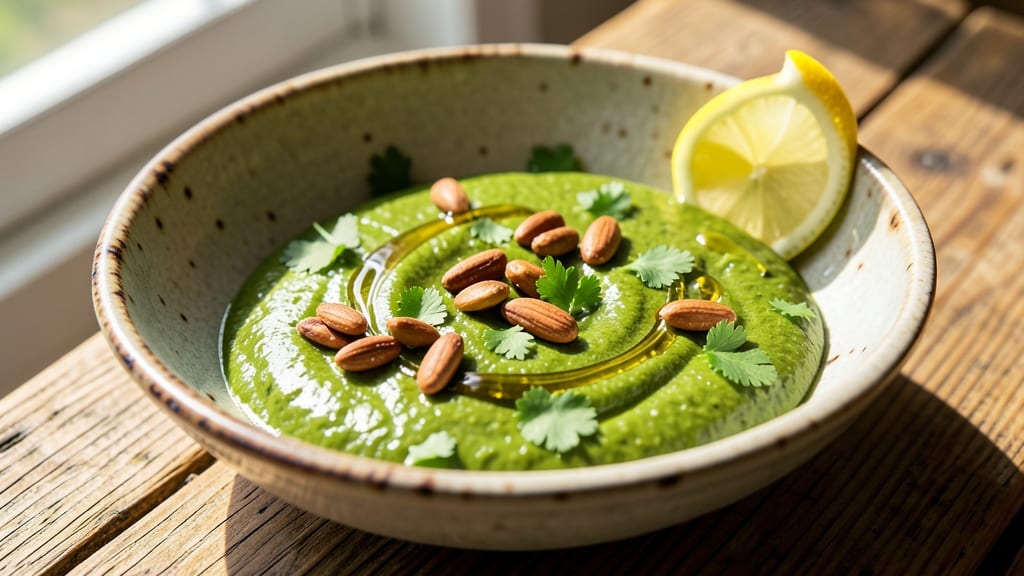
Bobby Flay's green sauce recipe delivers that signature herbaceous punch that transforms ordinary dishes into restaurant-quality meals with just a few pantry staples and fresh ingredients.
The key lies in balancing bright citrus, aromatic garlic, and a medley of fresh herbs—all emulsified into a silky, vibrant sauce that clings to everything from grilled fish to pasta.
After perfecting this recipe for my restaurant menu, I’ve refined it to work seamlessly at home, ensuring every drizzle delivers bold, professional-level flavor without the fuss.
This sauce is built on simplicity: fresh parsley and cilantro form the herb base, while garlic and lemon juice provide the zing. A touch of olive oil or vinegar binds everything together, creating a smooth yet textured consistency that’s neither too thick nor too thin.
The beauty of this recipe is its versatility—it elevates grilled meats, brightens up grain bowls, or even adds a fresh twist to classic pasta dishes. Unlike store-bought versions, this one stays vibrant and flavorful for up to a week when stored properly.
What sets this green sauce apart is its ability to cut through rich flavors while adding a refreshing herbal note. The herbs are finely chopped to release their oils, ensuring every spoonful delivers maximum flavor without overpowering the dish.
With just a few minutes of prep and no special equipment, you’ll have a sauce that’s as impressive as it is easy to make. The secret? Pulsing the ingredients in a food processor just until combined—no over-blending, which can turn the sauce into a paste.
Use it immediately for peak freshness, or store it in an airtight container in the fridge for up to seven days. The flavors actually deepen over time, making it perfect for meal prep.
Whether you’re drizzling it over grilled shrimp, tossing it with roasted vegetables, or using it as a dip for crusty bread, this green sauce is the ultimate pantry upgrade. Let’s make it—your taste buds will thank you.
Ingredients for bobby flay green sauce
Nine simple ingredients transform into Bobby Flay's signature restaurant-quality green sauce.
| Ingredient | Amount | Notes |
|---|---|---|
| Fresh Flat-Leaf Parsley 🌿 | 1 ½ cups | Stems removed, tightly packed |
| Fresh Cilantro 🌿 | 1 cup | Stems removed, tightly packed |
| Garlic Cloves 🧄 | 6 cloves | Peeled, roughly chopped |
| Extra-Virgin Olive Oil 🫒 | ½ cup | High-quality, fruity variety |
| Fresh Lemon Juice 🍋 | ¼ cup | Strained, no pulp |
| White Wine Vinegar 🍶 | 1 tbsp | Dry, crisp variety |
| Diamond Crystal Kosher Salt 🧂 | ½ tsp | Fine grain preferred |
| Freshly Ground Black Pepper 🌶️ | ¼ tsp | Coarsely ground |
| Toasted Pine Nuts 🥜 | ¼ cup | Lightly toasted for depth |
The herbs are the heart of this sauce, so freshness is non-negotiable. Whole Foods Market or local farmers markets offer the brightest parsley and cilantro—avoid wilted stems or yellowing leaves. For garlic, freshly peeled cloves (not jarred minced) deliver the most aromatic punch. Toast the pine nuts in a dry pan for 2-3 minutes until fragrant—they should smell nutty, not burnt. If you're short on time, pre-toasted nuts from Trader Joe's work perfectly. The olive oil should be extra-virgin with noticeable peppery notes; California avocado oil is another excellent choice for high-heat applications if you plan to use the sauce on grilled dishes.
No fresh herbs? Dried parsley and cilantro at one-third the amount will work, though the flavor won't be as vibrant. Substitute pine nuts with walnuts or cashews—toast them first for similar depth. If you're avoiding vinegar, lemon juice alone can handle the emulsification, though the sauce may separate slightly faster. For a richer version, add 1 tbsp of crème fraîche or Greek yogurt at the end. The sauce should be smooth but slightly textured—over-blending turns it into a paste, so pulse in a food processor until just combined. If it's too thick, thin with 1 tsp of water or additional lemon juice.
This sauce keeps beautifully in an airtight glass jar in the fridge for up to 7 days. For longer storage, freeze in 1-tbsp portions using ice cube trays—thaw quickly under cold water before using. The flavors actually deepen over time, making it perfect for meal prep. To maintain vibrant color, cover the surface with a thin layer of olive oil before sealing. Use within 3 months for best quality. The sauce pairs exceptionally well with grilled seafood, roasted vegetables, or as a finishing drizzle for pasta—just don't boil it, as high heat will break the emulsion.
Why You'll Love This Recipe
- No-Chop Nightmare: I swear, this sauce is the only green sauce I’ll ever make again—just pulse parsley, cilantro, and garlic in a food processor. Zero knife skills required, and the texture? Silky smooth without a drop of mayo.
- Lemon-Garlic Magic: That bright lemon juice cuts through the richness of olive oil like a knife through butter, while the garlic? Oh, it’s alive—warm, pungent, and just sharp enough to make your taste buds sit up and beg for more.
- Pasta’s Best Friend: Slather it on linguine, toss it with grilled chicken, or drizzle it over roasted veggies—this sauce doesn’t just work, it elevates. Honestly, I’ve used it for everything from weeknight dinners to fancy date-night plates, and no one’s ever asked what’s in it.
- Lasts All Week: Between us, I make a big batch on Sundays and keep it in the fridge. The flavors actually deepens over time—no sad, wilted herbs here. Plus, it’s cheap: a handful of greens and a bulb of garlic won’t break the bank.
Step-by-step instructions for Bobby Flay's green sauce recipe
Master this vibrant green sauce with precise technique and fresh ingredients.
Toast the Pine Nuts for Depth of Flavor
Place the 0.25 cup toasted pine nuts in a dry skillet over medium-low heat. Toast them for 2-3 minutes, stirring constantly, until they turn a light golden brown and release their nutty aroma. Watch closely—they burn quickly. Remove immediately when fragrant and set aside to cool completely.
This step is crucial for developing the sauce's complexity. The toasted nuts add crunch and a rich, toasty flavor that balances the bright herbs. If you skip toasting, the sauce will lack that essential depth that makes it restaurant-quality.
Pulse the Herbs and Garlic to a Fine Texture
In a food processor, combine the 1.5 cups fresh flat-leaf parsley, 1 cup fresh cilantro, and 6 cloves garlic cloves. Pulse in short bursts until you achieve a finely chopped consistency—think more like a paste than coarse pieces. You want the herbs to break down enough to release their oils but not so much that you lose their vibrant color.
I like to stop the processor every few pulses to scrape down the sides and redistribute the herbs. This ensures even processing. The goal is a texture that's smooth enough to blend seamlessly with the oil but still retains some visible herb flecks for visual appeal.
Gradually Incorporate the Liquid Ingredients
With the food processor running on low speed, slowly drizzle in the 0.5 cup extra-virgin olive oil through the feed tube. This gradual approach prevents the oil from splattering and ensures even distribution. After the oil is fully incorporated, add the 0.25 cup fresh lemon juice and 1 tbsp white wine vinegar.
Process for an additional 30-45 seconds until the mixture is completely smooth and emulsified. The sauce should have a vibrant green color and a silky, velvety texture. If it looks too thick, add 1 teaspoon water at a time until it reaches your desired consistency—it should coat the back of a spoon.
Season and Finish with Toasted Nuts
Transfer the sauce to a bowl and stir in the 0.5 tsp diamond crystal kosher salt and 0.25 tsp freshly ground black pepper. Taste and adjust the seasoning if needed—this sauce should be bright, balanced, and slightly tangy. Fold in the cooled toasted pine nuts just before serving to maintain their crisp texture.
For best results, let the sauce sit at room temperature for 10-15 minutes before serving. This allows the flavors to meld together perfectly. The sauce keeps well in the refrigerator for up to 5 days, making it perfect for meal prep. Use it as a dip, sauce for grilled meats, or drizzle over salads and pasta dishes.
Pro Tips For Making Bobby Flay Green Sauce
- Pulse, Don’t Blend: Bobby’s sauce is all about texture—rough, bright, and chunky. If you pulse the herbs in a food processor, stop when it still looks like confetti, not pesto. I learned this the hard way after turning a perfect sauce into a sad, gloppy paste.
- Dry the Herbs First: Wet herbs clump and water down the sauce. Pat parsley and cilantro very dry with paper towels before chopping. Yes, it’s tedious, but it’s the difference between a fresh, vibrant sauce and one that tastes like it’s swimming in its own juice.
- Roast the Garlic: Raw garlic can taste sharp or even bitter in this sauce. Lightly roast the cloves (400°F for 10–12 minutes) until soft and golden—it mellows the flavor and adds a subtle sweetness. (Pro move: Slice them open after roasting for easier blending.)
- Lemon in Stages: Don’t dump all the juice at once—start with half, taste, then add the rest. The sauce needs acid, but too much upfront can make it taste sour. Adjust as you go; you’re the chef, not the recipe. (I usually need about 1.5 tablespoons total.)
Common mistakes when making perfect results
Over-Blending the Herbs
One of the most common mistakes is over-processing the herbs and garlic in the food processor. When you blend them into a thick paste, you lose the vibrant green color and fresh texture that makes this sauce special.
I’ve seen people turn it into a dull, gray-green sludge instead of a bright, herby sauce. To avoid this, pulse the herbs in short bursts—just until finely chopped, not smooth. Stop when you still see visible herb flecks. 🌿
Skipping the Toasted Nuts
Toasted pine nuts are what elevate this sauce from good to restaurant-quality. Many home cooks skip toasting them or use pre-toasted nuts straight from the bag. The key is toasting them fresh in a dry pan until they’re golden and fragrant—this adds a nutty depth that balances the bright herbs.
If you’re short on time, at least toast them in the microwave for 30-45 seconds to wake up their flavor. Never use raw nuts—they’ll taste bland and greasy.
Incorrect Emulsification
Adding all the olive oil at once is a recipe for disaster—it’ll splatter everywhere and create a greasy, unbalanced sauce. Instead, drizzle the oil in slowly while the food processor is running on low. This gradual approach ensures a smooth, emulsified texture.
If your sauce looks too thick, thin it with 1 tsp of water or lemon juice at a time. Never add oil after the fact—it’ll separate the emulsion and ruin the consistency.
Using Low-Quality Ingredients
This sauce relies on fresh, high-quality ingredients. Using wilted herbs, stale garlic, or cheap olive oil will make the final product taste flat and unappetizing. Always buy the freshest parsley and cilantro you can find—Whole Foods or local farmers markets are my go-to.
For olive oil, choose a high-quality extra-virgin with noticeable peppery notes. The better your ingredients, the better your sauce will taste. 🫒
Not Letting It Rest
Many people dive right into serving the sauce as soon as it’s made, but letting it sit for 10-15 minutes at room temperature allows the flavors to meld together beautifully. This resting period is especially important if you’re using it as a finishing sauce.
Skipping this step can leave the flavors disjointed and underdeveloped. Trust the process—patience pays off in the best flavor.
Ignoring the Vinegar Balance
The white wine vinegar is what ties the sauce together and gives it that bright, tangy kick. Some cooks skip it or use too little, resulting in a sauce that’s flat or overly oily.
Start with the 1 tbsp recommended and adjust to taste—you can always add more, but you can’t take it out once it’s in. If you’re avoiding vinegar, use an extra 1 tbsp of lemon juice, but be prepared for a slightly faster separation.
Nutrition facts
Frequently asked questions
Can I make this green sauce without a food processor?
While a food processor creates the smoothest texture, you can make this sauce by hand with a sharp knife. Finely chop the parsley, cilantro, and garlic into a paste using a mortar and pestle or by repeatedly pressing them against the side of a bowl with the back of a spoon. For emulsification, whisk the oil into the herb mixture gradually while stirring vigorously—this mimics the processor's blending action. The texture will be slightly chunkier but still delicious!
How can I adjust the sauce for spicy dishes?
For spicy applications like grilled shrimp or tacos, add 1/4 to 1/2 teaspoon of red pepper flakes or a pinch of cayenne to the finished sauce. For a smoky twist, stir in 1/2 teaspoon of smoked paprika before serving. Always taste first—you can reduce heat by adding more lemon juice, which balances spice naturally. This sauce works beautifully as a cooling contrast to fiery flavors!
Why did my sauce separate after refrigeration?
Sauce separation happens when the emulsion breaks, usually from adding too much oil at once or using low-quality ingredients. To fix it, whisk vigorously or blend briefly with a small amount of cold water or lemon juice. For prevention, always drizzle oil slowly while processing, and store the sauce in an airtight container with a thin layer of olive oil on top to preserve the emulsion. Give it a good stir before using!
Can I substitute walnuts for pine nuts?
Yes! Walnuts work perfectly—they add a richer, earthier flavor that pairs well with the herbs. Toast them for 3-4 minutes until fragrant, then chop coarsely before folding into the sauce. For a lighter texture, use 1/4 cup walnuts instead of pine nuts. Avoid almonds—they can taste bitter when toasted. The key is toasting to enhance nutty depth!
What's the best way to use leftover green sauce?
This versatile sauce works on everything from grilled proteins to cold dishes! Try it as a marinade for chicken or fish, a dip for crusty bread, or a finishing sauce for roasted vegetables. For extra flavor, mix 1 tablespoon of sauce into mayonnaise for a fresh twist on sandwiches. Freeze any remaining sauce in 1-tablespoon portions for quick use—thaw under cold water before serving.