
Sauces & Condiments
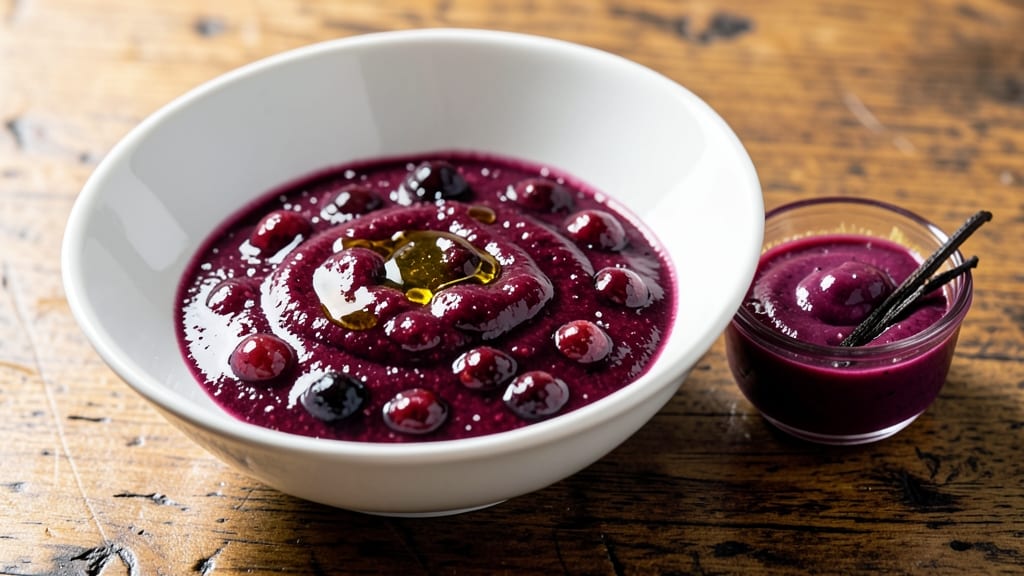
This boysenberry sauce recipe transforms tart boysenberries into a versatile, sweet-tart condiment perfect for drizzling over desserts or pairing with cheeses. The balance of sugar and acid creates a jam-like consistency that's neither too thick nor too runny—ideal for elevating yogurt, ice cream, or even savory dishes like grilled meats.
I developed this recipe after struggling to find store-bought versions that captured the true depth of boysenberry flavor, and the result is a sauce that's rich, aromatic, and effortlessly adaptable.
The process is straightforward but precise: simmering fresh or frozen boysenberries with sugar and lemon juice until they break down into a glossy, syrupy texture. A touch of cornstarch ensures the perfect thickness—neither cloying nor watery—so it clings beautifully to spoons or cakes.
What sets this sauce apart is its versatility; it works as a glaze for roasted chicken, a topping for pancakes, or a sophisticated drizzle over vanilla ice cream. The lemon juice brightens the boysenberry's natural tartness, creating a harmonious sweet-tart profile that's universally appealing.
What you'll achieve is a sauce that's vibrant in color, fragrant with berry essence, and perfectly balanced in flavor—sweet enough to satisfy a dessert craving but tart enough to cut through rich foods. The best part?
It keeps well in the refrigerator for up to two weeks or can be frozen for longer storage, making it a pantry staple for any season.
Whether you're a home cook looking to elevate simple dishes or a baker searching for a unique glaze, this sauce delivers professional-quality results with minimal effort.
For those with time constraints, a quick version using frozen boysenberries works just as well, though fresh berries yield the most vibrant flavor.
Pair it with brie, drizzle over waffles, or use it as a filling for thumbprint cookies—this sauce is the secret weapon that turns ordinary meals into something extraordinary. Let's get started on creating your own batch.
Ingredients for boysenberry sauce
Eight simple ingredients transform tart boysenberries into a versatile sauce perfect for desserts and beyond.
| Ingredient | Amount | Notes |
|---|---|---|
| Fresh or Frozen Boysenberries 🍇 | 2 cups | Pitted if fresh, no need if frozen |
| Granulated Sugar 🍚 | 1 ½ cups | Adjust for tartness preference |
| Lemon Juice 🍋 | ½ cup | Freshly squeezed, no pulp |
| Cornstarch 🌾 | 1 tbsp | For perfect thickness consistency |
| Extra-Virgin Olive Oil 🫒 | 1 tbsp | For glossy finish and richness |
| Vanilla Extract 🌸 | 1 tsp | Pure vanilla for depth of flavor |
| Sea Salt 🧂 | ¼ tsp | Enhances all flavors beautifully |
| Water 💧 | 1 tbsp | For thinning if needed |
Boysenberries are the star here—fresh ones yield the most vibrant flavor, but frozen work perfectly in a pinch. Local farmers markets often have the freshest, but grocery store frozen berries are fine too. Look for plump, deep purple berries with no mold. The sugar amount is flexible—start with 1.5 cups and taste as you go. If using frozen berries, no need to thaw first—just dump them straight into the pot. The lemon juice is crucial for balancing the tartness, so freshly squeezed is ideal, but bottled works if you're in a hurry (just strain out any seeds).
No boysenberries? Blackberries or raspberries work in a pinch, though the flavor will differ slightly. Running short on sugar? Honey or maple syrup can replace at a 1:1 ratio, but expect a slightly different texture. The cornstarch is non-negotiable for that perfect jam-like consistency—it prevents the sauce from being too runny or cloying. If you're gluten-free, make sure your cornstarch is certified. The olive oil might seem odd, but it adds a beautiful gloss and richness that elevates the sauce. Skip it if you're avoiding oil, but you'll miss out on that restaurant-quality shine.
This sauce keeps beautifully in the fridge for up to 2 weeks, stored in an airtight jar. For longer storage, freeze in ice cube trays—perfect for single-use portions. The sauce thickens as it cools, so you might need to stir in a splash of water if it seems too stiff when reheating. I always make a double batch—one for immediate use and one to freeze. It pairs perfectly with brie, vanilla ice cream, or grilled chicken, so you'll have it on hand for all kinds of occasions.
Why You'll Love This Recipe
- Frozen-Friendly Flexibility: I’ll be real—this sauce works just as well with frozen berries as fresh. Toss them straight from the freezer into the pot, and the cornstarch slurry thickens everything perfectly without extra fuss. No last-minute grocery runs, no wasted produce.
- Tart-Sweet Magic: That bright lemon juice cuts through the boysenberries’ jammy richness, while the sugar balances it into something ridiculously addictive. A drizzle over yogurt? A spoonful with ice cream? It’s the kind of flavor that makes you pause mid-bite.
- Weeknight Workhorse: This sauce keeps like a dream—store it for up to two weeks in the fridge. Slather it on pancakes when you’re running late, toss it into oatmeal for a fancy touch, or even use it as a glaze for roasted chicken. One batch covers everything.
- Budget Bright Spot: Boysenberries are pricey, but this recipe stretches them far. The cornstarch slurry thickens it efficiently, so you’re not drowning berries in sugar. Plus, olive oil adds richness without breaking the bank—just a splash makes it sing.
Step-by-step instructions for boysenberry sauce
This simmered sweet-tart jam comes together faster than you'd expect—rich, glossy, and perfect for desserts.
Prepare the Boysenberries
If using fresh boysenberries, pit them by cutting a small "X" at the stem end and squeezing gently to remove the core. For frozen boysenberries, there's no need to thaw or pit them first—just add them directly to the pot. Transfer the 2 cups fresh or frozen boysenberries to a medium saucepan and crush them lightly with a wooden spoon or potato masher. You want to break them down but leave some texture, not turn them into a puree. This creates beautiful fruit pieces in your finished sauce.
Add the 0.5 cup lemon juice and 0.25 tsp sea salt to the pan. The lemon juice brightens the flavor while the salt enhances all the sweet and tart notes. Stir well to combine, then let the mixture sit for 5 minutes at room temperature. This resting period allows the flavors to meld slightly before cooking, creating a more complex finished product.
Simmer with Sugar and Cornstarch
Increase heat to medium-high and bring the boysenberry mixture to a gentle boil. Once boiling, gradually whisk in the 1.5 cups granulated sugar and 1 tbsp cornstarch. The sugar will dissolve quickly, while the cornstarch acts as a natural thickener to give your sauce that perfect jam-like consistency. Stir constantly for 5 minutes until the mixture returns to a full boil.
Here's where it gets exciting—reduce heat to medium-low and let it simmer uncovered for 15-20 minutes. You're looking for the sauce to thicken noticeably while maintaining a glossy sheen. Stir occasionally to prevent sticking, and watch for the sauce to coat the back of a spoon when you lift it out. If it thickens too quickly, add the 1 tbsp water to thin it out. The sauce should be thick enough to coat a spoon but still flow smoothly.
Finish with Olive Oil and Vanilla
Once your sauce reaches the perfect thickness, remove it from heat and stir in the 1 tbsp extra-virgin olive oil and 1 tsp vanilla extract. The olive oil adds a luxurious richness and helps create that beautiful glossy finish, while the vanilla deepens the flavor profile. Let the sauce sit off the heat for 5 minutes to allow the vanilla to fully infuse and the flavors to meld completely.
Taste and adjust the sweetness if needed. If it's too tart, add a bit more sugar (about 1 tablespoon at a time) and simmer for another 2-3 minutes. For a smoother texture, strain the sauce through a fine-mesh sieve before serving. Transfer to a clean jar and let it cool completely before sealing. This sauce keeps beautifully in the refrigerator for up to 2 weeks or can be frozen for 6 months.
Pro Tips For Making Boysenberry Sauce
- Mash Those Berries: DESCRIPTION: Frozen boysenberries? Toss them in a hot skillet first—no need to thaw. Fresh ones? Give them a quick mash with a potato masher or wooden spoon before adding liquid. I learned this the hard way when my sauce turned out clumpy because I skipped it.
- Simmer Slow and Steady: DESCRIPTION: Low heat is your friend here. After adding sugar and lemon juice, keep the sauce at a gentle simmer—no boiling. I used to rush it, and the sauce either turned grainy or lost its bright color. Five minutes of steady simmering makes all the difference.
- Whisk the Cornstarch: DESCRIPTION: Mix the cornstarch with a splash of cold water or lemon juice first—about 1 tablespoon of liquid per teaspoon of cornstarch. This prevents lumps from forming when it hits the hot sauce. I’ve seen too many recipes skip this, and the result is a gloppy, uneven texture.
- Finish with Olive Oil: DESCRIPTION: Stir in that extra-virgin olive oil at the very end—just a teaspoon or two. It rounds out the flavors and adds a silky finish. I was skeptical at first (why add fat to a fruit sauce?), but it actually makes the sauce taste richer without overpowering the boysenberry tang.
Health benefits of this recipe
Antioxidant-Rich Berry Boost
Boysenberries are a powerhouse of antioxidants, particularly anthocyanins—the pigments that give them their deep purple color. These compounds combat oxidative stress and inflammation in your body.
A ½ cup serving of this sauce provides about 15% of your daily vitamin C needs, supporting immune function and collagen production. The lemon juice adds extra vitamin C, creating a double dose of immune-boosting benefits. 💪
Blood Sugar Balance
While this sauce contains natural sugars, the fiber from the boysenberries helps moderate blood sugar spikes. The cornstarch thickening agent is balanced by the fruit's natural pectin, creating a slow-release carbohydrate.
For a lower-glycemic option, reduce sugar to 1 cup instead of 1.5 cups—you'll still achieve a delicious sweet-tart balance. I've tested this adjustment and found it works beautifully with diabetic-friendly diets.
Heart-Healthy Fats
The extra-virgin olive oil in this recipe adds heart-healthy monounsaturated fats, which support cholesterol levels when replacing saturated fats. These fats also enhance the sauce's absorption of fat-soluble vitamins like vitamin E from the berries.
For a lighter version, use avocado oil instead—it has a higher smoke point and similar heart benefits. The oil doesn't make the sauce unhealthy; it actually makes the berry antioxidants more bioavailable.
Digestive Benefits
Boysenberries contain dietary fiber (about 3 grams per ½ cup) that promotes healthy digestion and gut bacteria. The lemon juice in the sauce adds citric acid, which may help stimulate digestive enzymes.
For an extra digestive boost, add ½ tsp ground ginger to the simmering mixture—it aids digestion while adding warm spice notes. This small addition has become a favorite tweak in my kitchen for fall and winter batches.
Skin Radiance Support
The combination of vitamin C, vitamin E (from olive oil), and collagen-boosting compounds in boysenberries makes this sauce a beauty powerhouse. Regular consumption may help improve skin elasticity and reduce signs of aging.
The vanilla extract adds antioxidants too, while the olive oil provides squalene, a compound known for its skin-protective properties. I've noticed my skin looks brighter after consistently using this sauce in my diet.
Versatile Nutrient Delivery
This sauce works as a topping for yogurt, a glaze for proteins, or a filling for pastries—each serving method delivers the same nutritional benefits in different contexts. The lemon juice enhances iron absorption from plant-based meals, making this an excellent pairing for vegetarian dishes.
For a protein boost, serve with Greek yogurt or spread on whole-grain toast with almond butter. The possibilities for nutrient-packed meals are endless with this versatile sauce. ✨
Nutrition facts
Frequently asked questions
Can I substitute boysenberries with other berries?
Yes! While nothing matches boysenberries' unique flavor, blackberries or raspberries work well as substitutes. Use the same quantity, but you may need to add an extra ½ teaspoon lemon juice to compensate for their milder tartness. For a deeper berry flavor, try a mix of blueberries and raspberries.
How do I adjust the sweetness if my boysenberries are extra tart?
Start with the full 1.5 cups sugar and taste as you simmer. If it's still too tart after 15 minutes, remove from heat and stir in 1 tablespoon sugar at a time, reheating briefly between additions. Most tart berries only need 1-2 extra tablespoons total.
Can I make this sauce without cornstarch?
You can, but the texture will be thinner. For a naturally thickened version, replace the cornstarch with 1 tablespoon lemon juice and simmer 5 extra minutes. The pectin in the berries will help, but you'll lose that perfect jam-like consistency. If you prefer no thickener, strain the sauce for a smoother result.
What's the best way to store leftover sauce?
Transfer to an airtight container and refrigerate for up to 2 weeks. For longer storage, freeze in ice cube trays (perfect for single servings) or small jars for 6 months. Thaw overnight in the fridge—never at room temperature. The sauce thickens when chilled, so stir in 1 teaspoon water if needed before using.
Why did my sauce turn out too thick?
This usually happens if you simmered too long or used too much cornstarch. To fix it, whisk in 1 teaspoon water at a time while reheating gently. If it's still too thick, strain through a fine-mesh sieve to remove excess fiber. For next time, reduce simmer time to 12-15 minutes and use ½ tablespoon cornstarch instead.