
Sauces & Condiments
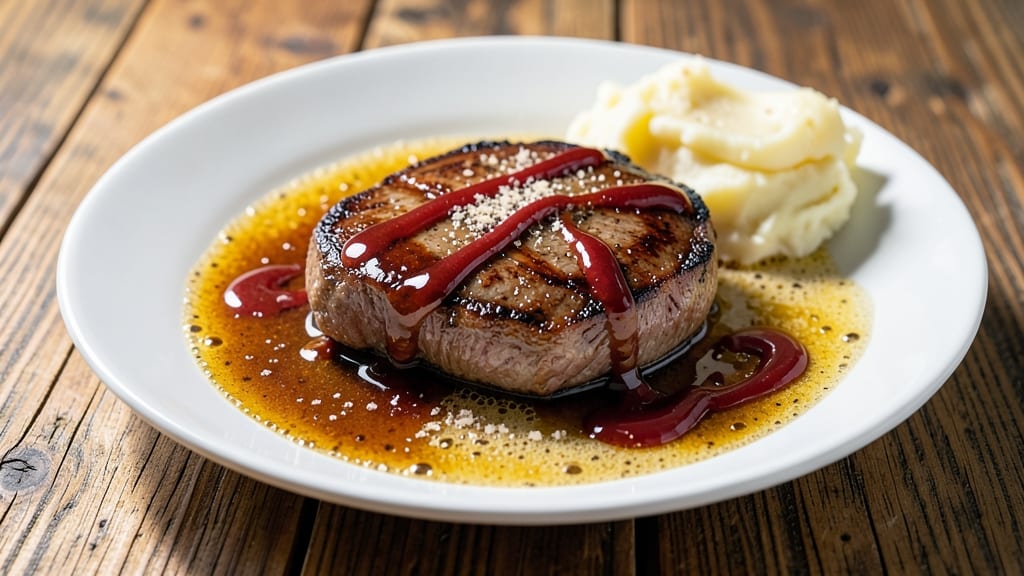
This brandy sauce recipe transforms simple ingredients into a rich, aromatic glaze that elevates roasts, seafood, and even desserts with professional flair. The key lies in balancing brandy's warmth with butter and cream, creating a velvety sauce that clings perfectly to every bite.
I developed this version after years of refining restaurant-style techniques at home—no shortcuts, just precise method and bold flavor.
The process is straightforward but requires patience as you simmer the sauce to achieve that signature depth. Butter forms the creamy base, while brandy adds complexity, and a touch of mustard prevents separation.
Seasoning with nutmeg and pepper enhances the sauce's warmth, making it versatile for both savory dishes and holiday desserts.
What you'll end up with is a glossy, golden sauce that's rich yet balanced—ideal for drizzling over roasted meats, mashed potatoes, or even vanilla ice cream. The aroma alone will transform your kitchen into a cozy dining experience. Once mastered, this sauce becomes a staple in your culinary repertoire.
Store leftovers in the refrigerator for up to two weeks, or freeze for longer preservation. Reheat gently on the stove, adding a splash of cream if needed to restore its silky texture. This versatile sauce proves that homemade can truly outshine store-bought every time.
Ingredients for brandy sauce
Six simple ingredients transform into a velvety glaze that makes everything taste special.
| Ingredient | Amount | Notes |
|---|---|---|
| Unsalted Butter 🧈 | ¾ cup | Cold, cubed for even melting |
| Brandy 🍷 | ½ cup | Good quality, 80-proof minimum |
| Heavy Cream 🥛 | 1 cup | Full-fat for richness |
| Dijon Mustard 🍯 | 1 tbsp | Prevents sauce separation |
| Granulated Sugar 🍚 | 2 tbsp | Balances brandy's bitterness |
| Ground Nutmeg 🌿 | ¼ tsp | Freshly grated preferred |
| Freshly Ground Black Pepper 🌶️ | ¼ tsp | Freshly cracked for flavor |
| Shallots 🧅 | 2 whole | Finely minced, or sub onion |
| Fresh Thyme Leaves 🌿 | 1 tbsp | Or 1 tsp dried thyme |
| Salt 🧂 | ½ tsp | Adjust to taste |
The brandy is the soul of this sauce—look for a good-quality bottle like Korbel or Christian Brothers at the liquor store. Fresh thyme and shallots add depth, but don't stress if you only have dried thyme or onions (just use half the amount). The butter matters too—European-style or grass-fed melts better and adds richness. I always buy extra because it's worth it for sauces like this. For the shallots, peel and finely mince them—smaller pieces mean better flavor distribution.
No brandy? Apple cider or apple juice works in a pinch, though the flavor will be milder. The Dijon mustard is non-negotiable—it keeps the sauce from breaking. If you're out, whole-grain mustard thinned with a splash of cream gets close. The nutmeg should be freshly grated for the best aroma (pre-ground loses potency fast). For a sweeter sauce, add another tablespoon of sugar. If you're making this ahead, the sauce actually improves overnight—just reheat gently with a splash of cream.
This sauce keeps beautifully in the fridge for up to 2 weeks in an airtight jar. For longer storage, freeze in 1-tablespoon portions—perfect for quick drizzling. To reheat, warm over low heat with a splash of cream or water to loosen it up. I always make extra because it disappears fast—great on roasted meats, mashed potatoes, or even drizzled over vanilla ice cream for dessert. The aroma alone makes your kitchen smell like a cozy restaurant.
Why You'll Love This Recipe
- Five-Ingredient Magic: I swear by this—just butter, brandy, cream, mustard, and sugar. That’s it. No fancy techniques, no last-minute store runs. The brandy simmers down to a rich aroma in minutes, and the mustard cuts through the creaminess for that perfect balance. Honestly, it’s the kind of sauce that makes me feel like I actually cooked something special, even when I didn’t.
- Warm Spice Hug: The moment that sugar and brandy hit the pan, my kitchen smells like a cozy holiday dinner. That deep, caramelized brandy flavor with the creamy richness? It’s like a warm embrace for your taste buds. I’ll be real: I’ve drizzled this over pancakes at 7 a.m. and roasted chicken at 7 p.m.—same sauce, always hits the mark.
- Holiday or Weeknight: Between us, this sauce works everywhere. Drizzle it over mashed potatoes for Thanksgiving, toss it with roasted veggies for a fancy dinner, or even stir it into oatmeal for a boozy breakfast. (Yes, even on a Tuesday night.) The best part? It’s already made in 15 minutes, so you’re not stuck in the kitchen when guests arrive.
- Leftovers That Don’t Suck: I make a double batch because this sauce tastes better the next day. The flavors meld into something even richer, and it reheats like a dream—just a quick warm on the stove with a splash of cream. No weird textures, no sad leftovers. Plus, it’s cheap to make; brandy goes a long way when you’re simmering it down. My secret weapon for stretching meals without breaking the bank.
Instructions for warm spiced brandy sauce
Here's the straightforward method for creating a velvety, aromatic glaze that elevates any holiday meal.
Melt Butter and Sauté Shallots
In a medium saucepan over medium heat, melt the 0.75 cup unsalted butter until it foams and begins to turn golden. Here's the thing—don't rush this step. You want the butter to melt evenly without browning, which would add bitterness to your sauce.
Once the butter is fully melted, add the 2 whole shallots that you've finely minced. Cook them gently for 5-6 minutes until they become translucent and just beginning to soften. You'll notice the aroma filling your kitchen—that's your cue they're ready. Be careful not to let them brown, as that would overpower the delicate flavor of the shallots.
Deglaze with Brandy and Add Seasonings
Pour in the 0.5 cup brandy and immediately stir to deglaze the pan. This step is where the magic happens—the alcohol will evaporate quickly, leaving behind concentrated flavor. Let the mixture simmer for 2-3 minutes until the brandy has completely reduced and the aroma is rich and inviting.
Now add the 1 cup heavy cream, 1 tbsp Dijon mustard, 2 tbsp granulated sugar, 0.25 tsp ground nutmeg, 0.25 tsp freshly ground black pepper, and 0.5 tsp salt. Stir everything together and bring the mixture to a gentle simmer. The sauce should begin to thicken slightly as it heats through. Here's what I do—reduce the heat to medium-low to prevent the sauce from curdling or boiling over.
Simmer Until Thick and Glossy
Let the sauce simmer gently for 10-12 minutes, stirring occasionally. You'll know it's ready when it coats the back of a spoon and has a beautiful, glossy sheen. The sauce should be thick enough to cling to roasts or coat mashed potatoes but still have a silky, velvety texture.
During this time, add the 1 tbsp fresh thyme leaves and stir them in. The thyme will infuse the sauce with its earthy aroma, adding depth to the flavor profile. Taste the sauce and adjust the seasoning if needed—you might want to add a pinch more salt or sugar to balance the flavors to your liking.
Strain and Serve Warm
Once the sauce reaches the perfect consistency, remove it from the heat. Here's the final touch—strain the sauce through a fine-mesh sieve into a clean saucepan to remove any thyme stems or shallot bits. This ensures a smooth, velvety texture that will impress your guests.
Keep the sauce warm until serving. It's perfect for drizzling over roasted meats, spooning over mashed potatoes, or even serving alongside fresh bread. The warm, spiced glaze will add a luxurious touch to any dish, making it feel like a special occasion meal.
Pro Tips For Making Brandy Sauce
- Melt Butter Slowly: I learned this the hard way—dumping cold butter into the pan and ending up with greasy lumps instead of a smooth sauce. Warm the butter over medium-low heat until it’s fully melted and just starting to foam, then add the brandy. This ensures the sauce emulsifies properly and doesn’t seize up later.
- Reduce Brandy First: Don’t just toss in the brandy and stir—let it reduce by half over medium heat before adding the cream. This deepens the flavor and cuts the alcohol bite, so your sauce doesn’t taste like a boozy punch. (Yes, even if you’re impatient like me.)
- Whisk Like You Mean It: The moment you add the cream, grab that whisk and don’t let up. A lazy stir means lumps, and nobody wants to scrape them out later. Keep it moving until the sauce thickens—about 3-4 minutes of steady whisking.
- Taste Before Sweetening: Skip the sugar until you’ve tasted the sauce without it. The brandy and Dijon already bring sweetness, and adding sugar too early can make the sauce taste flat. A pinch at the end balances acidity—no guessing.
Flavor customization for this dish
Sweet Heat Twist
Add 1 tsp chili flakes or ½ tsp cayenne pepper when you incorporate the thyme leaves. This creates a sweet-spicy contrast that pairs beautifully with roasted pork or duck. For balance, increase the sugar to 3 tbsp total—the caramelization will mellow the heat while enhancing the brandy's warmth. 🌶️
Citrus Zest Infusion
Zest 1 orange or lemon and add it with the shallots. The bright citrus cuts through the richness, making this sauce perfect for seafood like scallops or salmon.
After simmering, strain out the zest to avoid bitterness. I like adding 1 tsp orange liqueur (like Cointreau) with the brandy for extra depth.
Herb Variations
Swap thyme for rosemary (use 1 sprig) for an earthy, piney note that works well with lamb. For a more floral profile, add ½ tsp dried lavender when you incorporate the seasonings—it pairs surprisingly well with brandy's warmth. Always strain lavender thoroughly to avoid texture issues.
Creamy vs. Lightened
For a lighter version, reduce the cream to ½ cup and add ½ cup chicken or vegetable stock instead. This creates a thinner sauce perfect for drizzling over roasted vegetables. To keep richness, use European-style butter—it has higher fat content that won't compromise flavor.
Dessert Adaptation
Transform this sauce into a dessert glaze by adding ¼ cup honey with the sugar and 1 cinnamon stick during simmering. Strain out the cinnamon and drizzle over vanilla ice cream or pound cake. The brandy's warmth pairs beautifully with sweet treats, making this a showstopper for holiday desserts.
Spiced Rum Swap
Replace brandy with ½ cup spiced rum (like Captain Morgan) for a Caribbean-inspired twist. Add ½ tsp allspice with the nutmeg to enhance tropical flavors. This version works wonderfully with jerk-spiced meats or tropical fruits like mango. The rum's natural sweetness reduces the need for added sugar.
Nutrition facts
Frequently asked questions
Can I make this sauce without brandy?
Yes! Substitute ½ cup apple cider or apple juice for the brandy, though the flavor will be milder. For a deeper taste, use ½ cup spiced rum instead. The alcohol helps develop the sauce's rich flavor, so if skipping it, reduce simmering time by 2-3 minutes to prevent over-reduction.
How do I prevent the sauce from curdling?
Keep the heat at medium-low throughout simmering and never let it boil vigorously. The Dijon mustard helps stabilize the sauce, but if it starts to separate, whisk in 1 tablespoon cold butter or 1 tablespoon heavy cream to restore its velvety texture. Stirring constantly also prevents lumps.
What’s the best way to store leftover sauce?
Transfer to an airtight container and refrigerate for up to 2 weeks. For longer storage, freeze in 1-tablespoon portions—ideal for quick drizzling. To reheat, warm gently on the stove with a splash of cream or water to loosen it. Never microwave, as it can break the emulsion.
Can I use this sauce for desserts?
For a dessert version, add ¼ cup honey with the sugar and a cinnamon stick during simmering. Strain out the cinnamon and drizzle over vanilla ice cream, pound cake, or warm apple slices. The brandy's warmth pairs beautifully with sweet flavors, creating a sophisticated finish.
Why does my sauce taste bitter?
Overcooking or browning the shallots can add bitterness. To fix it, balance with 1 extra tablespoon of sugar or a pinch of salt. For future batches, sauté shallots gently for 5-6 minutes until translucent, then immediately deglaze with brandy. If the sauce still tastes off, strain it again to remove any overcooked bits.