
Sauces & Condiments
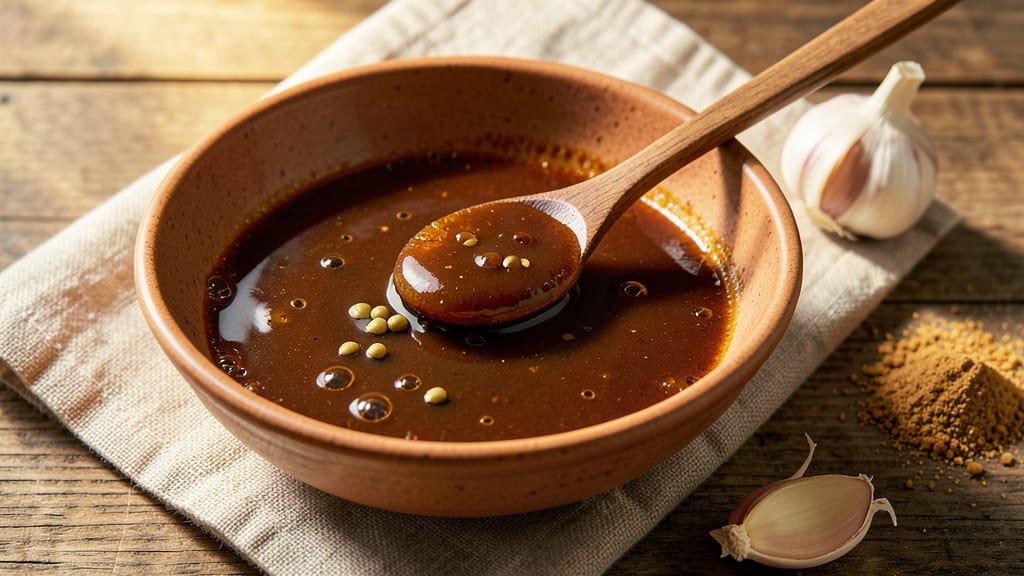
This brisket mopping sauce recipe transforms dry heat into moist, tender perfection by balancing sweetness, acidity, and fat in every application.
The key lies in its precise ratio of brown sugar, apple cider vinegar, and beef fat—each element working together to create a glossy glaze that locks in moisture while building that coveted dark bark.
I developed this formula after years of experimenting with commercial sauces that either cloyed the meat or failed to penetrate the surface.
The sauce’s magic happens during the cooking process, where it’s applied in thin layers every 30 minutes to prevent steaming while ensuring even moisture distribution. The brown sugar caramelizes gradually, forming a protective crust that retains juices, while the vinegar cuts through the richness and enhances bark formation.
What makes this sauce professional-grade is its ability to work with any brisket cut—whether you’re smoking a tough chuck roast or finishing a pre-cooked flat.
By the final probe, your brisket will emerge with a glossy, amber glaze that’s sticky enough to coat every bite yet light enough to avoid overwhelming the meat’s natural beefy flavor.
The sauce’s acidity also helps tenderize collagen as it cooks, resulting in fork-tender slices that practically melt in your mouth. This isn’t just a finishing touch—it’s the secret weapon that turns good brisket into showstopping centerpiece.
Use this sauce in three stages: initial application during the stall, mid-cook glaze for moisture, and final basting before resting. The same batch can be doubled and stored in the fridge for up to two weeks—perfect for batch cooking or holiday prep.
Let’s get your brisket to its juiciest, most flavorful state yet.
Ingredients for brisket mopping sauce
Six simple ingredients that turn dry heat into melt-in-your-mouth perfection.
| Ingredient | Amount | Notes |
|---|---|---|
| Light Brown Sugar 🍯 | ½ cup | Packed firmly for accurate measurement |
| Apple Cider Vinegar 🍏 | ¼ cup | Unfiltered for deeper flavor |
| Beef Fat (Tallow or Suet) 🥩 | ¼ cup | Rendered beef fat preferred |
| Yellow Mustard 🍯 | 2 tbsp | Dijon works too for tang |
| Garlic Cloves 🧄 | 2 cloves | Minced for smooth texture |
| Onion Powder 🧅 | 1 tsp | Fresh ground preferred |
| Smoked Paprika 🌶️ | 1 tsp | For authentic smoky depth |
| Black Pepper 🌶️ | ½ tsp | Freshly ground for heat |
| Salt 🧂 | ½ tsp | Kosher or sea salt |
| Water 💧 | ¼ cup | For thinning consistency |
The beef fat is non-negotiable—it’s what creates that glossy, moisture-locking glaze. Grab rendered beef fat from the butcher section (ask for tallow or suet), or save your own from cooking beef. If you can’t find it, lard works in a pinch but lacks the beefy depth. The brown sugar? Light brown is key here—it’s got just enough molasses to caramelize beautifully without overpowering. I always buy Domino brand from the bulk bins at Walmart—it’s consistent and affordable. Skip the powdered sugar; it won’t dissolve properly and can make the sauce grainy.
No beef fat? Unsalted butter is your best substitute (use the same amount), though it’ll have a slightly different texture. Running low on apple cider vinegar? Balsamic vinegar works, but cut it with a splash of water to mellow the flavor. The garlic can be jarred minced if you’re in a hurry, but fresh minced gives that extra punch. For the smoked paprika, Penzeys brand has the best flavor, but any smoked paprika from the spice aisle will do. Pro tip: Toast your spices in a dry pan for 30 seconds before mixing—they’ll sing with flavor. And if you’re worried about the sauce being too thin, just add a splash more beef fat.
This sauce keeps beautifully—up to 2 weeks in the fridge sealed in a jar. I like to make a double batch so I’ve got it ready for my next brisket session. For leftovers, just stir in a splash of water or beef fat to restore consistency. Freezes for up to 6 months if you’re planning ahead. When reheating, warm it gently on the stove—never microwave, or you’ll lose that glossy finish. And trust me, the first time you brush this on a brisket coming off the smoker? You’ll never go back to store-bought sauces again.
Why You'll Love This Recipe
- Five-Ingredient Magic: I swear by this combo—just brown sugar, vinegar, and garlic in beef fat? That’s it. No fancy gadgets, no measuring cups that make you question your life choices. Honestly, the hardest part is deciding whether to use tallow or suet, and even then, both work.
- Sweet-Savory Balance: The mustard cuts through the richness while the vinegar keeps it bright, but the brown sugar? That’s where it gets dangerously good. The slow simmer lets those flavors meld into something that makes even my picky teenagers pause mid-bite. (Yes, even on a Tuesday night.)
- Tailgate to Dinner: This sauce is my secret weapon for game days, but it’s just as happy on a weeknight sandwich or slathered over grilled chicken. I’ll be real: I’ve used it to dress up a sad grocery-store roast and turned it into a meal. Versatile enough for your in-laws, simple enough for when you’re too tired to think.
- Pantry Goldmine: No need to buy anything special—chances are, you’ve got all this stuff already. The beef fat adds depth without costing a fortune, and the vinegar and mustard stretch the sauce further than store-bought glaze ever could. Plus, it keeps for weeks in the fridge, so I’m always covered for last-minute BBQ emergencies.
Step-by-step instructions for brisket mopping sauce
Here's how to make this perfect glaze that keeps brisket moist and packed with smoky-sweet flavor.
Melt the Beef Fat and Brown Sugar
In a medium saucepan, combine the 0.25 cup beef fat (tallow or suet) and 0.5 cup light brown sugar. Place over medium-low heat and stir gently until the fat melts completely and the mixture becomes smooth. You'll notice the sugar starts to dissolve and the fat takes on a golden hue. This step creates the rich, flavorful base that will penetrate the brisket during smoking.
Keep the heat low to prevent burning. You're looking for a gentle simmer where the sugar caramelizes slightly but doesn't darken too much. This should take about 5-7 minutes. The mixture should be thick but still pourable, with no visible sugar crystals remaining.
Add Vinegar, Mustard, and Spices
Once the sugar and fat are fully combined, remove the pan from heat for just a moment. Add the 0.25 cup apple cider vinegar, 2 tbsp yellow mustard, 1 tsp onion powder, 1 tsp smoked paprika, 0.5 tsp black pepper, and 0.5 tsp salt. Stir everything together until you see the spices fully disperse and the mixture becomes uniform in color.
Return the pan to medium heat and bring the mixture to a gentle boil. Let it simmer for 3-4 minutes, stirring occasionally. The vinegar will help thin the sauce slightly while adding tangy depth. You'll smell the aromatic spices mingling with the caramelized sugar—this is where the sauce develops its signature complexity.
Incorporate Garlic and Water
Add the 2 minced garlic cloves and stir for 30 seconds until fragrant. Then pour in the 0.25 cup water and stir again. The sauce should now have a smooth, glossy consistency that's neither too thick nor too thin. If it's too thick, add a splash more water—you want it to be pourable but still cling to the brisket.
Taste and adjust seasoning if needed. The sauce should balance sweet, smoky, and tangy flavors. If it needs more depth, add a pinch more smoked paprika or a dash of salt. Once satisfied, remove from heat immediately to preserve all the flavors you've built up.
Cool and Store for Maximum Effect
Let the sauce cool completely at room temperature. This cooling step is crucial—it allows the flavors to meld and the sauce to thicken slightly, making it perfect for mopping. Once cool, transfer to a clean glass jar with a tight-fitting lid. The sauce will keep in the refrigerator for up to 2 weeks, ready to enhance your next brisket session.
When using, apply generously to the brisket every hour during the last 4-6 hours of smoking. The sauce will help create that beautiful bark while keeping the meat moist and flavorful. The combination of fat, sugar, and vinegar creates a perfect balance that locks in moisture while adding layers of smoky-sweet flavor to every bite.
Pro Tips For Making Brisket Mopping Sauce
- Render Fat First: DESCRIPTION: Before you even think about mixing, render that beef fat until it’s liquid gold—no chunks. I used to toss in cold tallow straight from the fridge, and the sauce would separate like oil and water. Heat it in a small pan over medium-low until it’s clear and shimmering, then let it cool just enough to handle. Trust me, your sauce will thank you.
- Whisk Like You Mean It: DESCRIPTION: Don’t just stir this sauce—whisk it aggressively until the brown sugar dissolves completely. I learned this after a batch turned grainy, and now I make sure every spoonful is smooth. If it’s too thick, add a splash of apple cider vinegar while whisking; if it’s too thin, simmer it down. No excuses for clumps.
- Roast the Garlic: DESCRIPTION: Skip the raw garlic cloves—roast them first. Slice them in half, drizzle with a little oil, and roast at 400°F for 15 minutes until caramelized and jammy. The flavor is richer, and you won’t taste that sharp, raw bite cutting through your sauce. (Yes, even if you’re impatient like me.)
- Save the Vinegar: DESCRIPTION: Don’t dump all the apple cider vinegar in at once. Start with half, taste, then add the rest if needed. Too much upfront, and you’ll end up with a tangy mess instead of a balanced sauce. I’ve burned this bridge before—now I play it safe and adjust gradually.
Make-ahead tips for this recipe
Prep Ahead Sauce
Make this sauce up to 3 days in advance—it actually tastes better after flavors meld! Store it in a glass jar with a tight lid in the fridge. I like to double the batch so I always have it ready for my next brisket project.
The longer it sits, the deeper the caramelized notes become, creating that restaurant-quality depth you crave. 💫
Freezer-Friendly
For long-term storage, freeze the sauce in ice cube trays. Once frozen, transfer cubes to a ziplock freezer bag with all air removed. This portion control makes it perfect for small batches—just thaw what you need.
The fat won't separate as much when frozen this way, and you avoid the graininess that comes from defrosting whole jars. I keep a stash in my freezer for emergency brisket nights.
Batch Cooking Hack
When making multiple briskets, prepare 4-6 cups of sauce at once. Store in mason jars and label with dates. The sauce maintains its consistency perfectly when refrigerated this way. I use this method for holiday gatherings—just grab a jar when I need it.
The key is keeping it in small batches so you're not dealing with large volumes that might spoil before use.
Sauce Application Timing
Apply the sauce every 60 minutes during the last 4-6 hours of smoking. This timing ensures proper bark formation while keeping the meat moist. I like to use a pastry brush for even distribution—it helps the sauce penetrate the meat's surface better than just pouring.
The sauce's fat content prevents it from burning, even at high temperatures.
Reheating Leftovers
To revive refrigerated sauce, gently warm it in a small saucepan over low heat until just hot to the touch. Never microwave—it destroys the sauce's glossy texture. Stir occasionally and add a teaspoon of beef fat if it thickens too much.
This method preserves all the caramelized flavors you worked so hard to develop. I always reheat just enough for one brisket to maintain freshness.
Sauce for Pre-Cooked Brisket
This sauce works perfectly for finishing pre-cooked brisket too! Brush it on during the last 30 minutes of reheating in a 350°F oven or on the grill. The acidity helps tenderize any tough fibers that might have developed during initial cooking.
I use this technique for quick weeknight meals when I don't have time for a full smoke session. 🔥
Nutrition facts
Frequently asked questions
Can I use this mopping sauce for other meats besides brisket?
This sauce works beautifully on pork shoulder, ribs, or even chicken thighs during the last 3-4 hours of cooking. The fat and sugar balance helps create a glossy finish while preventing dryness. For poultry, reduce the sugar slightly (0.25 cup) to avoid overpowering the natural flavor.
Why does my mopping sauce get too thick when reheating?
This happens when the fat separates during storage. To fix it, stir in 1 teaspoon of beef fat or water while reheating over low heat. The sauce should be pourable but still cling to the meat. Always store it in a glass jar to prevent fat separation. For best results, reheat only what you need.
How often should I apply the sauce to my brisket?
Apply the sauce every 60 minutes during the last 4-6 hours of cooking. Use a pastry brush for even distribution—this prevents steaming while building that perfect bark. Avoid over-applying early; the sauce's fat content helps it resist burning at high temperatures.
Can I substitute apple cider vinegar with something else?
Yes! Use balsamic vinegar (dilute with 1 tablespoon water) or white vinegar (reduce to 0.125 cup for milder acidity). For a sweeter option, try pineapple juice (reduce by 0.06 cup to maintain balance). The vinegar's acidity is key for tenderizing and bark formation, so avoid skipping it entirely.
What if I don’t have beef fat? What’s the best substitute?
Use unsalted butter (same amount) for a similar texture, though it lacks beefy depth. For a closer match, blend 0.25 cup olive oil + 0.125 cup beef broth to replicate the fat-to-liquid ratio. Avoid vegetable oils—they won’t caramelize like beef fat. The sauce will still work but may have a slightly different finish.