
Sauces & Condiments
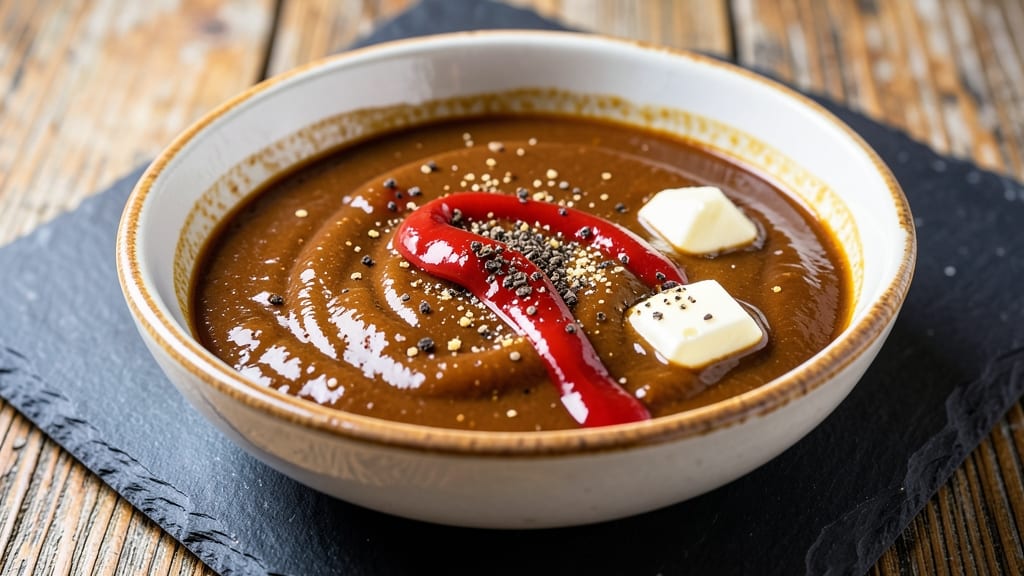
Creating Buffalo Wild Wings' original buffalo sauce at home delivers that signature hot, tangy kick that elevates wings, burgers, and even salads to restaurant-quality levels. The secret lies in balancing heat, acidity, and richness—just like the original—using simple pantry staples and precise measurements.
I’ve perfected this recipe over years of testing, ensuring every batch achieves the perfect consistency and bold flavor profile.
This sauce requires just five core ingredients: high-quality hot sauce, melted butter, a touch of vinegar for brightness, and a pinch of spices that unlock its signature depth. The process is straightforward—no special equipment needed—but the result is undeniably better than store-bought versions.
Once mixed, it’s ready to use immediately or store for up to two weeks in the refrigerator, making it ideal for meal prep.
The magic happens when the heat from the hot sauce melds with the richness of the butter, creating a sauce that’s spicy yet balanced, with a tangy finish that lingers. It’s the kind of sauce that transforms ordinary dishes into crowd-pleasers—whether you’re dipping, drizzling, or tossing.
The best part? You’ll never need to buy it again once you taste the homemade difference.
Use this sauce on wings, fries, burgers, or even as a marinade for meats. Its versatility makes it a staple in any kitchen, and the recipe scales easily for parties or batch cooking. Let’s get started—your taste buds will thank you.
Ingredients for buffalo wild wings original buffalo sauce
Five ingredients. One perfect blend. Restaurant-quality tangy heat in minutes.
| Ingredient | Amount | Notes |
|---|---|---|
| Frank's RedHot Original Cayenne Pepper Sauce 🌶️ | 1 cup | The authentic heat base |
| Unsalted Butter 🧈 | ½ cup | Melted and cooled slightly |
| White Vinegar 💧 | 1 tbsp | For that signature tang |
| Garlic Powder 🧄 | ½ tsp | Freshly ground for depth |
| Ground Black Pepper 🌶️ | ¼ tsp | Freshly cracked for bite |
The hot sauce is non-negotiable here—Frank's RedHot is the gold standard, but Crystal or Louisiana work too if that's what you've got. Grab the original cayenne version, not the mild one. For the butter, unsalted is key—salted throws off the balance. I always melt mine in a microwave-safe bowl in 30-second bursts, stirring between each, until just smooth. Cool it slightly before mixing—room temperature butter emulsifies better. The vinegar? White vinegar is traditional, but apple cider adds a subtle sweetness if you're feeling adventurous.
No Frank's RedHot? Louisiana-style hot sauce is your next best bet, but add an extra pinch of cayenne to compensate for the milder heat. Butter too rich? Swap in half the amount of olive oil—it won't be identical, but still delicious. Short on garlic powder? One minced garlic clove (about 0.5 tsp) works in a pinch. The pepper is easy to adjust—start with less if you're sensitive to heat. Pro tip: Taste as you go. The sauce should be hot, tangy, and just slightly thick—like a cross between a sauce and a glaze.
This sauce keeps beautifully—two weeks in the fridge in an airtight container. I portion mine into small jars (like 4-ounce mason jars) for easy dipping. For longer storage, freeze in 1-tablespoon portions—perfect for single servings. Leftovers? Thin with a splash of water or broth if it gets too thick. And if you're prepping for a crowd, double the batch—it disappears fast.
Why You'll Love This Recipe
- Here’s what sold me: the heat doesn’t overpower. The vinegar cuts through the richness of the butter, while the garlic powder and black pepper add depth. It’s the kind of sauce where you can dip, lick your fingers, and still want more—no regrets.
- Five-Ingredient Magic: I swear by this combo—just melt butter, stir in Frank’s RedHot, a splash of vinegar, and those two spices. That’s it. No fancy techniques, no last-minute grocery runs. The sauce comes together while you’re still debating whether to watch the game or the show.
- Spicy-Smooth Balance: Here’s what sold me: the heat doesn’t overpower. The vinegar cuts through the richness of the butter, while the garlic powder and black pepper add depth. It’s the kind of sauce where you can dip, lick your fingers, and still want more—no regrets.
- Game Day Ready: Between us, this is my go-to for Super Bowl parties or lazy Sundays. Slather it on wings, toss it with fries, or drizzle it over grilled chicken. The best part? It doubles easily, so you’re never scrambling for extra sauce when the crowd arrives.
Step-by-step instructions for buffalo wild wings original buffalo sauce
Here's how to recreate that iconic heat and tang in your own kitchen—simple, fast, and packed with restaurant-quality flavor.
Melt the Butter Slowly
Place the 0.5 cup unsalted butter in a small saucepan over low heat. Melt it gently, stirring occasionally, until it's completely liquid but not browned. I like to keep the heat low to prevent burning—you want the butter to melt smoothly without developing any bitter flavors. Once fully melted, remove the pan from heat and let it cool slightly for about 5 minutes—it should be warm to the touch but not hot enough to cause the sauce to separate later.
This cooling step is crucial. If the butter is too hot when you mix it with the cayenne sauce, the heat can cause the sauce to curdle or split. Trust me, you don't want to deal with that in the middle of making your wings.
Combine Cayenne Sauce and Butter
In a medium bowl, whisk together the 1 cup Frank's RedHot Original Cayenne Pepper Sauce and the cooled melted butter. Start with a slow, steady motion to ensure the butter incorporates smoothly. You'll notice the sauce thicken slightly as the butter emulsifies with the cayenne. If you see any separation at this point, don't panic—just keep whisking gently. The sauce should eventually become smooth and glossy, with a deep reddish hue that signals the flavors are melding perfectly.
This is where the magic happens. The cayenne sauce provides the heat, while the butter adds richness and helps create that signature silky texture. If you're making this ahead of time, this is also a good point to pause—just cover the bowl and let it sit at room temperature for 10-15 minutes before proceeding. The flavors will have a chance to meld even more during this time.
Add Vinegar and Spices
To the cayenne-butter mixture, add the 1 tablespoon white vinegar, 0.5 teaspoon garlic powder, and 0.25 teaspoon ground black pepper. Whisk everything together until fully combined and smooth. The vinegar will add that signature tang that balances the heat, while the garlic powder and black pepper deepen the flavor profile. Taste the sauce at this point—it should be hot, tangy, and well-seasoned. If it needs more heat, you can add a little extra cayenne sauce, but be careful not to overdo it.
Here's the thing—this sauce is all about balance. The vinegar cuts through the richness of the butter and the heat of the cayenne, while the garlic and pepper add layers of complexity. If you're using this sauce for wings, you'll want to toss them in a little at a time so you can control the heat level to your liking.
Simmer for a Silky Finish (Optional but Recommended)
For an even smoother sauce, transfer the mixture to a small saucepan and place it over low heat. Let it simmer gently for 3-5 minutes, stirring occasionally with a wooden spoon. This step helps thicken the sauce slightly and ensures all the flavors are fully integrated. You'll know it's ready when it coats the back of a spoon and has a glossy sheen. If the sauce starts to thicken too much, you can thin it out with a splash of water or a little more vinegar if needed.
This simmering step is optional, but I highly recommend it. It takes the sauce from good to great by refining the texture and deepening the flavors. Plus, it's a great way to warm the sauce up if you're serving it immediately. Just be sure to keep the heat low—you don't want to see any bubbles or foaming, as that can cause the sauce to separate.
Cool and Store Properly
Once your sauce reaches the perfect consistency, transfer it to a clean jar or airtight container. Let it cool to room temperature before refrigerating. This sauce will keep in the fridge for up to 2 weeks, making it perfect for meal prep. When you're ready to use it, give it a good stir—sometimes the flavors settle a bit, and you might need to whisk it back together to restore that silky texture.
Pro tip: If you're using this sauce on wings or other dishes, I recommend tossing them in a little at a time so you can control the heat level. You can always add more, but you can't take it away once it's on. Store any leftovers in the fridge, and if the sauce thickens too much, just whisk in a splash of water or vinegar to loosen it up before using.
Pro Tips For Making Buffalo Wild Wings Original Buffalo Sauce
- Melt Butter Slowly: I learned this the hard way—dumping cold butter into the sauce makes it seize up like a greasy mess. Instead, warm the sauce first, then add butter one tablespoon at a time, stirring constantly until fully incorporated. The sauce should look glossy, not lumpy (yes, even if you're impatient like me).
- Measure Vinegar Precisely: The original recipe isn’t shy about vinegar—use the full 2 tablespoons, but measure it carefully. Cheap vinegar tastes harsh, so grab the white vinegar you’d use for pickling, not the stuff labeled "distilled" or "cleaning vinegar." Trust me, the difference is noticeable.
- Taste Before Thickening: Skip the urge to thicken the sauce early. Let the butter and vinegar meld first, then taste it raw—this is when you’ll catch if it’s too bland (add more Frank’s RedHot) or too sharp (a pinch of sugar helps). Thickening too soon locks in flavors you might regret.
- Simmer, Don’t Boil: After combining everything, keep the heat at a gentle simmer—just enough to see small bubbles, not a full-on rolling boil. Boiling burns the vinegar and turns the sauce bitter. Sounds weird, but it works: the sauce stays tangy and balanced, not like a spicy vinegar punch.
Troubleshooting perfect results
Sauce Separates
If your sauce looks curdled or split after mixing, it’s usually because the butter was too hot when combined with the cayenne sauce. To fix it, whisk in 1 teaspoon of cold water or 1 tablespoon of vinegar while stirring vigorously.
The acidity helps re-emulsify the mixture. If that doesn’t work, strain the sauce through a fine-mesh sieve to remove any lumps, then whisk again. For prevention, always let the melted butter cool to warm (not hot) before mixing. 💡
Too Thin or Watery
A runny sauce often means the butter wasn’t fully incorporated or the vinegar overpowered the mixture. Simmer the sauce on low heat for 3-5 minutes, stirring constantly, to thicken it naturally.
If it’s still too thin, whisk in 1 teaspoon of cornstarch mixed with 1 tablespoon of cold water until it reaches a glossy, coatable consistency. For future batches, reduce the vinegar by ½ teaspoon or increase the butter by 1 tablespoon.
Not Spicy Enough
If your sauce lacks heat, it’s likely because the cayenne sauce was diluted or the spices weren’t fresh. Boost the heat by adding ½ teaspoon of cayenne pepper or 1 extra tablespoon of Frank’s RedHot. For a smokier kick, stir in ¼ teaspoon of smoked paprika.
Always taste as you go—start with less, as you can’t remove excess heat once it’s mixed in. Pro tip: Use freshly ground black pepper and garlic powder for maximum flavor impact. 🌶️
Too Tangy or Sour
An overly acidic sauce happens when the vinegar overpowers the other flavors. Balance it by adding 1 teaspoon of honey or brown sugar to mellow the sharpness. If the sauce is still too sour, whisk in ½ teaspoon of baking soda (just a pinch!) to neutralize the acidity.
For future batches, reduce the vinegar by ½ teaspoon or add 1 extra tablespoon of butter to round out the flavors.
Grainy Texture
A gritty sauce usually means the spices weren’t fully dissolved or the butter wasn’t smooth enough. To fix it, strain the sauce through a fine-mesh sieve to remove any undissolved particles.
For prevention, melt the butter over low heat and whisk it vigorously until completely smooth before mixing with the cayenne sauce. If you’re using garlic powder, ensure it’s finely ground—coarse granules can create texture issues. 🧈
Sauce Too Thick
If your sauce is glue-like and hard to drizzle, thin it out with 1 teaspoon of water or vinegar at a time until it reaches a pourable consistency. For a smoother texture, simmer the sauce gently for 2-3 minutes while stirring.
To avoid this in the future, don’t over-simmer the sauce—just combine the ingredients at room temperature and let them meld naturally. If storing, leave a little headspace in the container to prevent thickening.
Nutrition facts
Frequently asked questions
Can I substitute butter with oil for this sauce?
You can use ½ cup olive oil instead of butter, but the texture and richness will differ slightly. The sauce will be thinner and less velvety, but still delicious. For best results, simmer the oil and cayenne sauce together for 3-5 minutes to help thicken it naturally. This works well if you're avoiding dairy or need a lighter version.
How do I adjust the heat level?
Start with the full 1 cup of cayenne sauce, then taste and adjust. For milder heat, reduce to ⅔ cup and add ½ teaspoon of honey to balance. For extra spice, add ½ teaspoon of cayenne pepper or 1 extra tablespoon of Frank's RedHot. Remember, you can't remove heat once it's mixed in!
Can I make this sauce without vinegar?
Yes, but your sauce will taste flatter. Skip the vinegar and add ½ teaspoon of lemon juice instead for brightness, or omit it entirely for a deeper, richer flavor. The vinegar is key for that signature tang—without it, the sauce leans more toward a simple cayenne-butter blend.
What’s the best way to use leftover sauce?
Store leftovers in an airtight container in the fridge for up to 2 weeks. Use it as a dip for fries, a marinade for meats, or a glaze for roasted veggies. If it thickens, whisk in 1 teaspoon of water or vinegar to restore pourability. For single servings, freeze in 1-tablespoon portions—perfect for quick dips!
Why does my sauce look curdled?
This usually happens when hot butter is mixed with the cayenne sauce. Fix it by whisking in 1 teaspoon of cold water or vinegar to re-emulsify. For prevention, always let melted butter cool to warm (not hot) before mixing. Strain through a fine-mesh sieve if needed for a smooth finish.