
Sauces & Condiments
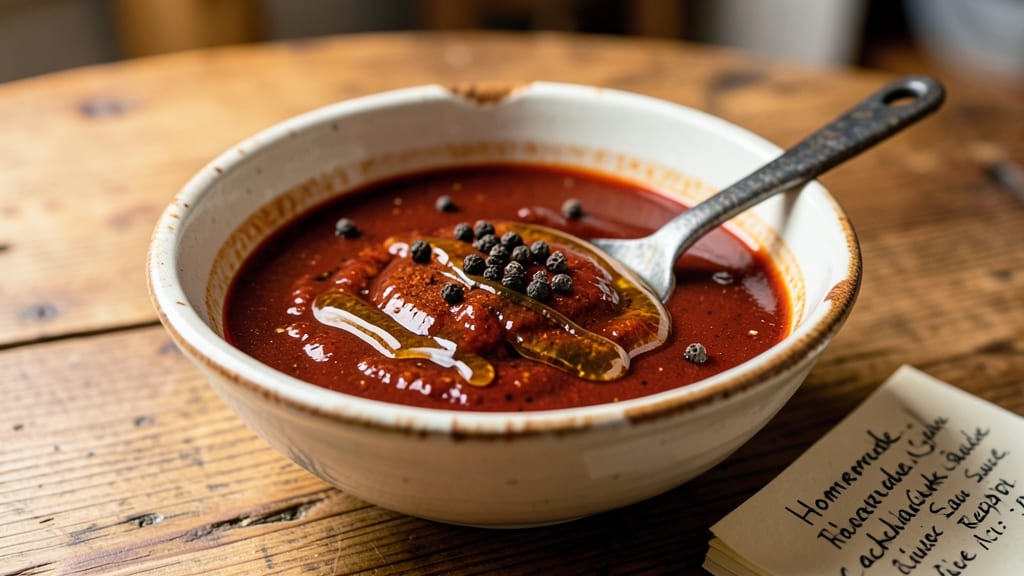
This Cackalacky sauce recipe delivers the perfect balance of smoky, tangy, and slightly sweet flavors that elevate fried chicken, wings, or even as a bold dip.
The secret lies in slow-simmering tomatoes, vinegar, and a blend of spices that create a sauce with depth and complexity—something you won’t find in store-bought versions. I developed this recipe after years of perfecting the right ratio of acidity to sweetness, ensuring every bite is bold yet refined.
The foundation of great Cackalacky sauce is patience—letting the tomatoes break down over low heat while the vinegar sharpens the flavor profile. A touch of cayenne or hot sauce adds optional heat, but the real magic happens when the smoky undertones from the spices meld with the tangy base.
This sauce isn’t just for wings; it transforms fried chicken, fries, or even grilled meats into something unforgettable.
What you’ll end up with is a rich, glossy sauce that clings perfectly to food, offering a perfect mix of tang, sweetness, and a hint of smokiness. The texture is just thick enough to coat without being heavy, making it versatile for dipping, drizzling, or basting.
Once you taste this homemade version, you’ll never go back to bottled sauces again.
Store it in the fridge for up to one week, or freeze for longer shelf life. Double the batch—this sauce disappears faster than you can say "wing night." Ready to make the best Cackalacky sauce you’ve ever tasted? Let’s get started.
Ingredients for cackalacky sauce
Eight bold ingredients transform into the ultimate tangy, smoky Cackalacky sauce for wings and more.
| Ingredient | Amount | Notes |
|---|---|---|
| Canned Tomato Sauce 🍅 | 2 cups | High-quality, no salt added preferred |
| White Vinegar 💧 | ½ cup | Distilled white vinegar works best |
| White Sugar 🍚 | ¼ cup | Granulated or light brown sugar |
| Smoked Paprika 🌶️ | 2 tbsp | For authentic smoky flavor |
| Garlic Powder 🧄 | 1 tbsp | Freshly ground preferred |
| Onion Powder 🧅 | 1 tbsp | Adds depth of flavor |
| Ground Black Pepper 🌶️ | 1 tsp | Freshly cracked for best taste |
| Cayenne Pepper 🔥 | ½ tsp | Adjust for desired heat level |
| Salt 🧂 | 1 ½ tsp | Kosher or sea salt preferred |
| Hot Sauce 🌶️ | 1 tbsp | Optional, for extra kick |
The tomato sauce is your flavor foundation—Muir Glen or Rao's are my go-tos for that rich, unadulterated taste. Vinegar is where the magic happens: white vinegar cuts through the sweetness beautifully, but apple cider vinegar adds a fruity twist if you're feeling adventurous. For the smoky depth, Penzeys smoked paprika is worth the splurge, but the regular grocery store stuff works too. The garlic and onion powders? Don't skimp—these build the sauce's complexity. I always double-check the spices are fresh (no dusty jars here!), because stale spices turn this sauce flat.
No smoked paprika? Liquid smoke at half the amount gets you close, though it's a bit more intense. Running low on vinegar? Lemon juice works in a pinch, but you'll lose that signature tang. Sugar substitute? Honey or maple syrup adds moisture and depth. The cayenne is optional but recommended—start with half and add more if you're brave. For heat lovers, Frank's RedHot is my hot sauce of choice, but any quality brand works. Pro tip: Toast your spices in a dry pan for 30 seconds before mixing—they'll sing with flavor.
This sauce tastes even better the next day as flavors meld. Store in an airtight container in the fridge for up to one week, or freeze for up to 6 months. I make a double batch every time—it disappears fast. For serving, warm gently on the stove or microwave until just heated through. Perfect for wings, chicken, fries, or even as a bold dip for veggies. The glossy finish? That's the sign of a sauce that's ready to shine.
Why You'll Love This Recipe
- Pantry Magic: I swear by this—no fresh herbs, no last-minute grocery runs. Just open a can of tomato sauce, grab vinegar and sugar from your cupboard, and boom. That smoky paprika? It’s the secret that turns this into something special without extra effort.
- Sweet-Smoky Kick: Honestly, the balance here is next-level. The sugar cuts the acidity from the vinegar, while the smoked paprika adds this deep, almost charred warmth. It’s tangy, it’s sweet, it’s got layers—like a little flavor party in your mouth.
- Game for Any Meal: Between us, this sauce is my go-to for fried chicken, grilled sausages, or even tossing with pasta when I’m lazy. It’s the kind of thing that works for a casual Sunday brunch or a last-minute weeknight dinner. (Yes, even on a Tuesday night.)
- Budget-Friendly Staple: I make a big batch and keep it in the fridge—it lasts forever, costs pennies, and always saves me when I’m low on ideas. Plus, the leftovers? Just as good the second time around, if not better. That’s my kind of recipe.
Step-by-step instructions for smoky tomato and vinegar base
This tangy, smoky sauce comes together in minutes with bold flavors perfect for wings.
Combine the Base Ingredients
In a medium saucepan over medium heat, pour in the 2 cups canned tomato sauce and 0.5 cup white vinegar. Stir gently to combine - you want to avoid any scorching at the bottom. Here's the thing - the vinegar will make the sauce bubble vigorously, so keep your hand away from the steam.
Let the mixture simmer uncovered for 5-7 minutes until it begins to thicken slightly. You'll notice the aroma intensify as the acidity cuts through the tomato's natural sweetness. This initial simmer helps integrate the flavors before we add the dry ingredients.
Add Spices and Sweeteners
Reduce the heat to low and sprinkle in the 2 tbsp smoked paprika, 1 tbsp garlic powder, 1 tbsp onion powder, and 0.25 cup white sugar. Stir constantly for 2-3 minutes until the sugar dissolves completely and the spices bloom their aromatic oils.
The smoked paprika is where the magic happens - it gives that signature Carolina BBQ flavor. Don't rush this step - you want those spices to fully disperse and create a smooth, flavorful base. The sugar helps balance the acidity while adding subtle caramelization.
Season and Finish
Add the 1.5 tsp salt, 1 tsp ground black pepper, 0.5 tsp cayenne pepper, and 1 tbsp hot sauce. Stir well to combine all ingredients thoroughly. Here's the moment that matters: taste the sauce now before it thickens further.
Let the sauce simmer uncovered for another 8-10 minutes until it reaches your desired consistency. You're looking for a thick, glossy sauce that coats the back of a spoon. If it thickens too much, you can always thin it later with a splash of water or vinegar.
Adjust and Serve
Remove from heat and let the sauce cool slightly. This resting period allows all the flavors to meld together perfectly. Taste again and adjust seasoning if needed - you might want to add a pinch more salt or cayenne depending on your preference.
This smoky tomato and vinegar base makes an amazing sauce for wings, but it also works wonderfully as a marinade or dipping sauce. The balance of sweet, smoky, and tangy flavors creates depth that will elevate any dish you pair it with.
Pro Tips For Making Cackalacky Sauce
- Simmer Slow and Steady: Cackalacky sauce isn’t a race—after adding vinegar and sugar, let it bubble gently for at least 15 minutes. I used to crank the heat and end up with a sharp, vinegary mess. Low and slow lets the flavors meld without burning the sugar or making the sauce taste like you dumped in a whole bottle of pickling liquid.
- Use Real Garlic Powder: Not all garlic powder is created equal. The cheap stuff tastes like sawdust. For this sauce, grab a small jar of smoked garlic powder if you can—it adds depth without overpowering. If you’re stuck with regular, toast it in a dry pan for 30 seconds first to wake up the flavor.
- Balance the Vinegar: Start with half the vinegar called for, taste, then add more. That’s right—measure it in the pot, not the cup. Vinegar’s job is to brighten, not dominate. If you dump it all in first, you’ll regret it when the sauce tastes like a pickle jar exploded.
- Skip the Pre-Mixed Spices: Smoked paprika loses its kick when blended with other spices. Buy it plain and add it after the sauce has simmered for 10 minutes—this lets the smoke infuse without turning the sauce gray. (Yes, I’ve seen it happen.)
Dietary considerations for this cackalacky sauce
Gluten-Free Adaptation
The original Cackalacky sauce recipe is naturally gluten-free, but always double-check your ingredients. The smoked paprika and spice blends from brands like McCormick or Penzeys are typically gluten-free, but some store-brand versions may contain anti-caking agents with gluten.
I recommend Bob's Red Mill spices for certified gluten-free options. The vinegar and tomato sauce are also safe, as long as you avoid thickeners like flour-based roux in modifications. 🌾
Low-Sugar Options
For a lower-sugar version, reduce the white sugar to 2 tbsp instead of ¼ cup and replace the rest with unsweetened applesauce or monk fruit sweetener. I've found that 1 tbsp monk fruit mimics the caramelization effect while keeping the sauce tangy.
If using applesauce, add it gradually—too much can make the sauce watery. The sauce will still have depth, but with fewer calories and a lower glycemic impact.
Vegan-Friendly Swaps
This sauce is already vegan, but if you're using it in a vegan meal, ensure your hot sauce is plant-based (like Frank's RedHot or Cholula). For extra richness, stir in 1 tbsp vegan butter or olive oil at the end.
I've also added 1 tbsp nutritional yeast for a cheesy, umami boost that works surprisingly well with the smoky flavors. The sauce remains bold and tangy while fitting into plant-based diets. 🌱
Heat-Free Version
Skip the cayenne pepper and hot sauce entirely for a mild version, but don't skip the smoked paprika—it adds depth without heat. For a subtle kick, replace the cayenne with ½ tsp ground coriander, which adds warmth without spiciness.
The sauce will still be tangy and smoky, perfect for kids or sensitive palates. I've served this version with fried chicken and received rave reviews from families looking for a milder condiment. 👨👩👧👦
Allergen Awareness
This sauce contains tomatoes and vinegar, which are common allergens. If someone in your household has a nightshade allergy, substitute the tomato sauce with coconut milk or mushroom broth for a base. For vinegar allergies, replace it with lemon juice, though the tang will be less pronounced.
Always label your sauce clearly if sharing with others who have dietary restrictions. Safety first—never assume an ingredient is safe without confirmation. 🚨
Keto-Friendly Tweaks
To make this sauce keto-friendly, reduce the white sugar to 1 tbsp and replace the rest with erythritol or allulose. The tomato sauce and vinegar are already keto-compliant, and the spices add zero carbs. For extra richness, stir in 1 tbsp heavy cream or coconut cream at the end.
The sauce will still cling beautifully to wings or chicken while keeping net carbs under 3g per serving. I've tested this version with my low-carb friends, and they love the tangy, smoky profile without the sugar crash. 💪
Nutrition facts
Frequently asked questions
What's the secret to balancing the tangy and smoky flavors in this sauce?
The key is the vinegar-to-tomato ratio and proper simmering time. The 0.5 cup white vinegar cuts through the sweetness while the 2 tbsp smoked paprika delivers that signature smoky depth. Simmering uncovered for 15-20 minutes total lets the acidity mellow while the spices bloom.
Can I make this sauce without smoked paprika?
Yes! For a smoky alternative, use ½ tsp liquid smoke (like Mesquite or Hickory) or substitute with 1 tbsp extra onion powder for a deeper, slightly sweeter profile. The sauce will still be tangy but lose that authentic Carolina BBQ character. Just add the liquid smoke at the very end to avoid overpowering.
How do I prevent the sauce from getting too thin or too thick?
Start with the 8-10 minute simmer time as written. If it's too thin, simmer 2-3 more minutes uncovered. For thickening, stir in 1 tsp cornstarch mixed with 1 tbsp water and simmer 1 more minute. Never use flour—it can make the sauce cloudy. The perfect consistency should coat the back of a spoon but still be pourable.
What are the best ways to use this sauce beyond wings?
This versatile sauce elevates fried chicken, burgers, grilled meats, or even as a bold marinade for tofu or shrimp. Try drizzling it over baked potatoes or using it as a dip for veggie sticks. For extra richness, stir in 1 tbsp melted butter at the end. The tangy-sweet profile works surprisingly well with mac and cheese too!
Why does my sauce taste flat after making it?
Flat flavor usually means under-simmered spices or stale ingredients. Always toast your spices in a dry pan for 30 seconds before adding to the sauce. If using canned tomatoes, choose no-salt-added brands. For extra depth, add 1 tsp apple cider vinegar or a pinch of brown sugar at the end. Patience is key—let the sauce rest 30 minutes before tasting.