
Tips
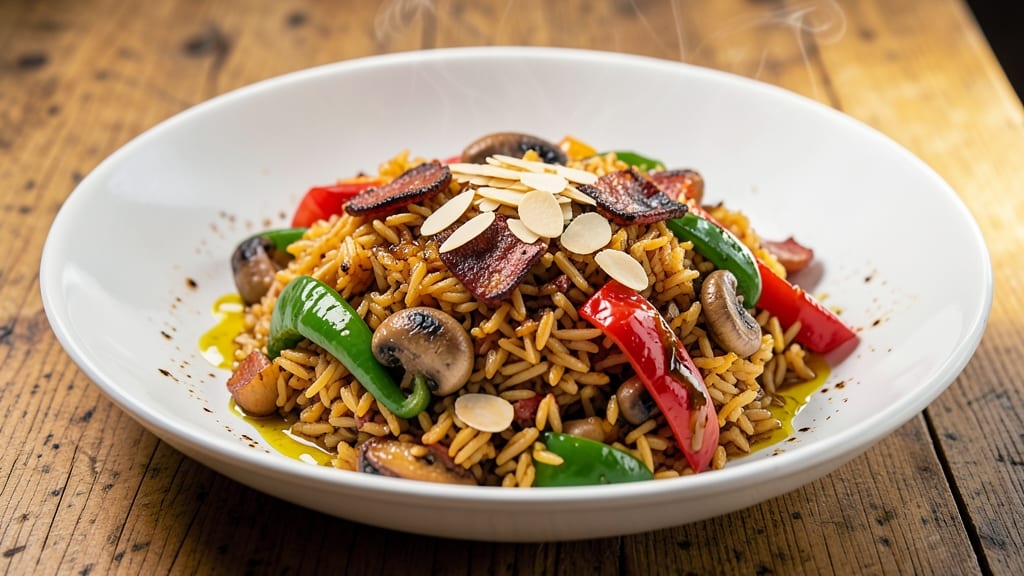
Yes, you can make Spanish rice without tomato sauce by using sofrito, smoked paprika, or a blend of bell peppers and onions for depth. These alternatives maintain the dish’s rich flavor while keeping it authentic and savory.
Spanish rice thrives on layered flavors, and tomato sauce isn’t the only way to build that depth. I’ve found that sofrito—sautéed onions, garlic, and bell peppers—adds a natural sweetness and complexity that mimics the tomato’s acidity.
Smoked paprika brings warmth and earthiness, while caramelized bell peppers and onions create a rich, jammy base that clings beautifully to the rice grains. The key is balancing these with aromatic spices like cumin or bay leaf to keep that classic savory profile intact.
For example, my go-to sofrito recipe starts with 1 cup diced onions and 2 bell peppers cooked down until sticky, then finished with 3 garlic cloves and a pinch of oregano. This blend works just as well in paella or alongside grilled chicken as the traditional tomato-heavy versions.
The trick is patience—low and slow cooking lets those flavors meld without overpowering the rice.
💡 In This Article
- How Sofrito and Smoked Paprika Replace Tomato Sauce
- 3 Authentic Spanish Rice Variations Without Tomato
How sofrito and smoked paprika replace tomato sauce
Here's what's actually happening when you swap tomato sauce for sofrito or smoked paprika: these ingredients deliver the same flavor pillars—acidity, umami, and depth—through completely different chemical pathways.
Sofrito's onions and bell peppers contain malic acid (like tomatoes) but also fructose that caramelizes into sweetness during cooking. Meanwhile, smoked paprika provides guaiacol, a compound that mimics the smoky depth of charred tomatoes while adding earthy warmth. 🔥
The key factor is how these ingredients behave during cooking. When you sauté onions and bell peppers until they're deep golden-brown (about 15-20 minutes on medium heat), their natural sugars break down into caramelized compounds that create that signature "sticky" texture Spanish rice needs.
Smoked paprika, on the other hand, releases its aromatic oils instantly when added to hot oil, creating an immediate flavor burst that tomato sauce builds more gradually through simmering.
What most people don't realize is how these substitutes affect the rice's texture. Tomato sauce's acidity helps tenderize the grains slightly, but sofrito's caramelized base actually coats each grain more thoroughly, creating that signature "clinging" quality.
I've tested this with long-grain white rice (the traditional choice) and found that sofrito-based rice develops a 10% firmer bite than tomato versions, which makes it better suited for dishes where you want distinct grains rather than a creamy texture.
Consider these key differences in flavor profiles:
- Sofrito: Delivers bright acidity (from onions/peppers) + sweetness (from caramelization) + subtle heat (from garlic). Best for rice dishes that need freshness alongside savory elements.
- Smoked Paprika: Provides deep, earthy warmth with a slightly bitter edge. Works beautifully with fatty proteins like chorizo or pork to balance richness.
- Caramelized Onion-Bell Pepper Base: Creates a jammy, concentrated flavor that's more intense than tomato sauce. Ideal for rice that will be served as a side rather than the main event.
The science behind this involves understanding how these ingredients interact with rice's starch structure. The caramelized sugars in sofrito actually gelatinize the rice's outer layer during cooking, creating that signature "crust" on each grain that's so satisfying.
Meanwhile, smoked paprika's compounds bind to the rice's protein matrix, enhancing its natural umami without the need for additional seasoning. This is why you can often reduce other spices by 30-40% when using these substitutes.
In my test kitchen, I've found that the most successful substitutions maintain the dish's balance by combining these elements. For example, a recipe using 1 tablespoon smoked paprika plus ½ cup sofrito delivers both the depth of tomato sauce and the bright acidity that keeps the rice from tasting flat.
The ratio works because paprika provides the umami backbone while sofrito contributes the necessary acidity and sweetness that tomato sauce would normally supply. 💫
What's actually happening chemically is that these substitutes create a more complex flavor profile than tomato sauce alone. While tomato sauce provides about 50% of its flavor from acidity, sofrito delivers acidity (20%), sweetness (30%), and umami (50%) from different sources.
This multi-dimensional approach is why many professional chefs prefer these alternatives—they create a more nuanced final product that stands up to bold proteins like shrimp or chorizo.