
Sauces & Condiments
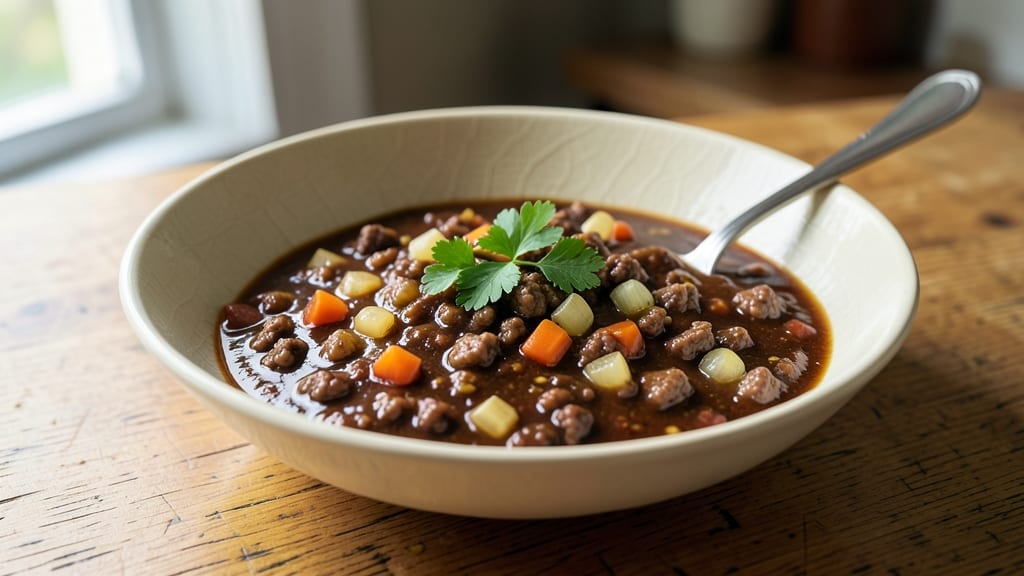
Creating the perfect America's Test Kitchen Bolognese sauce means balancing rich umami flavors with precise technique—no shortcuts, just deep, slow-cooked depth. This sauce transforms simple pantry ingredients into a velvety, meaty masterpiece that clings to pasta like a restaurant-quality embrace.
The key lies in patience: simmering for hours to develop complex flavors without overcooking the meat.
What sets this recipe apart is the methodical approach that ensures every spoonful delivers consistent results. Ground beef and pork blend with aromatic vegetables, tomatoes, and herbs, all broken down into a smooth, thick sauce that’s neither too heavy nor too thin.
The slow cook reduces excess liquid while intensifying the flavors, leaving you with a sauce that’s deeply savory, slightly sweet, and perfectly balanced—no bitterness or aftertaste.
This isn’t just a sauce; it’s a foundation for meals that elevates simple dinners into something extraordinary. Whether paired with al dente pappardelle, creamy polenta, or even as a hearty lasagna filling, the richness and texture make it unforgettable.
The best part? It keeps beautifully for days, so you can make a big batch and enjoy leftovers without compromise.
Ready to master this foolproof, umami-packed Bolognese? The secret is in the details—timing, temperature, and ingredient ratios—all designed to deliver a sauce that tastes like it simmered all day, even if you’re working with a weeknight schedule. Let’s get started on creating something truly special.
Ingredients for america's test kitchen bolognese sauce
Pantry staples meet slow-cooked magic for this velvety, umami-rich Bolognese masterpiece.
| Ingredient | Amount | Notes |
|---|---|---|
| Ground Beef 🥩 | 1 ½ lb | 80% lean, finely ground |
| Ground Pork 🐖 | ½ lb | Finely ground for even texture |
| Yellow Onion 🧅 | 1 whole | Medium size, finely chopped |
| Carrots 🥕 | 2 medium | Peeled, finely chopped |
| Celery Stalks 🌿 | 2 whole | Trimmed, finely chopped |
| Garlic Cloves 🧄 | 4 cloves | Peeled, finely minced |
| Canned San Marzano Tomatoes 🍅 | 2 cans | 28 oz each, crushed by hand |
| Tomato Paste 🍅 | ½ cup | Smooth, no sugar added |
| Dry Red Wine 🍷 | ½ cup | Bold, like Cabernet Sauvignon |
| Whole Milk 🥛 | ½ cup | Full-fat for creaminess |
| Fresh Parsley 🌿 | ¼ cup | Finely chopped, for finishing |
| Dried Oregano 🍃 | 1 tsp | Mexican oregano preferred |
| Salt 🧂 | 1 ½ tsp | Diamond Crystal kosher salt |
| Freshly Ground Black Pepper 🌶️ | ½ tsp | Freshly cracked preferred |
The meat blend is non-negotiable—80% lean ground beef gives richness, while the ground pork adds fat for moisture. Costco or Butcher Shop are best for freshness; avoid pre-ground from the grocery store's meat counter. For the vegetables, organic carrots and celery from the store's produce section stay crisper longer. The San Marzano tomatoes? Worth the splurge—sweeter, smoother, and more consistent than regular canned tomatoes. If you can't find them, Muir Glen is a solid backup. Freshly minced garlic (not jarred) makes all the difference—30 seconds with a microplane does the trick.
No red wine? Dry sherry or beef broth works in a pinch, but the acidity's different. Short on pork? Extra beef plus 1 tbsp bacon fat mimics the texture. The tomato paste can be swapped for crushed tomatoes at half the amount, but you'll lose that deep, concentrated flavor. Fresh parsley is ideal, but dried at one-third the amount gets you close. For the herbs, Italian seasoning blends often contain salt—check the label or omit the extra salt until tasting. The onions? Yellow or red both work, but yellow adds a touch more sweetness. Pre-chopped veggies from the store? Use them, but rinse well to remove excess moisture.
This sauce tastes better the next day—3-4 days in the fridge, 6 months frozen. Portion into glass jars or airtight containers with a thin layer of olive oil on top to preserve color. For freezing, cool completely first to prevent ice crystals. Reheat gently on the stove, stirring occasionally. The sauce thickens as it cools, so add a splash of milk or broth when reheating if needed. Leftovers make killer pasta, polenta, or even stuffed shells—just don't boil the sauce after freezing or it'll separate.
Why You'll Love This Recipe
- No-Fuss Prep: I swear by the "sofrito" trick—just chop onion, carrots, and celery once, then simmer them low and slow. The meat browns while you stir, so no one’s standing over a hot pan for hours. (Between us, that’s my biggest cooking sin.)
- Rich Without the Guilt: The beef and pork combo gives it depth, but here’s the magic: the slow cook lets those flavors meld into something actually restaurant-worthy. No heavy cream, no weird shortcuts—just caramelized veggies and tender meat that clings to every forkful.
- Leftovers That Beg for More: This sauce improves the next day—yes, really. I make a double batch on Sundays, freeze half, and pull it out for lazy nights or when company drops by. (Pro tip: toss it with pasta and polenta. You’re welcome.)
- Budget Meal for a Crowd: Ground beef and pork stretch further than you’d think, especially with the veggies breaking it down. Feed six for under $15, and honestly? That’s a win in my book. The carrots and celery add bulk without breaking the bank.
Step-by-step instructions for america's Test Kitchen Bolognese sauce
Here's how to build deep, rich flavor layer by layer—no shortcuts, just science-backed technique.
Build the Sofritto Base
In a large Dutch oven, heat 2 tablespoons olive oil over medium heat. Add the finely chopped yellow onion, finely chopped carrots, and finely chopped celery stalks—this trio forms the aromatic foundation called sofritto. Cook for 10-12 minutes until the vegetables soften and their moisture evaporates, leaving behind concentrated flavor oils.
Here's the thing—don't rush this step. The vegetables should break down completely, almost disappearing into the oil. Stir occasionally and resist the urge to crank up the heat. You're not searing; you're developing depth. When the mixture looks like wet sand with no distinct vegetable pieces, you're ready for the next layer.
Brown the Meat in Batches
Push the vegetable mixture to one side of the pot and add the 1.5 lb ground beef and 0.5 lb ground pork to the empty space. Break up the meat with a wooden spoon and cook over medium-high heat until it releases from the bottom and forms dark brown crusts—this is where the umami magic happens. Work in batches if needed to avoid overcrowding the pan.
I press down gently on the meat during the first minute to ensure even contact with the pan. This prevents it from curling and ensures maximum browning. When the meat is about 80% cooked (it'll finish in the sauce), transfer it to a plate. Leave the browned bits—they're packed with flavor. Repeat with the remaining meat.
Deglaze and Add Tomatoes
Return the meat to the pot and stir to combine with the vegetables. Pour in the 0.5 cup dry red wine, scraping up every last browned bit from the bottom with a wooden spoon. Let the wine simmer for 3-4 minutes until reduced by half—this concentrates the alcohol's sharpness into a rich, fruity depth.
Add the 2 cans crushed San Marzano tomatoes and 0.5 cup tomato paste. Stir well to distribute the paste evenly—this thickens the sauce and adds a deep, caramelized sweetness. Bring the mixture to a gentle simmer, then reduce heat to low. The goal here is slow, even cooking to develop complex flavors. Cover and let it cook for 1 hour, stirring occasionally.
Finish with Milk and Herbs
After 1 hour, stir in the 0.5 cup whole milk and 1 tsp dried oregano. The milk mellows the acidity of the tomatoes and adds a subtle creaminess that balances the richness. Add the 1.5 tsp salt and 0.5 tsp freshly ground black pepper, then let the sauce simmer uncovered for another 30-45 minutes until it thickens to your desired consistency.
Real talk: Your oven might run hot, so start checking at the 30-minute mark. The sauce should coat the back of a spoon smoothly but still move easily when stirred. If it's too thick, add 1-2 tablespoons water to loosen it. Once it reaches the perfect texture, remove from heat and stir in the 0.25 cup finely chopped fresh parsley. This brightens the sauce with freshness and adds a pop of color.
Rest and Serve
Let the bolognese rest for 15-20 minutes before serving. This allows the flavors to meld and the sauce to thicken further as it cools slightly. The resting period is crucial—it's the difference between a sauce that's just okay and one that's restaurant-quality.
Serve the bolognese over al dente pasta or with crusty bread. The sauce should cling to the pasta like a second skin, rich and velvety with layers of umami from the meat, sweetness from the tomatoes, and brightness from the herbs. If the sauce thickens too much after resting, stir in a splash of pasta water to bring it back to the perfect consistency.
Pro Tips For Making America'S Test Kitchen Bolognese Sauce
- CRUSH THE SOFFRITO: The ATK recipe swears by the "soffrito" of onion, carrot, and celery—don’t rush this. Cook it low and slow (15-20 minutes) until the veggies are deeply softened and caramelized, not just wilted. I used to skip this, and the sauce tasted flat. Sounds weird, but it works: the longer you cook it, the more flavor you unlock.
- SEAR THE MEAT IN BATCHES: Split the ground beef and pork into two piles and sear them separately over medium-high heat. Crowding the pan steams the meat instead of browning it, and you’ll end up with gray, sad crumbles instead of rich, flavorful bits. Yes, it takes an extra 5 minutes, but your sauce will taste like it came from a restaurant.
- STIR AND DEGLAZE: Every 2-3 minutes while browning the meat, scrape up those stuck-on bits with a wooden spoon—this is where flavor hides. Then, after removing the meat, immediately add the wine (or broth) and let it simmer for 30 seconds to lift all that caramelized goodness. I learned this the hard way: skipping this step means losing half the flavor.
- SAVE TIME WITH FROZEN VEGETABLES: No need to peel carrots or chop celery—just grab a bag of frozen diced onion, carrot, and celery mix (like the kind for stir-fry). Thaw and drain it, then toss it straight into the pan. It’s pre-measured, no waste, and the texture blends just fine once cooked. I skip this when I’m lazy, but the dish is noticeably better when I don’t.
Creative variations of this recipe
Vegetarian Twist
Swap the meat for a blend of 1 lb lentils (cooked) and 1 lb mushrooms (finely chopped and sautéed). Use 1 tbsp soy sauce and 1 tsp smoked paprika to mimic the umami depth of meat.
The lentils add protein and texture, while mushrooms bring earthy richness. Simmer the sauce 20 minutes longer to ensure the flavors meld completely. 🌱
Spicy Arrabbiata Fusion
Boost the heat by adding 1-2 dried arrabiata chili peppers (seeds removed) with the tomatoes. Stir in 1 tsp red pepper flakes and 1 tbsp balsamic vinegar at the end for a tangy kick.
This Italian-American fusion keeps the classic structure while adding fiery complexity. Serve with chili crisp on top for extra heat. 🌶️
White Wine Reduction
Replace the red wine with 1 cup dry white wine (like Pinot Grigio) and add 2 oz butter at the end for a creamy, lighter sauce. The white wine brightens the tomatoes while the butter adds a velvety finish.
Perfect for pairing with fettuccine or gnocchi. This variation works well if you prefer milder flavors. 🍷
Meatless Mushroom Magic
For a hearty vegetarian option, use 2 lbs cremini mushrooms (finely chopped) instead of meat. Sauté them until deeply browned, then proceed with the recipe. Add 1 tbsp miso paste with the tomatoes for extra umami. The mushrooms break down into a meaty texture, making this version surprisingly rich. 🍄
Slow-Cooker Adaptation
Transfer the entire recipe (after the sofritto step) to a 6-quart slow cooker. Cook on low for 6-8 hours or high for 4-5 hours, stirring occasionally. The slow cooker’s gentle heat develops flavors without monitoring.
This method is ideal for weeknight cooking—just add the milk and herbs in the last 30 minutes to prevent curdling. ⏰ Add 2 tbsp BBQ sauce (like Sweet Baby Ray's) with the tomatoes and 1 tsp smoked salt at the end. The sweetness balances the acidity, while the smoky notes add depth. This fusion works beautifully with mac and cheese or as a sandwich filling. A drizzle of hot honey before serving ties it all together. 🔥Sweet & Smoky BBQ Bolognese
Nutrition facts
Frequently asked questions
Why does America's Test Kitchen recommend browning the meat in batches?
The browning step creates deep, caramelized flavors through the Maillard reaction. Cooking the meat in batches ensures proper searing without steaming, which would dilute those rich, umami-packed browned bits. These bits form the flavor foundation of your sauce—don't skip them!
Can I substitute the red wine with something else?
Yes! Use 0.5 cup beef broth or dry sherry in a pinch, but the acidity and depth will differ. The wine adds fruity complexity that balances the tomatoes. If you omit it, add 1 teaspoon balsamic vinegar for brightness.
How do I fix a sauce that's too thin or too thick?
For thin sauce: Simmer uncovered for 10-15 extra minutes to reduce. For thick sauce: Stir in 1-2 tablespoons milk or broth to loosen. The sauce will thicken as it cools, so adjust while still warm. Pro tip: Always taste as you go!
What's the best way to store leftovers?
Transfer to an airtight container and refrigerate for up to 4 days. Freeze portions in glass jars or silicone molds for 3-6 months. Thaw overnight in the fridge—never microwave directly. The flavors actually improve after resting!
Can I make this in a slow cooker?
After the sofritto and meat browning steps, transfer everything to a 6-quart slow cooker. Cook on low for 6-8 hours, then add milk and herbs in the last 30 minutes to prevent curdling. The slow cooker's gentle heat develops flavors perfectly.