
Sauces & Condiments
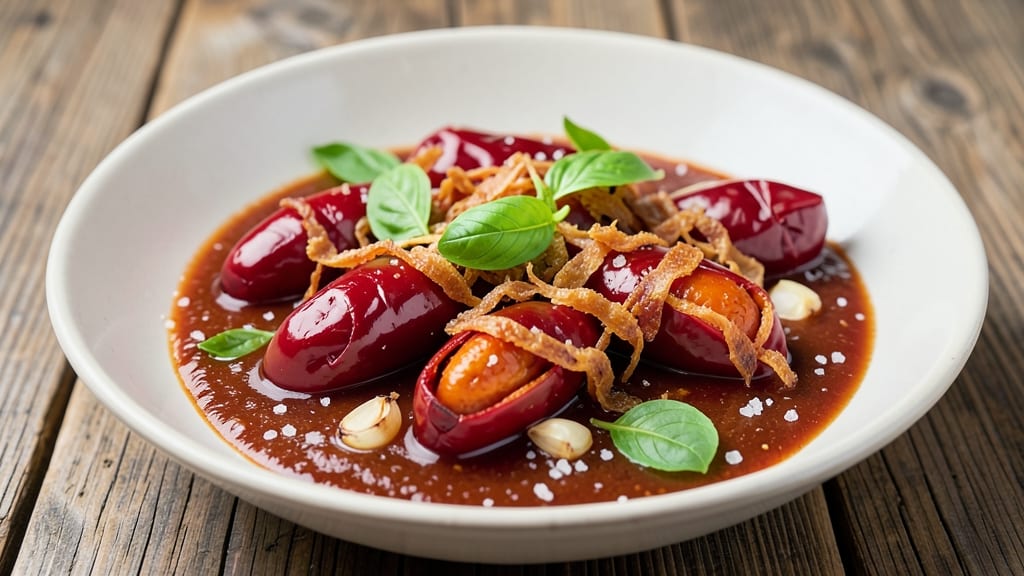
Transforming canned hot peppers in tomato sauce into a restaurant-worthy pasta dish takes just 30 minutes—no fancy ingredients, just bold flavors. The smoky-sweet sauce clings perfectly to al dente pasta, while crispy pancetta (or bacon) adds depth.
I developed this recipe after discovering how versatile this pantry staple can be when paired with the right technique.
The secret lies in balancing heat and acidity—simmering the sauce with garlic and a splash of red wine reduces it to a rich, velvety consistency while mellowing the spice.
Adding fresh basil at the end brightens the dish without overpowering the smoky undertones. This method works equally well with ground meat or shrimp for a quick weeknight meal.
By the time you twirl that first forkful, you’ll taste perfectly al dente pasta coated in a sauce that’s smoky, slightly sweet, and just spicy enough to linger.
The crispy pancetta adds a satisfying crunch, while the sauce clings to every strand. It’s the kind of dish that feels indulgent but comes together effortlessly.
Serve with grated parmesan and extra basil for a restaurant-quality finish—this recipe proves pantry staples can deliver restaurant-worthy results. Let’s get cooking!
Ingredients for canned hot peppers in tomato sauce
Pantry staples transform into restaurant-quality pasta with smoky-sweet depth in 30 minutes.
| Ingredient | Amount | Notes |
|---|---|---|
| Canned Hot Peppers in Tomato Sauce 🍅 | 1 can | High-quality brand preferred |
| Pancetta 🥓 | 6 oz | Diced into small cubes |
| Extra-Virgin Olive Oil 🫒 | 2 tbsp | For crisping pancetta |
| Garlic Cloves 🧄 | 4 cloves | Finely minced |
| Dry Red Wine 🍷 | ¼ cup | Cabernet or Merlot |
| Fresh Basil Leaves 🌿 | ¼ cup | Chopped, stems removed |
| Parmesan Cheese 🧀 | ½ cup | Freshly grated |
| Spaghetti 🍝 | 12 oz | Al dente preferred |
| Salt 🧂 | 1 tsp | Diamond Crystal kosher |
| Black Pepper 🌶️ | ½ tsp | Freshly cracked |
| Ground Black Pepper 🌶️ | ¼ tsp | For finishing |
| Red Pepper Flakes 🔥 | ½ tsp | Optional for extra heat |
| Balsamic Vinegar 🍶 | 1 tbsp | For finishing |
The canned hot peppers in tomato sauce are the foundation—look for brands like Muir Glen or Rao's for richer flavor. Pancetta is non-negotiable for that crispy texture, but thick-cut bacon works in a pinch. Freshly minced garlic (not pre-minced jars) adds depth, and garlic powder lacks the same punch. For the red wine, avoid sweet varieties—Cabernet or Merlot mellow the heat beautifully. If you're short on time, dry white wine works too, though it won’t deepen the sauce as much. The fresh basil should be vibrant green—yellowing leaves mean it’s past its prime.
No pancetta? Thick-cut bacon or guanciale deliver similar results, though guanciale is pricier. Short on red wine? Substitute beef broth with a splash of balsamic vinegar—it won’t be identical, but it’ll work. Pre-minced garlic is convenient but lacks the aromatic oils from freshly minced cloves. For extra heat, add red pepper flakes at the end—this keeps the sauce’s smoky-sweet balance intact. The spaghetti should be al dente (firm to bite), as it continues cooking in the sauce. Overcooked pasta turns mushy when tossed.
Pancetta keeps for up to 5 days in the fridge, but it’s best used within 2-3 days for optimal crispiness. The canned peppers last 12-18 months unopened, but flavor degrades after opening—use within 6 months. Fresh basil stays crisp for 5 days when wrapped in damp paper towels and stored in a sealed container. The sauce reheats beautifully—simmer for 5-10 minutes on the stove to restore its velvety texture. Portion leftovers into airtight containers for up to 4 days in the fridge, or freeze for 3 months.
Why You'll Love This Recipe
- Pantry to Plate: I swear by this recipe when I need dinner now—just drain those peppers, toss in pancetta that crisps in minutes, and let the wine and garlic work their magic. No chopping, no fuss, just deep flavor with zero effort.
- Wine-Infused Heat: That splash of dry red wine? It’s not just for show—it mellows the peppers’ bite while adding this rich, almost smoky depth. Honestly, the first time I made it, my roommate stole half the batch before I could even plate it.
- Game for Any Night: Use it as a pasta sauce, slather it on toast with cheese, or serve it with crusty bread for a quick charcuterie upgrade. Between us, I’ve even used it to top grilled chicken when I’m lazy. (Yes, even on a Tuesday night.)
- Budget-Friendly Luxury: Pancetta and wine might sound fancy, but they stretch so far here—you’ll have leftovers that taste better the next day. I’ll be real: this is the kind of recipe that makes me feel like I’m cooking gourmet without breaking the bank.
Step-by-step instructions for smoky-sweet pantry heat
Transform simple pantry staples into a vibrant, flavor-packed dish with this efficient method.
Render Pancetta and Build Flavor Foundation
Place the 6 oz pancetta in a large skillet over medium heat and cook undisturbed for 5-6 minutes until the fat renders and the edges become deep golden brown. This initial rendering creates the rich, smoky base for your sauce. Stir occasionally to prevent burning, but avoid constant movement—you want maximum crispiness on those pancetta cubes.
Once the pancetta is 80% rendered (about ¼ cup fat remains in the pan), add the 4 cloves minced garlic cloves and cook for 30 seconds until fragrant but not browned. The garlic should sizzle gently without burning—this ensures sweetness rather than bitterness in your final dish. Remove the pancetta with a slotted spoon and set aside, leaving the rendered fat in the pan.
Develop the Sauce with Wine and Peppers
Pour the 0.25 cup dry red wine into the skillet, scraping up any browned bits from the bottom with a wooden spoon. These bits, called fond, carry concentrated flavor that will deepen your sauce. Let the wine simmer for 2-3 minutes until reduced by half and slightly syrupy in texture.
Add the 1 can canned hot peppers in tomato sauce, stirring to combine with the wine reduction. The heat from the peppers will mellow slightly as they integrate with the wine and pancetta fat. Allow the mixture to simmer gently for 4-5 minutes until the sauce thickens and coats the back of a spoon. Taste and adjust seasoning with 1 tsp salt and 0.5 tsp black pepper—this is your flavor baseline.
Cook the Spaghetti Al Dente
While the sauce simmers, bring a large pot of well-salted water to a rolling boil. Add the 12 oz spaghetti and cook according to package instructions until 1 minute before al dente—this ensures the pasta finishes cooking in the sauce. Reserve 1 cup pasta water before draining, as it contains starch that will help emulsify your sauce.
Drain the spaghetti but retain ½ cup pasta water in the colander. This extra starch will create a silky texture when combined with your sauce. Return the drained spaghetti to the pot and toss immediately with 1 tbsp balsamic vinegar—this adds a bright acidity that cuts through the richness of the pancetta and peppers.
Combine and Finish with Cheese and Herbs
Add the cooked spaghetti to the skillet with the pepper sauce, tossing to coat evenly. If the sauce appears too thick, add 2-3 tablespoons reserved pasta water to loosen it. The goal is a velvety, clinging sauce that doesn't dry out the pasta. Stir in the reserved pancetta and cook for 1-2 minutes to heat through.
Remove from heat and stir in the 0.5 cup freshly grated parmesan cheese and 0.25 cup chopped fresh basil leaves. The cheese should melt smoothly into the sauce, creating a creamy finish. For added heat, sprinkle with 0.5 tsp red pepper flakes and finish with 0.25 tsp ground black pepper. Taste again and adjust seasoning—this is your final opportunity to balance the flavors.
Serve Immediately with Crisp Garnish
Transfer the spaghetti to warm serving plates, allowing the sauce to cascade over the noodles. Garnish with additional crisp pancetta cubes and a final drizzle of balsamic vinegar for visual contrast. The dish should arrive at the table with vibrant red sauce, golden pancetta, and fresh green basil creating a striking presentation.
Serve immediately while the pasta is hot and the sauce is at its peak clinginess. The combination of smoky pancetta, sweet peppers, and bright basil creates a pantry-inspired dish that feels restaurant-worthy. Each bite should deliver complex layers of heat, acidity, and umami balanced perfectly.
Pro Tips For Making Canned Hot Peppers In Tomato Sauce
- Cook Pancetta Slow: I used to rush this and end up with greasy, undercooked bits—don’t. Render the pancetta over medium-low heat for 8–10 minutes until the fat pools but the meat stays just firm. That’s when it’ll crisp beautifully later, not turn to mush. (Yes, even if you’re impatient like me.)
- Drain and Rinse Peppers: The jarred peppers come packed in oil and vinegar, which can make your sauce taste flat. Drain them well, then give them a quick rinse under cold water to cut the acidity. This keeps the heat sharp without the funk.
- Deglaze with Wine Early: After cooking the garlic, pour in the red wine right away to scrape up those browned bits—don’t wait. That’s where the flavor lives, and letting it sit too long means you’ll lose half of it to the bottom of the pan.
- Simmer, Don’t Boil: Once the wine reduces, keep the sauce at a gentle simmer, not a rolling boil. I learned this the hard way—boiling turns the tomatoes mealy and dulls the pepper’s kick. A low simmer (30–40 minutes) lets the flavors meld without breaking down the texture.
Make-ahead tips for canned hot peppers in tomato sauce
Sauce Prep Ahead
Prepare the sauce base the night before for deeper flavor development. Simmer the canned hot peppers in tomato sauce with 0.25 cup red wine and 4 minced garlic cloves for 10 minutes, then cool completely.
Store in an airtight container in the fridge for up to 3 days. The flavors meld beautifully overnight, creating a richer, more complex sauce. Reheat gently on the stove before combining with pasta. 💫
Pasta Prep Shortcut
Cook and drain your spaghetti 1 minute before al dente, then shock it in ice water to stop cooking. Store in an airtight container with a splash of olive oil to prevent sticking.
Reheat in the sauce for 2-3 minutes—this ensures perfect texture without overcooking. I keep prepped pasta in the fridge for up to 2 days for quick weeknight meals. ✨
Pancetta Pre-Crisp
Save time by pre-crisping pancetta in advance. Cook 6 oz pancetta in a skillet until golden, then transfer to a paper towel-lined plate to drain excess fat. Store in an airtight container for up to 5 days.
Reheat in a dry skillet for 1 minute before adding to the sauce to restore crispiness. This step cuts 10 minutes off your cooking time. 🔥
Freezer-Friendly Assembly
Assemble the dish completely and freeze it for later. Toss cooked pasta with sauce, pancetta, and cheese, then spread on a baking sheet to freeze solid. Transfer to a freezer-safe bag for up to 3 months.
Thaw overnight in the fridge, then reheat in a skillet with 2 tbsp water to restore moisture. The sauce stays velvety and the pancetta retains its crunch. 💡
Batch Sauce Multiplier
Double the sauce recipe and freeze half for future meals. Use the extra sauce on polenta, grilled chicken, or as a pizza topping. The smoky-sweet profile works beautifully with these proteins.
Label containers with the date—this sauce freezes for 3 months without losing flavor. I always make extra when I have time! 🌟
Nutrition facts
Frequently asked questions
What's the best brand of canned hot peppers in tomato sauce for this recipe?
For richer flavor, opt for Muir Glen or Rao's—both offer high-quality, well-balanced heat and sweetness. Budget-friendly options like Del Monte work too, but they may have more water content. Always check labels for added sugar or preservatives if you prefer a cleaner taste.
Can I substitute pancetta with another meat?
Use thick-cut bacon (same quantity) or guanciale for extra richness. For a vegetarian option, swap with crispy tofu cubes or mushrooms (sautéed until golden). Just reduce the cooking time by 2-3 minutes to avoid over-browning.
How do I adjust the heat level in this dish?
For milder heat, reduce the sauce simmer time to 3 minutes instead of 4-5 minutes. To intensify the spice, add 1 extra teaspoon of red pepper flakes at the end or swap in canned jalapeños (chopped) with the peppers. Always taste before serving!
What if my sauce is too thin or too thick?
For a thin sauce, simmer uncovered for 5 extra minutes to reduce. If it's too thick, stir in 2-3 tablespoons reserved pasta water while combining with the noodles. The starch helps emulsify the sauce naturally.
Can I make this recipe without wine?
Yes! Replace the 0.25 cup red wine with 0.25 cup beef broth + 1 tbsp balsamic vinegar for depth. Or use dry white wine (same quantity) for a milder flavor. The wine adds complexity, but these subs work in a pinch.