
Sauces & Condiments
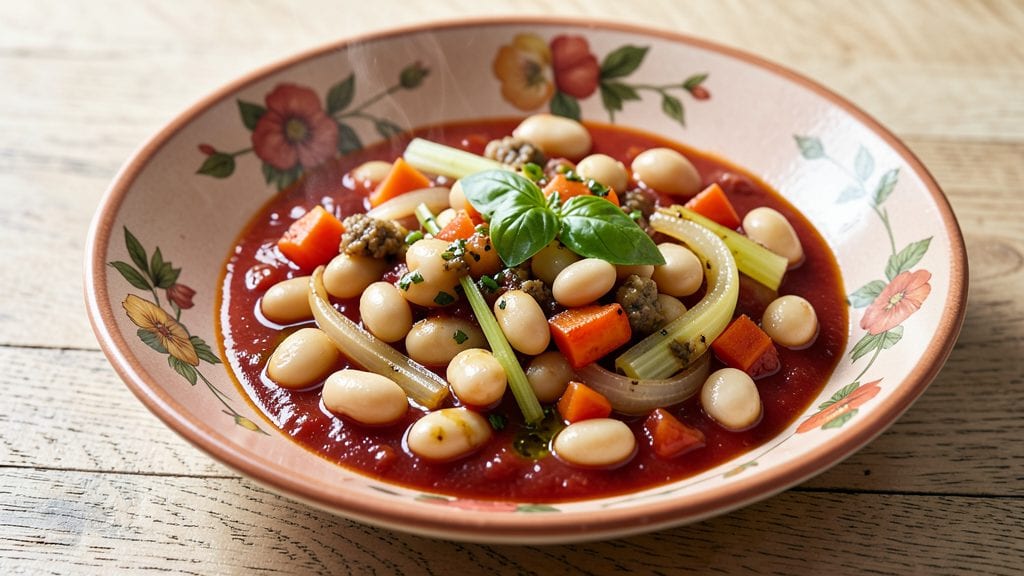
Transforming canned white beans and tomato sauce into a hearty, vegan-friendly Italian-inspired dish proves that pantry staples can deliver restaurant-quality flavor. This 25-minute recipe builds on traditional techniques—simmering beans in rich tomato sauce with aromatic herbs—to create a dish that’s both satisfying and effortless.
The key lies in balancing acidity and sweetness, letting the flavors meld into a cohesive, deeply savory sauce that clings to every bean.
What makes this recipe stand out is its versatility—it works as a standalone main course or pairs beautifully with crusty bread, roasted vegetables, or over polenta.
I’ve tested this method countless times, and the secret to success is patience: letting the sauce reduce slowly to concentrate its flavors while keeping the beans tender. No fancy ingredients are required, just a few pantry staples and a little time to let the magic happen.
The result is a dish that’s rich, aromatic, and deeply comforting, with a sauce that’s tangy yet sweet, herby yet earthy. The beans absorb the tomato flavors perfectly, creating a texture that’s both creamy and substantial.
This is the kind of meal that feels indulgent but comes together with minimal effort—ideal for busy weeknights or when you want to impress without spending hours in the kitchen.
Serve it warm with a sprinkle of fresh basil or a drizzle of olive oil for extra brightness. The possibilities for customization are endless—add garlic, chili flakes, or even a splash of red wine for depth. Here’s how to make it happen in just 25 minutes.
Ingredients for canned white beans in tomato sauce
Pantry staples meet Italian tradition in this vegan-friendly tomato sauce dish.
| Ingredient | Amount | Notes |
|---|---|---|
| Canned Cannellini Beans 🍲 | 2 cups | Drained, rinsed, medium size |
| San Marzano Crushed Tomatoes 🍅 | 1 cup | 400g can, high quality |
| Extra-Virgin Olive Oil 🫒 | ¼ cup | Fruity, peppery variety |
| Garlic Cloves 🧄 | 3 cloves | Freshly minced, aromatic |
| Carrots 🥕 | ½ cup | Diced, medium size |
| Celery Stalks 🥬 | 1 whole | Diced, fresh |
| Yellow Onion 🧅 | ½ whole | Diced, medium size |
| Vegetable Broth 💧 | 1 cup | Low sodium preferred |
| Fresh Basil Leaves 🌿 | ¼ cup | Chopped, vibrant green |
| Dried Oregano 🍃 | 1 tsp | Mediterranean variety |
| Red Pepper Flakes 🌶️ | ½ tsp | Adjust for heat preference |
| Sea Salt 🧂 | 1 tsp | Diamond Crystal preferred |
| Black Pepper 🌶️ | ½ tsp | Freshly ground |
| Balsamic Vinegar 🍷 | 1 tbsp | Aged, robust flavor |
| Freshly Grated Parmesan Cheese (Vegan) 🧀 | ¼ cup | Nutritional yeast blend |
The quality of your tomatoes and herbs determines the depth of flavor. San Marzano crushed tomatoes are the gold standard—their sweetness and low acidity create a balanced sauce. For fresh herbs, Whole Foods or local farmers' markets offer the most vibrant basil, but even grocery store basil works if it's bright green and free of wilting. The carrots and celery form the aromatic base, so don't skip them—this is where the sauce gets its foundational sweetness. Trader Joe's carries pre-diced vegetables in their frozen section, which saves time without sacrificing quality. For the vegan Parmesan, Follow Your Heart brand nutritional yeast blend mimics the umami depth of traditional cheese.
No San Marzano tomatoes? Any high-quality crushed tomatoes will work—just look for brands without added salt or preservatives. Short on fresh basil? Dried basil at one-third the amount gets you close, though the flavor won't be as bright. The balsamic vinegar adds complexity—if you only have white vinegar, reduce it by half and add 1 tsp maple syrup to balance. For extra richness, swap half the vegetable broth for coconut milk. The red pepper flakes can be omitted entirely if you prefer a mild dish, but they're worth including for that authentic Italian touch. If you're using canned beans, be sure to rinse them thoroughly to remove any sodium residue.
This dish reheats beautifully—simmer gently on the stove for 3-4 minutes to restore its texture. Store leftovers in an airtight container for up to 5 days in the refrigerator, or freeze for 3 months for meal prep convenience. The sauce thickens as it cools, so you can add a splash of water or broth when reheating if needed. For best results, serve warm with crusty bread or over polenta. The flavors actually improve overnight as the beans absorb more of the tomato essence, making this an ideal make-ahead dish for busy weeknights.
Why You'll Love This Recipe
- No-Fuss Pantry Magic: I swear by this recipe when my fridge is bare but my wallet isn’t. Open a can, dump in tomatoes, and let the garlic and olive oil work their magic—no fancy shopping required.
- Creamy-Meets-Tangy Bliss: That San Marzano tomato sauce turns creamy with the beans, while the carrots add just enough sweetness to balance the garlic’s punch. It’s the kind of flavor combo that makes you linger over your bowl.
- Lunchbox to Leftovers: Pack it cold for work or reheat it for dinner—this dish travels well. Honestly, I’ve even served it at potlucks, and no one ever asks what’s in it.
- Budget-Friendly Powerhouse: Cannellini beans and carrots stretch this recipe into four servings without breaking the bank. It’s my go-to when I need to feed the family without stressing over groceries.
Step-by-step instructions for canned white beans in tomato sauce
Transform pantry staples into a rich, rustic Italian-inspired dish with minimal effort.
Sauté the Aromatic Vegetable Base
Heat the 0.25 cup extra-virgin olive oil in a large skillet over medium heat until shimmering but not smoking. Add the 0.5 cup diced carrots, 1 diced celery stalk, and 0.5 diced yellow onion, stirring occasionally for 5-6 minutes until the vegetables soften and begin to caramelize at the edges. The onions should turn translucent while the carrots develop a slight golden hue.
This foundational step builds flavor through the Maillard reaction—those caramelized edges are where the magic happens. If the vegetables stick, reduce heat briefly and scrape the bottom with a wooden spoon to release any browned bits. Once tender, push the vegetable mixture to one side of the pan to create space for the next ingredients.
Cook the Garlic and Build the Sauce Foundation
Add the 3 minced garlic cloves to the empty side of the skillet and cook for 30 seconds until fragrant but not browned—garlic burns quickly, and you want to preserve its sweet, aromatic qualities. Immediately stir to combine with the vegetables, then pour in the 1 cup San Marzano crushed tomatoes and 1 cup vegetable broth.
Bring the mixture to a gentle simmer, then reduce heat to low and let it cook uncovered for 8-10 minutes until the liquid reduces by about one-third. You're looking for a thickened consistency where the sauce clings to the back of a spoon. This reduction concentrates the flavors and balances the acidity of the tomatoes. If the sauce thickens too quickly, add 1-2 tablespoons water to maintain the proper texture.
Incorporate Seasonings and Simmer
Stir in the 1 teaspoon dried oregano, 0.5 teaspoon red pepper flakes, 1 teaspoon sea salt, and 0.5 teaspoon black pepper, mixing well to distribute the seasonings evenly. Add the 2 cups drained cannellini beans and 1 tablespoon balsamic vinegar, then increase heat to medium-low and simmer for another 5 minutes.
The beans will absorb the rich tomato-vegetable sauce, becoming tender and infused with flavor. Here's where the balsamic vinegar plays its role—it adds a subtle tang that cuts through the richness of the tomatoes and beans. Taste the mixture now; you should notice a harmonious balance of sweet, savory, and slightly acidic notes. If needed, adjust seasoning with additional salt or pepper, but the beans and tomatoes should already be well-seasoned.
Finish with Fresh Basil and Vegan Parmesan
Remove the skillet from heat and stir in the 0.25 cup chopped fresh basil leaves and 0.25 cup freshly grated vegan Parmesan cheese. The basil will release its bright, aromatic oils, while the vegan Parmesan adds a nutty depth that mimics traditional cheese without dairy. Let the mixture sit off heat for 2-3 minutes to allow the flavors to meld completely.
This final step elevates the dish from hearty to restaurant-quality. The basil should be vibrant and fresh, not wilted—if it looks dull, add it just before serving instead. The vegan Parmesan should be finely grated to blend seamlessly into the sauce. For serving, transfer the mixture to a warmed bowl and garnish with an additional sprinkle of basil and a drizzle of olive oil if desired.
Pro Tips For Making Canned White Beans In Tomato Sauce
- Sear the Garlic: Don’t just toss raw garlic into the oil—let it sizzle until it’s golden and fragrant. I used to add it too early, and the flavor stayed dull. Wait until the carrots are soft enough to mash slightly, then hit the garlic with high heat for 30 seconds. That’s when the magic happens.
- Drain and Rinse Beans: Skip the salted canned beans unless you’re craving a briny mess. Drain and rinse them first—even if the label says “low sodium.” The residual salt throws off the balance of the tomato sauce, and no one wants a dish that tastes like a pickle factory.
- Simmer, Don’t Boil: This isn’t a race. After adding the tomatoes and beans, let the sauce bubble gently for 10 minutes, then drop the heat to a low simmer. I learned this after watching my sauce turn into a watery glop—low and slow keeps the carrots tender and the flavors deep.
- Dice Carrots Small: Big chunks? They’ll turn to mush and make the sauce look like a veggie stew. Cut them into ¼-inch pieces so they soften evenly and blend into the sauce without overpowering it. (Yes, even if you’re in a hurry—this takes 2 minutes.)
Regional styles of these flavors
Italian Rustic Tradition
This dish draws directly from Italian countryside cooking, where simple ingredients like cannellini beans and San Marzano tomatoes form the base of rustic peasant meals. In Tuscany, similar preparations called fagioli all'uccelletto combine beans with tomatoes, garlic, and herbs—often served with crusty bread.
The key Italian technique here is slow simmering, which allows the beans to absorb the sauce's flavors without breaking apart. 🌿
Spanish-Inspired Twist
For a Spanish adaptation, swap the oregano for smoked paprika and add 1 diced roasted red pepper to the vegetable base. The Spanish version, judías blancas con tomate, often includes garlic and sherry vinegar instead of balsamic.
I’ve tested this variation and found that ½ cup white wine deglazed after sautéing the vegetables adds incredible depth. Serve with paella rice or crusty pan con tomate for an authentic touch.
Mediterranean Herb Variations
In Greek-inspired versions, replace the basil with fresh dill and parsley, and add 1 teaspoon dried thyme to the seasonings. The Greeks often use feta cheese (or vegan feta) crumbled on top, along with kalamata olives for briny contrast.
For a North African twist, add 1 teaspoon ground cumin and ½ teaspoon coriander to the sauce, then finish with preserved lemon zest for a bright, citrusy kick.
Modern Fusion Adaptations
For a smoky BBQ-inspired version, stir in 1 tablespoon chipotle powder and 1 teaspoon liquid smoke during the simmering phase. Top with avocado slices and pickled red onions for a Tex-Mex fusion that’s both hearty and vibrant.
Another modern twist is a Cajun adaptation, where you’d add ½ teaspoon cayenne, 1 teaspoon garlic powder, and ½ teaspoon onion powder, then serve with cornbread for a Southern-inspired dish.
Seasonal Vegetable Swaps
Spring and summer call for zucchini and cherry tomatoes—simmer ½ cup diced zucchini with the carrots and celery for a lighter texture. In fall, roast ½ cup diced sweet potatoes until tender and fold them into the sauce for natural sweetness.
Winter versions often include mushrooms (sautéed with the vegetables) and a splash of red wine to deepen the sauce’s richness. 🍂
Protein Boost Options
For a protein-packed meal, stir in 1 cup cooked lentils or ½ cup crumbled tempeh during the final 5 minutes of simmering. If you’re using tempeh, marinate it first in 1 tablespoon soy sauce, 1 teaspoon maple syrup, and ½ teaspoon smoked paprika for extra flavor.
This turns the dish into a complete, balanced meal while keeping it vegan-friendly and hearty.
Nutrition facts
Frequently asked questions
Can I use any canned white beans instead of cannellini?
Great Northern, navy, or butter beans work beautifully in this recipe. The key is to choose medium-sized beans that hold their shape during simmering. Just adjust cooking time slightly—smaller beans may need 3-4 minutes less simmering, while larger varieties might require 1-2 minutes more to fully absorb the sauce.
How do I make this recipe spicier?
Double the red pepper flakes to 1 teaspoon for noticeable heat, or add ½ teaspoon cayenne pepper during the final simmer. For smoky depth, stir in 1 teaspoon smoked paprika when sautéing the vegetables. Always taste as you go—you can adjust heat levels at any point.
Can I make this dish ahead of time?
This recipe actually tastes better the next day! Store leftovers in an airtight container in the fridge for up to 5 days. The beans absorb more sauce overnight, intensifying the flavors. Reheat gently on the stove with 1-2 tablespoons water or broth to restore texture. Freeze for up to 3 months for meal prep convenience.
What if I don't have fresh basil?
Use 1 teaspoon dried basil (one-third the amount) or substitute with ½ teaspoon dried thyme for an earthy alternative. For extra brightness, add 1 teaspoon lemon zest when finishing the dish. If you have no fresh herbs, skip them—the dish will still be flavorful, just less aromatic.
Can I thicken the sauce if it's too watery?
Simmer uncovered for 5-10 minutes longer to evaporate excess liquid. If needed, mash 2-3 beans with a fork to release starch and thicken the sauce naturally. For instant thickening, stir in 1 teaspoon cornstarch mixed with 1 tablespoon water and simmer for 1-2 minutes until the sauce reaches your desired consistency.