
Sauces & Condiments
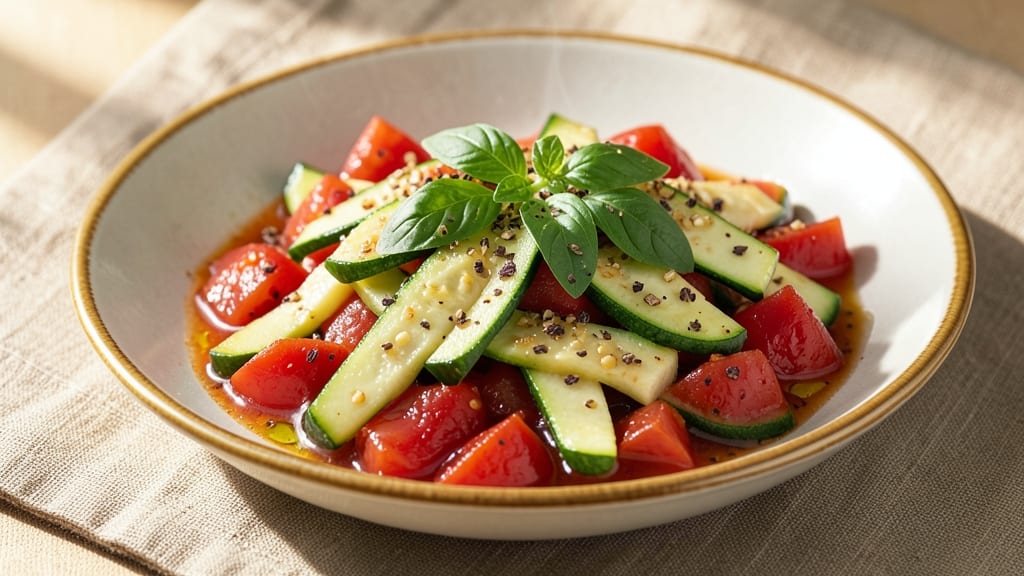
Unlock a canned zucchini in tomato sauce recipe that turns humble pantry ingredients into a velvety, restaurant-worthy Italian side dish. This recipe takes just 20 minutes to create a dish that's perfect alongside pasta, grilled meats, or even as a standalone vegetarian meal.
The key lies in balancing the acidity of canned tomatoes with herbs and garlic to create a sauce that clings beautifully to tender zucchini slices.
What makes this recipe stand out is its versatility—no fresh zucchini required, and the process is simple enough for weeknight cooking. You'll start with canned tomatoes, garlic, and olive oil, then build layers of flavor through slow simmering.
The result is a dish that's both comforting and vibrant, with the natural sweetness of zucchini complementing the tangy tomato base.
By the end, you'll have a dish that's tender yet flavorful, with zucchini slices that absorb the sauce perfectly. The aroma alone will make your kitchen feel like an Italian trattoria, while the texture offers just the right balance of softness and slight bite.
This recipe proves that even canned vegetables can shine when prepared with care.
Serve warm with crusty bread or alongside your favorite Italian main dish. The sauce keeps well for up to 5 days in the refrigerator, making it perfect for meal prep. Here's how to bring this pantry-friendly side to life with minimal effort and maximum flavor.
Ingredients for canned zucchini in tomato sauce
Pantry staples transform into a velvety Italian side dish in just 20 minutes.
| Ingredient | Amount | Notes |
|---|---|---|
| Canned Zucchini 🥒 | 1 can | Drained and sliced lengthwise |
| Canned Diced Tomatoes 🍅 | 14 ½ oz | San Marzano preferred, no salt added |
| Extra-Virgin Olive Oil 🫒 | 2 tbsp | High quality, fruity |
| Garlic Cloves 🧄 | 2 cloves | Minced, fresh preferred |
| Dried Basil 🌿 | 1 tsp | Or 1 tbsp fresh, chopped |
| Dried Oregano 🍃 | ½ tsp | Italian oregano preferred |
| Sea Salt 🧂 | ½ tsp | Adjust to taste |
| Black Pepper 🌶️ | ¼ tsp | Freshly ground |
| Red Wine Vinegar 🍷 | 1 tbsp | For brightness |
| Fresh Parsley 🌿 | ¼ cup | Chopped, for garnish |
| Vegetable Broth 💧 | ½ cup | Low-sodium preferred |
| Onion Powder 🧅 | ½ tsp | For depth |
| Red Pepper Flakes 🌶️ | ¼ tsp | Optional for heat |
| Grated Parmesan Cheese 🧀 | ¼ cup | Freshly grated |
The canned zucchini and tomatoes are the foundation—San Marzano tomatoes elevate the flavor, but any no-salt-added brand works. For the zucchini, Green Giant or Del Monte are reliable choices, but check for no added preservatives. Fresh garlic and basil make a noticeable difference (I always grab extra basil—half goes in the pot, half gets torn over the top later), but dried works in a pinch. Whole Foods or Trader Joe's carry the best quality dried herbs if you prefer convenience over fresh. The olive oil should be fruity and peppery—California Olive Ranch or Bertolli are solid mid-range options.
No San Marzano tomatoes? Any crushed or diced tomatoes work, but add a pinch of sugar to balance acidity. Fresh basil unavailable? Dried oregano at half the amount gets you close. The vegetable broth can be swapped for water, but the onion powder and garlic add necessary depth. For extra richness, stir in 1 tbsp tomato paste at the end. The red wine vinegar might seem odd, but it cuts through the sweetness of the zucchini beautifully—substitute lemon juice if that's what you have. The Parmesan should be freshly grated; pre-shredded gets clumpy and lacks flavor.
This dish reheats beautifully—simmer gently for 2-3 minutes to revive the sauce. Keeps for 5 days in the fridge, though the texture gets softer over time. For longer storage, freeze portions in airtight containers for up to 3 months. I like to portion it into ramekins before freezing so I can reheat just what I need. Garnish with fresh parsley right before serving to keep it vibrant. The sauce also works as a pasta sauce—just toss with cooked spaghetti and top with extra cheese.
Why You'll Love This Recipe
- No-Waste Pantry Magic: I swear by this recipe when I spot those dented cans of zucchini in the back of my cupboard. No wilting, no peeling, no chopping—just open, drain, and stir. The texture? Surprisingly tender yet still holding its shape, like it’s been slow-cooked all day.
- Garlic-Basil Bomb: That first sizzle of olive oil and garlic? Instant flavor upgrade. The dried basil might seem basic, but when it blooms in the simmering sauce, it’s like a little Italian vacation in your mouth. Honestly, I’ve made this with fresh basil too—worth the extra step if you’re feeling fancy.
- Weeknight to Potluck: Serve it warm over pasta for a lazy Tuesday, or let it cool and toss with crusty bread for a picnic spread. My college-aged son even eats it cold in wraps when he’s too tired to heat anything. Between us, it’s the one dish that never gets rejected.
- Budget-Friendly Leftovers: A single can of zucchini and tomatoes stretches into three meals—breakfast hash, lunch salads, or dinner sides. I’ll be real: the second day is even better as the flavors meld. Plus, it freezes like a dream for those days when takeout feels too expensive.
Step-by-step instructions for canned zucchini in tomato sauce
Here's how to transform pantry staples into a vibrant Italian-inspired side dish that pairs perfectly with pasta or grilled meats.
Prepare the Zucchini and Sauté the Garlic
Open the can of zucchini and drain it thoroughly, then slice each piece lengthwise into ¼-inch thick strips. Set aside. In a large skillet, heat the 2 tablespoons extra-virgin olive oil over medium heat until shimmering but not smoking. Add the 2 minced garlic cloves and sauté for 30-45 seconds until fragrant and just beginning to turn golden at the edges.
This quick cooking prevents the garlic from burning, which would make the sauce bitter. You'll know it's ready when the kitchen fills with that unmistakable garlic aroma. Remove the skillet from heat temporarily while you prepare the remaining ingredients—this prevents overcooking while you work.
Build the Tomato Sauce Base
Return the skillet to medium heat and add the 14.5 ounces canned diced tomatoes, breaking them up slightly with a wooden spoon. Stir in the 1 teaspoon dried basil, 0.5 teaspoon dried oregano, 0.5 teaspoon sea salt, 0.25 teaspoon black pepper, and 0.5 teaspoon onion powder. Bring the mixture to a gentle simmer, then reduce heat to low and let it cook uncovered for 5 minutes while you prepare the remaining components.
Here's where the flavors start melding. You'll notice the sauce thickens slightly as the tomatoes break down and release their juices. This step develops the foundation of your dish—don't rush it, as proper simmering extracts maximum flavor from the spices.
Combine Zucchini and Finish the Sauce
Add the sliced zucchini to the simmering tomato mixture and stir gently to coat. Pour in the 0.5 cup vegetable broth and 1 tablespoon red wine vinegar, then sprinkle with the 0.25 teaspoon red pepper flakes if using. Increase heat to medium-low and let the sauce simmer gently for 8-10 minutes, stirring occasionally, until the zucchini is tender but still holds its shape.
The zucchini should be fork-tender with just a slight bite remaining—overcooking will make it mushy. You'll know it's ready when the edges begin to soften and the sauce thickens enough to lightly coat the back of a spoon. Taste and adjust seasoning if needed, adding more salt or vinegar as necessary.
Finish and Garnish
Remove the skillet from heat and stir in the 0.25 cup grated parmesan cheese until melted and fully incorporated. The cheese will add richness and help bind the sauce together. Let the mixture sit off heat for 2 minutes to thicken slightly.
Transfer the zucchini and tomato sauce to serving bowls, then garnish each portion with 1 tablespoon chopped fresh parsley. The parsley adds freshness and visual contrast to the rich tomato sauce. Serve immediately while warm, as the flavors continue to develop and meld together.
Optional Variations
For extra depth, stir in 1 tablespoon tomato paste with the initial tomato mixture. If you prefer a creamier texture, add 2 tablespoons heavy cream or ½ cup ricotta cheese at the end. For a heartier dish, fold in ½ cup cooked white beans during the final simmering stage.
This versatile side dish keeps well in the refrigerator for 3-4 days and reheats beautifully. The flavors actually improve overnight as the ingredients continue to meld. Store any leftovers in an airtight container with a sprinkle of fresh parsley on top to preserve freshness.
Pro Tips For Making Canned Zucchini In Tomato Sauce
- Sauté Garlic Slowly: After burning three batches, I finally figured out—low heat is your friend here. Once the olive oil shimmers, add the minced garlic and keep it moving constantly for 30 seconds max. You want golden, not crispy. That bitter char ruins everything.
- Drain Zucchini Well: Canned zucchini hides water like a ninja. Dump it into a colander, give it a good shake, then press the chunks with a clean kitchen towel to squeeze out excess moisture. Wet zucchini steams instead of caramelizing—no one wants sad, watery sauce.
- Simmer, Don’t Boil: The sauce will thicken on its own if you let it work. Once the tomatoes and zucchini hit the pan, turn the heat to medium-low and let it bubble gently for 10–12 minutes. Stir occasionally, but resist the urge to crank it up—high heat turns tomatoes mushy and dull.
- Toast the Basil: Sounds weird, but it works: sprinkle the dried basil in at the very end and let the sauce simmer for 1–2 minutes with the lid off. The heat wakes up the flavor so it doesn’t taste like dust. (Yes, even if you’re impatient like me.)
Regional styles of these flavors
Southern Italian Simplicity
In Southern Italy, this dish is often called "zucchine in salsa di pomodoro" and serves as a quick side for pasta or grilled seafood. The key here is simplicity—locals use San Marzano tomatoes and minimal herbs, letting the zucchini's natural sweetness shine.
I’ve found that adding 1 tsp sugar balances the acidity when using regular canned tomatoes, just like nonna would do. Serve with crusty bread to soak up every last bit of sauce. 🍅
Sicilian Spice Twist
Sicily takes this dish up a notch with bold spices. Add ½ tsp crushed fennel seeds to the garlic sauté and 1 tsp dried capers with the tomatoes for a briny kick.
The island’s love of chili flakes means you’ll often see ½ tsp red pepper flakes doubled here. Pair it with grilled swordfish or pasta alla Norma for an authentic Sicilian meal. 🌶️
Northern Italian Creaminess
Up north, this dish gets richer with mascarpone cheese or ricotta. Stir in 2 tbsp mascarpone at the end for a velvety texture that’s perfect with risotto or polenta.
The region also prefers white wine in the sauce—swap the vinegar for 2 tbsp dry white wine reduced by half. Add 1 tbsp butter at the finish for extra decadence. 🧀
American Pantry Adaptation
For home cooks in the U.S., this dish thrives on convenience. Use store-bought Italian seasoning (like Badia or McCormick) if fresh herbs are scarce. Swap Parmesan for Pecorino Romano for a sharper bite.
I often add ½ cup corn kernels (fresh or frozen) for a sweet contrast, inspired by Southern U.S. adaptations. Serve with garlic bread or as a topping for grilled cheese sandwiches. 🥖
Mediterranean Herb Variations
Greek and Turkish versions swap Italian herbs for dried mint or sumac. Add 1 tsp dried mint with the tomatoes and finish with 1 tsp sumac for a tangy, citrusy note.
In Greece, this dish often includes cherry tomatoes sautéed with the garlic. Pair it with grilled lamb or feta-stuffed vegetables for a Mediterranean feast. 🌿
Vegetarian Protein Boost
For a heartier dish, add ½ cup cooked lentils or white beans during the final simmer. The protein makes it a complete meal, especially with toasted bread or polenta.
In Tuscany, they might stir in chopped walnuts for crunch. This version works beautifully as a vegetarian main or alongside grilled vegetables. 💛
Nutrition facts
Frequently asked questions
Can I use fresh zucchini instead of canned?
Fresh zucchini works wonderfully—just slice it ¼-inch thick and sauté for 2-3 minutes before adding to the sauce. The texture will be slightly firmer but just as flavorful. For extra tenderness, add a splash of water to the pan while cooking.
How can I make this dish creamier?
Stir in 2 tablespoons heavy cream or ½ cup ricotta cheese during the final 2 minutes of cooking. For a vegan option, use ½ cup coconut milk instead. The sauce will become velvety while keeping the dish light and fresh.
Why does my sauce taste too acidic?
Add ½ teaspoon sugar or 1 teaspoon honey to balance the acidity. If using regular canned tomatoes (not San Marzano), the natural sweetness may need extra help. For a deeper flavor, reduce the red wine vinegar to ½ tablespoon and add 1 teaspoon tomato paste instead.
Can I make this ahead of time?
Yes! This dish reheats beautifully. Store in an airtight container for up to 5 days in the fridge. To reheat, simmer gently for 3-4 minutes on the stove or microwave for 1-2 minutes. Add a splash of water if the sauce thickens too much. The flavors actually improve overnight!
What’s the best way to serve this dish?
Pair it with crusty Italian bread for dipping, or serve alongside grilled chicken, fish, or pasta. For a complete meal, add ½ cup cooked white beans or top with grated Parmesan and fresh basil. It’s also perfect as a vegetarian main with a side salad.