
Sauces & Condiments
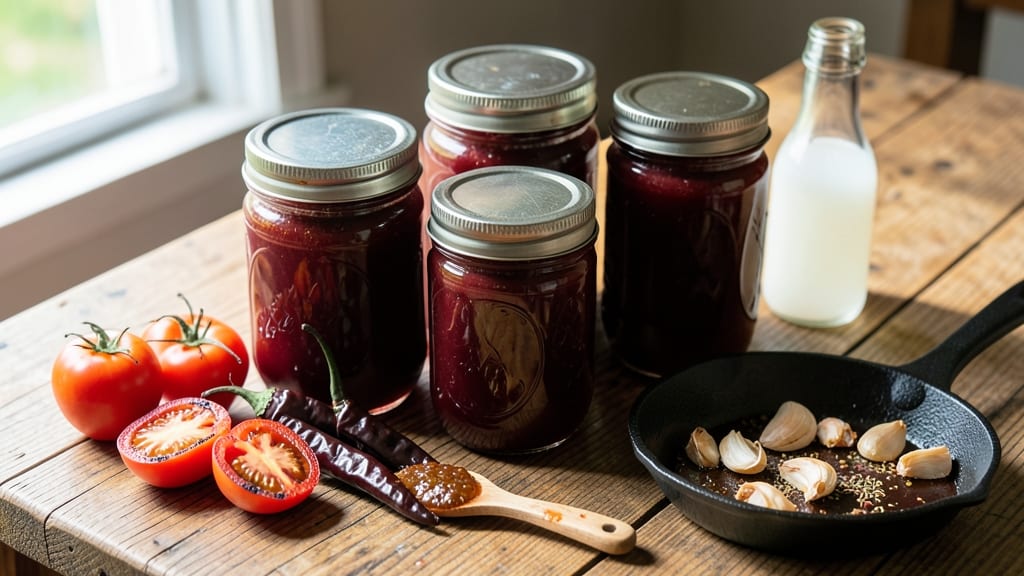
Canning picante sauce at home transforms fresh garden harvests into smoky, spicy condiments that preserve flavor for months. The key lies in balancing acidity through vinegar and precise canning techniques—whether water bath or pressure—to ensure safety and shelf stability.
I developed this recipe after years of perfecting heat levels and texture, starting with ripe tomatoes and chipotle peppers for that signature smoky kick.
This sauce delivers restaurant-quality depth with just five core ingredients: tomatoes, peppers, vinegar, garlic, and spices. The process requires careful sterilization of jars and proper sauce reduction to concentrate flavors while maintaining food safety standards.
Every batch yields a vibrant red sauce with layers of smoky heat and tangy brightness that elevates tacos, grilled meats, or even as a dipping sauce.
What makes this recipe stand out is its versatility—use it immediately or store it for up to a year. The smoky chipotle heat develops during the canning process, creating a complex flavor profile that improves with time.
Whether you're preserving summer's bounty or stocking your pantry for winter, this sauce becomes a kitchen essential that transforms ordinary meals into extraordinary ones.
Sterilization and proper canning techniques are non-negotiable for safety, so we'll cover both water bath and pressure canning methods. The result is a shelf-stable sauce that maintains its vibrant color, rich flavor, and perfect balance of heat and acidity. Let's get started on preserving that perfect picante flavor.
Ingredients for canning picante sauce
Five core ingredients transform garden harvests into shelf-stable picante perfection with smoky depth.
| Ingredient | Amount | Notes |
|---|---|---|
| Ripe Roma Tomatoes 🍅 | 6 lb | Freshly harvested or vine-ripened |
| Chipotle Peppers in Adobo 🌶️ | 4 whole | Smoked, canned in adobo sauce |
| White Vinegar 💧 | 1 ½ cups | Distilled, 5% acidity minimum |
| Garlic Cloves 🧄 | 6 cloves | Fresh, peeled, roasted for depth |
| Ground Cumin 🌿 | 2 tbsp | Toasted for aromatic intensity |
| Dried Oregano 🍃 | 1 ½ tbsp | Mexican oregano preferred |
| Granulated Garlic 🧄 | 1 tsp | For consistent flavor distribution |
| Ground Black Pepper 🌶️ | 1 tsp | Freshly cracked for optimal heat |
| Diamond Crystal Kosher Salt 🧂 | 1 ½ tbsp | For proper seasoning balance |
| Cayenne Pepper 🔥 | ½ tsp | Adjust for desired heat level |
The tomatoes form the sauce's foundation, so prioritize ripe Roma tomatoes with vibrant color and firm texture. Local farmers markets or specialty grocers like Whole Foods offer the freshest varieties, but any high-quality heirloom tomatoes work. Chipotle peppers in adobo are essential for that signature smoky heat—look for brands like Goya or La Costeña for consistent quality. The vinegar must be distilled white vinegar with at least 5% acidity to ensure proper preservation during canning. For garlic, roasting enhances sweetness—wrap whole cloves in foil, roast at 400°F for 10 minutes until caramelized before processing.
Substitutions must maintain acidity and heat balance. No chipotle peppers? Use 1 tbsp smoked paprika plus 1 tsp cayenne for a milder smoky profile, but reduce vinegar by 0.25 cup to compensate. Fresh oregano can replace dried at a 1:3 ratio, but toasted ground cumin is non-negotiable—its earthy notes anchor the flavor. No Roma tomatoes? Substitute 2 lbs of mixed vine-ripened tomatoes (peeled and seeded for smoother texture). For canning safety, never reduce vinegar below 1.25 cups—this maintains the critical acidity level required for water bath processing. The Diamond Crystal kosher salt is preferred for its coarse texture, which dissolves evenly without altering sauce density.
This sauce maintains peak quality when properly canned. Sterilize pint jars and lids in boiling water for 10 minutes before filling. The sauce should bubble vigorously during the 15-minute water bath—this ensures proper heat penetration. Once sealed, store in a cool, dark pantry where it remains stable for up to 12 months. For immediate use, refrigerate in airtight containers for 3-4 weeks, though the flavor continues developing over time. Always check seals before opening—any compromised jars should be discarded. The sauce thickens slightly upon reheating, so add 1-2 tbsp water per pint if needed for serving consistency.
Why You'll Love This Recipe
- No Chopping Struggle: I swear by Roma tomatoes for this—just blanch, peel, and crush. No knife wars, no seed-spattered countertops, just smooth, jammy goodness in minutes.
- Smoky Heat Magic: That chipotle in adobo? It’s the star. One taste and you’ll understand why I keep a jar in my pantry—deep, smoky, with just enough kick to wake up any dish.
- Pantry Stash Ready: This sauce plays nice with everything. Slather it on tacos, stir it into soups, or drizzle it over eggs—it’s my go-to for lazy nights or when I’m hosting.
- Budget-Friendly Batch: A single batch stretches for weeks. The vinegar preserves it, the cumin adds depth, and the tomatoes? You’ll use them before they spoil. Win-win for my wallet and my freezer.
Step-by-step instructions for canning picante sauce
Here's the precise method for crafting a robust, shelf-stable picante sauce with authentic smoky depth.
Prepare and Sterilize Equipment
Begin by thoroughly washing all canning jars, lids, and bands in hot, soapy water. Place jars in a large pot and cover with water, bringing to a boil for 10 minutes to sterilize. Keep jars hot until ready to use. Meanwhile, prepare your workspace by lining it with clean towels and setting out the 6 lb ripe Roma tomatoes, 4 whole chipotle peppers in adobo, and 6 cloves garlic cloves. The sterilization step is critical—it prevents contamination and extends shelf life.
While the jars sterilize, remove the stems from the tomatoes and quarter them, discarding any bruised or discolored sections. For the chipotle peppers, remove them from their adobo sauce, reserving 2 tablespoons of the sauce for later use. Peel the garlic cloves and set aside. This preparation ensures even cooking and maximum flavor extraction from each ingredient.
Roast Aromatics and Tomatoes
Preheat your oven to 400°F. On a baking sheet lined with parchment paper, arrange the quartered tomatoes, chipotle peppers, and garlic cloves in a single layer. Drizzle lightly with 1 tablespoon of the reserved adobo sauce to help caramelize the flavors. Roast for 25-30 minutes, stirring once halfway through, until the tomatoes soften and the edges begin to brown.
The roasting process deepens the natural sweetness of the tomatoes and intensifies the smoky heat of the chipotle peppers. You'll know they're ready when the tomatoes collapse slightly and the garlic cloves turn golden. Remove from the oven and let cool for 10 minutes before transferring to a large mixing bowl. This step builds the sauce's complex flavor foundation.
Blend and Season the Sauce
Using an immersion blender or food processor, blend the roasted tomatoes, chipotle peppers, and garlic cloves until smooth. Transfer the purée to a large pot and stir in the 1.5 cups white vinegar, 2 tablespoons ground cumin, 1.5 tablespoons dried oregano, 1 teaspoon granulated garlic, 1 teaspoon ground black pepper, 1.5 tablespoons Diamond Crystal kosher salt, and 0.5 teaspoon cayenne pepper. Bring the mixture to a boil over medium-high heat, then reduce to a simmer for 20 minutes, stirring occasionally.
This simmering time allows the flavors to meld and the vinegar to fully incorporate, ensuring proper acidification for safe canning. The sauce should thicken slightly and develop a rich, smoky aroma. Taste and adjust seasoning if needed—add more cayenne for heat or salt for balance. The vinegar not only preserves the sauce but also brightens the deep, earthy flavors.
Fill and Process the Jars
Using a ladle or funnel, carefully fill each sterilized jar with the hot picante sauce, leaving ½-inch headspace at the top. Wipe the jar rims with a clean, damp cloth to remove any residue that could prevent proper sealing. Place the lids on the jars and screw on the bands until fingertip-tight.
Process the jars in a boiling-water bath for 45 minutes for pint-sized jars or 50 minutes for quarts. The water should cover the jars by at least 1 inch. Start timing once the water returns to a full rolling boil. This processing time ensures the sauce reaches a temperature that kills bacteria and spores, making it safe for long-term storage.
Cool and Store the Canned Sauce
Remove the jars from the bath and place them on a clean towel, spacing them apart. Let them cool undisturbed for 12-24 hours. The lids should pop down as the jars cool, creating a vacuum seal. Check each lid by pressing in the center—if it doesn't flex back, the jar did not seal properly and should be refrigerated and used within 1 week.
Once fully cooled, label the jars with the date and store them in a cool, dark place. Properly canned picante sauce will keep for 12-18 months, offering a reliable source of smoky heat for tacos, soups, or dips year-round. The sauce should have a thick, velvety consistency with a vibrant red hue and a balance of smoky, tangy, and slightly sweet notes.
Pro Tips For Making Canning Picante Sauce
- Blister the Garlic: Toss whole garlic cloves in oil first, then char them directly over the flame until blackened—this adds depth without burning the sauce. I used to mince raw garlic, but the flavor falls flat compared to the smoky, caramelized punch of properly blistered cloves.
- Seed the Tomatoes: Cut Roma tomatoes in half and scoop out seeds and pulp before blending—this keeps the sauce smoother and prevents gummy texture. I learned this the hard way after canning a batch that turned into tomato mush.
- Simmer Low and Long: Reduce heat to a bare simmer after adding vinegar—boiling too hard makes the sauce cloudy and dulls the chipotle’s heat. The first time I rushed this, the sauce tasted flat and watery.
- Strain the Adobo Sauce: After blending chipotles into the sauce, strain out the seeds and debris through a fine-mesh sieve—it makes the sauce silky and prevents bitterness. Sounds tedious, but it’s the thing that matters most for a clean, professional finish.
Wine and beer pairings for this recipe
Red Wine Pairings
A bold Mexican red wine like Tempranillo or Cabernet Sauvignon from Jalisco pairs beautifully with this smoky picante sauce. The wine's dark fruit notes and earthy undertones complement the chipotle's smokiness while the acidity cuts through the sauce's richness.
I recommend a 2018 Bodegas Muga Rioja—its vanilla and spice notes mirror the cumin and cayenne in the sauce. 🍷
White Wine Options
For those preferring white, a dry Spanish Albariño offers surprising harmony with the sauce's tangy-sweet balance. The wine's citrus and mineral notes refresh your palate between bites of smoky heat. Pazo de Señorans from Rías Baixas is my go-to choice—its crisp acidity stands up to the vinegar's brightness.
Serve chilled to enhance the contrast. 🍷
Craft Beer Matches
A Mexican-style lager like Modelo Especial or Pacifico creates the perfect balance with picante sauce's complexity. The beer's clean, slightly sweet profile prevents the sauce from overwhelming your taste buds.
For a bolder option, try a honey brown ale with notes of caramel and toasted malt—Dogfish Head's 60 Minute IPA adds a hoppy counterpoint to the smoky heat. 🍺
Non-Alcoholic Pairings
For a refreshing non-alcoholic option, ginger beer with a Mexican soda twist works wonderfully. Brands like Jarritos (especially Horchata or Tamarind) provide sweet-tart contrast that cleanses your palate.
I also love Fever-Tree's Mexican Mango Lime Soda—its citrus notes enhance the sauce's brightness. Serve over ice for an invigorating pairing. 🌶️
Regional Beer Adaptations
In Texas, a local craft IPA like Live Oak's Crux adds hoppy bitterness that cuts through the sauce's richness. For California, try a Mexican lager from Ballast Point—their Santiago style bridges the gap between traditional and modern flavors.
Each region's beer offers unique notes that elevate the sauce's complexity. 🍺
Serving Temperature Tips
Serve wines at room temperature (65-70°F) to let their full flavor profiles emerge alongside the sauce's heat. Beers should be chilled (40-45°F) for lagers or slightly cooler than room temp (50-55°F) for IPAs. The temperature contrast enhances both the sauce and beverage, creating a balanced dining experience. 💡
Nutrition facts
Frequently asked questions
Can I use fresh jalapeños instead of chipotle peppers in canned picante?
Fresh jalapeños won't provide the same smoky depth, but you can substitute them by adding 1 tablespoon smoked paprika and ½ teaspoon liquid smoke per batch. The vinegar and cayenne will still preserve the sauce safely, though the flavor profile will be brighter rather than smoky. For best results, roast the jalapeños first to develop sweetness.
How do I adjust the heat level in my canned picante?
For milder heat, reduce the cayenne to ¼ teaspoon and omit extra jalapeños. For extra spice, add ½ teaspoon cayenne or 1-2 fresh habaneros (seeded and finely chopped) during blending. Always taste before canning—once sealed, you can't adjust the heat. Remember, vinegar's acidity helps balance heat, so never reduce it below 1.25 cups for safety.
Why did my canned picante sauce turn cloudy or separate?
Cloudiness often means the sauce wasn't properly acidified or processed. Double-check your vinegar amount (1.5 cups) and processing time (45-50 minutes in boiling water). Separation can occur if the sauce cooled too quickly—always let jars cool undisturbed for 12-24 hours. If the seal is intact, gently reheat the sauce on low heat to re-emulsify it. Never consume if the jar leaks or bulges.
Can I can picante sauce without vinegar?
No, vinegar is essential for safe canning. It provides the necessary acidity (pH 4.6 or lower) to prevent botulism. If you dislike vinegar's taste, try lemon juice (but it won't preserve as long) or citric acid (follow USDA guidelines for amounts). For this recipe, the 1.5 cups white vinegar is non-negotiable—it's what makes the sauce shelf-stable for months.
How should I use canned picante sauce in cooking?
This versatile sauce works in everything from tacos to soups! For tacos, simmer ¼ cup per pound of meat with cumin and garlic. In soups, add 2-3 tablespoons per serving at the end of cooking. For dips, thin with water or broth (1:1 ratio) and serve with tortilla chips. The smoky heat also pairs well with grilled chicken or black beans—just remember to reheat gently to preserve texture.