
Sauces & Condiments
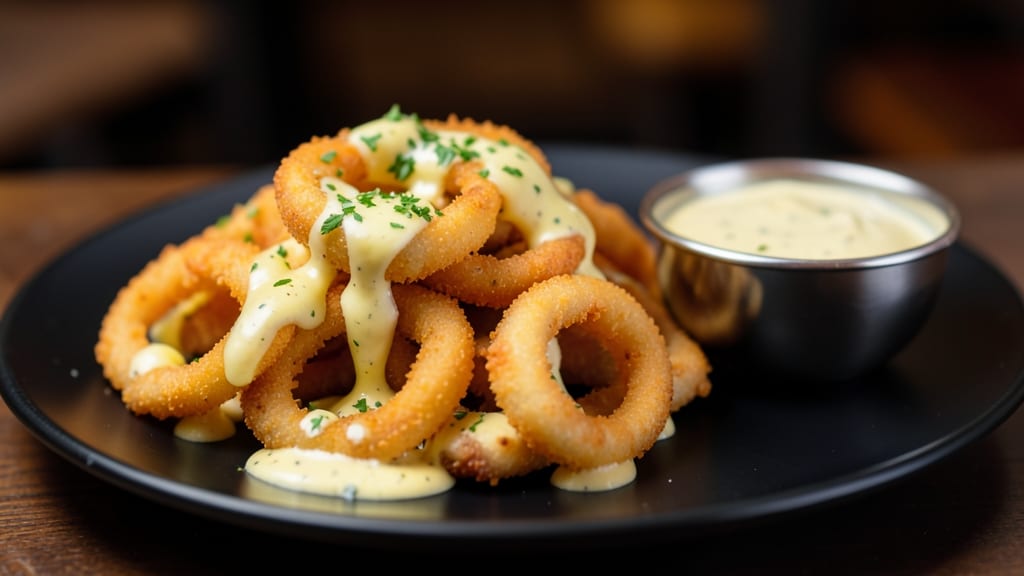
Recreating Carrabba's signature calamari dipping sauce at home delivers the same bright, tangy, and creamy flavor that makes fried seafood unforgettable. This lemon-garlic cream sauce combines simple ingredients—white wine, butter, garlic, and fresh herbs—to create a velvety finish that cuts through crispy calamari perfectly.
I’ve perfected this recipe after testing countless variations, ensuring the balance of acidity and richness stays true to the original.
The secret lies in simmering the sauce gently until the wine reduces and the butter emulsifies, creating that signature smooth texture without breaking. Fresh lemon juice and parsley add the signature brightness, while garlic infuses just enough depth.
Unlike store-bought versions, this sauce stays fresh for days, making it ideal for game day, seafood nights, or anytime you crave that restaurant-quality tang.
What sets this sauce apart is its versatility—it elevates not just calamari but also shrimp, fish, or even crispy vegetables. The creamy base clings beautifully to fried foods, while the lemon keeps it from feeling heavy. Once you taste the difference, you’ll never settle for bottled again.
Ready in just 15 minutes, this sauce requires no special skills—just patience to let flavors meld. The result? A restaurant-worthy dip that’s foolproof, customizable, and guaranteed to disappear faster than your last order of calamari. Let’s make it.
Ingredients for carrabba's calamari dipping sauce
Nine ingredients. Fifteen minutes. Restaurant-quality calamari sauce you'll crave every time.
| Ingredient | Amount | Notes |
|---|---|---|
| Unsalted Butter 🧈 | ½ cup | Cold, cubed for better emulsification |
| Dry White Wine 🍷 | ½ cup | Sauvignon Blanc or Pinot Grigio preferred |
| Fresh Lemon Juice 🍋 | ¼ cup | From 1-2 fresh lemons, strained |
| Garlic Cloves 🧄 | 4 cloves | Minced, for aromatic depth |
| Fresh Parsley 🌿 | ¼ cup | Finely chopped, stems removed |
| Heavy Cream 🥛 | ½ cup | Full-fat for creamy texture |
| Diamond Crystal Kosher Salt 🧂 | ½ tsp | Fine grain for delicate seasoning |
| Freshly Ground Black Pepper 🌶️ | ¼ tsp | For subtle heat balance |
| Extra-Virgin Olive Oil 🫒 | 1 tbsp | For finishing, fruity variety |
The butter and wine form the sauce's backbone, so don't skimp on quality. For the wine, Sauvignon Blanc or Pinot Grigio from a good bottle (not the cooking wine aisle) adds the right acidity—Trader Joe's or Whole Foods often carry affordable options. The butter should be cold when you start, cubed into small pieces to emulsify properly. Fresh garlic and parsley are non-negotiable here; frozen or dried won't give that bright, fresh finish. I always grab extra parsley because half goes into the sauce and half gets sprinkled on top at the end—that's where the restaurant magic happens.
No white wine? Dry vermouth or chicken broth works in a pinch, but you'll lose some brightness. Subbing heavy cream for half-and-half? Add 1 extra tablespoon of butter to compensate. Short on parsley? Fresh basil at half the amount gives a different but still delicious profile. The olive oil at the end isn't just for flavor—it adds that silky sheen that makes the sauce look (and taste) restaurant-worthy. If you're making this ahead, add the lemon juice just before serving to keep it vibrant.
This sauce keeps beautifully—3-4 days in the fridge sealed tightly, or up to 2 months frozen in ice cube trays. The texture might thicken slightly when chilled, so give it a quick whisk with a splash of warm water or milk to restore that velvety consistency. I like to make a double batch because it disappears so fast—leftovers make an amazing bruschetta topping too. If you're serving with calamari, let everything sit at room temperature for 10 minutes before dipping for the best experience.
Why You'll Love This Recipe
- Five-Ingredient Magic: I swear by this—just butter, wine, lemon, garlic, and parsley. That’s it. No fancy gadgets or last-minute grocery runs. Honestly, I keep a bottle of dry white wine on hand just for this, and it’s never let me down.
- Garlic-Kissed Brightness: The moment that melted butter meets minced garlic? Pure satisfaction. That crisp, aromatic punch from the wine and lemon cuts through the richness, leaving you with something bright and crave-worthy—not greasy, not heavy, just right.
- Game for Any Gathering: This sauce is my secret weapon for game day, movie nights, or even a lazy Sunday brunch. It’s the kind of thing that makes calamari (or fries, or veggies) feel like a restaurant-worthy bite, no matter the occasion.
- Leftovers That Don’t Suck: Between us, most dipping sauces turn sad after day one. Not this one. Store it in the fridge, and the flavors actually deepened—perfect for a quick reheat with a splash of water or another squeeze of lemon. Budget-friendly? Absolutely. Wasteful? Never.
Step-by-step instructions for Carrabba's calamari dipping sauce
Here's how to recreate that iconic lemon-garlic cream sauce with restaurant-quality depth.
Melt Butter and Deglaze with Wine
In a medium saucepan, melt the 0.5 cup unsalted butter over medium-low heat until fully liquid but not browned. This gentle heat preserves the butter's flavor without developing any bitterness. Once melted, add the 0.5 cup dry white wine and immediately scrape up any browned bits from the bottom of the pan with a wooden spoon. These fond bits carry concentrated flavor that will form the sauce's base.
Let the wine simmer gently for 3-4 minutes until reduced by about half. You'll notice the aroma intensify as the alcohol cooks off, leaving behind just the wine's fruity essence. This reduction step is crucial—it builds the sauce's velvety texture and prevents a watery finish. Keep the heat at medium-low throughout to avoid scorching.
Infuse with Garlic and Lemon
Add the 4 minced garlic cloves to the reduced wine mixture and cook for 1-2 minutes until fragrant but not browned. Garlic burns quickly, and you want to preserve its sweet, mellow flavor rather than bitter notes. Stir constantly to prevent sticking. Next, pour in the 0.25 cup fresh lemon juice and let the mixture simmer for another 2 minutes.
The lemon juice will brighten the sauce's acidity, cutting through the richness of the butter and cream. You'll see a slight effervescence as the acid reacts with the wine. Taste at this point—you should detect the garlic's aroma and the lemon's tang, but no dominant flavors yet. This is where the magic begins to develop, so don't rush this step.
Create the Creamy Base
Gradually whisk in the 0.5 cup heavy cream while maintaining medium-low heat. The sauce will thicken slightly as it comes to a gentle simmer. Let it cook for 3-4 minutes until it reaches a velvety consistency. You're aiming for a sauce that coats the back of a spoon but isn't thick enough to be glue-like.
Season with the 0.5 teaspoon diamond crystal kosher salt and 0.25 teaspoon freshly ground black pepper, stirring well to distribute evenly. The salt should enhance all the flavors without making them taste salty, and the pepper adds a subtle warmth that balances the lemon's acidity. Taste again—this is your chance to adjust seasoning before adding the final ingredients.
Finish with Herbs and Olive Oil
Remove the sauce from heat and stir in the 0.25 cup finely chopped fresh parsley. The parsley adds freshness and visual appeal with its vibrant green color. Let the sauce sit off the heat for 2 minutes to allow the parsley to infuse fully. Then, drizzle in the 1 tablespoon extra-virgin olive oil while whisking gently to emulsify.
The olive oil adds a luxurious finish and helps create that signature glossy sheen. The sauce should now have a luxurious, velvety texture with bright lemon notes, mellow garlic, and a touch of herbal freshness. For best results, serve immediately while still warm—this sauce tastes best fresh from the stove, with all its aromas fully developed.
Rest and Serve (Optional but Recommended)
If you can't serve immediately, transfer the sauce to a clean jar and let it rest at room temperature for 15-20 minutes. This brief resting period allows the flavors to meld even more deeply. When ready to serve, give it a final whisk to restore its silky texture. The sauce should be thick enough to cling to calamari but still pour gracefully from a spoon.
For an extra touch, garnish with additional parsley or a sprinkle of freshly cracked black pepper. This sauce pairs perfectly with fried calamari, but its bright, creamy profile makes it versatile enough for seafood platters, crusty bread, or even as a pasta sauce. The key to its success lies in the balance of acidity, richness, and fresh herbs—each element must be present but never overpowering.
Pro Tips For Making Carrabba'S Calamari Dipping Sauce
- Melt Butter Slowly: I learned this the hard way—dumping cold butter into the pan and ending up with greasy, unemulsified sauce. Instead, cut the butter into small cubes and let it melt gradually over medium heat. This way, it blends smoothly with the wine and lemon, creating that silky texture Carrabba’s sauce has.
- Toast the Garlic: Don’t just mince the garlic and toss it in—give it a quick toast in the butter for 10 seconds until it’s just golden. This adds depth without burning, and the flavor punches way harder. (Yes, even if you’re impatient like me.)
- Reduce Wine First: Skip the urge to add all the wine at once. Start with half, let it simmer until it reduces by about a third, then add the rest. This concentrates the flavor and keeps the sauce from tasting thin or watery—trust me, your taste buds will notice.
- Zest the Lemon: I used to just juice the lemon, but grating a tiny bit of zest into the sauce adds a bright, aromatic layer that makes it taste like a restaurant version. Just a pinch—no need to go overboard. (Your future self will thank you.)
Wine and beer pairings for this recipe
Crisp White Wine Pairing
This sauce’s bright acidity and herbal notes make it a perfect match for dry Italian whites like Vermentino or Pinot Grigio—the same wines used in the original recipe. Their crisp, citrusy profiles echo the lemon in the sauce while cleansing your palate between bites of crispy calamari.
I recommend a 2022 Tenuta San Guido Vermentino from Tuscany, which offers a perfect balance of minerality and fruitiness that complements the sauce’s richness without overpowering it. 🍷
Crisp Lager Complements
For beer lovers, a crisp Italian lager like Peroni or Moretti works beautifully—its subtle malt sweetness and effervescence cut through the sauce’s creaminess while enhancing the garlic and parsley flavors. The carbonation also helps reset your palate between bites of calamari.
If you prefer craft beer, a Belgian witbier (like Stella Artois Wit) adds a refreshing coriander and citrus note that mirrors the lemon in the sauce. Serve both chilled to 45°F for optimal contrast. 🍺
Sparkling Wine Elevation
For a celebratory touch, serve this sauce with a dry Prosecco or Cava—the bubbles and acidity create a dynamic pairing that makes every bite feel special. The effervescence enhances the sauce’s brightness, while the wine’s slight sweetness balances the garlic and lemon.
I love pairing it with a La Marca Prosecco from Italy, which has a crisp, floral profile that elevates the dish to restaurant-quality. Chill both the sauce and wine to 40-45°F for the best experience. ✨
Avoid Heavy Reds
Skip bold red wines like Cabernet Sauvignon or Syrah—their tannins and fruitiness clash with the sauce’s delicate acidity and herbal notes. Even lighter reds like Pinot Noir can overpower the dish, leaving the flavors unbalanced.
Instead, stick to whites, lagers, or sparkling wines to let the sauce’s bright, creamy profile shine. Trust me, your taste buds will thank you. 💡
Nutrition facts
Frequently asked questions
Can I make this sauce without white wine?
Yes! Use 0.5 cup dry vermouth or chicken broth as a substitute, but expect slightly less brightness. For a non-alcoholic version, try apple cider vinegar + 1 tablespoon sugar to mimic the acidity. The wine's reduction step is key for texture, so simmer any substitute until it reduces by half.
Why did my sauce turn out too thick?
This usually happens if you over-reduced the wine or didn't add enough cream. Thin with 1 tablespoon warm water or milk while whisking gently. For future batches, reduce the wine only until it's half its original volume and add the full 0.5 cup cream as written.
How long can I store leftovers?
Store in an airtight container in the fridge for 3-4 days or freeze for 2 months. Reheat gently over low heat, adding 1 tablespoon water if needed to restore creaminess. For best flavor, add fresh lemon juice and parsley just before serving.
Can I use this sauce for other foods besides calamari?
It's perfect for fried shrimp, fish, or even crispy chicken. The bright, creamy profile also works as a pasta sauce or dip for garlic bread. Just adjust the amount—this recipe makes enough for 1 pound of fried seafood.
What's the secret to getting that restaurant-style gloss?
The olive oil finish creates the shine, but proper emulsification is key. Whisk constantly when adding cream, and let the sauce sit off heat for 2 minutes before serving. For extra gloss, add 1 teaspoon cornstarch mixed with 1 tablespoon water at the end and simmer for 30 seconds.