
Sauces & Condiments
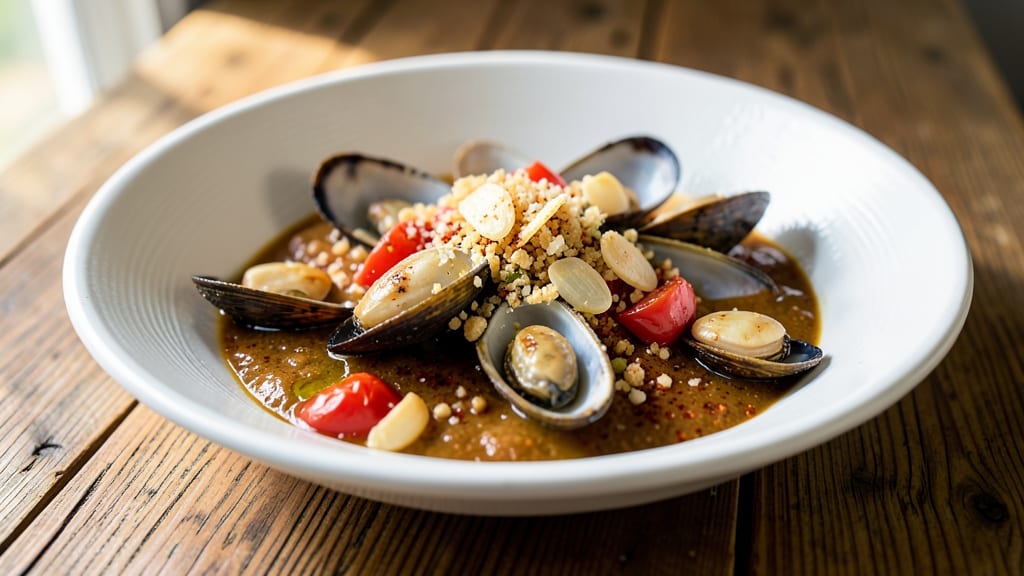
Recreating Carrabba's mussel sauce at home delivers that signature smoky garlic-tomato depth that turns simple linguine into a restaurant-worthy dish. The secret lies in simmering mussels with white wine, garlic, and herbs until the broth reduces into a briny, aromatic sauce—no mussel shucking required.
I’ve simplified the process using pantry staples while keeping that signature Carrabba’s flavor profile intact.
This sauce builds complexity through slow reduction, where the mussels infuse their briny essence into the garlic-tomato base. A splash of white wine cuts through the richness, while smoked paprika adds that signature smokiness.
The result is a velvety, slightly thickened sauce that clings perfectly to pasta or crusty bread without overwhelming the dish.
What makes this recipe work is the balance of acidity, umami, and smokiness—achieved through precise timing and ingredient ratios. Simmering the mussels until they open releases their natural juices, which form the foundation of the sauce.
Straining removes any unwanted bits, leaving behind a smooth, restaurant-quality condiment that elevates seafood dishes instantly.
Use this sauce as a topping for linguine, drizzle it over grilled fish, or serve it alongside crusty bread for dipping. The versatility ensures it works as both a main component and a finishing touch.
Ready in under 30 minutes, this sauce transforms everyday meals into something special—without the restaurant price tag.
Ingredients for carrabba's mussel sauce
Pantry staples meet restaurant-quality mussel sauce—just ten ingredients transform simple seafood into velvety, smoky perfection.
| Ingredient | Amount | Notes |
|---|---|---|
| Fresh Mussels 🦪 | 1 ½ lb | Live, cleaned, medium-sized |
| Extra-Virgin Olive Oil 🫒 | ½ cup | High quality, fruity |
| Garlic Cloves 🧄 | 6 cloves | Peeled, thinly sliced |
| Canned San Marzano Tomatoes 🍅 | 14 ½ oz | Crushed or diced |
| Dry White Wine 🍷 | ½ cup | Sauvignon Blanc preferred |
| Smoked Paprika 🌶️ | 1 tbsp | High quality, not sweet |
| Fresh Thyme Leaves 🌿 | ¼ cup | Chopped, stems removed |
| Sea Salt 🧂 | 1 ½ tsp | Diamond Crystal preferred |
| Fresh Parsley Leaves 🌿 | ⅛ cup | Chopped, for garnish |
| Black Peppercorns 🌶️ | ½ tsp | Freshly cracked |
The mussels are the heart of this sauce, so purchase them fresh from a reputable seafood counter—look for live mussels with tightly closed shells. Whole Foods Market and Trader Joe's consistently carry high-quality options, but any well-stocked grocery store should have them. If using frozen, thaw them overnight in the fridge with a splash of water. The San Marzano tomatoes should be crushed by hand for even texture, and the white wine should be dry—Sauvignon Blanc or Pinot Grigio work best. For smoked paprika, Penzeys Spices offers a superior quality that adds authentic depth without bitterness.
No white wine? Substitute with additional chicken or seafood stock, but reduce the liquid by half to maintain balance. Fresh thyme unavailable? Dried thyme at one-third the amount suffices, though fresh is preferred for that bright aroma. The parsley is purely decorative, so skip it if necessary—the sauce will still shine. For those avoiding alcohol entirely, apple juice or white grape juice can replace the wine, though the sauce will be slightly less complex. Always taste as you go; the mussels release varying amounts of liquid, so adjust the wine or stock accordingly.
This sauce peaks when made fresh but keeps beautifully in the refrigerator for 3-4 days when stored in an airtight container. For longer storage, freeze in ice cube trays—thaw and reheat gently for the best texture. The sauce thickens as it cools, so a splash of warm water can restore consistency if needed. Portion into small jars for easy use on linguine, grilled fish, or crusty bread. The flavor actually improves slightly the next day as the ingredients meld together.
Why You'll Love This Recipe
- One-Pot Magic: I swear by this recipe—just a deep skillet, mussels, wine, and tomatoes. No extra dishes, no stress, and that briny, garlicky steam fills the kitchen like a restaurant secret.
- Wine-Infused Richness: That splash of dry white wine? It’s not just flavor—it’s the soul of the dish. The acidity cuts through the mussels’ sweetness while the olive oil and San Marzano tomatoes deepen into a velvety, umami-packed sauce that clings to every bite.
- Date Night Ready: Between us, this is my go-to when I want to impress without slaving over a stove. Serve it with crusty bread or toss it with linguine—either way, it feels fancy, but honestly? It’s just me, a little prep, and a crowd-pleaser.
- Budget-Friendly Luxury: Mussels are cheaper than you think, and this recipe stretches them far. Leftovers? Even better—the sauce thickens into a dreamy pasta topping the next day, and I’ve frozen portions for lazy Mondays. (Yes, even on a Tuesday night.)
Step-by-step instructions for Carrabba's mussel sauce recipe
This smoky garlic-tomato sauce delivers authentic restaurant flavor using simple pantry staples.
Clean and Steam the Fresh Mussels
Begin by thoroughly cleaning the 1.5 lb of fresh mussels under cold running water, scrubbing each shell with a stiff brush to remove any debris or barnacles. Discard any mussels that are open or don't close when tapped gently with your finger—these should be discarded as they're not fresh. Place the cleaned mussels in a large bowl and cover with cold water, adding the 1.5 tsp of sea salt. Let them soak for 10 minutes, then drain.
Transfer the mussels to a large pot and cover them with cold water again. Bring to a gentle simmer over medium heat—never a rolling boil, as this can cause the mussels to toughen. Once the water begins to steam, cover the pot with a lid and cook for exactly 5 minutes. You'll know they're done when they've all opened—discard any that remain closed as they're unsafe to eat. Remove the mussels and set aside, reserving the steaming liquid in the pot.
Build the Smoky Tomato Base
In a separate large skillet, heat the 0.5 cup of extra-virgin olive oil over medium heat until shimmering but not smoking. Add the 6 cloves of peeled, thinly sliced garlic and cook for 1-2 minutes until fragrant and just beginning to turn golden—don't let them burn, as this will make the sauce bitter. Stir in the 1 tbsp of smoked paprika and cook for another 30 seconds, allowing the spices to toast and release their aroma.
Pour in the 14.5 oz of canned San Marzano tomatoes and stir to combine. Add the reserved mussel steaming liquid, bringing the mixture to a gentle simmer. Reduce heat to low and let it cook uncovered for 10 minutes, stirring occasionally, until the sauce has thickened slightly and the flavors have melded together. The sauce should have a deep, smoky aroma with the garlic fully integrated.
Infuse with Wine and Herbs
Add the 0.5 cup of dry white wine to the simmering tomato mixture and stir well. Let it cook for 3-4 minutes until the alcohol has mostly evaporated and the wine has been fully incorporated into the sauce. This step is crucial—it mellows the acidity and deepens the flavor profile. Stir in the 0.25 cup of chopped fresh thyme leaves and cook for another 2 minutes, allowing the herbs to steep and release their earthy aroma.
Taste the sauce and adjust seasoning with additional sea salt or freshly cracked black peppercorns if needed. The sauce should be balanced—slightly smoky from the paprika, with bright acidity from the tomatoes and wine, and a subtle herbal note from the thyme. Keep the sauce at a gentle simmer throughout this process to prevent the wine from burning.
Incorporate the Mussels and Finish
Gently fold the opened mussels into the sauce, using a slotted spoon to distribute them evenly. Simmer for 3-4 minutes, just until the mussels have absorbed some of the sauce's flavors but remain tender. The sauce should coat the mussels lightly, with their natural juices mingling with the smoky tomato base. Remove the mussels with a slotted spoon and set them aside on a serving platter.
Return the sauce to a gentle simmer and cook for an additional 5 minutes to reduce slightly and intensify the flavors. Stir in the 0.125 cup of chopped fresh parsley leaves just before serving. The finished sauce should be velvety with a deep, complex flavor—smoky, garlicky, and herbaceous with just the right balance of acidity. Serve immediately over linguine or crusty bread, with the mussels arranged on top for presentation.
Pro Tips For Making Carrabba'S Mussel Sauce
- STEAM NOT BOIL: Open mussels in a deep, wide pot with just enough water to cover the bottom—about ½ inch. The goal is to create steam, not a bath. I learned this the hard way after watching my first batch turn into a sad, waterlogged mess. Once they open, remove them immediately to the sauce—don’t let them sit in liquid, or they’ll turn rubbery.
- SAUTE GARLIC LOW: Cook the garlic in olive oil over medium-low heat until just golden—no browning, no burning. High heat turns garlic bitter, and that’s the last thing you want in a delicate mussel sauce. If you’re impatient (like me), keep the heat steady and stir often—it’s worth the extra minute to get it right.
- DEGLAZE WITH WINE: After removing the mussels, don’t just dump in the wine—let the pan cool for 30 seconds first. This prevents the alcohol from evaporating too fast, which weakens the sauce’s depth. Pour the wine in slowly, scraping up every last bit of garlic and tomato fond from the bottom. That’s where the flavor hides.
- SALT THE TOMATOES: Break open the San Marzano cans and season the crushed tomatoes with a pinch of salt right away. The acidity in the tomatoes needs time to mellow, and a little salt upfront balances the brightness before the wine and mussels join the party. Skip this, and your sauce will taste sharp and unfinished.
Flavor customization for carrabba's mussel sauce
Spicy Heat Boost
For those who love a kick, add ½ teaspoon of red pepper flakes or 1 teaspoon of hot sauce (like Tabasco) when incorporating the wine. This amplifies the sauce’s complexity without overpowering the delicate mussel flavor.
I find 1 teaspoon of Calabrian chili paste works beautifully for a smoky, spicy depth that pairs perfectly with linguine. 🌶️
Creamy Luxury Twist
Transform the sauce into a creamy masterpiece by stirring in ¼ cup of heavy cream or ½ cup of crème fraîche at the very end. This adds a velvety texture while balancing the briny mussel notes.
For extra richness, fold in 1 ounce of mascarpone cheese and let it melt into the sauce. The result is a decadent, restaurant-worthy sauce that feels indulgent yet light.
Herb Variations
Swap out thyme for fresh rosemary (use 2 sprigs) for a piney, aromatic twist that pairs wonderfully with grilled fish. Alternatively, add ½ teaspoon of dried oregano for a Mediterranean flair.
I also love combining ½ teaspoon of thyme and ½ teaspoon of basil for a brighter, more vibrant sauce that’s perfect for summer dishes.
Umami Depth
Boost the sauce’s savory profile by adding 1 tablespoon of fish sauce or 1 teaspoon of soy sauce when simmering the tomatoes. This enhances the mussel’s natural umami without altering the sauce’s delicate balance.
For a vegetarian-friendly option, use 1 teaspoon of mushroom powder or 1 tablespoon of nutritional yeast to mimic the depth.
Citrus Brightness
Finish the sauce with a splash of lemon zest or 1 teaspoon of fresh lemon juice to cut through the richness and add a refreshing brightness. This works especially well if you’re serving the sauce over seafood or as a dipping sauce for crusty bread.
The citrus also helps balance any saltiness from the mussels or wine. 🍋
Smoky Variations
For an even deeper smoky flavor, replace the smoked paprika with 1 teaspoon of liquid smoke (like La Choy) or add ½ teaspoon of chipotle powder for a subtle heat.
Alternatively, char 1 clove of garlic directly over a gas flame or under a broiler before slicing and adding it to the sauce. This technique adds a smoky, caramelized depth that’s hard to replicate with spices alone.
Nutrition facts
Frequently asked questions about Carrabba's-style mussel sauce
Can I make this mussel sauce without wine?
The white wine adds essential acidity and depth, but you can substitute with ½ cup chicken or seafood stock reduced by half. For a non-alcoholic option, use ½ cup apple juice or white grape juice. The sauce will be slightly less complex but still delicious. Just ensure it simmers long enough to evaporate any excess liquid and concentrate the flavors.
What if my mussels don't open during cooking?
Discard any mussels that remain closed after 5 minutes of steaming—this indicates they were dead before cooking. Never eat unopened mussels, as they can harbor bacteria. Always purchase live mussels from a trusted seafood vendor and check for tightly closed shells before buying.
How can I adjust the sauce's thickness?
If the sauce is too thin, simmer uncovered for an additional 5-10 minutes to reduce. For a thicker consistency, stir in 1 teaspoon of cornstarch mixed with 1 tablespoon cold water and simmer for 2 minutes. Avoid over-thickening, as the sauce should coat the back of a spoon smoothly but remain pourable.
Can I prepare this sauce ahead of time?
Yes! Store the sauce in an airtight container in the refrigerator for 3-4 days or freeze in ice cube trays for up to 3 months. Reheat gently on the stove, adding a splash of water if it thickens too much. The flavors actually improve overnight as the ingredients meld together.
What are the best ways to use leftover mussel sauce?
Drizzle over linguine, toss with grilled fish, or serve as a dipping sauce for crusty bread. For extra flair, top with crispy fried shallots or a sprinkle of Parmesan cheese. The sauce also works beautifully as a marinade for shrimp or as a base for mussel linguine.