
Sauces & Condiments
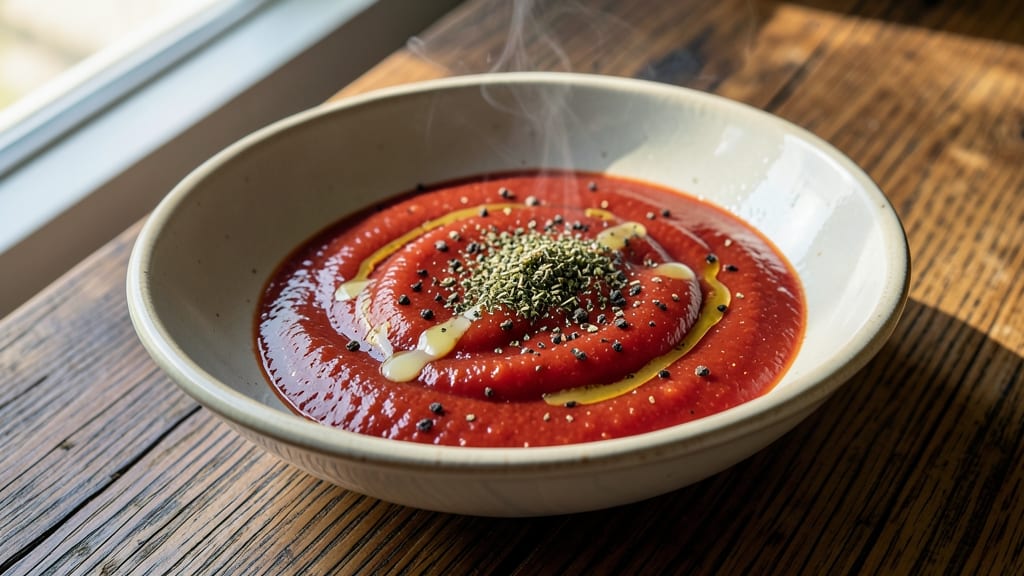
Creating the perfect Chicago sauce means capturing that signature deep smoky flavor and tangy sweetness that makes deep-dish pizza legendary. This sauce is more than just tomato—it’s a bold, balanced foundation built with precise simmering and a touch of vinegar for that signature Chicago bite.
The result is a rich, velvety sauce that clings to crusts and enhances every bite of pizza, just like you’d find in the Windy City’s finest pizzerias.
The key to this sauce lies in its simplicity: quality canned tomatoes, a splash of vinegar, and a blend of spices that create layers of flavor without overpowering. Unlike lighter marinara, Chicago sauce is designed to stand up to thick crusts and hearty toppings, delivering that unmistakable depth.
With just 15 minutes of active prep and 30 minutes of simmering, you’ll have a sauce so good, it’ll change how you think about pizza night forever.
What makes this sauce truly special is its versatility—it’s perfect for deep-dish pizza, but it also elevates stuffed shells, calzones, or even as a marinade for meats. The smoky notes come from a blend of spices, while the vinegar adds that signature tang that defines Chicago-style.
Once you taste the difference, you’ll never go back to store-bought again.
Store it in the fridge for up to 5 days or freeze for 3 months, making it the ultimate make-ahead sauce for busy weeks. Whether you’re a pizza enthusiast or just love bold flavors, this recipe delivers restaurant-quality results at home.
Let’s get started on creating your perfect Chicago sauce.
Ingredients for chicago sauce
Nine simple ingredients transform into the legendary Chicago sauce that'll make your pizza unforgettable.
| Ingredient | Amount | Notes |
|---|---|---|
| San Marzano Tomato Crushed Cans 🍅 | 2 cans | 28 oz each, no salt added |
| White Vinegar 💧 | ¼ cup | Distilled, for tangy depth |
| Granulated Garlic 🧄 | 2 tbsp | Freshly ground preferred |
| Onion Powder 🧅 | 1 tbsp | Diamond Crystal preferred |
| Dried Oregano 🍃 | 1 tbsp | Mexican oregano for authenticity |
| Smoked Paprika 🌶️ | 1 tbsp | For that signature smoky flavor |
| Ground Black Pepper 🌶️ | ½ tsp | Freshly cracked for intensity |
| Granulated Sugar 🍚 | ½ tsp | Balances acidity perfectly |
| Diamond Crystal Kosher Salt 🧂 | 1 tsp | Adjust to taste, don't skip |
| Extra-Virgin Olive Oil 🫒 | 2 tbsp | High quality, fruity notes |
San Marzano tomatoes are non-negotiable here—their natural sweetness and low acidity make all the difference. Trader Joe's and Whole Foods carry the best cans, but any high-quality brand will work. The vinegar is where the magic happens—distilled gives you that clean, bright tang without overpowering. Smoked paprika is your secret weapon for that authentic Chicago smokiness; Penzeys has a great selection if you want to splurge. Freshly ground spices are worth the extra minute—they pack way more flavor than pre-ground. If you're short on time, toast your spices in a dry pan for 30 seconds to deepen their aroma before adding to the sauce.
No white vinegar? Apple cider vinegar works too, but it'll add a slight sweetness. Skip the smoked paprika? Regular paprika plus a pinch of liquid smoke gets you close, though nothing beats the real thing. Fresh oregano is ideal, but dried at half the amount works in a pinch. The sugar might seem odd, but it's essential to balance the acidity—trust me, it rounds out the sauce beautifully. For a deeper flavor, simmer the sauce longer (up to 45 minutes) to let the spices meld together. And if you're feeling adventurous, add a dash of hot sauce at the end for extra kick—just don't tell anyone it's not traditional!
This sauce keeps beautifully—5 days in the fridge sealed in an airtight container, or 3 months frozen in ice cube trays for perfect portions. The flavor actually improves after the first day as everything marries together. I like to make a big batch and freeze half; that way, I always have restaurant-quality sauce on hand for spontaneous pizza nights. Pro tip: If you're using this for deep-dish, let it come to room temperature before assembling—it spreads more evenly and creates that perfect sauce-to-crust ratio. And if you've got leftover sauce, it makes an amazing marinade for chicken or meatballs—just don't tell anyone it's not purpose-built for that!
Why You'll Love This Recipe
- Pantry Magic: I swear, this sauce comes together with ingredients you already own—no fancy shopping required. That tangy San Marzano base, a splash of vinegar, and a pinch of garlic powder? It’s the kind of recipe that makes me feel like a genius when I remember I had everything on hand.
- Tangy, Garlicky Bliss: The vinegar cuts through the sweetness of the tomatoes while the garlic powder delivers that bold, savory punch. Honestly, it’s the kind of flavor that makes you reach for seconds without even thinking—especially when it’s slathered on hot dogs or drizzled over fries.
- Game for Any Meal: Between us, this sauce is my go-to for weeknight dinners, tailgates, or even as a dip for veggies. It’s the unsung hero that turns simple meals into something special—no matter the occasion.
- Budget-Friendly Staple: A single can of tomatoes and a few spices stretch to feed a crowd, and leftovers? They keep for weeks in the fridge. I’ll be real: it’s the kind of sauce that makes me feel like I’m feeding a houseful of people without breaking the bank.
Step-by-step instructions for Chicago sauce recipe
Here's the method that delivers that iconic smoky depth and perfect balance every time.
Bloom the Aromatics in Olive Oil
Heat the 2 tablespoons extra-virgin olive oil in a heavy-bottomed saucepan over medium-low heat. The oil should shimmer slightly but not smoke—this prevents burning the delicate flavors we're about to develop. Add the 2 tablespoons granulated garlic and let it bloom for 30 seconds until fragrant. Here's the thing—don't rush this step. The garlic needs time to release its sweet, nutty aroma before we move forward.
Next, whisk in the 1 tablespoon onion powder and 1 tablespoon smoked paprika. Stir constantly for 1 minute until the mixture becomes deeply aromatic and slightly darkened in color. This is where the sauce's signature smoky character begins to build. The paprika should dissolve completely, creating a rich, velvety base that will carry through the entire sauce.
Build the Sauce Foundation
Pour in the 2 cans San Marzano tomato crushed cans and stir vigorously to incorporate all the spices into the tomatoes. The crushed tomatoes should coat the back of a spoon immediately—this ensures even distribution of flavor. Add the 0.25 cup white vinegar, 0.5 teaspoon granulated sugar, and 1 teaspoon Diamond Crystal kosher salt. The vinegar brightens the acidity while the sugar subtly balances it, creating that perfect Chicago sauce tang.
Bring the mixture to a gentle simmer over medium heat. Here's where precision matters: maintain a steady low boil for 20-25 minutes without stirring. The sauce will thicken naturally as moisture evaporates, and you'll see a beautiful sheen develop on the surface. This is the moment that matters—resist the urge to stir frequently, as this can break down the sauce's texture and create foam.
Refine and Season to Perfection
After 20-25 minutes, the sauce should have reduced by about one-third and developed a glossy, syrupy consistency. Taste it now—you'll notice a deep tomato flavor with underlying smokiness and just a hint of sweetness. If the sauce is too thick, add 1-2 tablespoons water to reach your desired consistency. For a smoother texture, use an immersion blender to purée briefly, but leave it slightly chunky for authentic Chicago sauce character.
Add the 0.5 teaspoon ground black pepper and 1 tablespoon dried oregano, then simmer for another 5 minutes. The oregano should infuse its earthy notes without overpowering, while the pepper adds a subtle heat that brightens the entire sauce. Taste again and adjust the seasoning—this is where you fine-tune the balance. Chicago sauce should be rich but not cloying, tangy but not sour, and deeply flavorful without being overpowering.
Rest and Prepare for Use
Remove the sauce from heat and let it rest for 10 minutes at room temperature. This resting period allows the flavors to meld completely and the sauce to thicken slightly as it cools. The sauce should now have a velvety texture with a glossy sheen—this is your signal that it's ready to use. If you're making pizza, you can use it immediately, but for best results, let it sit at room temperature for up to 4 hours or refrigerate for up to 5 days. The flavors only deepen with time.
Before using, give the sauce a final taste and adjust the seasoning if needed. The perfect Chicago sauce should coat the back of a spoon with a luxurious thickness, have a balance of sweet, smoky, and tangy flavors, and leave you craving another bite. This sauce is the backbone of deep-dish perfection—use it generously on your next pizza night for that authentic Chicago experience.
Pro Tips For Making Chicago Sauce
- Simmer Slow and Low: After burning the first batch, I learned Chicago sauce isn’t about speed—it’s about patience. Once the tomatoes hit the pot, reduce heat to a gentle bubble (not a roll) and let it cook uncovered for at least 45 minutes. The vinegar will mellow, flavors meld, and you’ll end up with a sauce that’s bright, not bitter.
- Dump the Vinegar Last: I used to add white vinegar at the start, and the sauce always tasted harsh. Instead, stir it in during the last 10 minutes of cooking—this lets the acid brighten the tomatoes without overpowering them. Think of it like a final seasoning, not a base ingredient.
- Crush Garlic Properly: Granulated garlic is convenient, but it lacks depth. If you’re using it, double the amount (1 tsp → 2 tsp) and toast it in a dry pan for 30 seconds first—this caramelizes the flavor. No granulated? Mince fresh and cook it with the onions (if you’re adding them) to build a real aromatic base.
- Strain for Smoothness: This isn’t a fancy restaurant sauce, but if you want it silky (like the kind that clings to deep-dish), strain it through a fine-mesh sieve after simmering. Use a wooden spoon to press out every last bit—your future self will notice the difference when drizzling it over hot dogs.
Essential equipment for this recipe
Heavy-Bottomed Saucepan
Your saucepan is the foundation of this recipe—never skimp here. I use a 5-quart enameled cast iron Dutch oven from Le Creuset because it distributes heat evenly and prevents scorching. The enameled coating also makes cleanup a breeze.
If you don’t have one, a stainless steel saucepan with a thick base works too, but avoid thin aluminum pans—they can burn the sauce before it simmers properly. 🔥
Immersion Blender
For that silky-smooth texture without transferring hot sauce to a food processor, an immersion blender is a game-changer. I recommend the Ninja Foodi 1000-watt—it handles thick sauces like Chicago sauce effortlessly and cleans up in seconds.
If you prefer a food processor, pulse briefly (just 2-3 seconds) to maintain some chunkiness for authentic texture. Never blend the sauce completely smooth unless you're making a sauce for lasagna, where a velvety finish is preferred.
Fine-Mesh Strainer
A fine-mesh strainer (like the OXO Good Grips) is essential if you want to remove any tomato skins or seeds for a cleaner sauce. After simmering, simply pour the sauce through the strainer into a bowl—this step is especially useful if you used whole peeled tomatoes instead of crushed.
I skip this for crushed San Marzano cans, but it’s worth having on hand for future sauce-making adventures. The strainer also comes in handy for purifying broths or making fresh tomato juice. 💧
Wooden Spoon
Wood is your best friend when stirring this sauce. A heat-resistant wooden spoon (I use Oxo’s 12-inch version) won’t scratch your pan and won’t conduct heat like metal, preventing the sauce from sticking. Plus, wood naturally releases oils that enhance the sauce’s depth over time.
Avoid plastic spoons—they can melt or leach chemicals when exposed to high heat. For extra durability, soak your wooden spoon in hot, soapy water after each use to keep it in top shape.
Digital Kitchen Scale
Precision matters with spices, and a digital kitchen scale (like the OXO Good Grips) ensures you measure ingredients like smoked paprika and oregano accurately. Many recipes call for "a pinch" or "to taste," but Chicago sauce thrives on balance—too much vinegar or sugar can throw off the flavor.
Weighing spices gives you consistency, especially if you’re making this sauce multiple times. I also use my scale to measure the San Marzano tomatoes by weight (about 14 oz per can) for even more control over the final texture. 💡
Air-Tight Storage Containers
Once your sauce is ready, store it properly to preserve its flavor. I use glass mason jars (like Ball Wide-Mouth) for short-term fridge storage—they’re easy to seal and let you see the sauce’s beautiful color.
For long-term freezer storage, silicone ice cube trays work perfectly for portion control, while vacuum-sealed bags (like FoodSaver) prevent freezer burn and keep the sauce fresh for up to 3 months.
Label everything with the date to track freshness—this sauce tastes even better after a few days as the flavors meld! ❄️
Nutrition facts
Frequently asked questions
What makes Chicago sauce different from regular marinara?
Chicago sauce stands out with its bold, smoky depth and perfect balance of tangy sweetness. While marinara is lighter and often chunky, Chicago sauce gets its signature flavor from smoked paprika, a splash of white vinegar, and a longer simmer to develop a velvety, syrupy consistency. The vinegar adds that signature tang, while the spices create layers of flavor that pair perfectly with deep-dish pizza.
Can I substitute white vinegar with something else?
Yes! While white vinegar is traditional, apple cider vinegar works well and adds a subtle sweetness. For a milder taste, use red wine vinegar (reduce to 2 tablespoons instead of ¼ cup). Lemon juice is another option, but it can make the sauce too acidic—use sparingly. The key is balancing the acidity to avoid an overly sour sauce.
How do I fix a sauce that’s too thick or too thin?
If your sauce is too thick, thin it with 1-2 tablespoons water or broth while simmering. For a thinner sauce, simmer uncovered for an extra 5-10 minutes to reduce moisture. If it’s too thin after simmering, blend it briefly with an immersion blender to break down the tomatoes naturally. Avoid adding cornstarch—it can make the sauce taste artificial.
Can I make this sauce without smoked paprika?
For a smoky flavor without smoked paprika, use 1 teaspoon regular paprika plus ½ teaspoon liquid smoke. Alternatively, add ½ teaspoon chipotle powder for a deeper, slightly spicy kick. Just remember, smoked paprika gives the most authentic Chicago-style flavor, so it’s worth tracking down if possible.
How long can I store Chicago sauce, and does it get better over time?
This sauce keeps for 5 days in the fridge in an airtight container, or 3 months in the freezer. The flavors actually improve as they meld—taste it after 24 hours for the best results! For freezing, portion into ice cube trays or small jars for easy use. Thaw overnight in the fridge before reheating. The sauce thickens when chilled, so stir well before using.