
Sauces & Condiments
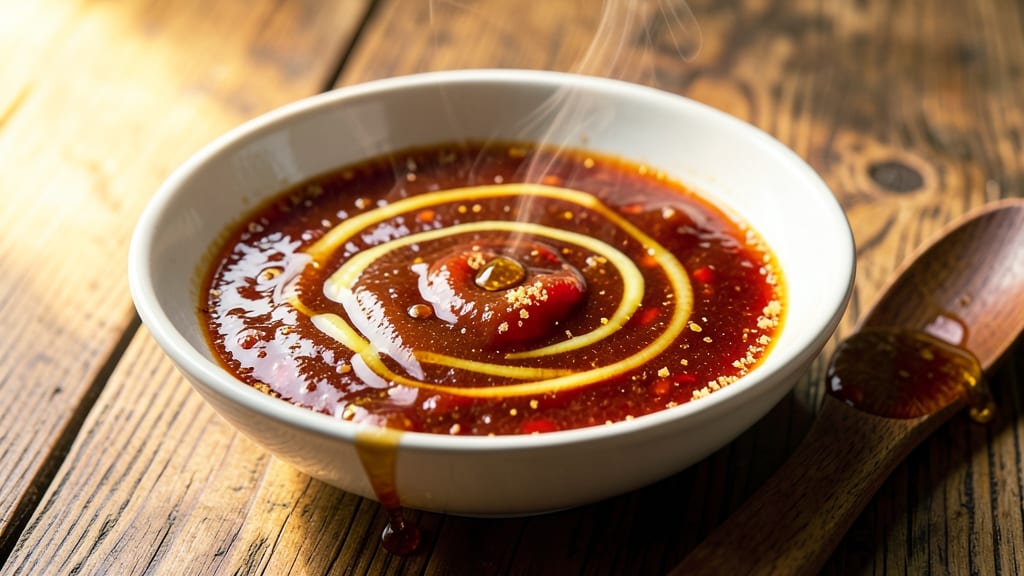
This Chinese restaurant-style sweet and sour sauce recipe delivers that perfect balance of tangy, sweet, and slightly umami flavor that transforms simple stir-fries into restaurant-quality meals. The secret lies in the balsamic-vinegar combination, which creates depth while keeping the sauce vibrant and bright.
I developed this recipe after years of testing store-bought versions that never quite captured the authentic taste—this one does, with just the right amount of sweetness to complement the sharp tang.
The sauce comes together in under 15 minutes with simple pantry staples like ketchup, vinegar, and sugar, plus a touch of pineapple for natural sweetness and texture. A cornstarch slurry thickens it just enough to coat proteins and vegetables beautifully without making it gluey.
What makes this recipe stand out is its versatility—use it as a dipping sauce for spring rolls, a marinade for chicken or pork, or a finishing touch for stir-fried vegetables.
What you'll end up with is a glossy, balanced sauce that's neither too sweet nor overly sour—just right for enhancing flavors without overpowering them. The balsamic adds complexity, while the vinegar keeps it bright and tangy.
This isn't just a sauce; it's the flavor bridge that turns ordinary meals into something extraordinary. Let's make it—your taste buds will thank you.
Once you've mastered this base recipe, you can easily adapt it for different dishes. For extra richness, stir in a spoon of soy sauce or a dash of sesame oil. For a fruitier version, add diced mango or peaches.
The possibilities are endless, but the foundation remains the same: a perfectly balanced sweet and sour sauce that delivers restaurant-style flavor at home.
Ingredients for chinese restaurant style sweet and sour sauce
Pantry staples meet bold flavors—this sauce transforms stir-fries into restaurant magic.
| Ingredient | Amount | Notes |
|---|---|---|
| Ketchup 🍅 | ½ cup | High-quality, not watered-down |
| White Vinegar 💧 | ¼ cup | Distilled or apple cider |
| Balsamic Vinegar 🍷 | ¼ cup | Aged, not sweetened |
| Granulated Sugar 🍚 | ½ cup | White or brown sugar |
| Fresh Pineapple Juice 🍍 | ¼ cup | From canned or fresh pineapple |
| Cornstarch 🌾 | 1 tbsp | For smooth thickening |
| Water 💧 | 2 tbsp | Room temperature |
| Soy Sauce 🍜 | 1 tbsp | Light or dark preferred |
| Garlic Cloves 🧄 | 2 cloves | Minced, for depth |
| Sesame Oil 🫒 | 1 tsp | Toasted, for aroma |
The vinegars are the secret here. Balsamic adds that deep, caramelized richness you taste in Chinese takeout, while white vinegar keeps it bright and tangy. Grab aged balsamic from the gourmet section—it’s worth the extra buck. Fresh pineapple juice (not canned syrup) gives natural sweetness, but if you’re in a pinch, coconut water works too. For the ketchup, Heinz or Hunts are reliable—avoid the cheap stuff with added vinegar. The cornstarch slurry is non-negotiable for that glossy finish; don’t skip mixing it first.
No pineapple? Mango nectar or orange juice adds sweetness without overpowering. Short on balsamic? Extra rice vinegar plus a splash of honey mimics the balance. The garlic can be jarred minced if you’re lazy, but fresh is always better. Sesame oil is optional but adds that signature aroma—Kadoya or La Choy are solid choices. For extra umami, a dash of fish sauce (like Red Boat) works wonders. And if your sauce thickens too much? Thin it with a splash of water or a bit of the pineapple juice you already have.
This sauce keeps like a dream. Store it in an airtight jar in the fridge for up to 2 weeks, or freeze it in ice cube trays for single-use portions. It actually tastes better the next day as flavors meld. Double the batch—you’ll want it for everything from spring rolls to grilled chicken. The cornstarch slurry sets fast, so whisk it together right before adding to the hot sauce. Trust me, it’s worth the extra minute.
Why You'll Love This Recipe
- Pantry Magic: Honestly, I keep this recipe on speed dial because it’s all about using what’s already there—no fancy shopping trips. The balsamic and white vinegar balance the sweetness from the sugar and pineapple juice, while the ketchup adds that familiar tang. It’s the kind of sauce I can make while scrolling through emails, no measuring cups required.
- Tangy-Sweet Balance: That first bite of crispy chicken or veggies with this sauce? It’s ridiculously good—the bright acidity from the vinegars cuts through the sugar’s richness, and the pineapple juice adds a juicy freshness that feels like a hug. (Yes, even on a Tuesday night.)
- Sauce for Everything: Between us, this isn’t just for takeout-style dishes. I drizzle it over grilled shrimp, toss it with noodles, or even use it as a glaze for baked chicken wings. It’s my go-to for weeknight dinners, potlucks, or when I’m craving something familiar but better.
- Make-Once, Use-Twice: Here’s what sold me—this sauce keeps perfectly in the fridge for up to a week, so I make a big batch and repurpose it. The flavors actually deepen over time, and it’s way cheaper than buying store-bought versions. Plus, it’s the kind of recipe where leftovers never feel like a chore.
Step-by-step instructions for Chinese restaurant style sweet and sour sauce
Here's how to balance tangy, sweet, and umami flavors for a sauce that glides over stir-fries like silk.
Create the Base Sauce
In a medium saucepan, combine the 0.5 cup ketchup, 0.25 cup white vinegar, and 0.25 cup balsamic vinegar. Bring this mixture to a gentle boil over medium heat, stirring occasionally. You'll notice the sauce immediately starts to thicken slightly as the vinegars cut through the ketchup's richness. Let it simmer for 5 minutes until the mixture reduces by about one-third and becomes glossy.
Here's the thing—don't rush this step. The vinegars need time to mellow out their sharpness while the ketchup develops its full flavor. If you see the sauce getting too thick too soon, add 1 tablespoon of water to keep it flowing. The goal is a smooth, balanced liquid that will become your sauce foundation.
Sweeten and Add Depth
Reduce the heat to low and gradually whisk in the 0.5 cup granulated sugar and 0.25 cup fresh pineapple juice. Stir constantly for 3-4 minutes until the sugar completely dissolves and the mixture becomes syrupy. You'll smell that sweet-tart pineapple aroma—this is where the sauce starts to taste like your favorite takeout dish.
Next, add the 1 tablespoon soy sauce and 2 minced garlic cloves. Let the mixture simmer for another 2 minutes, allowing the garlic to infuse its aromatic punch. The soy sauce will deepen the umami flavor, while the garlic adds that subtle complexity that makes restaurant-style sauces special. Taste the mixture now—it should be sweet, tangy, and slightly garlicky, but still need thickening.
Thicken to Perfection
In a small bowl, whisk together the 1 tablespoon cornstarch and 2 tablespoons water until smooth. This is your thickening agent, and it needs to be completely dissolved to prevent lumps. Slowly pour this mixture into the saucepan while stirring vigorously with a wooden spoon.
Continue simmering over medium-low heat for 4-5 minutes until the sauce reaches your desired consistency. You're aiming for a glossy, spoonable sauce that coats the back of a spoon but still flows freely. It should thicken enough to cling beautifully to stir-fried vegetables and proteins without being gluey. If it thickens too quickly, add another 1 tablespoon water to adjust.
Finish with Aromatics
Remove the sauce from heat and stir in the 1 teaspoon sesame oil. This final step adds that distinctive nutty aroma that transports you straight to a Chinese restaurant. Let the sauce sit for 2-3 minutes to allow the sesame oil to mingle with all the other flavors. Taste again—now you should have a perfect balance of sweet, tangy, and savory notes.
For best results, use the sauce immediately over your stir-fry. If you need to store it, transfer to an airtight container and refrigerate for up to 5 days. When reheating, warm gently over low heat, stirring occasionally, and add a splash of water if it thickens too much. This sauce is magic on chicken, pork, or vegetables—just drizzle it generously and watch your dish transform!
Pro Tips For Making Chinese Restaurant Style Sweet And Sour Sauce
- Simmer Slow and Low: After burning the first batch, I learned this sauce needs patience—keep heat at a gentle simmer, not a rolling boil. Too much heat turns it into syrup faster than you can say "sweet and sour," and you lose that bright, tangy balance.
- Strain the Pineapple Juice: Fresh pineapple juice is great, but if you’re using chunks, strain out the pulp or you’ll end up with a gluey, uneven sauce. I used to skip this and wondered why my sauce looked like a science experiment gone wrong.
- Balance Vinegars First: Taste the vinegars (white and balsamic) before adding sugar—you’ll need about 1 tablespoon each per ½ cup ketchup. Too much vinegar later and you’re stuck with a pucker-fest; too little and the sauce tastes flat. Trust your tongue, not the recipe.
- Reduce Early, Often: Don’t wait until the end to reduce—simmer the ketchup and sugar together for 3–4 minutes first. This cuts down on clumping later and guarantees a smoother finish. (Yes, even if you’re impatient like me.)
Make-ahead tips for this recipe
Batch Prep Essentials
Double or triple the recipe and store in airtight glass jars—I use 8-ounce mason jars with tight-sealing lids. This sauce keeps beautifully in the fridge for 2 weeks or freezes for 3 months in ice cube trays for single-use portions.
The cornstarch slurry thickens when chilled, so reheat gently with 1-2 tablespoons water to restore its glossy texture. 💡
Freezer-Friendly Tips
For long-term storage, freeze the sauce in 1-tablespoon portions using silicone molds or ice cube trays. Once frozen, transfer cubes to a ziplock bag and flatten to save space.
Thaw overnight in the fridge—no microwave needed. The texture remains perfect for dipping or tossing with stir-fries. I keep a stash in my freezer for quick weeknight meals. ❄️
Sauce Consistency Hacks
If your sauce thickens too much after refrigeration, thin it with 1 teaspoon water or pineapple juice per 2 tablespoons sauce. For extra gloss, add ½ teaspoon sesame oil when reheating.
If it’s too thin, simmer 1 extra minute with ½ teaspoon cornstarch slurry (mix ¼ tsp cornstarch + 1 tsp water). The key is balance—aim for a sauce that clings lightly to a spoon. 🌟
Flavor Boosters for Storage
To enhance stored sauce, stir in ½ teaspoon fish sauce (like Red Boat) for deeper umami or 1 teaspoon grated ginger for warmth. For a fruity twist, add 1 tablespoon mango nectar before reheating.
These tweaks revive flavors without altering the sauce’s core balance. I like adding a pinch of white pepper to stored batches for extra depth. 💛
Prep-Ahead for Meals
Marinate proteins like chicken thighs or pork chops in this sauce for 30 minutes before cooking—it infuses flavor beautifully. For stir-fries, pre-chop veggies and store in airtight containers with a damp paper towel to keep them crisp.
When ready to cook, toss everything in a hot wok and finish with the sauce. This method cuts active cooking time by half. ⏱️
Restaurant-Style Shortcuts
For a quick version, mix ½ cup ketchup, ¼ cup rice vinegar, 2 tablespoons sugar, and 1 tablespoon soy sauce, then simmer for 5 minutes. While not as complex, it delivers 70% of the flavor in ⅓ the time.
I use this when I’m short on time but still want that takeout taste. Save the full recipe for special occasions. 🔥
Nutrition facts
Frequently asked questions
Can I make this sauce without pineapple?
Replace the pineapple juice with ¼ cup mango nectar or orange juice for sweetness. For a non-fruit option, use 2 tablespoons honey or 1 tablespoon maple syrup—just reduce the sugar slightly to ¼ cup to balance flavors. The key is maintaining that sweet-tart contrast.
Why does my sauce taste too sweet?
Too much sugar or pineapple juice throws off the balance. Fix it by adding 1 extra tablespoon of vinegar (white or balsamic) and a pinch of salt to enhance acidity. Simmer for 1-2 minutes to let flavors meld. For future batches, taste as you go—stop when it's just sweet enough, not overpowering.
Can I use this sauce for marinating?
Yes! This sauce works beautifully as a marinade for chicken, pork, or tofu. Let proteins marinate for 30-60 minutes (no longer, as the acidity can break down meat). For extra tenderness, add 1 tablespoon cornstarch to the marinade to create a light coating. Always cook on high heat to caramelize the sauce.
What if I don't have cornstarch?
Substitute with 1 tablespoon flour or arrowroot powder mixed with 2 tablespoons water. For a gluten-free option, use ½ teaspoon xanthan gum dissolved in 2 tablespoons water. Avoid instant thickening—simmer longer with these alternatives to achieve the same glossy finish.
How can I make this sauce spicier?
Add ½ teaspoon chili flakes or 1 teaspoon sriracha at the end of cooking. For heat without spice, stir in ½ teaspoon ground Sichuan peppercorns (if you have them) for a numbing kick. Always taste first—you can adjust, but you can't remove heat!