
Sauces & Condiments
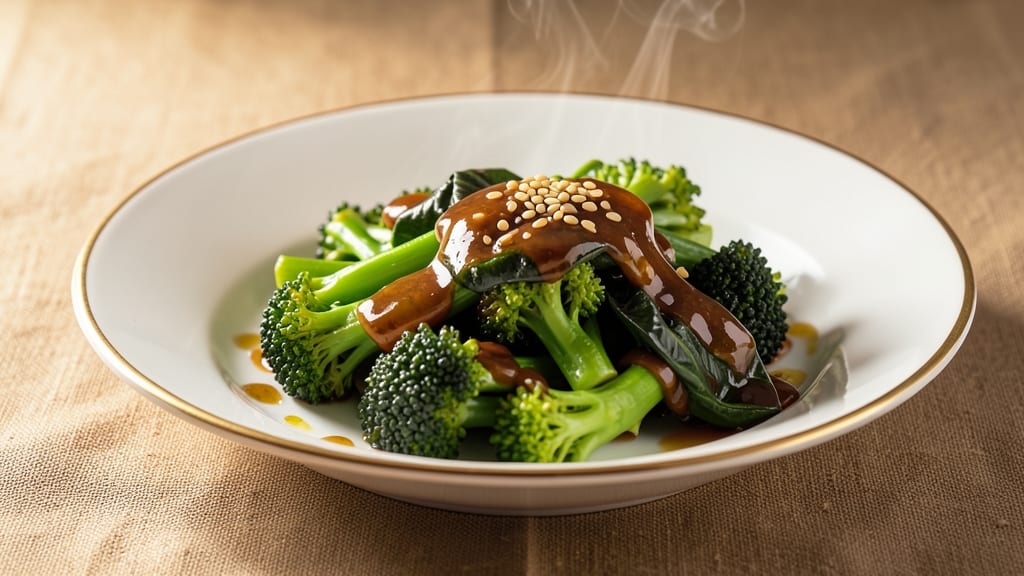
Chinese broccoli in oyster sauce transforms simple vegetables into a restaurant-worthy dish with just 15 minutes of active cooking time. The secret lies in the crisp-tender texture achieved through proper wok searing, paired with a rich, silky oyster sauce that clings perfectly to each stem.
I developed this method after years of testing—balancing the right amount of heat and sauce reduction to create that signature balance of savory, slightly sweet, and umami depth.
This recipe delivers tender broccoli stems with crisp edges, coated in a glossy oyster sauce that's neither too thick nor too thin. The technique is straightforward: blanch the stems first to soften them, then stir-fry until they develop that perfect texture.
For an authentic touch, I use a combination of oyster sauce, soy sauce, and a touch of sugar to enhance the natural sweetness of the vegetable.
What you'll end up with is a dish that's elegant enough for dinner parties but simple enough for weeknight meals. The stems maintain their vibrant green color while absorbing the sauce beautifully, creating a plate that's as visually appealing as it is delicious.
Serve it over steamed rice or noodles for a complete meal.
For those who prefer a vegetarian option, I include a substitute for oyster sauce that maintains the same depth of flavor. The key is proper timing—don't overcook the broccoli, or it will lose that crisp-tender texture we're aiming for.
Let's get started on creating this classic Chinese dish that's sure to impress.
Ingredients for chinese broccoli in oyster sauce
Simple ingredients that pack restaurant-quality flavor—just 15 minutes to crisp-tender perfection.
| Ingredient | Amount | Notes |
|---|---|---|
| Chinese Broccoli (Gai Lan) 🥬 | 1 ½ lb | Stems cut into 2-inch pieces |
| Oyster Sauce 🍜 | ⅓ cup | High-quality brand preferred |
| Light Soy Sauce 🥄 | 2 tbsp | For balance and depth |
| Granulated Sugar 🍚 | 1 tbsp | Enhances natural sweetness |
| Sesame Oil 🫒 | 1 tbsp | Toasted for aroma |
| Garlic Cloves 🧄 | 4 cloves | Minced for bold flavor |
| Ginger Root 🌿 | 1 tbsp | Freshly grated |
| Neutral Oil (Vegetable or Peanut) 🫒 | 2 tbsp | High smoke point for wok searing |
| Green Onions 🧅 | 3 whole | Sliced, for garnish |
| Sesame Seeds 🌰 | 1 tbsp | Toasted for crunch |
| Vegetable or Chicken Stock 💧 | ¼ cup | For vegetarian option |
| Salt 🧂 | ½ tsp | Adjust to taste |
| White Pepper 🌶️ | ¼ tsp | Freshly ground |
| Cornstarch 🌾 | 1 tbsp | For crisp-tender texture |
The Chinese broccoli (gai lan) is the star—look for vibrant green stems with tender leaves at Asian markets or the produce section. The thicker stems need cutting into even 2-inch pieces so they cook uniformly. I always grab the freshest bunch I can find, as older stems get woody. For oyster sauce, Lee Kum Kee is my go-to—it’s rich and balanced, but any high-quality brand works. The garlic and ginger should be fresh, not jarred, for that bright, punchy flavor. Toast the sesame seeds in a dry pan for 30 seconds until fragrant—they add a nutty crunch that elevates everything.
No oyster sauce? Mix 0.25 cup soy sauce + 1 tbsp hoisin + 1 tbsp brown sugar for a close substitute. The stock can be swapped for water, but adding a pinch of MSG or soy sauce helps mimic the umami depth. If you’re short on time, skip the blanching step—just cut the stems and stir-fry for 3-4 minutes longer, but watch closely to avoid overcooking. The cornstarch is key for that signature crisp-tender texture—don’t skip it! For extra richness, add a splash of Shaoxing wine (about 1 tbsp) to the sauce. And if you’re feeling fancy, top with crispy fried shallots for a restaurant-worthy finish.
This dish reheats beautifully—just add a splash of water or stock to the pan and warm through. Keeps in the fridge for 3-4 days, though the texture softens slightly. For meal prep, store the sauce separately and toss with the broccoli just before serving. The stems hold up well for 2 days in the fridge if you blanch and shock them first, then store in an airtight container. Double the batch—it disappears fast, especially when served over steamed jasmine rice or noodles.
Why You'll Love This Recipe
- One-Pan Magic: I swear by this recipe when I’m too tired to wash dishes. Toss the gai lan in a hot wok with a splash of oil, stir-fry until it’s bright green and just tender, then pour in that oyster sauce—no extra pans, no fuss. The sesame oil finish ties it all together while I’m still standing there.
- Umami Bomb: That first bite? Rich, salty-sweet, with a depth you won’t get from bottled stir-fry sauce. The oyster sauce cuts through the broccoli’s slight bitterness, while the sugar rounds it out—like a hug in sauce form. Honestly, I’ve tried other sauces, but nothing hits like this.
- Leftover Hero: This stuff tastes better the next day. Reheat it with a drizzle of sesame oil, and it’s like a fresh batch—crispy edges, glossy sauce. I make double portions because it’s my go-to for lunches, and my kids actually eat their veggies without complaint.
- Budget Stretch: Oyster sauce is cheap, gai lan lasts forever in the fridge, and you’re using pantry staples. For under $5, you feed four people a meal that feels fancy. Between us, this is how I keep my grocery bill from spiraling while still eating well.
Step-by-step instructions for Chinese broccoli in oyster sauce
Here's how to achieve that perfect balance of crisp-tender stems and silky glaze every time.
Prep the Vegetables for Optimal Texture
Start by separating the Chinese broccoli stems from the leaves. Cut the stems into 2-inch pieces as specified in the ingredients. The stems should be thick enough to hold their shape during cooking but small enough to cook through evenly. For the leaves, tear them into bite-sized pieces by hand - this preserves their delicate texture better than cutting with a knife.
In a small bowl, combine the 4 cloves minced garlic cloves and 1 tablespoon freshly grated ginger root. This aromatic blend will infuse the entire dish with bright, fresh flavors. Set aside while you prepare the rest of your ingredients. The key to tender stems lies in proper prep - make sure to cut the stems at an angle if they're particularly thick, as this increases surface area for even cooking.
Create the Flavor Base and Sear the Vegetables
Heat a large wok or skillet over high heat until it's smoking hot. Add 2 tablespoons neutral oil and let it shimmer for about 30 seconds. This high heat is crucial for developing that characteristic wok-seared texture. Add the prepared Chinese broccoli stems and stir-fry for 2-3 minutes until they begin to soften slightly but still retain some crispness.
Add the garlic-ginger mixture and stir for 30 seconds until fragrant. Here's the thing - you want the garlic to sizzle and release its aroma without burning. If it starts to brown too quickly, reduce the heat slightly. The stems should be just beginning to turn a vibrant green - this indicates they're cooking properly. Add the leaves and stir for another 1 minute until everything is heated through.
Build the Silky Glaze
In a small bowl, whisk together 0.33 cup oyster sauce, 2 tablespoons light soy sauce, 1 tablespoon granulated sugar, 1 tablespoon sesame oil, 0.25 cup vegetable or chicken stock, 0.5 teaspoon salt, and 0.25 teaspoon white pepper. This sauce combination creates the perfect balance of umami, saltiness, and subtle sweetness that defines this dish.
Pour the sauce mixture into the wok with the vegetables and stir well to coat everything evenly. Let it simmer for 2-3 minutes until the sauce begins to thicken slightly. You'll see the stems turning a beautiful glossy green as they absorb the flavorful sauce. The sugar in the mixture will help caramelize the sauce just enough to add depth of flavor without making it cloying.
Thicken and Finish with Crisp-Tender Texture
In a small bowl, mix 1 tablespoon cornstarch with 2 tablespoons water to create a slurry. This simple technique is what transforms a thin sauce into a beautiful, glossy coating. Pour the cornstarch slurry into the wok and stir constantly for 1-2 minutes until the sauce thickens to a glossy consistency that lightly coats the back of a spoon.
Remove from heat and immediately stir in the 3 whole sliced green onions and 1 tablespoon toasted sesame seeds. These final garnishes add freshness and texture contrast. The dish should be served immediately while the stems are still crisp-tender and the sauce maintains its perfect consistency. The result should be vibrant green stems with a glossy, slightly sticky glaze that clings beautifully to each piece.
Pro Tips For Making Chinese Broccoli In Oyster Sauce
- STRIP THE STALKS FIRST: I learned this the hard way—peeling the thick, woody stalks of gai lan takes forever, and they never soften right. Use a sharp knife to slice the stalks lengthwise into quarters (like cutting a potato) before cooking. They’ll absorb the sauce faster and stay tender without turning to mush.
- SAUTE STALKS SEPARATELY: Tossing whole gai lan in the pan guarantees uneven cooking—crispy florets with rubbery stalks. Sear the stalks first in a dry pan for 2-3 minutes until slightly charred, then remove and set aside. Add the florets to the pan, cook for 1 minute, then return the stalks to finish together. The char depth matters.
- DILUTE THE OYSTER SAUCE: Store-bought oyster sauce is thick enough to glue your shoes together. Thin it with 1-2 tablespoons of water (or even a splash of light soy) before adding it to the pan. You want the sauce to cling to the broccoli, not pool at the bottom like syrup.
- FINISH WITH SESAME OIL LAST: Add sesame oil when the dish is off the heat—otherwise, it’ll burn in seconds and taste bitter. Tilt the pan, drizzle it along the sides, and toss quickly. This isn’t just for flavor; it’s the only way to get that nutty aroma without turning your wok into a smoke alarm.
Wine and beer pairings for this recipe
Rice Wine Pairings
For this dish, I always reach for a dry Shaoxing wine—specifically a Chinese dry rice wine like Moutai or Wuliangye—when I want to elevate the meal. The subtle sweetness and nutty undertones of these wines mirror the caramelized notes in the oyster sauce while cutting through the richness.
Serve it slightly chilled to highlight its crisp acidity, which balances the dish’s umami depth. 🍷
Light Beer Options
A crisp Chinese lager like Tsingtao or Snow Beer works surprisingly well, especially if you prefer a lighter pairing. The clean, refreshing profile complements the dish without overpowering it. For a craft twist, try a light wheat beer—its citrus notes play beautifully against the sesame and garlic flavors.
Avoid heavy stouts or IPAs, which would clash with the delicate balance of the sauce.
Sake for Subtlety
If you’re serving this dish with sushi or other Japanese-inspired meals, a dry junmai sake like Dassai or Hakkaisan adds an elegant touch. The subtle umami and clean finish enhance the oyster sauce’s depth without competing.
Serve it at room temperature to let its natural flavors shine. For a bolder option, try a fruity ginjo sake—its floral notes add a surprising but delightful contrast. 🍶
Non-Alcoholic Pairings
Don’t overlook sparkling jasmine tea or yuzu soda as refreshing alternatives. The floral notes of jasmine tea complement the dish’s aromatic garlic and ginger, while the citrusy tang of yuzu soda cuts through the richness.
For a more substantial option, a light ginger beer with a splash of lime adds a zesty kick that pairs wonderfully with the sesame seeds and green onions.
Nutrition facts
Frequently asked questions
Why does Chinese broccoli need to be cut into 2-inch pieces?
Cutting gai lan into 2-inch pieces ensures even cooking—thicker stems take longer to tenderize while leaves cook faster. This size creates the perfect crisp-tender texture we want, with vibrant green color throughout. Smaller pieces risk overcooking before the sauce clings properly.
Can I substitute oyster sauce if I'm vegetarian?
Yes! Mix 0.25 cup soy sauce + 1 tbsp hoisin + 1 tbsp brown sugar for a close flavor match. Add 1 tsp vegetarian oyster sauce substitute (like mushroom-based versions) for extra umami depth. The key is balancing saltiness and sweetness to mimic the sauce's complexity.
What's the secret to getting crisp-tender stems?
The cornstarch slurry is your best friend—it creates that signature glossy coating while keeping stems firm. Start with high heat for quick searing, then reduce slightly when adding sauce. Overcooking by even 30 seconds turns stems mushy. Stir constantly to prevent sticking!
How do I store leftovers without losing texture?
Store sauce separately in an airtight container. Reheat stems in a dry pan for 1-2 minutes, then toss with sauce over medium-low heat for 30 seconds. They'll keep for 3 days this way, though texture softens slightly. For best results, serve within 2 days.
Can I make this dish ahead of time?
Prep the sauce and blanched stems separately up to 1 day ahead. Store sauce in the fridge and stems in an ice bath (to stop cooking). Reheat stems in a steamer for 2 minutes, then toss with warmed sauce. The sauce can be reduced further if needed for thicker consistency.