
Side Dishes
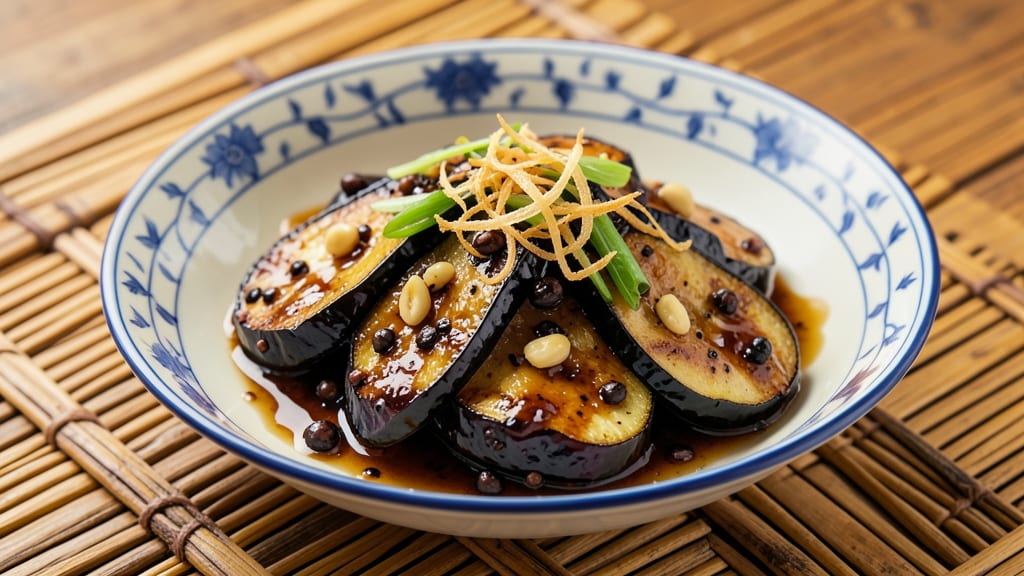
Chinese eggplant with black bean sauce delivers the perfect balance of crispy textures and silky, umami-rich sauce that transforms a simple vegetable into a restaurant-worthy dish.
The key lies in properly salting the eggplant to remove bitterness and creating a sauce that's both savory and slightly sweet, with fermented black beans as the star.
I've perfected this technique over years of testing, ensuring the eggplant stays crisp-tender while absorbing just enough sauce to make every bite irresistible.
The process begins with preparing the eggplant—slicing it evenly and salting it to draw out moisture, which prevents sogginess during stir-frying. Meanwhile, the black bean sauce develops its signature depth through a combination of garlic, ginger, soy sauce, and a touch of sugar, all simmered until thick and glossy.
This isn't just a side dish; it's a flavor-packed component that pairs beautifully with rice, noodles, or even grilled meats, making it versatile enough for any meal.
What you'll achieve is eggplant with crispy edges and tender centers, coated in a glossy black bean sauce that's rich with fermented bean flavor and just the right amount of sweetness.
The sauce clings to the eggplant slices, creating a harmonious balance between the earthy vegetable and the savory, slightly funky black beans. This dish is simple yet impressive, perfect for weeknight dinners or when you want to elevate a meal without complicated techniques.
For added protein, consider stir-frying tofu or shrimp alongside the eggplant—both absorb the sauce beautifully while adding texture and nutrition. The recipe scales easily, so you can adjust the quantity based on how many you're serving.
Once you try this version, you'll never go back to store-bought sauces or mushy eggplant again.
Ingredients for chinese eggplant with black bean sauce
The secret to perfect Chinese eggplant lies in salting and fermented black beans for that signature umami richness.
| Ingredient | Amount | Notes |
|---|---|---|
| Chinese Eggplant 🍆 | 2 lb | Asian variety, sliced into 1/4-inch pieces |
| Fermented Black Beans 🫘 | ½ cup | Rinsed well, drained |
| Garlic Cloves 🧄 | 6 cloves | Minced finely for sauce |
| Fresh Ginger 🌿 | 1 ½ tbsp | Finely grated, aromatic |
| Light Soy Sauce 🥄 | ¼ cup | Kikkoman preferred |
| Dark Soy Sauce 🥄 | 1 tbsp | For color depth |
| Granulated Sugar 🍚 | 1 tbsp | Balances umami |
| Sesame Oil 🫒 | 1 tbsp | Toasted, aromatic |
| Vegetable Oil 🫒 | ½ cup | High smoke point |
| Diamond Crystal Kosher Salt 🧂 | 1 ½ tbsp | For salting eggplant |
| Cornstarch 🌾 | 1 tbsp | For crispy coating |
| Red Chili Flakes 🌶️ | ½ tsp | Adjust for heat |
| Green Onions 🧅 | 4 whole | Sliced thin, for garnish |
| Sesame Seeds 🌰 | 1 tbsp | Toasted lightly |
The eggplant is non-negotiable—Asian varieties like Chinese eggplant have thinner skin and fewer seeds, making them ideal for crisp-tender results. Grab one from the Asian market or specialty grocery section, not the watery, bitter ones from the regular produce aisle. If you can't find Asian eggplant, Italian eggplant works in a pinch, but slice it thinner and salt it longer. The fermented black beans? Look for the kind in jars—they're usually labeled 'black soybeans' or 'douchi' at stores like H Mart or 99 Ranch Market. If you can't find them, substitute black beans soaked overnight, but the flavor won't be as deep.
No fermented black beans? Black soybeans from the Asian market are your best bet—they're fermented naturally. Short on sesame oil? Toast regular sesame seeds until golden and grind them into a paste with a pinch of salt. The soy sauces matter here—Kikkoman for light, Lee Kum Kee for dark. If you're missing dark soy sauce, add a splash of molasses for color. The cornstarch is key for that crispy texture—don't skip it. And if you're sensitive to heat, reduce the chili flakes to a pinch or swap for a pinch of Sichuan peppercorn powder for a numbing kick instead.
Salt the eggplant slices and let them sit for 30 minutes—this draws out moisture and prevents sogginess. Pat them dry thoroughly before cooking. The black bean sauce keeps for 5 days in the fridge, but the eggplant is best cooked fresh. For meal prep, store the sauce separately and toss with pre-cooked eggplant. If you're making this ahead, freeze the sauce for up to 3 months—it reheats beautifully. Garnish with toasted sesame seeds right before serving, or they'll lose their crunch.
Why You'll Love This Recipe
- One-Pan Magic: I swear by this recipe when I’m too tired to scrub pots—just slice the eggplant, fry it until golden, then toss everything into the same pan with the black bean sauce. The garlic and ginger sizzle into a fragrant paste while you chop, and boom, dinner’s ready.
- Umami Bomb: That fermented black bean sauce? It’s where the real magic happens—salty, funky, and packed with depth. The soy sauce ties it all together, but it’s the eggplant’s crispy edges soaking up that sauce that makes me reach for seconds every time.
- Lunchbox Hero: Between us, this is my go-to for meal prep—it reheats beautifully and keeps well for days. Pack it in containers for work lunches or serve it cold over rice for a no-fuss dinner. My college-aged son still begs for it, and he’s eaten at half the food trucks in town.
- Budget Stretch: Honestly, this recipe costs me pennies per serving. Eggplant is cheap, black beans last forever in the pantry, and a few cloves of garlic go a long way. I’ve made it for date nights, family dinners, and even as a side for takeout—always a win.
Step-by-step instructions for stir-fried Chinese eggplant with black bean sauce
Here's how to transform simple ingredients into a restaurant-worthy dish with perfect texture contrast.
Prepare and Salt the Eggplant for Maximum Crispiness
Slice the 2 lb Chinese eggplant into ¼-inch thick pieces using a sharp chef's knife. The thinner the slices, the more evenly they'll crisp. Arrange them on a clean kitchen towel and sprinkle evenly with 1.5 tbsp Diamond Crystal kosher salt. This crucial step draws out excess moisture that would otherwise make the eggplant soggy.
Let the salted eggplant sit for 20 minutes while you prepare the rest. Flip the slices halfway through to ensure even salting. After 20 minutes, pat them dry thoroughly with paper towels—this final drying step is what guarantees that satisfying crunch when stir-fried. Don't skip this; moisture is the enemy of crispy eggplant.
Create the Umami-Packed Black Bean Sauce
In a small bowl, combine the 0.5 cup fermented black beans, 6 cloves minced garlic cloves, 1.5 tbsp finely grated fresh ginger, 0.25 cup light soy sauce, 1 tbsp dark soy sauce, 1 tbsp granulated sugar, and 0.5 tsp red chili flakes. Mash the black beans with a fork until you achieve a chunky paste with some small pieces remaining—this texture adds depth to the sauce.
Transfer the mixture to a small saucepan and bring to a simmer over medium heat. Let it cook for 8-10 minutes until the liquid reduces by about half and the sauce thickens slightly. The aroma should be intense—fermented black beans develop complex umami flavors when cooked. Keep this sauce warm while you prepare the eggplant.
Stir-Fry the Eggplant to Perfect Golden Crisp
Heat 0.5 cup vegetable oil in a large wok or skillet over high heat until shimmering. Working in batches if needed, add the prepared eggplant slices and stir-fry for 3-4 minutes until they turn a beautiful golden brown color. The eggplant should be crisp on the outside while remaining tender inside—this is the texture we're aiming for.
Remove the eggplant from the wok and set aside on a paper towel-lined plate. The key here is not to overcrowd the pan—if you do, the eggplant will steam instead of crisp. You want those slices to develop a satisfying crunch that contrasts perfectly with the silky sauce we'll add next.
Combine and Finish with Toasted Sesame Flavors
Return the wok to high heat and add 1 tbsp sesame oil. Pour in the prepared black bean sauce and let it sizzle for 1-2 minutes until fragrant. Stir in 1 tbsp cornstarch mixed with 2 tablespoons water to thicken the sauce slightly. The sauce should coat the back of a spoon but remain silky, not gluey.
Add the crispy eggplant back to the wok and toss everything together for 1-2 minutes until the eggplant is evenly coated with the sauce. The contrast between the crispy eggplant and the glossy sauce is what makes this dish so satisfying. Remove from heat and let it rest for 2 minutes—this allows the flavors to meld together.
Garnish and Serve Immediately
Transfer the stir-fried eggplant to serving plates and garnish with 4 whole green onions sliced thin and 1 tbsp toasted sesame seeds. The green onions add a fresh contrast to the rich flavors, while the sesame seeds provide a nutty finish. Serve immediately while the eggplant is still crisp and the sauce is hot—this dish doesn't wait well.
Each bite should deliver that perfect combination of crispy eggplant, savory black bean sauce, and aromatic sesame notes. The dish serves 4 generously, making it ideal for a weeknight dinner or meal prep for lunches. The flavors only get better as they sit for a few hours, so consider making a double batch for leftovers.
Pro Tips For Making Chinese Eggplant With Black Bean Sauce
- Slice Eggplant Evenly: Grab a sharp knife and cut the eggplant lengthwise into ½-inch thick planks—no thicker or thinner. I learned this the hard way: uneven slices mean some parts overcook while others stay raw. A mandoline helps if you’re impatient, but a steady hand works too.
- Soak Black Beans First: Dump the fermented black beans in warm water for 10 minutes before using—this cuts through the funk and softens them just enough to blend smoothly. Skipping this step leaves you with a grainy sauce that fights for texture with the eggplant.
- Salt Eggplant Immediately: Sprinkle the sliced eggplant with ½ teaspoon salt the second it hits the pan, then let it sit for 5 minutes. This draws out excess moisture so it sizzles instead of steams, giving you that crispy sear everyone wants. (Yes, even if you’re in a hurry.)
- Stir-Fry in Batches: Crowd the pan and the eggplant turns soggy—trust me, I’ve done it. Work in single layers, cooking each batch for 2-3 minutes per side on high heat until golden. The sauce will come together faster, and the texture stays perfect. (Your future self will thank you.)
Regional styles of these flavors
Cantonese Classic
The most iconic version of this dish hails from Cantonese cuisine, where it's traditionally served as a side or light main course. In this style, the eggplant is sliced into ¼-inch thick rounds and stir-fried until golden, then tossed with a sauce made from fermented black beans, garlic, and ginger.
The key difference is the sauce preparation—I use Lee Kum Kee black bean sauce as a shortcut but always add fresh garlic and ginger for brightness. Serve this with steamed jasmine rice for an authentic experience. 🍚
Sichuan Spicy Twist
For those who love heat, the Sichuan version takes this dish to another level by adding 1 tbsp Sichuan peppercorn powder and 1 tsp chili bean paste to the sauce. The numbing-spicy combination is signature here, balanced with a touch of doubanjiang (fermented chili bean paste) for depth.
I recommend using Chinese eggplant (it handles the heat better than Italian varieties) and finishing with crushed dried chilies for garnish. This version pairs perfectly with steamed buns (mantou) or noodles. 🌶️
Fujian Light Style
Fujian cuisine offers a lighter take on this dish, focusing on fresh, bright flavors. Here, the black bean sauce is reduced with 1 tbsp Shaoxing wine and finished with 1 tsp white pepper instead of chili flakes.
The eggplant is stir-fried with 1 tsp goji berries for subtle sweetness and served with a drizzle of light sesame oil. This version is often paired with stir-fried greens or served as part of a seafood platter. The wine adds complexity without overpowering the dish's natural flavors. 🍶
Hong Kong Street Food
In Hong Kong, this dish is often found at street food stalls and dim sum restaurants, where it's served as a quick, satisfying bite.
The key adaptation here is using thicker eggplant slices (½-inch) for heartier texture, and the sauce is made with more fermented black beans (⅔ cup) for intense umami. I like to add 1 tbsp oyster sauce to the sauce for extra depth.
This version is typically served with fried rice or as part of a congee (rice porridge) spread. The bold flavors stand up to Hong Kong's humid climate perfectly. 🗼
Taiwanese Home-Style
Taiwanese home cooks often prepare this dish with a sweeter, slightly tangier sauce that includes 1 tsp rice vinegar and an extra ½ tsp sugar. The eggplant is sometimes pre-boiled for 2 minutes before stir-frying to ensure tenderness, then finished with a sprinkle of crushed peanuts for texture.
This version is commonly served with pickled vegetables on the side to cut through the richness. The Taiwanese approach balances sweet, sour, and umami in every bite. 🇹🇼
Modern Fusion Adaptation
For a contemporary twist, I've experimented with adding 1 cup shredded Brussels sprouts to the stir-fry for extra crunch and nutrition. The sauce gets a boost of 1 tbsp hoisin sauce for depth, and I finish with crispy fried shallots for garnish.
This fusion version works beautifully as a vegan main course or alongside grilled tofu. The Brussels sprouts add a peppery contrast that elevates the dish to restaurant-quality status. 🥦
Nutrition facts
Frequently asked questions
Why do I need to salt the eggplant before cooking?
Salting removes excess moisture and bitterness, ensuring crispy texture instead of soggy slices. The 20-minute salt bath followed by thorough drying is what creates that perfect golden crunch. Skipping this step guarantees mushy eggplant—no matter how high your heat!
Can I substitute regular eggplant for the Asian variety?
You can try, but results won't be ideal. Asian eggplant has thinner skin and fewer seeds, making it crispier. For a substitute, use Italian eggplant—slice it ⅛-inch thick, salt for 30 minutes, and pat completely dry. The texture will be slightly different but still delicious.
How do I make the black bean sauce less salty?
Reduce the soy sauce to ¼ cup light soy sauce and ½ tbsp dark soy sauce instead. For extra balance, add 1 tsp sugar or a splash of Shaoxing wine. Taste as you go—you can always add a pinch of sugar later if needed. The fermented black beans already contribute umami without extra salt.
Can I prepare this dish ahead of time?
Yes! Make the sauce 1 day ahead and store it in the fridge. For the eggplant, cook it fresh and keep it separate until serving. Reheat the sauce gently, toss with pre-cooked eggplant, and finish with toasted sesame seeds. The flavors meld beautifully over time—just avoid reheating the eggplant until the last minute to maintain crispness.
What's the best way to reheat leftovers?
Reheat only the sauce (not the eggplant) in a small pan over low heat for 2-3 minutes. Toss with cooled eggplant just before serving. For extra crispiness, sear the eggplant in a dry pan for 1 minute before adding the sauce. Microwaving kills the texture—always reheat on the stovetop!