
Sauces & Condiments
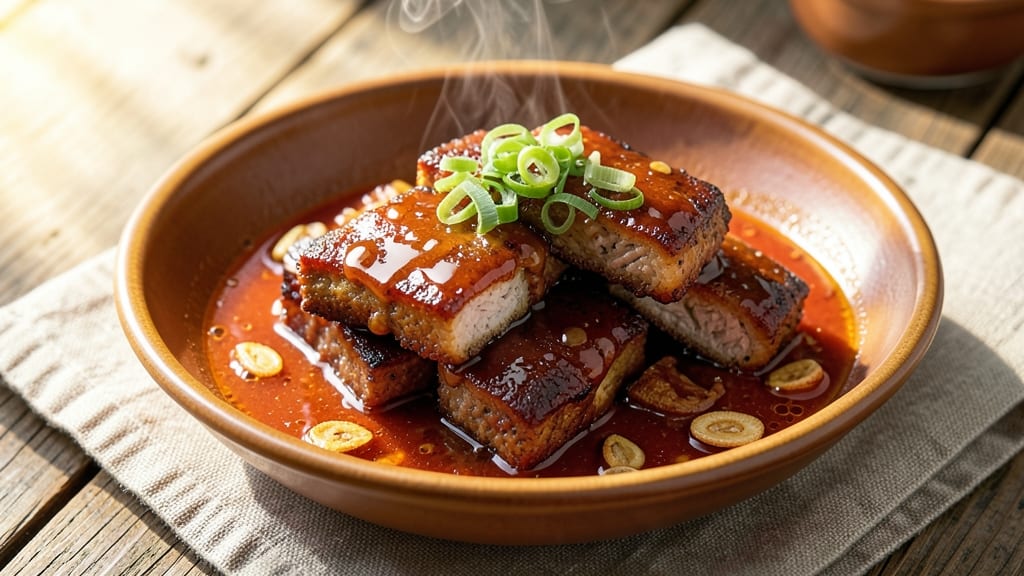
Creating the perfect sweet and sour sauce for ribs transforms a simple cookout into an unforgettable meal. This balanced glaze marries tangy vinegar with rich honey depth, cutting through the richness of slow-cooked meat while adding a caramelized finish.
I developed this recipe after years of testing—too much vinegar overpowers, and too much sweetness cloy, so precision matters.
The secret lies in the ratio of vinegar to honey, where apple cider vinegar provides bright acidity while local honey adds complexity. A splash of soy sauce introduces umami depth, and a touch of garlic powder ensures every bite carries savory notes.
This sauce works equally well on fall-off-the-bone ribs from the smoker, oven-baked brisket, or even grilled spare ribs.
What you’ll end up with is a glossy, sticky glaze that caramelizes beautifully on the grill or in the oven, creating pockets of sweetness and tang that complement the smoky, tender meat.
The sauce thickens slightly as it cooks, clinging to every rib without overwhelming its natural flavor. It’s the kind of condiment that turns a good meal into a standout dish.
Store any leftovers in an airtight container in the refrigerator for up to two weeks, or freeze for three months. Use it not just on ribs, but as a marinade for chicken or pork, or even a drizzle for stir-fries. Here’s how to make it—simple, balanced, and restaurant-worthy.
Ingredients for sweet and sour sauce for ribs
Six key ingredients balance tangy vinegar, rich honey, and savory depth for ribs that shine.
| Ingredient | Amount | Notes |
|---|---|---|
| Apple Cider Vinegar 🍎 | ½ cup | Raw, unfiltered preferred for depth |
| Local Honey 🍯 | ½ cup | Wildflower or clover variety |
| Light Soy Sauce 🥢 | ¼ cup | Kikkoman or San-J preferred |
| Garlic Powder 🧄 | 1 tbsp | Freshly ground preferred |
| Granulated Sugar 🍚 | ¼ cup | Light brown sugar for depth |
| Ketchup 🍅 | ¼ cup | Heinz or organic preferred |
| Water 💧 | ¼ cup | Room temperature preferred |
| Sesame Oil 🫒 | 1 tbsp | Toasted sesame oil for aroma |
| Salt 🧂 | ½ tsp | Kosher or sea salt |
| Black Pepper 🌶️ | ¼ tsp | Freshly ground preferred |
The apple cider vinegar is non-negotiable here—Bragg or local farm varieties add complexity that store-bought can't match. I grab mine in the fall when it's freshest, but any raw, unfiltered vinegar works. The honey should be local if possible (that wildflower or clover stuff), but store-bought Manuka or clover honey is fine in a pinch. For the soy sauce, Kikkoman or San-J are my go-tos—they're consistent and affordable. If you're feeling fancy, grab a bottle of Japanese tamari from Trader Joe's for extra umami. The garlic powder? Penzeys or bulk bins have the freshest ground versions, but honestly, any jar works if it's not ancient.
No apple cider vinegar? White vinegar or rice vinegar in the same amount, but you might want to add a pinch more sugar to balance. Swapping honey for maple syrup keeps it vegetarian—just reduce the sugar by a tablespoon. The ketchup can be skipped if you're avoiding tomatoes, but then add 1 tbsp tomato paste to the water for color. Sesame oil missing? Avocado oil or neutral oil works, but you'll lose that nutty aroma. For the sugar, light brown sugar adds caramel notes, but white sugar is fine if that's what you've got. The sauce thickens as it cooks, so if you're worried about it being too thin, add 1 tsp cornstarch mixed with 1 tbsp water at the end.
This sauce keeps beautifully—2 weeks in the fridge in an airtight jar, or 3 months frozen in ice cube trays for single-use portions. It actually tastes better the next day as the flavors meld. Double the batch if you're grilling—ribs, chicken, or pork all love this glaze. For extra shine, brush it on before the last 10 minutes of cooking. Leftovers? Use it as a marinade for chicken thighs or a stir-fry sauce—just thin with a splash of water if needed.
Why You'll Love This Recipe
- Five-Ingredient Magic: Honestly, I swear by this combo—no fancy pantry runs, just vinegar, honey, soy, garlic powder, and sugar. That’s it. The kind of simplicity that makes me feel like a genius when I pull it off.
- Tangy-Sweet Balance: Between us, the apple cider vinegar cuts through the richness of ribs like a dream, while the local honey adds this just-right stickiness. It’s the kind of sauce where every bite feels like a little flavor explosion—no overpowering sweetness, no dull aftertaste.
- Weeknight to BBQ Hero: This sauce turns a basic rib night into a showstopper without extra effort. Drizzle it on smoky ribs for a Sunday feast, or toss it with chicken for a quick weeknight dinner. Even my picky teen asks for seconds now.
- Leftovers That Shine: I make a double batch every time—some for the ribs, some to stash in the fridge. The next day? Perfect for glazing grilled veggies or drizzling over rice. No waste, all flavor, and it keeps for weeks. My budget—and taste buds—thank me.
Instructions for sweet and sour rib sauce
This sauce comes together in minutes but packs serious flavor—perfect for glazing ribs with that classic tangy-sweet balance.
Whisk Together the Wet Ingredients
In a medium saucepan, combine the 0.5 cup apple cider vinegar, 0.5 cup local honey, 0.25 cup light soy sauce, and 0.25 cup ketchup. Give it a quick stir to break up any honey clumps—you want everything fully incorporated before heating. This base creates the signature sweet-tangy flavor profile that makes ribs irresistible.
Next, add the 0.25 cup water and 0.25 cup granulated sugar. The sugar will dissolve completely as it heats, so don't worry about stirring it in too thoroughly now. The water helps balance the thickness of the honey and vinegar, ensuring a smooth, pourable sauce. Keep the pan off the heat for now—you're just prepping the ingredients.
Simmer Until Thickened
Place the saucepan over medium heat and bring everything to a gentle boil. Once it starts bubbling, reduce the heat to low and let it simmer uncovered for 8-10 minutes. You're looking for the sauce to thicken slightly—it should coat the back of a spoon but still be pourable, not syrupy. Stir occasionally to prevent sticking, especially since we're not using any oil yet.
Here's the thing—if the sauce starts to bubble too vigorously, reduce the heat immediately. You want it to simmer steadily, not boil hard. The goal is to develop flavor without burning the sugar or vinegar. If it reduces too quickly, just add a splash of the 0.25 cup water you set aside earlier—you've got some insurance.
Add Aromatics and Seasonings
Once the sauce has thickened slightly, remove it from heat and stir in the 1 tablespoon garlic powder, 1 tablespoon sesame oil, 0.5 teaspoon salt, and 0.25 teaspoon black pepper. The sesame oil adds a nutty depth that pairs perfectly with the sweetness, while the garlic powder brings that savory punch. The salt and pepper balance everything out—don't skip this step, even if it seems like overkill.
Let the sauce sit off the heat for 2-3 minutes to let the flavors meld. You'll notice the aroma become richer as the garlic powder infuses. If you're using freshly ground black pepper, the tiny flecks will add texture to each drizzle on your ribs. This is where the sauce transforms from good to exceptional—simple seasonings make all the difference.
Adjust Consistency and Serve
Taste the sauce and adjust the seasoning if needed. Need more tang? Add a splash of the 0.5 cup apple cider vinegar. Want it sweeter? Stir in a little more of the 0.5 cup local honey. The sauce should be glossy with a balance of sweet, sour, and umami—like a perfect bite of ribs in liquid form.
If the sauce is too thick for your liking, thin it with a bit more of the 0.25 cup water you reserved. It should be easy to drizzle but still cling to the ribs. For best results, use this sauce immediately on cooked ribs—let it caramelize slightly in the oven or on the grill for maximum flavor impact. The residual heat will help it develop that beautiful glossy finish.
Pro Tips For Making Sweet And Sour Sauce For Ribs
- Simmer Slow and Low: Start with a quick boil to dissolve the sugar, but once everything’s mixed, drop the heat to a gentle simmer—no higher than a whisper. I used to rush this and end up with a vinegary glaze instead of a balanced sauce. Let it bubble quietly for at least 15 minutes so the honey and sugar marry properly.
- Whisk in the Honey Last: Add the local honey after the vinegar and sugar have simmered for 5 minutes—otherwise, you’ll end up with a grainy, unmelted mess. Stir it in slowly while the sauce is still hot, and let it sit for another 2 minutes before tasting. Trust me, your ribs will thank you for the smoothness.
- Skip the Granulated Sugar Rush: If your sauce tastes too sharp or acidic, resist the urge to dump in more sugar all at once. Instead, add it 1 teaspoon at a time, letting the sauce reduce between additions. You’ll hit that perfect balance without turning your ribs into candy.
- Toast the Garlic Powder: Before mixing it into the sauce, sprinkle the garlic powder into a dry, hot pan for 30 seconds—just until it smells fragrant. This deepens the flavor without overpowering the tangy-sweet profile. (Yes, it’s a tiny step, but it makes a real difference.)
Regional styles of these flavors
Southern BBQ Glaze
In the South, this sauce takes center stage as a caramelized glaze for smoked ribs, especially during tailgate parties or Fourth of July cookouts.
I’ve seen it drizzled over St. Louis-style pork ribs at Texas BBQ joints, where the smoky char of the meat contrasts beautifully with the sauce’s bright acidity.
The key here is low-and-slow smoking—cook ribs at 225°F for 5-6 hours before brushing with the sauce in the final 30 minutes to create a sticky, glossy crust. 🔥
For extra depth, add 1 tbsp smoked paprika and ½ tsp cayenne pepper to the sauce while simmering. This gives it that classic Texas-style kick without overpowering the ribs. Serve with white bread for dipping—trust me, the combo is legendary at backyard cookouts.
Carolina Vinegar Cut
In North Carolina, this sauce is often called a "vinegar cut" and is used to balance the richness of pulled pork or spare ribs.
The Carolina approach leans into raw apple cider vinegar (like Bragg) and adds a splash of hot sauce (I like Crystal or Tabasco) for heat. Brush it on ribs during the last 15 minutes of grilling to keep the sauce from burning. 🌶️
Pair it with collard greens and cornbread for a full Southern meal. The tangy-sweet glaze cuts through the fatty pork beautifully, making every bite more balanced. I’ve even used it as a marinade for ribs before smoking—just let them sit for 4-6 hours before cooking.
Midwest Sweet & Tangy
Up North, this sauce gets a touch of molasses (swap 2 tbsp honey for molasses) and is often used on baked ribs or beef brisket. The Midwest style is sweeter and thicker, perfect for cold-weather gatherings.
Cook ribs in the oven at 300°F for 3 hours, then brush with the sauce and broil for 2-3 minutes to caramelize. 🍯
Serve with mashed potatoes and roasted carrots for a hearty meal. The sauce’s depth makes it great for slow-cooker ribs too—just add it in the last 30 minutes of cooking. It’s a crowd-pleaser at family dinners, especially when paired with pickled onions for extra crunch.
West Coast Fusion Twist
On the West Coast, this sauce gets a modern twist—think gochujang (Korean chili paste) for heat and rice vinegar for brightness. I’ve seen it glazed on grilled spare ribs at California BBQ spots, where the sauce is thinner and more dippable.
Use it as a dipping sauce for ribs or even as a stir-fry glaze for pork belly. 🍚
For a fusion version, mix 1 tbsp gochujang into the sauce while simmering. The umami-rich fermented chili paste adds a complex depth that pairs perfectly with grilled meats. Serve with steamed jasmine rice and quick-pickled cucumbers for a fresh contrast.
Nutrition facts
Frequently asked questions
Can I make this sauce without honey?
Replace the ½ cup honey with ½ cup maple syrup for a vegetarian option, or use ¾ cup granulated sugar if you prefer. The sauce will still caramelize beautifully, though honey adds natural depth that sugar can't fully replicate. For extra richness, try 2 tbsp molasses mixed with ½ cup sugar.
How do I prevent the sauce from burning on the grill?
Brush the sauce on ribs during the last 10-15 minutes of cooking when they're already hot. For extra protection, apply it in thin layers and keep the grill lid closed to maintain even heat. If using indirect heat, the sauce will caramelize without burning. For stovetop cooking, reduce to low heat after simmering to prevent scorching.
What's the best way to store leftover sauce?
Transfer to an airtight container and refrigerate for up to 2 weeks. For longer storage, freeze in ice cube trays or small jars—thaw overnight in the fridge before using. The sauce actually improves with time as flavors meld. If it thickens too much when cold, stir in a splash of water to restore consistency.
Can I use this sauce on other meats besides ribs?
Yes! It works beautifully on grilled chicken thighs, pork chops, or even tofu for a vegetarian option. For chicken, brush on during the last 10 minutes of grilling. For pork, use it as a marinade for 4-6 hours before cooking. The sauce also makes an excellent dipping sauce for spring rolls or dumplings.
Why did my sauce turn out too thin?
This usually happens if you didn't simmer long enough or used too much water. Next time, simmer uncovered for the full 8-10 minutes and reduce heat if it bubbles vigorously. For immediate fixes, mix 1 tsp cornstarch with 1 tbsp water, stir into the sauce, and simmer for 2 more minutes until thickened.