
Sauces & Condiments
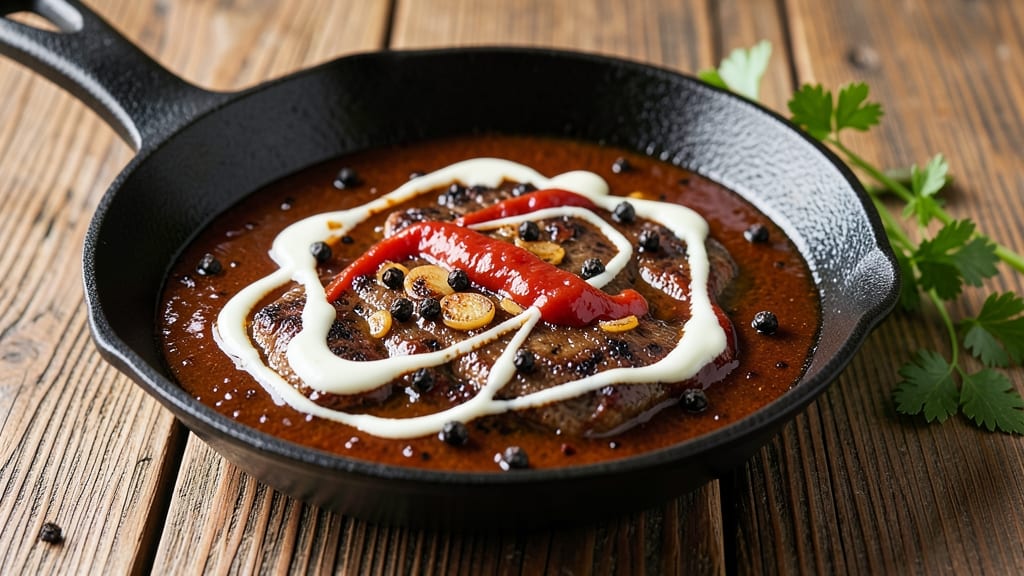
Transforming a simple pan drippings into this rich peppercorn pan sauce is the secret weapon behind every great chop steak experience. The sauce builds on the natural flavors of the meat while adding depth with tomato paste, Worcestershire, and a touch of vinegar—all coming together in just 10 minutes.
I developed this recipe after years of testing restaurant-style techniques at home, and it delivers that signature velvety texture and bold, savory taste.
The beauty of this sauce lies in its simplicity—just a handful of ingredients work together to create something restaurant-quality. What makes it special is the peppercorn, which adds a subtle heat and aromatic complexity without overpowering the dish.
The sauce thickens beautifully as it simmers, creating a glossy finish that coats every bite of your steak.
Perfect for drizzling over chop steak, this sauce also works as a dipping sauce for fries or a finishing touch for grilled meats. The rich, peppery notes elevate even the simplest preparations, turning a weeknight dinner into something memorable. Once you try this, you’ll never go back to store-bought versions.
Store the sauce in an airtight container in the refrigerator for up to 5 days, or freeze for longer storage. It reheats beautifully, making it ideal for meal prep or batch cooking. Let’s get started on this game-changing sauce!
Ingredients for chop steak sauce
Just ten ingredients transform simple pan drippings into restaurant-worthy chop steak sauce.
| Ingredient | Amount | Notes |
|---|---|---|
| Pan Drippings from Chop Steak 🥩 | 2 tbsp | Reserved from cooking steak |
| Black Peppercorns 🌶️ | 1 tsp | Freshly cracked, coarse grind |
| Tomato Paste 🍅 | 1 tbsp | Squeeze tube preferred |
| Worcestershire Sauce 🍯 | 1 tbsp | High-quality brand recommended |
| Red Wine Vinegar 🍷 | 1 tsp | Dry, aged variety |
| Heavy Cream 🥛 | ½ cup | Full-fat for richness |
| Unsalted Butter 🧈 | 2 tbsp | Cold, cut into small pieces |
| Diamond Crystal Kosher Salt 🧂 | ¼ tsp | Fine grain preferred |
| Fresh Thyme Leaves 🌿 | 2 tsp | Or 0.5 tsp dried thyme |
| Garlic Cloves 🧄 | 1 whole | Minced, 1 tsp equivalent |
The peppercorns are non-negotiable here—Penzeys or a high-quality spice blend makes all the difference. Grab the coarse-ground variety at specialty stores for that authentic restaurant texture. Worcestershire sauce? Lea & Perrins is the gold standard, but any reputable brand works. For tomato paste, Trader Joe's squeeze tubes are perfect—no waste, and they keep for months. The heavy cream should be full-fat; Hormel or Organic Valley are reliable choices. Fresh thyme is ideal, but dried works in a pinch at one-third the amount. If you're using dried, brown it lightly in the pan first to deepen the flavor.
No Worcestershire? Soy sauce plus a pinch of sugar gets you close. Short on red wine vinegar? Balsamic vinegar at half the amount works, though it adds sweetness. The butter matters—European-style unsalted melts more smoothly. Garlic powder can replace fresh garlic, but toast it first in the pan drippings for better flavor. For a lighter sauce, swap half the heavy cream for whole milk. Want more depth? Add 1 tsp beef bouillon powder when deglazing the pan. The sauce thickens as it simmers, so if it's too thin, let it reduce longer—don't rush it.
This sauce reheats beautifully—just warm it gently on the stove, stirring occasionally. Store it in a small glass jar in the fridge for up to 5 days. For longer storage, freeze in 1-tbsp portions—perfect for drizzling later. The sauce thickens further when chilled, so thin with a splash of warm water if needed. I always make extra; it pairs perfectly with fries or grilled chicken. Keep a batch in the freezer for those lazy nights when you crave restaurant-quality flavor without the effort.
Why You'll Love This Recipe
- Pan Drippings Magic: I swear by this trick—just let the steak sear in its own fat, then scrape up those golden bits. That’s where the real flavor lives, and it takes zero extra effort.
- Umami Bomb: The combo of Worcestershire and tomato paste? It’s like a flavor grenade—deep, rich, and just a little tangy from that red wine vinegar. One taste and you’ll understand why it’s my secret weapon.
- Leftovers Reinvented: Turn last night’s chopped steak into tomorrow’s sauce—no waste, just better flavor. Toss it with eggs, stir into mashed potatoes, or drizzle over toast. It’s the ultimate meal extender.
- Budget Night Hero: Five ingredients, most of which you already have. This sauce costs pennies but tastes like a fancy restaurant dish. Honestly, it’s the kind of recipe that makes me feel like a cooking genius without breaking the bank.
Step-by-step instructions for chop steak sauce
This rich peppercorn sauce transforms simple pan drippings into a velvety masterpiece.
Bloom the Peppercorns and Garlic
Heat the 2 tablespoons pan drippings from chop steak in a medium saucepan over medium-low heat. Add the 1 whole garlic clove, minced, and the 1 teaspoon freshly cracked black peppercorns. Let them bloom for 1-2 minutes until the garlic becomes fragrant and the peppercorns begin to sizzle gently.
Here's the thing—this step develops the foundation of your sauce. The peppercorns release their essential oils, and the garlic infuses its sweet aroma. If you smell smoke, reduce the heat slightly. You want the aromatics to sing, not burn. Stir occasionally to prevent the garlic from browning too quickly.
Build the Base with Tomato Paste
Add the 1 tablespoon tomato paste and stir vigorously to distribute it evenly. Cook for 2-3 minutes until the paste darkens slightly and the mixture thickens into a paste-like consistency. This step deepens the sauce's umami complexity.
Don't skip this—it's where the sauce gets its rich, slightly tangy backbone. The tomato paste also prevents the cream from curdling later. If the mixture looks too thick, add 1 tablespoon water to loosen it slightly. You want a smooth, even base that will blend seamlessly with the cream.
Deglaze and Incorporate Liquids
Pour in the 1 tablespoon Worcestershire sauce and 1 teaspoon red wine vinegar, scraping the bottom of the pan with a wooden spoon to release any browned bits. Simmer for 1 minute until the liquid reduces slightly and the flavors meld together.
This is where the sauce starts to come together. The Worcestershire adds depth, while the vinegar brightens the flavors. The scraping ensures you capture all the flavorful fond from cooking the steak. If you notice the sauce is too thin at this point, reduce it by 1-2 minutes longer over slightly higher heat.
Finish with Butter and Cream
Reduce heat to low and add the 2 tablespoons cold unsalted butter, cut into small pieces, and the 0.5 cup heavy cream. Stir constantly for 2-3 minutes until the butter melts completely and the sauce thickens to a luxurious, velvety consistency.
Watch carefully—this is the moment that matters. The butter adds richness, while the cream creates that signature silky texture. If the sauce starts to curdle, immediately remove it from heat and whisk vigorously. The sauce should coat the back of a spoon smoothly, with a glossy sheen that indicates perfect emulsification.
Season and Rest
Remove the sauce from heat and stir in the 2 teaspoons fresh thyme leaves and 0.25 teaspoon diamond crystal kosher salt. Let it rest for 2-3 minutes to allow the flavors to fully integrate.
This final step ensures all the components—peppercorn heat, garlic sweetness, and creamy richness—come together harmoniously. Taste and adjust seasoning if needed, adding a pinch more salt or a splash of vinegar if the sauce feels flat. The sauce should be rich, slightly peppery, and perfectly balanced.
Pro Tips For Making Chop Steak Sauce
- CRACK THE PEPPERCORNS FIRST: Don’t toss whole peppercorns into the pan—crack them with the flat side of a knife or a mortar and pestle before adding them to the sauce. This releases their oils and aroma immediately, giving your sauce depth from the get-go. (Yes, it’s extra work, but your taste buds will notice.)
- DEGLAZE WITH VINEGAR LAST: Add the Worcestershire and tomato paste first, then let them cook down for 2–3 minutes before pouring in the red wine vinegar. Vinegar added too early can make the sauce taste harsh and underdeveloped. Wait until the base is rich and sticky—then splash it in for brightness.
- SCRAPE THE PAN AGGRESSIVELY: Use a wooden spoon to scrape the bottom of the pan constantly while cooking the tomato paste and Worcestershire. The browned bits (fond) are where the flavor lives—don’t let them sit. If you’re lazy about this, your sauce will taste flat, no matter how much vinegar you add.
- SIMMER DON’T BOIL THE SAUCE: Once everything’s combined, reduce the heat to low and let it bubble gently for 5–7 minutes. Boiling it turns the sauce thin and vinegary. A slow simmer lets the flavors meld without evaporating the alcohol or making the texture watery. (Trust me, I’ve ruined batches by rushing this.)
Wine and beer pairings for chop steak sauce
Red Wine Pairings
A bold, Cabernet Sauvignon from Napa Valley is my go-to choice for this peppercorn sauce. Its dark fruit notes and firm tannins complement the sauce's richness without overpowering the peppercorn heat.
Look for a 2018 or newer vintage with 14-15% ABV—something like Caymus Vineyards or Opus One delivers that perfect balance. The wine's acidity cuts through the creaminess, while its oak notes enhance the sauce's depth. 🍷
For a more budget-friendly option, try a Malbec from Argentina like Catena Zapata. Its velvety texture and dark berry flavors mirror the sauce's peppery richness. I've also enjoyed pairing this sauce with a Syrah from Washington State, which adds a touch of spice that echoes the peppercorns.
The key is to avoid overly oaky or high-alcohol wines that would clash with the sauce's delicate balance.
Beer Pairings
A Belgian-style Dubbel like Westmalle Trappist brings caramel and spice notes that harmonize beautifully with the peppercorn sauce. The beer's slight sweetness balances the sauce's acidity, while its alcohol content helps cleanse the palate between bites.
For a lighter option, try a German Pilsner such as Weihenstephaner—its crisp, citrusy profile refreshes the palate after each rich spoonful. 🍺
If you prefer American craft beer, a Brown Ale from New Belgium Brewing works wonders. The malt sweetness and toasty notes complement the sauce's creamy texture, while the beer's bitterness provides a nice contrast.
For a bolder option, try a Barleywine with 12% ABV or higher—the high alcohol content cuts through the richness, making each bite more balanced. Just be mindful of the sauce's peppercorn heat when choosing a beer with significant bitterness.
Non-Alcoholic Options
For a non-alcoholic pairing, I recommend a sparkling apple cider like Martinelli's. The effervescence and tartness cut through the sauce's richness, while the apple notes provide a refreshing contrast.
For a more savory option, try a ginger beer like Feather's—the ginger's slight heat complements the peppercorns, and the effervescence keeps the palate clean. 🥤
If you're serving this sauce with fries, a cold, creamy horchata adds a sweet contrast that balances the peppercorn heat. For a more herbal option, a hibiscus iced tea with a splash of lime provides acidity and brightness.
The key with non-alcoholic pairings is to focus on beverages that offer a contrast in temperature, texture, or flavor profile to enhance the sauce's complexity.
Pro Tips for Pairing
Always serve your wine or beer slightly cooler than room temperature—around 55-60°F for reds and 45-50°F for whites or beers. The cooler temperature preserves the beverage's acidity and freshness, which helps balance the sauce's richness.
I also recommend using stemless wine glasses for casual settings—they allow you to enjoy the sauce and drink simultaneously without spills. 💡
When pairing, consider the sauce's texture as much as its flavor. A thicker, creamier sauce pairs well with beverages that have body—like a full-bodied red wine or a malty beer. For a lighter sauce, opt for something crisp and refreshing, like a Pilsner or a sparkling cider.
And remember, the best pairing is the one you enjoy most—so don't be afraid to experiment!
Nutrition facts
Frequently asked questions
Can I make this sauce without pan drippings?
If you don't have chop steak drippings, substitute with 2 tablespoons olive oil or butter. Start with 1 tablespoon butter to bloom the peppercorns, then add 1 tablespoon oil for cooking. The sauce will still be rich and flavorful, though the depth from meaty drippings will be slightly different.
Why does my sauce curdle when adding cream?
Sauces curdle when they're too acidic or heated too quickly. First, ensure your cream is cold before adding it. Second, reduce the heat to low and stir constantly. If it starts to curdle, immediately remove from heat and whisk vigorously. For extra insurance, add 1 teaspoon cornstarch mixed with water to stabilize the sauce.
How can I adjust this sauce for a lighter version?
Swap the heavy cream for half-and-half or whole milk to cut calories while keeping richness. Use 1 tablespoon Greek yogurt instead of butter for tangy depth. For a dairy-free option, replace cream with coconut milk and use 1 teaspoon nutritional yeast for umami. The sauce will be lighter but still flavorful!
Can I make this sauce ahead of time?
Yes! This sauce actually tastes better after resting. Store it in an airtight container in the fridge for up to 5 days. Reheat gently on the stove, stirring occasionally. For longer storage, freeze in 1-tbsp portions—perfect for quick drizzling later. The flavors meld beautifully overnight, making it ideal for meal prep.
What other meats work well with this sauce?
This versatile sauce elevates more than just chop steak! Drizzle it over grilled pork chops, lamb chops, or beef tenderloin. It also works as a dipping sauce for fried chicken or fish sticks. For a vegetarian option, try it with portobello mushrooms or tofu—the peppercorn notes add great depth to plant-based dishes.