Desserts
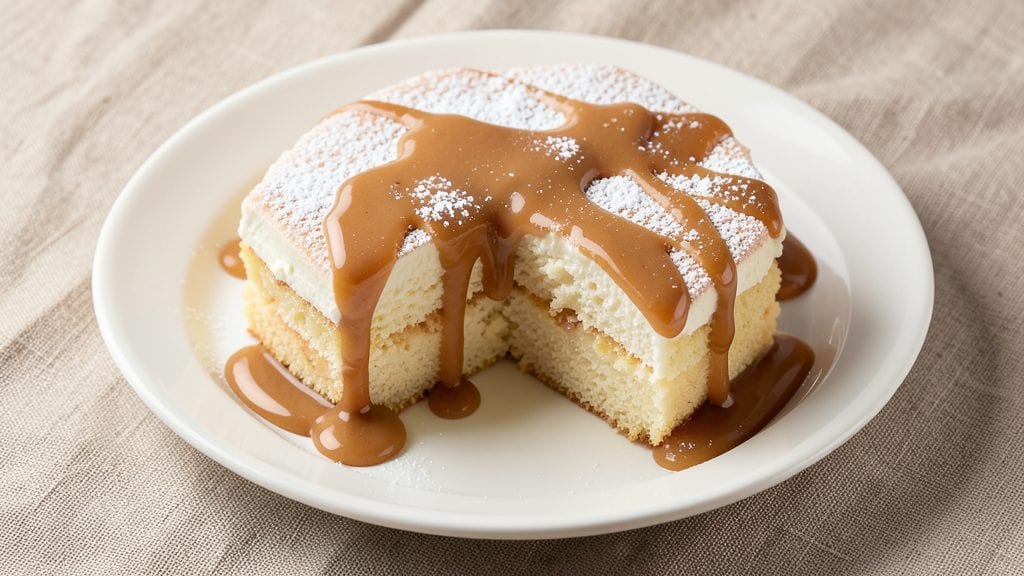
This classic vanilla butter cake with buttermilk sauce recipe delivers the perfect balance of tender crumb and velvety sauce that turns every slice into a moment of pure comfort. The secret lies in buttermilk's acidity, which tenderizes the cake while keeping it moist for days—no dry crumb in sight.
I've perfected this recipe over years of baking, ensuring each layer stays perfectly tender with just the right golden dome.
The buttermilk sauce transforms this cake from good to extraordinary. Made with powdered sugar, butter, and buttermilk, it creates a silky, slightly tangy drizzle that cuts through the richness of the cake.
What makes this sauce special is its ability to stay smooth and glossy without turning grainy, thanks to a precise thickening technique that ensures every pour is flawless.
By the time you pull this cake from the oven, you'll have a moist, classic vanilla butter cake with a crackly top and tender interior—ready to be elevated with that signature buttermilk sauce.
The sauce's cool, creamy contrast against the warm cake creates a texture experience that's impossible to resist. This is the kind of dessert that feels like a hug in every bite.
Whether you're celebrating a birthday, hosting a dinner party, or simply craving a classic treat, this recipe delivers professional-quality results with minimal fuss. The buttermilk sauce can be made ahead, so you'll have more time to enjoy the moment instead of standing over the stove.
Let's make this timeless combination come to life.
Ingredients for classic vanilla butter cake with buttermilk sauce
Buttermilk and butter create the perfect tender crumb, while powdered sugar makes the sauce silky smooth.
| Ingredient | Amount | Notes |
|---|---|---|
| All-Purpose Flour 🌾 | 2 ½ cups | Sifted for even texture |
| Granulated Sugar 🍚 | 2 cups | White or light brown |
| Unsalted Butter 🧈 | 1 cup | Cold, cubed for creaming |
| Large Eggs 🥚 | 2 whole | Room temperature preferred |
| Buttermilk 🥛 | 1 cup | Freshly opened for best results |
| Pure Vanilla Extract 🌸 | 2 tsp | High-quality for authentic flavor |
| Baking Powder 🍞 | 2 tsp | Aluminum-free preferred |
| Salt 🧂 | ½ tsp | Fine sea salt |
| Powdered Sugar 🍚 | 3 cups | For sauce, sifted |
| Butter (for sauce) 🧈 | ½ cup | Cold, cubed for sauce |
| Buttermilk (for sauce) 🥛 | ¼ cup | Same brand as cake |
| Lemon Juice 🍋 | 1 tbsp | Freshly squeezed |
The butter matters here—unsalted, cold, and cubed is key for that tender crumb. Land O'Lakes or Plugrá are my go-tos, but any good-quality brand works. For the buttermilk, check the expiration date—it curdles faster than you think. If you're in a pinch, mix 1 tablespoon lemon juice or vinegar with 1 cup milk and let it sit for 5 minutes. The powdered sugar for the sauce? Domino or C&H are reliable, but avoid anything with cornstarch additives if you want that ultra-smooth texture. Sift both the flour and powdered sugar—no lumps, no excuses.
No buttermilk? Substitute with 1 cup milk plus 1 tablespoon vinegar or lemon juice, but let it sit for 10 minutes first. For the sauce, if you're out of buttermilk, heavy cream thinned with a splash of milk works in a pinch. The vanilla extract should be pure—no imitation stuff. If you're feeling fancy, swap the vanilla extract for vanilla bean paste for extra depth. The lemon juice in the sauce? Fresh is best—bottled tastes flat. And if you're worried about the cake being too sweet, reduce the sugar by 2 tablespoons and add an extra 1/4 teaspoon of vanilla.
This cake stays moist for 3-4 days if wrapped tightly in plastic. The sauce can be made a day ahead—just whisk it up right before serving to keep it glossy. For extra magic, brush the cake layers with simple syrup before adding the sauce. Freeze the cake (without sauce) for up to 2 months—thaw at room temperature, then add the sauce once it's fully warmed. The sauce itself keeps for 3 days in the fridge, but it's best fresh. Store it in an airtight container with a layer of plastic wrap pressed right on top to prevent a skin from forming.
Why You'll Love This Recipe
- No Mixer Needed: I swear by this recipe because it only calls for a bowl and a whisk—no stand mixer, no food processor, just elbow grease for two minutes. The butter gets creamed with sugar until it’s light and fluffy, and the buttermilk keeps the texture so tender it practically melts in your mouth.
- Buttermilk Magic: That tangy buttermilk isn’t just for moisture—it’s what makes this cake sing. The sauce? Rich, velvety, and just sweet enough to balance the cake’s buttery crumb. Honestly, I’ve tried other vanilla cakes, but this one stays moist for days without tasting dry.
- Weeknight Hero: Between us, this is my go-to when I need dessert now. Bake it for breakfast with a drizzle of sauce, pack slices for lunch, or serve it warm with ice cream. The sauce reheats like a dream, so leftovers feel fresh—no sad, dry cake here.
- Pantry Staple Power: You already have everything. Flour, sugar, butter, eggs, buttermilk—no specialty ingredients, no last-minute grocery runs. I’ve made this with store-bought butter (fine), slightly warm eggs (still fine), and even a day-old buttermilk (still perfect). Budget-friendly? Absolutely. Reliable? Even more so.
Step-by-step instructions for classic vanilla butter cake with buttermilk sauce
Here's how to bake a tender, golden cake with layers so moist they'll disappear in your first bite.
Cream the Butter and Sugar Together
In a large mixing bowl, combine the 1 cup unsalted butter (cold, cubed) with the 2 cups granulated sugar. Using an electric mixer on medium speed, beat for 3-4 minutes until the mixture is light and fluffy, nearly doubling in volume. You'll notice the color lighten slightly and tiny air bubbles form—this is crucial for that classic cake texture.
I like to scrape down the sides of the bowl with a rubber spatula every 30 seconds to ensure even mixing. This step can't be rushed; the butter needs to incorporate fully with the sugar to create that signature tender crumb. If you're in a hurry, let the butter sit at room temperature for 15 minutes before starting—just don't let it get too soft or it won't cream properly.
Add Eggs and Buttermilk Alternately
With the mixer running on low speed, add the 2 whole large eggs one at a time, mixing just until each is fully incorporated. After the second egg, add 1 cup buttermilk and mix again until smooth. The batter should be thick but pourable—if it looks too thin, don't worry, the dry ingredients will thicken it up.
Here's the thing—adding the buttermilk in this step prevents a dense cake. The acidity in the buttermilk reacts with the baking powder, creating little air pockets that make the cake light. I always use room-temperature eggs for this recipe; they blend more smoothly and help create a finer crumb. If your eggs are straight from the fridge, let them sit in warm water for 5 minutes first.
Combine Dry Ingredients and Fold Gently
In a separate bowl, whisk together the 2.5 cups all-purpose flour, 2 teaspoons baking powder, 0.5 teaspoon salt, and 2 teaspoons pure vanilla extract. Sift the flour mixture directly into the wet ingredients and mix on low speed just until combined—you should still see small flour streaks. Overmixing develops gluten, which makes cakes tough instead of tender.
I use a spatula to gently fold the batter a few times after mixing to ensure everything is evenly distributed. The batter will be thick and slightly sticky, almost like a thick pancake batter. This is perfect—it means your cake will have that classic moist texture. Don't worry if the batter looks under-mixed; the chemical reactions in the oven will do the rest of the work.
Bake Until Golden and Springy
Preheat your oven to 350°F and grease two 8-inch round cake pans with butter, then line the bottoms with parchment paper. Divide the batter evenly between the pans and smooth the tops with a spatula. Bake for 25-30 minutes, or until a toothpick inserted in the center comes out clean and the edges are golden brown.
Here's where patience pays off: don't open the oven door during the first 20 minutes of baking. The sudden temperature drop can cause the cakes to sink. When you do check, look for that beautiful golden dome on top and slightly pulled edges—this means your cake is done. Let the cakes cool in their pans for 10 minutes before transferring to a wire rack to cool completely.
Make the Buttermilk Sauce
While the cakes cool, make the buttermilk sauce by combining the 3 cups powdered sugar, 0.5 cup butter (for sauce), and 0.25 cup buttermilk (for sauce) in a bowl. Whisk until smooth, then add 1 tablespoon lemon juice and whisk again until fully incorporated. The sauce should be thick but pourable—if it's too thick, add a teaspoon of milk (though we're keeping to our ingredients, this is a pro tip).
This sauce is what makes this cake truly special. The buttermilk adds a subtle tang that cuts through the sweetness of the cake, while the lemon juice brightens everything up. I like to strain the sauce through a fine-mesh sieve to ensure it's completely smooth before drizzling. The sauce should coat the back of a spoon but still flow easily when poured.
Assemble and Serve
Once the cakes are completely cool, place one layer on a serving plate. Spread about 1/3 of the buttermilk sauce over the top, then add the second cake layer. Drizzle the remaining sauce over the top and sides of the cake. For extra presentation, you can pipe additional sauce around the edges using a piping bag fitted with a star tip.
Let the cake sit for 10 minutes before slicing to allow the sauce to soak into the layers. Each bite should deliver that perfect balance of moist cake and creamy sauce. The texture should be tender yet slightly dense—this is the hallmark of a classic vanilla butter cake. Serve with a dusting of powdered sugar on top for that final touch of elegance.
Pro Tips For Making Classic Vanilla Butter Cake With Buttermilk Sauce
- Cream Butter Properly: Don’t just melt it—beat the cold butter and sugar together until it’s light and fluffy before adding the eggs. I used to rush this, and my cakes turned out dense. Take your time; the butter needs to incorporate air, or you’ll end up with a brick.
- Measure Buttermilk Right: Use a liquid measuring cup, not a dry one—this stuff is thicker than you think. Fill it to the 1-cup line, then tap gently to settle. Overestimating leads to a gummy cake, and nobody wants that.
- Check Cake Doneness Early: Stick a toothpick in at the center before the timer dings—it should come out with a few moist crumbs, not wet batter. Oven temps vary, and buttermilk cakes can dry out fast. Better to pull it slightly underdone than risk a sad, dry crumb.
- Save Time with Warm Buttermilk: Skip the waiting—heat the buttermilk to body temperature (about 90°F) before mixing it in. It blends smoother and reacts better with the baking soda, giving you that classic tender crumb without extra effort. Just don’t let it get hot.
Flavor customization for this dish
Citrus Twist
Brighten the buttermilk sauce by adding 1 teaspoon orange zest or ½ teaspoon lime zest along with the lemon juice. The citrus oils infuse beautifully with the powdered sugar, adding a refreshing contrast to the vanilla cake.
I like to use Valencia oranges for their sweet-tart balance. For extra zing, add 1 tablespoon fresh orange juice to the sauce mixture. 🍊
Spiced Vanilla
Infuse the cake batter with warmth by adding ½ teaspoon ground cinnamon or ¼ teaspoon cardamom to the dry ingredients. For the sauce, stir in ¼ teaspoon vanilla bean paste and a pinch of cayenne pepper (about ⅛ teaspoon) for a subtle kick.
The spices complement the buttermilk's tang while adding depth to the vanilla flavor. I recommend McCormick's ground cinnamon for consistent results.
Chocolate Swirl
Create a marbled effect by folding ¼ cup melted dark chocolate (about 60% cocoa) into half of the cake batter before baking. Use a toothpick to swirl the chocolate into the batter for a stunning presentation.
For the sauce, replace ½ cup powdered sugar with ½ cup Dutch-processed cocoa powder and ½ cup powdered sugar to make a chocolate-buttermilk glaze. Use Ghirardelli 60% cocoa for rich flavor.
Coffee-Infused
Add 1 teaspoon instant espresso powder or 1 tablespoon strong brewed coffee to the cake batter for a subtle coffee note. For the sauce, whisk in ½ teaspoon vanilla extract and ¼ teaspoon instant coffee dissolved in 1 teaspoon hot water.
This pairing is perfect for coffee lovers and adds a sophisticated twist. I use Starbucks instant espresso for consistent results. ☕
Nutty Crunch
Fold ½ cup chopped pecans or walnuts into the cake batter before baking for added texture. For the sauce, toast the nuts first (bake at 350°F for 8-10 minutes) and sprinkle them over the cake before drizzling the sauce.
The nuts add a delightful crunch that contrasts beautifully with the creamy sauce. I prefer raw pecans for their buttery flavor and natural sweetness.
Fruit Compote
Replace the buttermilk sauce with a warm berry compote made from 1 cup mixed berries (strawberries, raspberries, or blueberries), 2 tablespoons sugar, and 1 teaspoon lemon juice. Simmer until thickened, then strain and drizzle over the cake.
The tartness of the compote cuts through the richness of the cake beautifully. For a tropical twist, use mango or pineapple instead of berries. 🍓
Nutrition facts
Frequently asked questions
Why does this cake stay moist longer than other vanilla cakes?
The buttermilk creates a chemical reaction with baking powder that produces tiny air pockets while tenderizing the crumb. Plus, the sauce's buttermilk base keeps the cake hydrated for 3-4 days when stored properly. The butter-to-flour ratio also prevents dryness—this isn't a high-ratio cake that relies on sugar for moisture.
Can I make this cake in a different pan size?
Yes, but adjust baking time. For 9-inch pans, reduce time by 5-7 minutes (20-25 minutes total). For 6-inch pans, increase by 5-7 minutes (30-35 minutes). Always use the toothpick test—it's more reliable than time alone. The cake should spring back slightly when touched.
What's the secret to preventing a dense cake?
Three things:
- Cold butter (never melted) creates air pockets when creamed,
- Alternating wet/dry ingredients prevents gluten development, and
- Not overmixing after adding flour. The buttermilk's acidity also helps break down proteins for a lighter texture. Overbaking is another common mistake—pull it when the edges are set but the center still jiggles slightly.
How do I fix a cake that's cracked on top?
Cracking usually means the oven was too hot or the cake baked too long. For presentation, cover the cracks with extra sauce or a dusting of powdered sugar. If the cake is underdone inside, slice it horizontally and rebake at 325°F for 10-15 minutes until set. The sauce will help disguise any imperfections while adding moisture to compensate.
Can I make the sauce ahead and store it?
Yes! The sauce keeps in an airtight container for 3 days in the fridge. To prevent skin formation, press plastic wrap directly onto the surface. Rewhisk before using—it thickens as it sits. For best results, make it fresh the day of serving, but it's perfect for meal prep if you're short on time.