
Sauces & Condiments
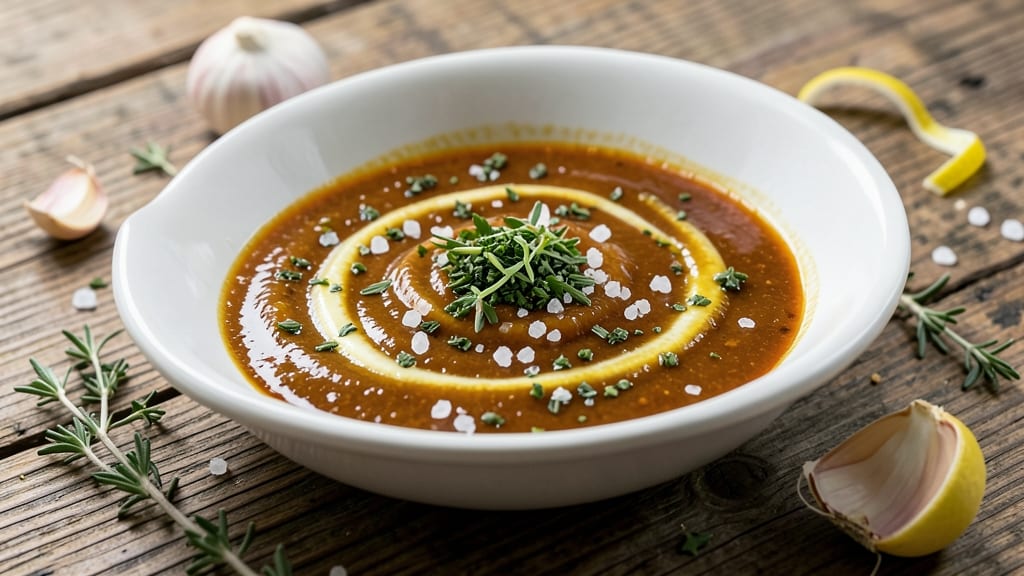
This compound butter sauce transforms ordinary pan-seared proteins into restaurant-worthy masterpieces with just a few simple ingredients. The velvety glaze infuses every bite with rich, herbed flavor while maintaining a delicate balance of creaminess and aroma.
I developed this recipe after years of testing—it’s the one sauce that elevates everything from steak to fish without overpowering the natural taste.
The secret lies in the herb-infused butter base, which melts into a luxurious sauce at the table. Unlike store-bought versions, this compound butter stays fresh for weeks and can be customized with garlic, lemon zest, or fresh thyme.
It’s perfect for drizzling over hot proteins, melting into mashed potatoes, or even spreading on toast for a gourmet touch.
What sets this sauce apart is its versatility—it works as a standalone condiment or as the star of a dish. The butter remains firm enough to shape into logs for easy storage, yet softens effortlessly when heated.
Whether you’re searing a ribeye or roasting salmon, this sauce adds depth and sophistication with minimal effort.
Ready in just 15 minutes, this recipe delivers professional results without requiring advanced techniques. The ingredients are simple, but the impact is undeniable—every bite will taste like you’ve spent hours in the kitchen. Let’s get started on this game-changing sauce.
Ingredients for compound sauce
Nine ingredients elevate simple proteins to restaurant-quality masterpieces with minimal effort.
| Ingredient | Amount | Notes |
|---|---|---|
| Unsalted Butter 🧈 | 1 lb | Cold, cubed for even infusion |
| Fresh Thyme Leaves 🌿 | ¼ cup | Finely chopped, stems removed |
| Fresh Parsley Leaves 🌿 | ¼ cup | Finely chopped, flat-leaf preferred |
| Garlic Cloves 🧄 | 6 cloves | Minced, for aromatic depth |
| Lemon Zest 🍋 | 1 tbsp | Finely grated, organic preferred |
| Diamond Crystal Kosher Salt 🧂 | 1 ½ tsp | Fine grain for even distribution |
| Freshly Ground Black Pepper 🌶️ | ½ tsp | Cracked peppercorns preferred |
| Extra-Virgin Olive Oil 🫒 | 1 tbsp | For binding and richness |
| Heavy Cream 🥛 | ¼ cup | Full-fat for velvety texture |
| Shallot 🧅 | 1 whole | Finely minced, for subtle sweetness |
The butter forms the luxurious foundation, so prioritize high-quality, European-style unsalted butter from brands like Plugrá or Land O'Lakes Cultured. Avoid salted varieties—their mineral content disrupts the delicate herb balance. For freshness, purchase butter in smaller 4-ounce packages from specialty grocers like Whole Foods or Eataly rather than bulk tubs, which oxidize faster. The herbs should be vibrant and fragrant—wilted leaves indicate age. Store them in airtight containers with paper towels to maintain crispness for up to 5 days. The shallot adds subtle sweetness; substitute with 1 tbsp finely minced red onion if unavailable, but the flavor profile shifts noticeably.
No fresh thyme? Dried thyme at one-third the amount works, though it lacks the bright aroma. Substitute parsley with cilantro or chives for a different herbal note, but reduce to 0.125 cup to prevent overpowering. The olive oil acts as an emulsifier—avocado oil functions similarly but lacks fruity complexity. For a dairy-free adaptation, replace the heavy cream with full-fat coconut cream, though the texture becomes slightly firmer. The garlic can be roasted for milder sweetness (wrap whole cloves in foil, bake at 400°F for 10 minutes), but raw minced garlic delivers the classic punch. Pre-minced garlic from jars contains anti-browning agents that dull flavor—always use fresh.
This compound butter maintains peak quality when stored in parchment-lined silicone molds or log shapes wrapped in parchment and foil. In the refrigerator, it keeps for up to 3 weeks, while freezing extends shelf life to 6 months. For reheating, microwave 10-second bursts to soften without melting completely. The sauce thickens when chilled—warm gently over low heat with a splash of heavy cream if needed. Portion into small ramekins for single-serving applications, like drizzling over individual steaks. Leftover sauce can be reworked into herb butter mashed potatoes or seared scallops for effortless gourmet finishes.
Why You'll Love This Recipe
- No-Fuss Ingredients: I keep a stash of butter, garlic, and fresh herbs in my fridge just for this—no fancy shopping lists or forgotten pantry items. Honestly, the only prep is mincing garlic and zapping it in butter until it’s golden, not crispy.
- Herb-Packed Punch: That bright lemon zest and thyme? It’s the kind of flavor that lingers—warm, citrusy, and just herbaceous enough to make plain grilled chicken or roasted veggies taste like a restaurant dish. The parsley at the end ties it all together with a fresh finish.
- Weeknight Magic: This sauce works over pasta, drizzled on steak, or even stirred into soups—no rules, just flavor. I’ve used it to elevate a simple sheet-pan dinner or as a last-minute sauce for takeout leftovers. It’s my go-to for when I don’t want to think too hard.
- Makes Leftovers Shine: A batch keeps for days in the fridge, and it only gets better as the flavors meld. I’ll make a double portion on Sunday, then use it all week—no waste, no stress. Plus, it’s cheap: butter, garlic, and herbs stretch far, and you’ll never reach for store-bought again.
Step-by-step instructions for herb-infused compound butter glaze
Here's the method for crafting a luxurious, aromatic butter blend that elevates any pan-seared protein.
Prepare and Infuse the Herb Base
In a small food processor, combine the 0.25 cup fresh thyme leaves, 0.25 cup fresh parsley leaves, 6 cloves garlic cloves, 1 whole shallot, 1 tbsp lemon zest, 1.5 tsp diamond crystal kosher salt, and 0.5 tsp freshly ground black pepper. Pulse until you achieve a finely minced, uniform texture—this ensures even distribution throughout the butter. Avoid over-processing or the herbs will turn to paste.
Transfer the herb mixture to a mixing bowl and set aside. This aromatic blend forms the flavor foundation for your compound butter. The shallot adds subtle sweetness while balancing the bright citrus notes from the lemon zest. I recommend using a high-quality food processor for this step—it creates a more consistent texture than chopping by hand.
Combine with Cold Butter and Process
Cut the 1 lb unsalted butter into ½-inch cubes and place them in the food processor bowl with the herb mixture. Process on low speed until the butter begins to soften slightly, then increase to medium-high. Continue blending for 3-4 minutes until the mixture becomes completely homogeneous and smooth.
This cold processing technique is crucial—it prevents the butter from melting and creates a stable, spreadable compound. You'll know it's ready when the mixture holds together when pressed between fingers and has a velvety consistency. If the mixture feels too warm, place the bowl in the refrigerator for 5 minutes to firm up before proceeding.
Incorporate Finishing Elements
Remove the compound butter from the food processor and transfer it to a mixing bowl. Using a silicone spatula, gently fold in the 1 tbsp extra-virgin olive oil and 0.25 cup heavy cream. Mix just until combined—overmixing can incorporate air and affect the final texture. The olive oil adds richness while the cream contributes a silky quality.
At this stage, the mixture should resemble a thick, spreadable paste with a vibrant green hue from the herbs. For best results, I recommend working quickly to prevent the butter from softening too much. If the mixture appears too loose, place it in the refrigerator for 10 minutes to firm up before shaping.
Shape and Chill for Stability
Divide the compound butter into 4 equal portions (about 4 ounces each) and shape each into a log. Wrap each log tightly in plastic wrap, twisting the ends to create airtight seals. Place all logs in a single layer in a container and refrigerate for at least 2 hours—this allows the flavors to meld completely and the butter to firm up for easy slicing.
The chilling process is essential for developing the full flavor profile. When ready to use, simply slice off a ¼-inch thick piece and allow it to soften slightly at room temperature for 5-10 minutes before melting over your protein. The glaze should create a luxurious, velvety coating that enhances rather than overpowers the natural flavors of your dish.
Pro Tips For Making Compound Sauce
- Melt Butter Slowly: I learned this the hard way—cranking the heat too high on butter makes it brown and bitter before the aromatics even get a chance to sing. Keep it at medium-low, letting the butter foam and melt gently so it stays rich and golden, not fried.
- Toast Garlic First: Skip the raw garlic, even if the recipe says otherwise. Lightly toast the minced cloves in the butter for 30 seconds until they smell nutty—that depth of flavor carries through the whole sauce. (Yes, even if you’re impatient like me.)
- Zest, Don’t Juice: Lemon zest adds brightness without watering down the sauce, but juice makes it thin and sad. Use a fine grater and stop when you hit the pith—just a teaspoon or two is enough to wake up the butter and herbs.
- Chop Herbs Coarse: Tiny parsley and thyme turn the sauce into a green sludge. Leave the stems attached, stack the leaves, and chop them into rough ¼-inch pieces—they’ll soften beautifully without disappearing. (Your future self will thank you.)
Creative variations of compound sauce
Herb Variations
Swap the thyme and parsley for rosemary and basil for a Mediterranean twist. Use 0.25 cup fresh rosemary needles (finely chopped) and 0.25 cup basil leaves instead. The rosemary adds piney depth, while basil contributes sweetness.
For a smoky profile, replace half the parsley with 0.125 cup chopped smoked paprika—this works especially well with grilled meats. 🌿
Spicy Heat Boost
Add 1 tsp cayenne pepper or 1 tbsp finely minced jalapeño to the herb mixture for a fiery kick. For balanced heat, pair with 1 tsp honey to mellow the spice.
This variation shines on spicy ribeye steaks or chipotle-glazed pork chops. Store the spicy version separately to avoid cross-contamination with mild dishes.
Citrus Brightness
Double the lemon zest to 2 tbsp and add 1 tbsp orange zest for a zesty, vibrant sauce. This works beautifully with seafood, particularly pan-seared scallops or grilled shrimp.
The citrus cuts through richness while adding a refreshing contrast. For extra brightness, stir in 1 tsp fresh lime juice just before serving.
Garlic Lover's Version
Increase the garlic to 8 cloves and add 1 tsp garlic powder for an intense, aromatic sauce. Roast the extra garlic cloves first (wrap in foil, bake at 400°F for 10 minutes) to mellow their sharpness.
This version elevates garlic butter shrimp or herb-crusted chicken. For a spicy garlic twist, add ½ tsp red pepper flakes to the herb mixture.
Cheesy Twist
Fold in ¼ cup grated Parmesan cheese or 2 oz cream cheese when incorporating the finishing elements. The cheese adds a savory depth that pairs perfectly with roasted vegetables or grilled lamb chops.
For a nutty variation, replace the Parmesan with 2 tbsp chopped walnuts or pecans—toast them lightly first for enhanced flavor.
Sweet and Savory
Add 1 tbsp honey or 1 tbsp maple syrup to the herb mixture for a sweet-savory balance. This works wonderfully with bacon-wrapped filet mignon or caramelized onion chicken.
For a fruity touch, stir in 1 tbsp finely chopped dried cranberries or raspberries when melting the butter over the dish. 🍯
Nutrition facts
Frequently asked questions
Can I make this compound butter sauce ahead of time?
The sauce actually tastes better when prepared 24 hours in advance! The flavors meld more deeply during chilling. Store shaped logs in the fridge for up to 3 weeks or freeze for 6 months. Just let them soften at room temperature for 5-10 minutes before using to prevent melting too quickly over hot proteins.
How do I prevent the butter from separating when melting?
Keep the butter cold until the last minute. Slice a ¼-inch thick piece and let it soften at room temperature for 5-10 minutes before melting. For extra stability, add 1 tsp heavy cream when reheating. The olive oil in the recipe helps emulsify the sauce naturally. If separation occurs, whisk gently over low heat until smooth.
What proteins work best with this sauce?
This velvety glaze excels on pan-seared steaks, roasted chicken, and grilled fish like salmon. For seafood, reduce the garlic slightly to avoid overpowering delicate flavors. It also works beautifully on roasted vegetables or as a spread for garlic bread. The key is using proteins with a neutral flavor profile that won't compete with the herb infusion.
Can I substitute dairy-free alternatives?
Yes! Replace the butter with coconut oil (use a 1:1 ratio) and the heavy cream with full-fat coconut cream. The texture will be firmer but still delicious. For a more neutral flavor, use avocado oil instead of olive oil. Note that dairy-free versions may separate slightly when melted, so whisk gently to recombine.
Why did my sauce turn grainy?
Graininess usually happens from over-processing the butter or using warm ingredients. Keep all components cold and process in short bursts on medium-high speed. If it happens, pulse the mixture again briefly or melt the butter gently over low heat while stirring constantly. The herbs should be finely minced but not pulverized to prevent texture issues.