Sauces & Condiments
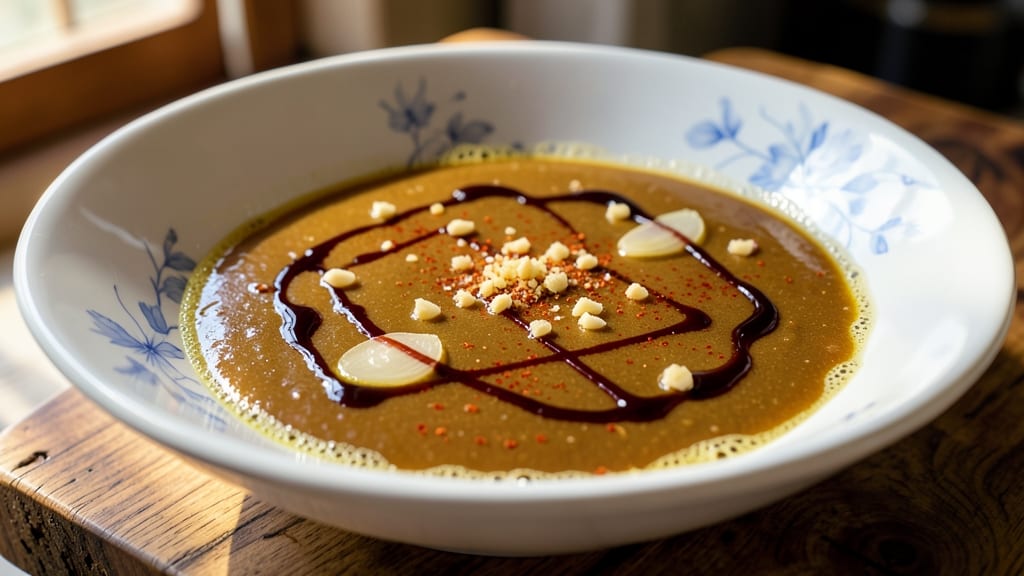
This copycat boiling crab sauce delivers the same velvety, garlicky depth that makes seafood restaurants unforgettable—just in your own kitchen. The secret lies in emulsifying butter with tangy Worcestershire, bright lemon, and a pinch of Old Bay, creating a sauce that clings perfectly to steamed crab or grilled fish.
I developed this recipe after years of searching for a version that matched the restaurant experience without hidden shortcuts.
The process is surprisingly straightforward: melt butter, bloom spices, then reduce with broth and vinegar until thick and glossy. What sets this apart is the balance—enough acidity to cut through richness, enough heat to complement seafood, and just a whisper of sweetness to round it out.
The result is a sauce that’s restaurant-quality but requires only 15 minutes of active time and simple ingredients you likely already have.
This emulsion transforms ordinary seafood into something extraordinary—whether you’re serving it over steamed crabs, drizzling it on grilled shrimp, or using it as a finishing touch for fish. The sauce keeps well in the fridge for up to a week, so you can make a batch ahead for multiple meals.
Once you try this, store-bought versions will never measure up again.
Perfect for seafood lovers who crave that signature restaurant flavor at home. Let’s get started—your next seafood dinner just got an upgrade.
Ingredients for copycat boiling crab sauce
Restaurant-quality sauce starts with these 11 ingredients—simple but transformative for seafood.
| Ingredient | Amount | Notes |
|---|---|---|
| Unsalted Butter 🧈 | ¾ cup | Cold, cubed for emulsification |
| Garlic Cloves 🧄 | 6 cloves | Minced, for aromatic depth |
| Shallots 🧅 | ¼ cup | Finely chopped, for subtle sweetness |
| Old Bay Seasoning 🌶️ | 1 ½ tsp | For signature seafood heat |
| Worcestershire Sauce 🍯 | 1 tbsp | For umami complexity |
| Fresh Lemon Juice 🍋 | 2 tbsp | Bright acidity balance |
| White Wine Vinegar 💧 | 1 tbsp | For tangy depth |
| Chicken Broth 🍲 | ½ cup | Low-sodium preferred |
| Heavy Cream 🥛 | ¼ cup | Full-fat for richness |
| Granulated Sugar 🍚 | ½ tsp | Balances acidity |
| Sea Salt 🧂 | ½ tsp | Diamond Crystal preferred |
The butter is non-negotiable here—European-style like Plugrá or Kerrygold melts smoothly for that silky emulsion. Costco sells it in bulk, which saves money for frequent use. Garlic and shallots should be fresh, with no green shoots—Trader Joe's has pre-minced garlic in a jar if you're short on time, but fresh is always better. Old Bay is the soul of this sauce; grab the original blend, not the 'seafood' version with extra spices. For Worcestershire, Lea & Perrins is the gold standard—don't substitute with hot sauce or soy sauce, no matter how tempted you are.
No Old Bay? Mix 1 tsp paprika, 0.5 tsp celery salt, and 0.25 tsp black pepper as a substitute. Fresh garlic too strong? Roast it first—toss whole cloves in a 400°F oven for 10 minutes, then peel and mince. Short on butter? Use ghee for a richer, nutty flavor that holds up better to heat. The heavy cream can be swapped for half-and-half, but the sauce will be slightly lighter. For a dairy-free version, use coconut cream—but expect a different texture. And if you're out of white wine vinegar, apple cider vinegar works in a pinch.
This sauce keeps beautifully—1 week refrigerated in an airtight jar, or 3 months frozen in ice cube trays for single-serving portions. Reheat gently over low heat, stirring constantly to prevent separation. If it breaks, whisk in a splash of warm water or a pat of cold butter to re-emulsify. I always make a double batch—one for immediate use, one for the freezer. The flavor actually improves after a day or two as the ingredients meld together. Perfect for drizzling, dipping, or finishing any seafood dish.
Why You'll Love This Recipe
- Here’s what sold me: the sauce actually improves after sitting overnight. The flavors meld, and suddenly you’ve got a jar of liquid gold for next week’s lunch. Budget-friendly? Absolutely. Lazy-friendly? Even more so.
- Pantry Magic: I swear, this sauce comes together with stuff you already own—no fancy ingredients, just butter, garlic, and that one spice rack gem, Old Bay. Honestly, I’ve made it three times in a row without even checking the pantry first.
- Umami Bomb: That Worcestershire and shallots? They hit different. The sauce starts rich and buttery, then the Old Bay kicks in with this bright, briny punch—like a seafood hug in every bite.
- Game-Day Ready: Between us, this is my secret weapon for tailgates and lazy Sundays. Drizzle it over crab cakes, toss it with pasta, or just eat it with a spoon—no judgment here.
Step-by-step instructions for velvety garlic-herb emulsion
This emulsion transforms simple ingredients into a restaurant-quality sauce that clings perfectly to crabmeat.
Melt Butter and Sauté Aromatics
In a medium saucepan, melt the 0.75 cup unsalted butter over medium-low heat until it begins to foam but doesn't brown. Add the 0.25 cup finely chopped shallots and 6 cloves minced garlic, stirring constantly for 3-4 minutes until the shallots soften and the garlic becomes fragrant but doesn't brown. The butter should maintain a pale, golden hue—this prevents bitterness in your sauce.
Here's the thing—low heat is crucial. If the butter browns, you'll develop a nutty flavor that overpowers the delicate seafood notes. Remove from heat briefly if you see any golden spots developing, then return to medium-low once cooled slightly. This step builds the aromatic foundation that makes the sauce sing.
Deglaze and Build Flavor Base
Add the 1 tbsp Worcestershire sauce and 1.5 tsp Old Bay seasoning, stirring to combine. Let it simmer gently for 1 minute to allow the spices to bloom. Then pour in the 0.5 cup chicken broth, scraping up any browned bits from the bottom of the pan with a wooden spoon—this captures all the flavor you've built.
Next, add the 2 tbsp fresh lemon juice and 1 tbsp white wine vinegar. The mixture will bubble vigorously—this is normal. Let it simmer for 2-3 minutes until reduced by about one-third. You're looking for a syrupy consistency that coats the back of a spoon. This acid balance is what prevents the sauce from becoming heavy or cloying.
Incorporate Cream and Sugar
Reduce heat to low and slowly whisk in the 0.25 cup heavy cream. The sauce will thicken immediately as the cream heats. Add the 0.5 tsp granulated sugar and 0.5 tsp sea salt, whisking constantly until fully incorporated. The sugar balances the acidity while the salt enhances all the flavors—this is where the sauce comes together.
Simmer gently for 2-3 minutes until the sauce reaches 180°F on an instant-read thermometer. You'll see it thicken to a luxurious, velvety consistency that coats a spoon completely. If it thickens too much, whisk in 1-2 tablespoons of warm water to reach your desired pouring consistency. The sauce should be thick enough to coat but still flow smoothly.
Finish and Emulsify
Remove the sauce from heat immediately and let it rest for 2 minutes. This resting period allows the emulsion to stabilize completely. The sauce should now have a glossy sheen and a perfectly balanced flavor profile—rich from the butter, bright from the citrus, and complex from the Old Bay and Worcestershire.
For the final touch, give it one last whisk to ensure everything is fully combined. The sauce should be smooth with no visible separation. If you see any oil pooling on top, gently reheat the sauce over low heat for 30 seconds while whisking continuously to re-emulsify. Serve immediately over crabmeat or use as a dipping sauce for seafood—it's that good.
Pro Tips For Making Copycat Boiling Crab Sauce
- Sweat, Don’t Burn: Shallots and garlic need patience—cook them low and slow until they’re translucent, not crispy. I used to rush this step and ended up with bitter, browned bits that ruined the sauce’s clean flavor. A splash of water helps steam them gently if they stick.
- Melt Butter Gradually: Don’t toss in all the butter at once. Start with 1 tablespoon to bloom the Old Bay and aromatics, then add the rest as the sauce thickens. This keeps the sauce from seizing up or splitting—trust me, you’ll notice the difference in texture.
- Taste Before Adding Worcestershire: Season with Old Bay first, then taste the base before Worcestershire goes in. That sauce is salty and tangy—adding it blindly can throw off the balance. Adjust salt if needed, then finish with Worcestershire for depth.
- Simmer, Don’t Boil: Keep the sauce at a gentle simmer, not a rolling boil. Boiling burns off the delicate flavors and makes the sauce watery. A low, steady heat lets the butter and aromatics meld without breaking. (Yes, even if you’re impatient like me.)
Regional styles of these flavors
Louisiana Bayou Style
In the swamps of Louisiana, boiling crab sauce gets a smoky, spicy twist with the addition of 1 tsp smoked paprika and a splash of ¼ cup beer (I use Abita Amber for its malty depth).
The sauce here is thicker, almost like a glaze, and often finished with 2 tbsp hot sauce (like Crystal) for that signature Louisiana kick. The key is to simmer the sauce longer—5-7 minutes—to let the flavors meld with the beer's caramel notes.
Serve it over steamed blue crabs with corn on the cob for the full bayou experience. 🌶️
Carolina Coastal Twist
South Carolina's version leans into sweetness and heat with 1 tbsp honey and an extra ½ tsp cayenne pepper. The sauce is lighter, almost like a broth, and often finished with a drizzle of hot honey right before serving.
I like to add ½ cup shrimp stock instead of chicken broth to deepen the seafood flavor. This version pairs perfectly with she-crab soup or grilled shrimp skewers. The heat here is balanced by the honey, making it approachable yet bold. 🍯
New England Clam Sauce
Up north, boiling crab sauce transforms into a clam sauce with the addition of ½ cup chopped clams and a splash of dry white wine (like Sauvignon Blanc). The sauce is lighter, almost like a velouté, and finished with 1 tbsp chopped parsley and a squeeze of lemon.
The clams add a briny depth that cuts through the richness of the butter. Serve it with steamed clams or as a dipping sauce for lobster rolls. The wine adds a bright acidity that keeps the sauce from feeling too heavy. 🦪
Texas Gulf Coast Fusion
Texas takes boiling crab sauce in a bold direction with 1 tsp chipotle powder and a dash of citrus zest (I use lime for its bright tang). The sauce is thicker, almost like a molé, and often finished with 2 tbsp chopped cilantro and a squeeze of lime.
This version pairs beautifully with grilled shrimp or fish tacos. The chipotle adds a smoky heat that complements the seafood perfectly, while the citrus zest keeps the flavors fresh and vibrant. 🌶️🍋
Florida Keys Citrus Kiss
In the Florida Keys, boiling crab sauce gets a tropical twist with 2 tbsp orange juice and 1 tsp grated orange zest. The sauce is lighter and brighter, almost like a marinade, and finished with a sprinkle of fresh tarragon.
This version is perfect for serving with conch fritters or grilled mahi-mahi. The orange juice adds a sweetness that balances the heat from the Old Bay, while the tarragon gives it a unique, aromatic finish. It’s like a vacation in every bite. 🍊
Nutrition facts
Frequently asked questions
Can I make this sauce without butter?
The butter creates the signature velvety texture, but you can substitute with ½ cup ghee or ¼ cup coconut oil for a dairy-free version. The sauce will be slightly lighter but still flavorful. For a richer alternative, use ¼ cup olive oil, though it may separate slightly when chilled. Always whisk vigorously when reheating to re-emulsify.
How do I prevent the sauce from separating when storing?
Let the sauce cool completely before transferring to an airtight container. If separation occurs, whisk in 1-2 tablespoons of warm water or a pat of cold butter to re-emulsify. For long-term storage, freeze in ice cube trays—thaw and reheat gently while whisking. The emulsion stabilizes better when stored in small batches.
What’s the best way to use leftover sauce?
This sauce is incredibly versatile! Drizzle it over steamed crabs, grilled shrimp, or fish fillets. Use it as a dipping sauce for fried calamari or oysters, or stir it into seafood pasta. For extra flavor, add a pinch of Old Bay or a splash of lemon juice when reheating. It also makes a fantastic marinade for 15-30 minutes before grilling.
Can I adjust the heat level?
Yes! For milder heat, reduce the Old Bay to 1 teaspoon or omit the cayenne. For extra spice, add ½ teaspoon red pepper flakes or 1 teaspoon hot sauce at the end. Always taste as you go—adjust gradually to avoid overpowering the delicate seafood flavors.
Why does my sauce taste too acidic?
Acidity comes from the lemon juice and vinegar. To balance it, add ½ teaspoon sugar or a pinch more salt while simmering. If the sauce is already made, stir in 1 teaspoon honey or a splash of heavy cream to mellow the tang. Simmer for an extra 1-2 minutes to let flavors meld.