
Sauces & Condiments
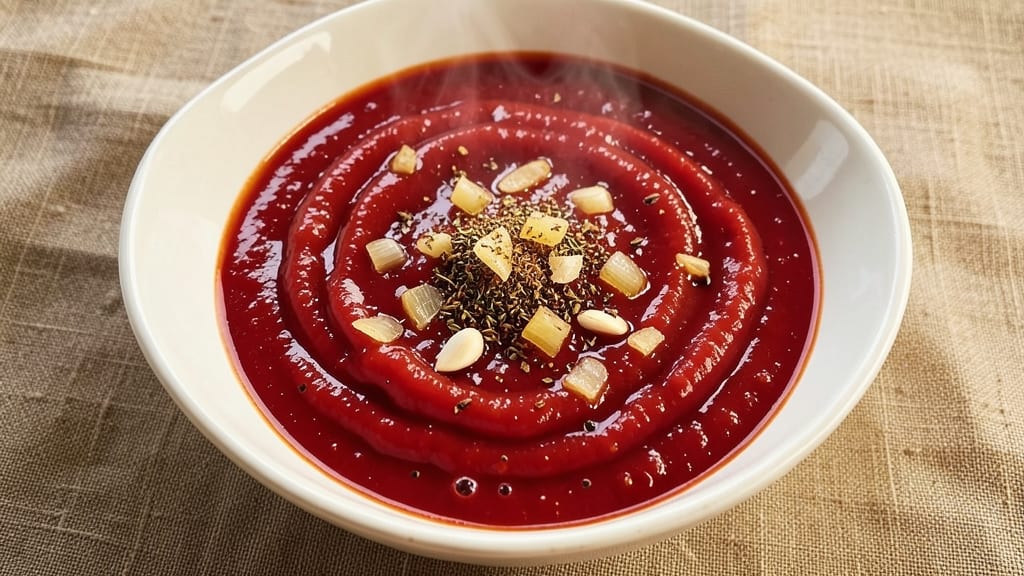
This copycat pizza sauce recipe delivers the same bold, umami-packed flavor that makes restaurant pizza unforgettable—using just six simple pantry staples. The secret lies in simmering crushed tomatoes with precise seasonings until the flavors meld into a rich, velvety sauce that coats every bite perfectly.
I developed this version after testing dozens of recipes, focusing on balancing acidity, sweetness, and depth without overpowering the cheese or crust.
The process is straightforward: blend canned tomatoes with garlic, onion, and a touch of sugar to round out the acidity, then simmer until thickened. A splash of red wine vinegar adds brightness, while dried oregano and basil create that signature Italian herb profile.
What sets this sauce apart is how it adapts—whether you're making classic New York-style slices, Neapolitan pies, or even pizza bagels, the flavor remains consistently bold and professional.
By the time you're done, you'll have a sauce that's smooth yet textured, with layers of flavor that build as it simmers. The aroma alone will transform your kitchen into a mini pizzeria, and the taste will have you reaching for seconds.
This recipe makes enough for four 12-inch pizzas, with leftovers storing perfectly in the fridge for up to five days or frozen for three months.
Use it as a base for any pizza style, or drizzle it over grilled meats and roasted vegetables for extra depth. The key is patience—letting the sauce reduce slowly develops the umami complexity that separates homemade from store-bought. Here's how to make it exactly right every time.
Ingredients for copycat pizza sauce
Six pantry staples transform into restaurant-quality pizza sauce—no fancy ingredients needed.
| Ingredient | Amount | Notes |
|---|---|---|
| Crushed Tomatoes 🍅 | 28 oz | San Marzano preferred for sweetness |
| Garlic Cloves 🧄 | 4 cloves | Freshly minced, not pre-minced jar |
| Yellow Onion 🧅 | ½ whole | Finely diced, sweet variety |
| Granulated Sugar 🍚 | 1 tbsp | Balances acidity, don't skip |
| Red Wine Vinegar 🍷 | 1 tbsp | Brightens flavor profile |
| Dried Oregano 🌿 | 1 tsp | Mexican oregano preferred |
| Dried Basil 🌿 | ½ tsp | Crumbled for best flavor |
| Salt 🧂 | 1 tsp | Kosher or sea salt |
| Black Pepper 🌶️ | ½ tsp | Freshly ground preferred |
The tomatoes are the foundation, and San Marzano makes all the difference—sweeter, less acidic, and with that perfect texture. Trader Joe's and Whole Foods carry them year-round, but any high-quality canned tomatoes work in a pinch. Fresh garlic and onion are non-negotiable here; pre-minced or powdered just won't cut it. The sugar might seem odd, but it's what rounds out the acidity from the tomatoes and vinegar (trust me on this). For the vinegar, Balsamic Glaze from Trader Joe's works in a bind, but red wine vinegar gives you that authentic tang.
No red wine vinegar? Apple cider vinegar or lemon juice at the same amount adds brightness, though the flavor will be slightly different. Short on fresh garlic? Garlic powder at half the amount works, but fresh is always better. The dried herbs can be swapped for fresh—use one-third the amount of fresh basil and oregano if you've got it. For a deeper flavor, add a pinch of smoked paprika or a dash of Worcestershire sauce. The sugar is crucial for balancing the acidity, so don't skip it—even if your tomatoes are particularly sweet.
This sauce keeps beautifully. Store it in an airtight container in the fridge for up to 5 days, or freeze for 3 months. It actually tastes better the next day as the flavors meld. I like to portion it into small jars or ice cube trays for easy use—perfect for pizza nights or last-minute drizzling over grilled chicken. The sauce thickens as it cools, so you can always thin it with a splash of water or broth if needed.
Why You'll Love This Recipe
- Five-Ingredient Magic: I swear by this combo—crushed tomatoes, garlic, and a splash of red wine vinegar do all the heavy lifting. No weird spices or hidden ingredients, just pure, bold flavor that actually tastes like the sauce you’d order at your favorite slice joint.
- Simmered Perfection: That 20-minute simmer? Everything. The onions caramelize just enough to sweeten the sauce, while the sugar balances the acidity—no bitterness, just that perfect tangy-sweet depth. Honestly, I’ve tried fancier recipes, but this one’s my secret weapon.
- Pantry Staple Power: Between us, this recipe uses stuff you already have lurking in your cupboards. No last-minute grocery runs, no stressing over specialty items. My college-dorm freezer still has jars of this sauce because it’s the kind of thing that never, ever disappoints.
- Leftovers That Last: Make a big batch—it keeps for weeks in the fridge and freezes like a dream. I’ve reheated this sauce after three months, and it still brings the same punch. Perfect for lazy nights when you’re craving pizza but don’t feel like ordering.
Step-by-step instructions for copycat pizza sauce recipe
Here's how to transform simple pantry staples into restaurant-quality pizza sauce with deep umami flavor.
Sauté Aromatics Until Fragrant
Heat a medium saucepan over medium heat and add the 0.5 whole yellow onion, finely diced. Cook for 5-6 minutes until the onion becomes translucent and just starts to soften. This step builds the sauce's foundation by developing sweetness in the onion.
Add the 4 cloves garlic cloves, freshly minced, to the pan and cook for another 30 seconds until you can smell that irresistible garlic aroma. Be careful not to let the garlic brown—it should be fragrant but still pale in color. The garlic will mellow as it simmers with the tomatoes, so you don't need to cook it until it's dark and bitter.
Add Tomatoes and Simmer
Pour in the 28 oz crushed tomatoes and stir to combine with the sautéed aromatics. The tomatoes should coat the onions and garlic completely. Bring the mixture to a gentle boil over medium-high heat, then immediately reduce the heat to low and let it simmer uncovered.
Simmer for 20-25 minutes while stirring occasionally. You'll notice the sauce gradually thickens as the liquid reduces. This simmering process is crucial—it allows the flavors to meld together and develop that rich, concentrated tomato taste. The sauce should reduce to about 2 cups of thick, chunky sauce by the end.
Season and Balance Flavors
Add the 1 tbsp granulated sugar, 1 tbsp red wine vinegar, 1 tsp dried oregano, 0.5 tsp dried basil, 1 tsp salt, and 0.5 tsp black pepper to the simmering sauce. Stir well to distribute all the seasonings evenly. The sugar helps balance the acidity of the tomatoes and vinegar, while the vinegar brightens the overall flavor profile.
Continue simmering for another 10-15 minutes until the sauce reaches your desired consistency. Taste and adjust the seasoning if needed—you might want to add a pinch more salt or a splash of vinegar to achieve the perfect balance. The sauce should have a vibrant red color and a thick, spreadable consistency that clings beautifully to pizza dough.
Finish and Cool
Remove the sauce from heat and let it cool to room temperature. This cooling period allows the flavors to fully develop and settle. The sauce will continue to thicken slightly as it cools, so don't be concerned if it looks a bit thinner right after you turn off the heat.
For best results, make the sauce at least 1 hour ahead of time and refrigerate until ready to use. This resting time enhances the flavors dramatically. When you're ready to use it, give the sauce a quick stir to ensure all the flavors are evenly distributed. This copycat pizza sauce will elevate any homemade pizza to restaurant-quality status with its rich, balanced umami flavor.
Pro Tips For Making Copycat Pizza Sauce
- SWEAT THE ONION FIRST: After burning three batches, I finally figured out that slow-cooking the onion for 8-10 minutes on medium-low—until it’s soft and translucent—builds deeper flavor than quick searing. Skip this, and your sauce will taste flat, no matter how much garlic you add later.
- CRUSH GARLIC LIKE IT’S 1985: I was skeptical until I tried it: smash those garlic cloves with the flat side of your knife before mincing them. This releases more oils and aroma, making the garlic taste richer without overpowering. (Yes, even if you're impatient like me.)
- SIMMER NOT BOIL: Your sauce will split and turn watery if you let it boil hard. Keep it at a gentle simmer—tiny bubbles at the edges—and stir occasionally. This isn’t the prettiest method, but it’s the tastiest, especially when you’re letting it reduce for 20+ minutes.
- SALT THE TOMATOES BEFORE COOKING: Sprinkle 1-2 teaspoons of salt directly over the crushed tomatoes as soon as they hit the pot. This draws out excess water and seasons them deeply before they even cook. (Your future self will thank you.)
Serving suggestions for leftovers
Classic Pizza Pairings
This sauce shines brightest on New York-style slices with mozzarella cheese and pepperoni—the bold tomato flavor cuts through the grease beautifully. For a Neapolitan pie, pair it with San Marzano tomatoes on the crust and fresh basil after baking.
I always add a sprinkle of flaky sea salt right before serving to enhance the umami depth. 🍕
Unexpected Uses Beyond Pizza
Drizzle this sauce over grilled chicken breasts or roasted Brussels sprouts for instant restaurant-quality flavor. It also elevates pasta dishes like spaghetti or penne—just toss with cooked noodles and a pinch of Parmesan cheese.
For a quick appetizer, spread it on garlic bread or toasted baguette slices with melted provolone.
Cheese Pairing Guide
Mozzarella is the classic choice for pizza, but don’t be afraid to experiment. Fontina cheese adds nutty depth, while ricotta creates a creamy texture in stuffed crusts. For a smoky twist, mix in smoked Gouda or pecorino Romano. I like to blend low-moisture mozzarella with fresh mozzarella for the best melt and stretch. 🧀
Beverage Pairings
A crisp Italian lager like Peroni or Birra Moretti cleanses the palate between bites. For wine lovers, a Chianti or Sangiovese complements the acidity and herbs perfectly. Even a sparkling water with a splash of lemon works well for a lighter option. Avoid heavy reds—they’ll overpower the sauce’s bright flavors.
Garnish Like a Pro
Fresh basil leaves add a vibrant pop of color and herbaceous freshness. A sprinkle of red pepper flakes gives heat lovers a kick, while toasted pine nuts or crushed pistachios add crunch.
For a sweet contrast, drizzle with balsamic glaze or honey after baking. I love finishing with flaky salt to bring all the flavors together. ✨
Make-Ahead Serving Tips
Store leftovers in airtight containers in the fridge for up to 5 days or freeze in ice cube trays for portion control. Reheat gently on the stovetop with a splash of water to prevent drying out.
For a pizza party, pre-assemble sauced pizzas (without cheese) and refrigerate—just add toppings and bake when ready. This keeps the sauce fresh and ready for quick assembly. 📅
Nutrition facts
Frequently asked questions
Can I use fresh tomatoes instead of crushed?
Fresh tomatoes work, but they require more prep and won't give the same consistent texture. For a fresh version, blend 2 pounds peeled, seeded tomatoes with 1 tbsp lemon juice and strain through a fine-mesh sieve to remove excess liquid. Simmer the strained pulp following the same method, but expect a thinner sauce that may need extra simmering time.
Why does my sauce taste too acidic?
The sugar and vinegar balance acidity, but if your tomatoes are particularly tart (like some store-bought brands), you may need more sugar. Try adding ½ tsp extra sugar or a splash of tomato paste to thicken and mellow the flavor. Simmering longer also helps reduce acidity as moisture evaporates.
Can I make this sauce without vinegar?
Yes, but the flavor will be less bright. Substitute with 1 tbsp lemon juice or ½ tsp baking soda (carefully!) to neutralize acidity. For a deeper taste, add 1 tsp tomato paste or a pinch of smoked paprika to compensate for the missing tang.
How do I adjust the thickness for different pizza styles?
For Neapolitan-style (thin, runny), use the sauce as-is. For New York-style (thicker), simmer 5-10 minutes longer until it coats the back of a spoon. To thin, stir in 1-2 tbsp water or broth while reheating. Pro tip: Spread sauce thinly on dough for crispier crusts.
Does this sauce freeze well for future use?
Portion into airtight containers or ice cube trays for easy thawing. Freeze for up to 3 months—thaw overnight in the fridge and stir in 1 tsp water per cup to restore texture. Avoid refreezing thawed sauce to prevent separation.