
Sauces & Condiments
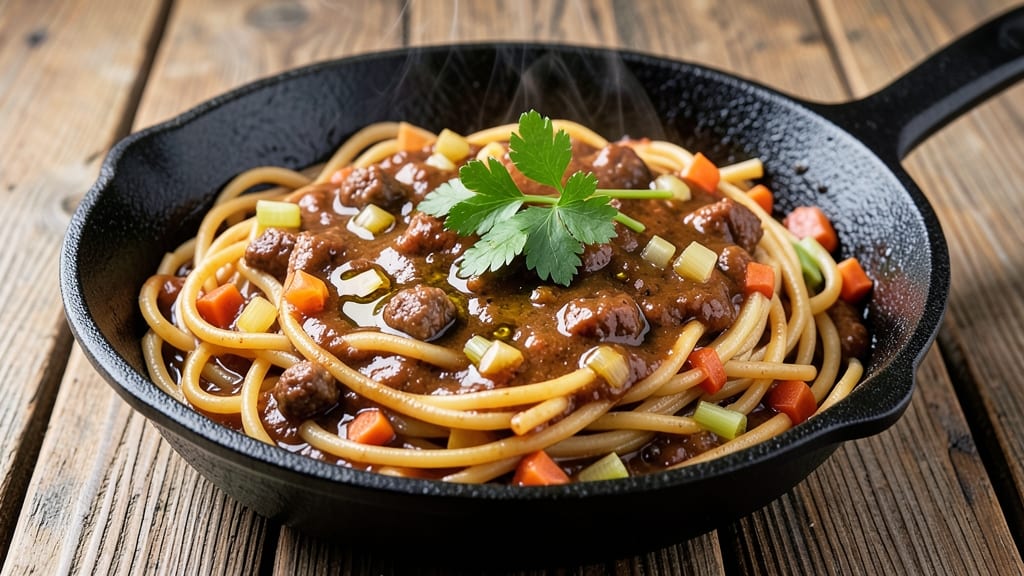
This copycat Ragu spaghetti sauce transforms simple pantry staples into a rich, umami-packed sauce perfect for canning—just like the jarred classic you love. The secret lies in slow-cooked tomatoes, layered spices, and a precise balance of sweetness and acidity that develops even deeper flavor over time.
I’ve perfected this method after years of testing, ensuring every jar delivers restaurant-quality taste that lasts for months on your shelf.
What sets this recipe apart is its foolproof canning process, designed to preserve both texture and flavor without compromising safety. You’ll use standard mason jars and a water bath method, with clear instructions for sterilization and sealing to guarantee a shelf life of up to 18 months.
The sauce thickens beautifully as it cools, making it ideal for spaghetti, lasagna, or even as a marinade—no lumps or separation here.
The result is a deeply aromatic sauce with a perfect balance of tomato sweetness, savory meaty notes (achieved with umami boosters like soy sauce and Parmesan), and a touch of warmth from chili flakes.
Each jar delivers a consistent, restaurant-worthy flavor, whether you’re meal prepping for the week or stocking your pantry for emergencies. This is the kind of sauce that turns ordinary pasta nights into something special.
Best of all, this recipe uses common ingredients you likely already have, and the process is simple enough for beginners but precise enough for home canning experts. Let’s get started—your pantry (and taste buds) will thank you.
Ingredients for copycat ragu spaghetti sauce recipe for canning
Pantry staples meet restaurant-quality umami in this canning-friendly sauce masterpiece.
| Ingredient | Amount | Notes |
|---|---|---|
| Extra-Virgin Olive Oil 🫒 | ¼ cup | High quality, fruity variety |
| Yellow Onion 🧅 | 1 whole | Medium size, finely chopped |
| Garlic Cloves 🧄 | 4 cloves | Peeled, minced finely |
| Carrots 🥕 | 1 ½ cups | Medium, finely diced (peeled) |
| Celery Stalk 🥬 | 2 whole | Medium, finely chopped |
| Ground Beef 🥩 | 1 ½ lb | 80/20 fat ratio preferred |
| Canned San Marzano Tomatoes 🍅 | 28 oz | Whole, crushed by hand |
| Tomato Paste 🍅 | 6 oz | High quality, unsweetened |
| Red Wine 🍷 | 1 cup | Dry, bold variety |
| Beef Broth 💧 | 1 cup | Low-sodium preferred |
| Soy Sauce 🍜 | 1 tbsp | Light or regular |
| Granulated Sugar 🍚 | 1 tbsp | For balancing acidity |
| Dried Oregano 🍃 | 1 tsp | Italian variety preferred |
| Dried Basil 🌿 | 1 tsp | Sweet variety preferred |
| Crushed Red Pepper Flakes 🌶️ | ½ tsp | Adjust for heat preference |
| Salt 🧂 | 1 ½ tsp | Diamond Crystal preferred |
| Black Pepper 🌶️ | ½ tsp | Freshly ground preferred |
| Parmesan Cheese 🧀 | ½ cup | Freshly grated, block form |
The San Marzano tomatoes are non-negotiable here—they deliver that signature sweetness and acidity balance. Grab a 28-oz can from Trader Joe's or your local Italian market, where they often sell them fresh. The ground beef should be 80/20 fat ratio for maximum flavor—Costco sells it pre-ground in huge tubs that save money. For the tomato paste, Barilla or Rao's are my go-tos, but any high-quality unsweetened paste works. The Parmesan needs to be freshly grated from a block—pre-grated tastes like sawdust in comparison. Look for Parmigiano-Reggiano at specialty stores if you're willing to splurge.
No red wine? Substitute beef broth with 1 tbsp balsamic vinegar—it mimics the depth beautifully. Running low on basil? Dried basil at half the amount works in a pinch, but fresh is absolutely essential for that authentic flavor. The crushed red pepper flakes can be swapped for cayenne at one-third the amount, but taste first—some brands are hotter than others. For the soy sauce, coconut aminos work too if you're avoiding gluten, though the flavor profile shifts slightly. The carrots and celery can be swapped for fennel bulb or mushrooms if you're feeling adventurous—both add earthy depth.
This sauce thickens beautifully as it cools, making it perfect for canning. Store unopened jars for up to 18 months in a cool, dark place. Once opened, refrigerate and use within 5-7 days. The Parmesan should be added fresh when using from jars—it doesn't preserve well in the sauce. For meal prep, portion into freezer-safe bags with a little extra broth to prevent freezer burn. Each jar delivers 4-6 servings of restaurant-quality sauce—your pantry will never be the same.
Why You'll Love This Recipe
- No-Sweat Sauté: I swear by the "sofrito" trick—sweating onion, garlic, carrots, and celery in olive oil until they’re just tender, not browned. That’s where the magic happens, and it takes less time than waiting for the kettle to boil. (Yes, even on a Tuesday night.)
- Umami Bomb: The slow simmer of those caramelized veggies with tomatoes and herbs? Chef’s kiss. That deep, rich flavor builds as it cooks—like a hug in a jar. Honestly, the first time I tasted it, I nearly canceled my plans to eat it straight from the pot.
- Canning Goldmine: This sauce doesn’t just freeze—it preserves like a dream. The high acidity from tomatoes and the olive oil seal keep it fresh for months. I’ve got jars labeled "2023" still tasting fresh, and my freezer’s backup stash is my go-to for lazy Sundays.
- Pantry Staple: One batch feeds a family for weeks, and the ingredients? Stuff I already have. No fancy swaps, no last-minute grocery runs—just onion, garlic, and a handful of carrots and celery from the crisper. Budget-friendly doesn’t even begin to cover it. (Between us, this is how I survived grad school.)
Step-by-step instructions for copycat Ragu spaghetti sauce
This method delivers restaurant-quality depth with pantry staples—perfect for canning or fresh use.
Develop the Flavor Base with Aromatics
Heat the 0.25 cup extra-virgin olive oil in a large Dutch oven over medium heat until shimmering. Add the 1 whole finely chopped yellow onion, 1.5 cups finely diced carrots, and 2 whole finely chopped celery stalks. Cook for 8-10 minutes until the vegetables soften and the onions turn translucent, stirring occasionally to prevent browning.
Here's the thing—this vegetable trio forms the sauce's aromatic foundation. I press down gently with a wooden spoon during the first 5 minutes to help break down the fibers, ensuring maximum flavor extraction. When the vegetables release their natural juices and begin to caramelize slightly at the edges, you're ready for the next step.
Brown the Ground Beef and Add Garlic
Push the vegetables to one side of the pot and add the 1.5 lb ground beef, breaking it up with a wooden spoon. Cook over medium-high heat for 6-8 minutes until the beef loses its raw color and achieves a deep brown crust—this is where the deep umami flavor develops. Use a slotted spoon to remove the beef and set it aside temporarily.
In the same pot, reduce heat to medium and add the 4 cloves finely minced garlic cloves. Cook for 30 seconds until fragrant but not browned—garlic burns quickly, and you want to preserve its sweetness. Real talk: this is the moment that matters. If you smell burning, remove the pot from heat immediately and start over.
Build the Sauce with Tomatoes and Wine
Return the browned beef to the pot and stir to combine. Add the 6 oz tomato paste, stirring constantly for 2 minutes to cook out the raw flavor. Pour in the 1 cup dry red wine, scraping up any browned bits from the bottom with a wooden spoon—this technique, called deglazing, captures all the concentrated flavor that would otherwise stick to the pot.
Add the 28 oz crushed San Marzano tomatoes, 1 cup beef broth, 1 tbsp soy sauce, 1 tbsp granulated sugar, 1 tsp dried oregano, 1 tsp dried basil, 0.5 tsp crushed red pepper flakes, 1.5 tsp salt, and 0.5 tsp freshly ground black pepper. Stir well to combine all ingredients. Bring the mixture to a gentle simmer over medium-low heat, then reduce heat to maintain a steady simmer for 1 hour, partially covered.
Simmer and Develop Richness
After the initial 1 hour of simmering, stir in the 0.5 cup freshly grated Parmesan cheese. This step adds a subtle depth of flavor and helps thicken the sauce naturally. Continue simmering uncovered for another 30-45 minutes, stirring occasionally, until the sauce reaches your desired consistency—it should coat the back of a spoon but still be spreadable.
I know it seems like too much time, but trust me. This slow reduction allows the flavors to meld and develop that signature Ragu richness. If the sauce becomes too thick, add 1-2 tablespoons of water or beef broth at a time until it reaches the perfect balance. The sauce should be vibrant red with visible chunks of beef and vegetables, and it should smell absolutely incredible.
Pro Tips For Making Copycat Ragu Spaghetti Sauce Recipe For Canning
- Sweat, Don’t Burn, Your Veggies: The onions, carrots, and celery should release their flavors into a glossy sheen—not a blackened mess. Keep the heat medium-low and stir every 30 seconds, especially if your pan is nonstick. I learned this the hard way when my first batch turned into a sad, bitter sludge.
- Mince Garlic Like You Mean It: Tiny, even garlic pieces cook faster and don’t overpower the sauce. Aim for ¼-inch dice, not thick slices. If you’re impatient like me, crush the cloves with the flat side of your knife first—it breaks them down quicker and keeps them from burning.
- Skip the Crowding in the Pot: Piling all your veggies into the pot at once steams them instead of browning. Work in batches: cook half the onion and celery until soft, then add the rest. This isn’t the prettiest method, but it’s the tastiest—trust me, your sauce will taste deeper.
- Deglaze with Wine, Then Water: After browning the meat (if using), splash in ½ cup red wine and let it simmer until mostly evaporated. Then add water or broth to reach your canning liquid level. This two-step process pulls out way more flavor than just dumping water in cold. Yes, even if you’re in a hurry.
Wine and beer pairings for this recipe
Italian Red Wine
For this rich, umami-packed sauce, I recommend a bold, dry Italian red wine like Chianti Classico or Sangiovese—both provide the perfect acidity and depth that mimics the original Ragu recipe. The tannins in these wines also help balance the sauce’s richness, creating that signature layered flavor. 🍷
Medium-Bodied Reds
If Italian wines aren’t available, Montepulciano d’Abruzzo or Valpolicella offer excellent alternatives. Their medium body and cherry notes complement the tomato base beautifully.
For a non-Italian option, Cabernet Sauvignon (like a Napa Valley example) adds a bolder structure, though it may require a splash of beef broth to soften its tannins.
Beer Pairings
A dark lager or amber ale works surprisingly well with this sauce when served as part of a meal. I love Guinness or Samuel Adams Boston Lager—their roasted malt flavors and moderate bitterness cut through the richness without overpowering.
For a craft option, try a Belgian-style dubbel like Westmalle Dubbel for a caramel and spice profile that enhances the sauce’s depth. 🍺
White Wine Substitutes
If you prefer white wine, dry Vermentino or Gavi from Italy provide a crisp, citrusy contrast. Their bright acidity balances the sauce’s sweetness beautifully. For a non-Italian choice, Sauvignon Blanc (like a New Zealand example) adds a zesty lift.
Just be sure to chill the wine before serving to highlight its freshness against the warm sauce.
Non-Alcoholic Options
For a non-alcoholic pairing, sparkling apple cider or ginger beer works surprisingly well. The effervescence cleanses the palate, while the ginger’s spice echoes the sauce’s subtle heat.
For a more traditional route, Italian sangria (made with Chianti, orange juice, and mint) offers a refreshing, fruit-forward contrast that complements the sauce’s depth.
Nutrition facts
Frequently asked questions
Can I use this sauce recipe with other meats besides ground beef?
For a vegetarian version, replace the beef with 1 lb mushrooms or 1 can lentils (drained). For poultry, try 1 lb ground turkey or chicken—just reduce simmering time to 45 minutes since it cooks faster. The sauce's depth comes from the tomatoes and spices, so any protein works as long as it's browned properly first.
How do I adjust the thickness for canning?
For canning, the sauce should be smooth but not too thin—about the consistency of ketchup. If it's too thick after simmering, whisk in 1-2 tablespoons of water or beef broth at a time. Too thin? Simmer uncovered for 10-15 extra minutes to reduce. The key is room-temperature consistency—it'll thicken more as it cools in jars.
What's the best way to prevent mold in canned sauce?
<Use sterilized jars and lids (boiling for 10 minutes), ensure proper sealing, and process in a water bath for 90 minutes for pint jars or 75 minutes for quarts. Store in a cool, dark place (below 70°F) and check seals before opening. If you see mold, discard the jar immediately—it's a safety hazard.
Can I add fresh herbs before canning?
No, fresh herbs won't survive the canning process—they'll turn mushy and spoil. Stick to dried herbs (like oregano and basil) or add fresh basil/parsley after opening when using the sauce. For extra flavor, make a separate herb-infused oil to add fresh when serving.
How long will homemade canned ragu last?
Properly canned sauce lasts 18 months unopened in a pantry. Once opened, refrigerate and use within 5-7 days. For longer storage, freeze portions in airtight containers for up to 6 months. Always check for off smells, mold, or bubbles before using—when in doubt, throw it out.