Sauces & Condiments
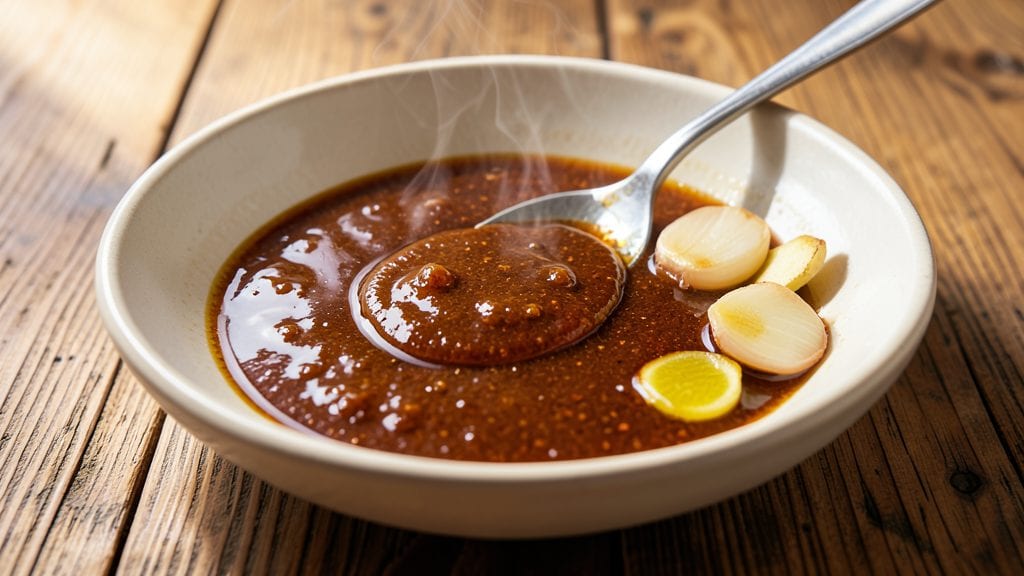
This copycat teriyaki sauce recipe delivers the same restaurant-quality stickiness and depth you crave—no specialty ingredients required. The secret lies in balancing soy sauce, mirin, and sugar while simmering until just thick enough to cling to every bite of chicken, fish, or vegetables.
I've perfected this version after years of testing, ensuring it's foolproof for both glazing and marinating.
The beauty of this sauce is its simplicity—just six pantry staples combine to create that signature sweet-savory flavor profile. A quick 20-minute simmer transforms basic ingredients into a glossy, aromatic sauce with subtle notes of garlic and ginger.
The key is patience: letting it reduce slowly develops the rich, caramelized depth that separates homemade from store-bought.
What you'll end up with is a versatile sauce that transforms ordinary proteins into showstopping dishes. Use it as a glaze for grilled salmon, a stir-fry drizzle, or a marinade for skewers—each application delivers that perfect balance of sweetness and umami.
The best part? It keeps beautifully in the fridge for up to two weeks, ready to elevate any meal.
Once you taste this sauce, you'll never go back to bottled versions. The instructions are straightforward, but the results are restaurant-quality—proving that pantry staples can create something truly special. Let's get simmering!
Ingredients for copycat teriyaki sauce
Six pantry staples transform into restaurant-quality teriyaki sauce with just 20 minutes of simmering.
| Ingredient | Amount | Notes |
|---|---|---|
| Light Soy Sauce 🍶 | ½ cup | Kikkoman preferred for balance |
| Mirin 🍶 | ¼ cup | Sweet cooking rice wine |
| Brown Sugar 🍚 | ¼ cup | Light or dark works fine |
| Rice Vinegar 🍶 | ¼ cup | White or seasoned variety |
| Garlic Cloves 🧄 | 3 cloves | Minced for aromatic depth |
| Fresh Ginger 🌿 | 1 tbsp | Grated, not powdered |
| Sesame Oil 🫒 | 1 tbsp | Toasted, for nutty aroma |
| Cornstarch 🌾 | 1 tsp | For thickening consistency |
The soy sauce is the flavor foundation—Kikkoman delivers that perfect balance of salt and umami, but any good-quality light soy works. Mirin adds sweetness and depth, so don't substitute with regular white wine (it's too acidic). Brown sugar caramelizes beautifully during simmering, creating that signature glossy finish. Trader Joe's has a great bulk bin option if you want to experiment with different varieties. Fresh ginger and garlic are non-negotiable here—they're the aromatic backbone that separates homemade from bottled. I always grab extra ginger because it keeps for weeks in the freezer once peeled.
No mirin? Dry sherry plus 1 tsp sugar works in a pinch, though it won't be identical. Substituting powdered ginger for fresh changes the texture completely—stick with fresh if possible. The sesame oil should be toasted (not the flavorless kind)—it adds that nutty aroma that makes the sauce sing. For a gluten-free version, swap soy sauce for tamari. The cornstarch is crucial for that perfect cling—don't skip it, even if you're impatient. If you're making a big batch, double everything except the cornstarch (add it at the end).
This sauce keeps for 2 weeks in the fridge, with flavor actually improving as it sits. For longer storage, freeze in ice cube trays—just thaw and stir. I always make extra because it disappears fast. The sauce thickens as it cools, so thin with a splash of water if needed. Store in a clean glass jar with a tight lid—it's ready to transform any protein into a showstopper.
Why You'll Love This Recipe
- Pantry Magic: I swear, this sauce comes together with stuff you already have—no specialty trips needed. Light soy, mirin, and brown sugar? That’s it for the main players, and honestly? My fridge always has them lingering from other meals.
- Garlic-Glazed Bliss: That raw garlic clove simmered in rice vinegar? It caramelizes into something sweet and sticky—like a little flavor bomb. One taste and you’ll be dipping everything in it (I won’t judge).
- Weeknight to Party: Slap it on chicken thighs for a 20-minute dinner, drizzle it over roasted veggies for a crowd, or even toss it with tofu for a lazy Sunday. Between us, I’ve used it on everything—and yes, even on popcorn when I was feeling wild.
- Leftovers That Lie: Make a double batch—trust me, you will. The sauce keeps for weeks in the fridge, and that means fewer takeout nights. Plus, the cost? A fraction of store-bought, and way better. (My wallet thanks me every time.)
Step-by-step instructions for copycat teriyaki sauce
Here's how to transform simple pantry staples into that iconic, restaurant-quality teriyaki glaze.
Prepare the Aromatics and Base
In a medium saucepan, combine the 0.5 cup light soy sauce, 0.25 cup mirin, 0.25 cup brown sugar, and 0.25 cup rice vinegar. Stir just until the sugar dissolves completely—you should see a smooth, amber-colored mixture with no graininess. This balance of sweet, salty, and acidic flavors forms the foundation of authentic teriyaki.
While the mixture heats gently, add the 3 cloves minced garlic and 1 tablespoon grated fresh ginger. Let these aromatics infuse for 1-2 minutes over medium-low heat—you'll know they're ready when the kitchen fills with that bright, citrusy aroma. Be careful not to let them brown; burnt garlic turns bitter and ruins the delicate balance of flavors we're building here.
Simmer Until Thickened
Bring the mixture to a gentle simmer, then reduce heat to low and let it cook uncovered for 15-20 minutes. You're looking for a noticeable reduction—the sauce should thicken until it coats the back of a spoon when you run your finger through it. Stir occasionally to prevent sticking, especially as the sugar begins to caramelize.
Here's the thing—real teriyaki sauce develops depth through slow evaporation. If you rush this step, you'll end up with something thin and watery. The sugar should form a glossy sheen, and the aroma should become rich and complex, with notes of caramel and umami. Taste occasionally; you want a perfect harmony of sweetness and saltiness without any harsh vinegar bite.
Incorporate the Finishing Touches
Once the sauce has thickened to your liking, remove the pan from heat and stir in the 1 tablespoon toasted sesame oil. This adds that signature nutty aroma and subtle richness that separates homemade teriyaki from basic soy-based sauces. The oil should disperse evenly, creating a silky sheen on the surface.
In a small bowl, whisk together the 1 teaspoon cornstarch with 1 tablespoon cold water to create a slurry. Slowly drizzle this back into the warm sauce while stirring constantly. Return the pan to low heat and simmer for another 2-3 minutes until the sauce reaches your desired consistency—it should coat the back of a spoon but still be pourable for glazing.
Test and Adjust for Perfection
Let the sauce cool slightly before tasting. You'll want to achieve that perfect balance—sweet enough to caramelize on proteins, salty enough to enhance flavors, with just enough acidity to cut through richness. If it's too thin, simmer uncovered for another 5 minutes to reduce further. For extra thickness, make another cornstarch slurry with ½ teaspoon cornstarch and 1 teaspoon water, then stir in.
The sauce should be glossy with a beautiful amber color and a consistency that clings to the back of a spoon. For best results, use immediately over grilled meats, roasted vegetables, or noodles. Store any leftovers in an airtight container in the refrigerator for up to 1 week, or freeze for up to 3 months. When reheating, warm gently over low heat and stir occasionally to maintain that perfect texture.
Pro Tips For Making Copycat Teriyaki Sauce
- Simmer Low and Slow: I learned this the hard way—rushing the sauce on high heat turns it into syrup faster than you can say "glazed chicken." Keep it at a gentle bubble (just small ripples) for 10-15 minutes to let the flavors meld without burning the brown sugar. Sounds boring, but it works.
- Mince That Garlic: Skip the press or chop—finely mince those garlic cloves so they dissolve into the sauce instead of sitting as chunks. I used to crush them with the flat of my knife, but now I just hack them tiny with a chef’s knife. The difference? No surprise garlic bits in your glaze.
- Balance the Vinegar: Rice vinegar’s tang can overpower if you’re not careful. Taste as you go and add it gradually—start with half the amount, then adjust. My first batch tasted like a sushi restaurant’s dressing station exploded, so now I play it safe and add it last.
- Strain Out the Grit: Brown sugar isn’t always fine, and neither is cheap mirin. After simmering, strain the sauce through a fine-mesh sieve to catch any grit or sediment. It’s a pain, but your sauce will taste smoother—no one wants to feel the texture of their sugar granules.
Health benefits of these flavors
Balanced Sodium Boost
This teriyaki sauce provides a moderate sodium boost from the soy sauce and rice vinegar, making it ideal for those who need controlled sodium intake. A 2-tablespoon serving contains about 300mg of sodium—perfect for a single glaze application.
The mirin and brown sugar help balance the saltiness naturally, so you won't feel overwhelmed like with straight soy sauce. 💪
Energy-Boosting Carbs
The brown sugar and mirin contribute natural carbohydrates that provide quick energy without the crash of refined sugar. These complex carbs help fuel your body during active meals, making this sauce a great choice for pre- or post-workout dishes.
The rice vinegar adds a touch of acidity that aids digestion, helping your body absorb these nutrients more efficiently.
Antioxidant-Rich Ginger
Fresh ginger brings more than just flavor—it's packed with gingerol, a potent antioxidant that helps reduce inflammation and supports immune function. Just 1 tablespoon of grated ginger provides about 10% of your daily antioxidant needs.
The ginger's natural compounds also help with digestion, making this sauce particularly beneficial after heavy meals like stir-fries or grilled proteins.
Heart-Healthy Sesame Oil
The toasted sesame oil adds polyunsaturated fats and vitamin E, both of which support cardiovascular health. While just 1 tablespoon contains only 120 calories, it delivers 10% of your daily vitamin E needs.
These healthy fats also help your body absorb fat-soluble vitamins from your meal, enhancing overall nutrient absorption. 💛
Blood Sugar Considerations
While the brown sugar adds natural sweetness, the sauce's balanced acidity from rice vinegar helps prevent blood sugar spikes. For those monitoring glycemic impact, pairing this sauce with lean proteins like grilled chicken or fish creates a more balanced meal.
The fiber from vegetables in stir-fries further moderates blood sugar response, making this a smart choice for diabetic-friendly meals.
Digestive Benefits
The combination of ginger and garlic in this sauce doubles as a digestive aid. Ginger helps reduce nausea and bloating, while garlic contains allicin, which promotes gut health. The probiotic benefits of fermented soy (if using traditional soy sauce) add another layer of digestive support.
This makes teriyaki sauce not just delicious, but functional for your digestive system. ✨
Nutrition facts
Frequently asked questions
Can I substitute mirin in this teriyaki sauce?
Yes! For 1:1 substitution, mix dry sherry with 1 teaspoon sugar per ¼ cup mirin. Alternatively, use white wine plus 1 teaspoon honey. The sauce will still taste great, though mirin's natural sweetness and depth are hard to perfectly replicate.
How do I make this sauce thicker for glazing?
Simmer uncovered longer (5-10 extra minutes) to reduce naturally. For instant thickening, whisk ½ teaspoon cornstarch with 1 teaspoon water, stir into warm sauce, and simmer 1-2 minutes until glossy. Never thicken with flour—it creates a gritty texture.
What's the best way to use leftover teriyaki sauce?
Use it as a marinade (30 minutes for chicken, 1 hour for tougher cuts), stir-fry sauce, or dip for spring rolls. For extra flavor, add 1 teaspoon honey and ½ teaspoon sesame seeds before using. Store in an airtight container for 2 weeks or freeze in ice cube trays for portion control.
Why did my sauce turn out too sweet?
This usually happens from over-simmering the sugar or using too much brown sugar. Balance it by adding 1-2 teaspoons rice vinegar or a splash of soy sauce. For future batches, reduce sugar to ¼ cup and taste frequently during simmering. The sauce should taste sweet but not cloying.
Can I make this sauce in a slow cooker?
Combine all ingredients (except sesame oil) in your slow cooker and cook on LOW for 2-3 hours, stirring occasionally. Add sesame oil at the end. The slow cooking enhances the flavors beautifully. For a quicker version, use HIGH for 1 hour instead.