
Sauces & Condiments
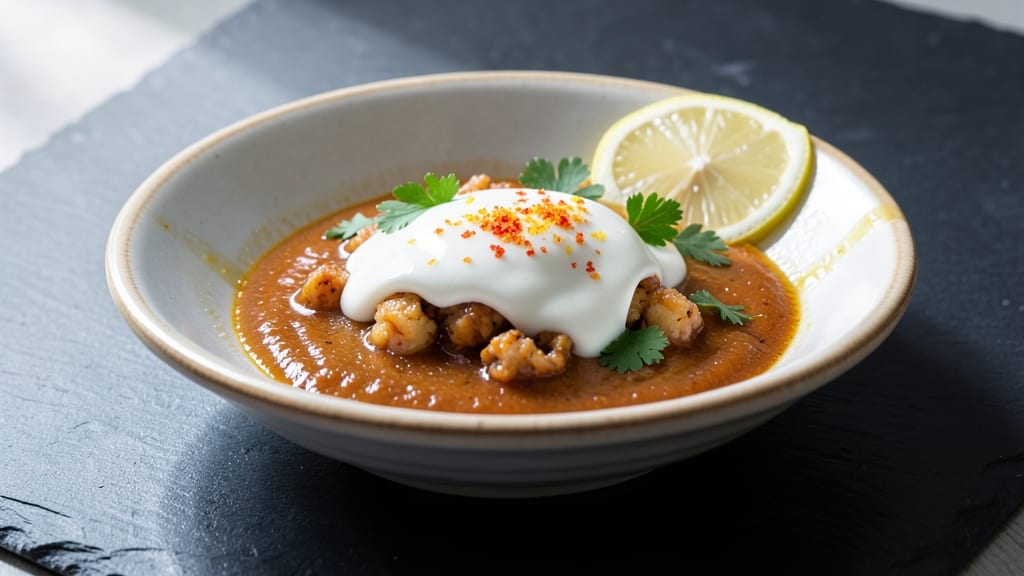
This creamy scampi sauce recipe transforms simple pantry staples into a velvety, garlicky masterpiece that elevates any seafood dish in just 15 minutes. The secret lies in balancing rich butter with bright white wine and fresh herbs, creating a sauce that's luxurious yet effortless to prepare.
I developed this version after years of testing—it's the one that finally delivers that restaurant-quality creaminess without breaking the bank or requiring advanced techniques.
The beauty of this sauce is its versatility—it works as a pasta topping, a seafood companion, or even a dipping sauce for crusty bread.
What sets it apart is the two-step cooking method: first building flavor with garlic and wine, then thickening with a touch of cream while keeping the sauce silky smooth. No lumps, no separation, just creamy perfection that clings to every bite.
By the time you stir in the final herbs, you'll have a sauce that's aromatic, tangy, and rich—the kind that makes even the simplest shrimp dish feel like a gourmet meal.
The best part? It reheats beautifully, so you can make a batch ahead and keep it on hand for spontaneous dinners. This is the sauce that turns weeknight meals into something special.
Whether you're drizzling it over linguine or spooning it onto grilled scallops, this scampi sauce delivers bold flavor with minimal effort. The instructions are straightforward, the ingredients are simple, and the results are unmistakably restaurant-worthy. Let's get cooking—your taste buds will thank you.
Ingredients for creamy scampi sauce
Nine ingredients. One sauce. Restaurant-quality in minutes—no fancy skills needed.
| Ingredient | Amount | Notes |
|---|---|---|
| Unsalted Butter 🧈 | ½ cup | Cold, cubed for even melting |
| Dry White Wine 🍷 | ½ cup | Sauvignon Blanc or Pinot Grigio |
| Garlic Cloves 🧄 | 6 cloves | Minced, not pre-minced jarred |
| Heavy Whipping Cream 🥛 | ½ cup | Full-fat for maximum creaminess |
| Fresh Lemon Juice 🍋 | 2 tbsp | Freshly squeezed, not bottled |
| Fresh Parsley 🌿 | ¼ cup | Chopped, stems removed |
| Fresh Basil Leaves 🌿 | ⅛ cup | Torn, not chopped |
| Diamond Crystal Kosher Salt 🧂 | ½ tsp | Adjust to taste |
| Ground White Pepper 🌶️ | ¼ tsp | Freshly ground preferred |
| Extra-Virgin Olive Oil 🫒 | 1 tbsp | For finishing drizzle |
The butter and wine are your flavor anchors here. European-style unsalted butter (like Plugrá or Kerrygold) melts smoother than American brands, but any quality stick will work. For wine, dry whites like Sauvignon Blanc or Pinot Grigio are perfect—they shouldn't taste sweet. I always grab a $10 bottle from Trader Joe's; no need to splurge. The garlic? Fresh, minced just before cooking—pre-minced jarred stuff has no flavor. Look for plump, firm cloves with no sprouting. The cream needs to be full-fat heavy cream, not whipping cream or anything lighter.
No white wine? Substitute with seafood stock plus a splash of lemon juice—it'll be tangier but still work. Fresh herbs wilting? Dried parsley or basil at one-third the amount gets you close, but texture suffers. Short on butter? Olive oil in a 1:1 swap, but the sauce will be less rich. Want extra tang? Add another tablespoon of lemon juice. The olive oil at the end? Use a fruity, peppery EVOO—it brightens everything up. For a lighter version, swap half the cream for Greek yogurt, but the texture won't be as velvety.
This sauce keeps beautifully—3-4 days in the fridge sealed tightly. For longer storage, freeze in ice cube trays (thaw quickly in warm water). Reheat gently over low heat, stirring constantly to prevent curdling. I always make a double batch because it disappears fast—linguine, shrimp, grilled fish, you name it. The flavor actually improves after sitting overnight as the ingredients meld. Store any leftovers in a glass jar to preserve freshness.
Why You'll Love This Recipe
- No Wine Waste: I swear by this trick—use whatever dry white you have open. That leftover Sauvignon or Pinot Grigio? Perfect. The wine’s job is to singe off the garlic’s rawness, not impress sommeliers.
- Rich Without Effort: One stick of butter, a splash of cream, and a squeeze of lemon—suddenly, you’ve got a sauce that tastes like it simmered for hours. That’s the magic of garlic cloves, slow-sizzled until they’re golden and fragrant.
- Date Night Ready: Drizzle this over shrimp, toss it with pasta, or spoon it onto grilled fish. It’s fancy enough for a restaurant night but takes less time than deciding what to wear.
- Leftovers That Shine: Make a double batch—this sauce keeps for days in the fridge and only gets better reheated. Dull weeknight dinners? Gone. Just warm it up and call it a miracle.
Step-by-step instructions for creamy scampi sauce
This sauce delivers restaurant-quality richness in minutes—garlicky, velvety, and perfectly balanced.
Melt Butter and Infuse with Garlic
In a medium saucepan, melt the 0.5 cup unsalted butter over medium-low heat. I use cold cubed butter here—it melts more evenly and prevents scorching. Once fully melted and foaming subsides, add the 6 cloves minced garlic and stir constantly for 1-2 minutes until the garlic becomes golden and fragrant.
Here's the thing—don't rush this step. The garlic should sizzle gently without browning too quickly. If it starts to darken, reduce the heat immediately. You want aromatic, not bitter. The butter should take on a nutty aroma and a pale golden hue—this is your foundation for flavor.
Deglaze with White Wine
Pour in the 0.5 cup dry white wine and increase heat to medium. The wine will bubble vigorously as it reduces—this is when the magic happens. Use a wooden spoon to scrape up all those browned bits from the bottom of the pan. These bits, called fond, carry concentrated flavor that will make your sauce sing.
Simmer for 3-4 minutes until the liquid reduces by about half and the alcohol smell dissipates completely. You'll know it's ready when the mixture coats the back of a spoon and smells purely of garlic and wine. This reduction step is critical—it removes the raw alcohol taste while concentrating the flavors.
Incorporate Cream and Season
Temporarily reduce heat to low and gradually whisk in the 0.5 cup heavy whipping cream. The sauce will thicken immediately as the cream comes to temperature. Add the 0.5 teaspoon diamond crystal kosher salt and 0.25 teaspoon ground white pepper, then stir gently to combine.
Let the sauce simmer for 2-3 minutes until it reaches a velvety consistency. You're aiming for a texture that coats the back of a spoon but isn't gluey. If it thickens too much, add 1 tablespoon water to adjust. The sauce should be smooth, with no lumps, and have a luxurious sheen—this is your creamy promise delivered.
Finish with Acid and Herbs
Remove the pan from heat and stir in the 2 tablespoons fresh lemon juice. This bright acidity cuts through the richness of the cream and butter, balancing the flavors perfectly. The sauce should immediately take on a brighter, more vibrant character. Add the 0.25 cup chopped fresh parsley and 0.125 cup torn fresh basil leaves, stirring gently to distribute.
Let the sauce rest for 1 minute off the heat—this allows the herbs to infuse without wilting. The final sauce should be glossy, with visible herb flecks suspended throughout. Taste and adjust seasoning if needed—you might want to add a pinch more salt or a splash more lemon juice to suit your preference.
Finish with Olive Oil
Return the sauce to low heat and drizzle in the 1 tablespoon extra-virgin olive oil. Stir gently to incorporate—this final touch adds a silky mouthfeel and prevents the sauce from separating when served over hot pasta or seafood.
The sauce is now ready to serve immediately. It should be luxuriously creamy with a perfect balance of garlic, wine, and bright acidity. For best results, serve over linguine or shrimp scampi while still warm. The sauce will continue to mellow slightly as it sits, but it's best enjoyed fresh from the pan.
Pro Tips For Making Creamy Scampi Sauce
- Sear the Garlic: Toss those whole cloves in the butter first—no mincing needed. I learned this the hard way: crushed garlic burns before it browns, and you end up with bitter, acrid sauce. Whole cloves release flavor without turning to ash, and you can fish them out later (or leave them in if you’re feeling bold).
- Deglaze Immediately: As soon as you remove the garlic, pour in that white wine before the butter stops sizzling. The heat helps the wine reduce faster, cutting down on cooking time and keeping the sauce from tasting flat. Skimp on the heat here, and you’re left with a watery, dull base.
- Temper the Cream: Warm the heavy cream in a separate pan until it’s steaming—not boiling—before mixing it into the wine-butter. Cold cream shocks the sauce, causing it to split like a bad marriage. A few minutes of gentle heating ensures a silky, cohesive finish every time.
- Zest the Lemon: Add a strip of lemon zest to the sauce while it simmers—it brightens the whole dish without overpowering. I was skeptical until I tried it: the citrus notes linger longer than juice alone, and it’s way easier than squeezing and straining. (Yes, even if you’re impatient like me.)
Wine and beer pairings for this recipe
Wine Pairings
The dry white wines you use to make this sauce are also your perfect pairing companions.
A crisp Sauvignon Blanc from New Zealand or Loire Valley mirrors the sauce's bright acidity and herbal notes, while a Pinot Grigio from Italy's Alto Adige provides elegant citrus undertones that complement the garlic and lemon.
I always reach for a bottle of Cloudy Bay Sauvignon Blanc—its zesty lime and grapefruit flavors cut through the richness beautifully. 🍷
Beer Pairings
For beer lovers, a Belgian witbier like Hoegaarden offers a refreshing contrast with its coriander and orange peel notes. The effervescence cleanses your palate between bites of creamy scampi. Alternatively, a crisp German Helles provides a malty balance that stands up to the sauce's richness.
I've found Weihenstephaner Original works exceptionally well—its subtle sweetness enhances the garlic without overpowering it.
Light Red Options
If you prefer red wine, opt for a light-bodied Pinot Noir with bright acidity, like a Willamette Valley Oregon example. The red fruit notes complement the sauce's herbal profile without clashing.
A 2019 Domaine Serene Pinot Noir is my go-to—its delicate earthiness pairs perfectly with the scampi's creamy texture. Just avoid heavy, tannic reds that would overwhelm the delicate flavors.
Non-Alcoholic Choices
For non-alcoholic options, a sparkling white grape juice like Martinelli's provides the same acidity and effervescence as wine. Alternatively, a ginger beer with its spicy kick adds an interesting contrast to the creamy sauce.
I've also enjoyed pairing this sauce with sparkling water infused with lemon slices—it's refreshing and highlights the sauce's bright flavors without competition.
Serving Temperature
Serve your wine or beer slightly chilled—around 45-50°F for whites and 50-55°F for light reds. The cool temperature enhances the palate-cleansing properties and prevents the alcohol from heating up too quickly.
I always chill my wine for 15-20 minutes in the refrigerator before serving, which makes a noticeable difference in the drinking experience.
Pairing Pro Tips
When serving, offer both wine and beer options at the table so guests can choose their preference. I like to present the wine in a Riedel Vinum glass to enhance aroma perception, while the beer goes in a tulip-shaped glass to concentrate its flavors.
For a truly memorable experience, serve the sauce over linguine pasta and pair it with a simple arugula salad—the peppery greens provide another layer of contrast that balances everything perfectly. ✨
Nutrition facts
Frequently asked questions
Can I make this sauce without wine?
The white wine adds essential acidity and depth, but you can substitute with ½ cup seafood stock plus 1 tablespoon lemon juice for a similar tang. For a non-alcoholic version, use sparkling apple cider—it mimics the bubbles and brightness. Just reduce the liquid by half after adding to concentrate flavors.
Why does my sauce get lumpy when adding cream?
Lumps happen when cream hits hot butter too quickly. Always whisk the cream in gradually while keeping heat on low. If lumps appear, strain the sauce through a fine-mesh sieve for instant silkiness. For extra insurance, temper the cream first by mixing 1 tablespoon cold cream with the hot sauce before adding the rest.
How do I prevent the sauce from separating when reheating?
Reheat gently over low heat and stir constantly with a silicone spatula. If separation occurs, whisk in 1 teaspoon cold water or 1 tablespoon heavy cream to restore emulsification. For leftovers, store in a glass jar and reheat covered—this preserves the sauce's velvety texture better than plastic containers.
What's the best way to use this sauce beyond pasta?
This sauce shines on grilled shrimp skewers, baked scallops, or as a dipping sauce for crusty bread. Try drizzling it over garlic butter mussels or spooning it onto seared cod for a restaurant-worthy finish. For extra flair, sprinkle with toasted breadcrumbs or crumbled feta before serving.
Can I make this sauce dairy-free?
Yes! Replace the butter with olive oil or vegan butter, and use coconut cream instead of heavy cream. For extra richness, stir in 1 tablespoon nutritional yeast after cooking. The texture will be slightly lighter but still delicious—test with ½ cup coconut cream first to adjust consistency.