
Sauces & Condiments
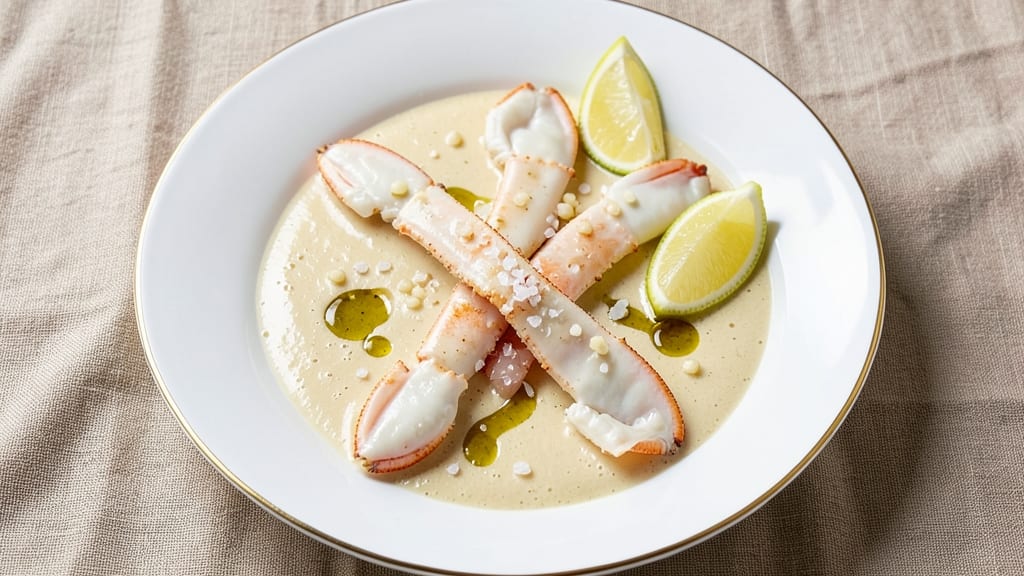
This creamy garlic butter sauce transforms simple crab legs into a restaurant-worthy centerpiece—rich, velvety, and packed with aromatic depth. The secret lies in emulsifying cold butter into warm garlic-infused cream, creating a sauce that clings beautifully to seafood without overpowering its natural sweetness.
I developed this recipe after years of testing, and it’s now my go-to for elevating even the most basic crab preparation.
The process is straightforward but requires precision: melted butter, minced garlic, and heavy cream combine to form a silky, golden sauce that’s impossible to resist. What makes it special is the balance—just enough garlic for bold flavor, but not so much that it becomes overpowering.
The sauce thickens perfectly when brought to a gentle simmer, resulting in a luxurious drizzle that enhances rather than masks the delicate taste of crab.
Once complete, this sauce delivers a creamy texture that coats every bite, turning ordinary crab legs into a decadent experience. It’s versatile enough for other seafood like shrimp or scallops, and the leftovers keep beautifully in the fridge for up to 5 days.
Whether you’re serving a special dinner or a casual gathering, this sauce is the finishing touch that makes all the difference.
Ready in just 15 minutes, this recipe requires minimal effort but delivers maximum impact. The key is patience during the emulsification step—rushing leads to separation, while slow, steady whisking ensures a smooth, velvety finish.
Pair it with steamed crab legs, a sprinkle of parsley, and crusty bread to soak up every last drop.
Ingredients for creamy garlic butter sauce for crab legs
Eight essential ingredients create this velvety sauce that transforms seafood into a luxurious experience.
| Ingredient | Amount | Notes |
|---|---|---|
| Unsalted Butter 🧈 | ¾ cup | Cold, cut into small cubes |
| Heavy Cream 🥛 | 1 cup | Full-fat for optimal richness |
| Garlic Cloves 🧄 | 6 cloves | Minced finely for aromatic depth |
| Extra-Virgin Olive Oil 🫒 | 2 tbsp | For emulsification stability |
| Diamond Crystal Kosher Salt 🧂 | ½ tsp | Adjust to taste after emulsification |
| Fresh Lemon Juice 🍋 | 1 tbsp | Brightens flavor profile |
| Fresh Parsley Leaves 🌿 | ¼ cup | Chopped finely for garnish |
| White Wine Vinegar 🍷 | 1 tsp | Balances richness (optional) |
The butter quality is paramount—European-style unsalted butter from brands like Plugrá or Kerrygold delivers superior flavor and better emulsification due to its higher fat content. For garlic, freshly minced cloves are non-negotiable; pre-minced garlic lacks the aromatic depth required. Heavy cream should be cold when added to prevent premature emulsification. Whole Foods Market or specialty grocers often carry premium European butter options that elevate this sauce from good to exceptional. The olive oil acts as an emulsifier, so high-quality extra-virgin with good acidity (like California Olive Ranch) ensures stability.
No heavy cream? Half-and-half plus extra butter maintains richness, though texture will be slightly lighter. Substitute olive oil with avocado oil for neutral flavor, but reduce to 1 tbsp to avoid overpowering. For garlic-sensitive palates, reduce to 4 cloves and increase lemon juice to 2 tbsp. The white wine vinegar can be omitted entirely if serving to guests who prefer no acidity, though it enhances the sauce's complexity. Fresh parsley can be swapped for chives or tarragon, but parsley's bright, slightly peppery note complements seafood best. Always taste before serving—adjust salt and lemon after emulsification when flavors meld.
This sauce maintains peak quality for 5 days refrigerated in an airtight container, though flavor intensifies after 24 hours. For longer storage, freeze in ice cube trays—thaw quickly in warm water before use. Reheat gently over low heat, whisking constantly to prevent separation. The emulsified texture may break slightly upon reheating; simply whisk in 1 tsp cold butter to restore silkiness. Garnish with additional parsley and a drizzle of olive oil before serving to enhance presentation while preserving the sauce's integrity.
Why You'll Love This Recipe
- Five-Ingredient Magic: I swear by this combo—just butter, cream, garlic, olive oil, and salt. That’s it. No fancy gadgets, no hidden pantry items, just pure, rich flavor with zero fuss.
- Butter-Cream Luxe: The moment the garlic melts into that velvety butter-cream mix? My mouth waters every time. It’s the kind of sauce that makes even the simplest crab legs feel like a restaurant-worthy splurge.
- Weeknight or Dinner Party: Same recipe, two vibes. Slap it on steamed crab legs for a quick weeknight dinner, or drizzle it over grilled crab for a crowd-pleasing centerpiece. Honestly, I’ve served it both ways—no regrets either time.
- Leftovers That Don’t Suck: Between us, most creamy sauces turn into a sad, watery mess the next day. Not this one. Store it in the fridge, reheat gently, and it’s still rich enough to make toast with. (Yes, I’ve done that.)
Step-by-step instructions for creamy garlic butter sauce
This method delivers a velvety, aromatic sauce that perfectly complements crab legs.
Mince the Garlic and Prepare the Base
Using a chef's knife, finely mince the 6 cloves garlic cloves until you achieve a paste-like consistency. This level of mincing ensures even distribution and prevents any harsh garlic bits that could disrupt the sauce's silky texture. Set the minced garlic aside in a small bowl.
In a medium saucepan, combine the 0.75 cup unsalted butter and 2 tablespoons extra-virgin olive oil over medium-low heat. Allow the mixture to melt completely, stirring occasionally, until it reaches a uniform temperature. You'll notice the butter foam subsides and the mixture becomes clear—this indicates it's ready for the next step. Keep the heat at this level to prevent burning the delicate garlic flavors.
Cook the Garlic Until Aromatic
Add the minced garlic to the saucepan and stir constantly for 2-3 minutes until it becomes golden brown and fragrant. The garlic should release its natural oils and develop a nutty aroma—this is your signal that it's properly cooked. Be cautious not to let it burn, as this will impart a bitter taste to the sauce. If the garlic starts to darken too quickly, reduce the heat slightly and continue stirring.
Once the garlic reaches this aromatic stage, immediately remove the saucepan from heat. This prevents the garlic from cooking further and turning bitter, which is crucial for maintaining the sauce's delicate balance of flavors. The residual heat will continue cooking the garlic slightly, but removing it at this point ensures we capture its peak flavor.
Incorporate the Heavy Cream and Season
Return the saucepan to low heat and gradually whisk in the 1 cup heavy cream. The cream should warm slowly and begin to steam gently. Stir continuously to prevent any hot spots that could cause the cream to curdle. You'll notice the sauce thickening slightly as it comes together—this is the emulsion forming that will give your sauce its luxurious consistency.
Add the 0.5 teaspoon diamond crystal kosher salt and 1 teaspoon white wine vinegar to the saucepan. Stir well to combine, then bring the mixture to a gentle simmer. Allow it to simmer for 3-5 minutes, stirring occasionally, until the sauce has thickened to a velvety consistency. You should be able to coat the back of a spoon with the sauce, indicating it has reached the perfect viscosity for drizzling over crab legs.
Finish with Lemon and Parsley
Remove the saucepan from heat and stir in the 1 tablespoon fresh lemon juice. The acidity of the lemon juice brightens the rich flavors of the butter and cream, creating a well-balanced sauce. Taste the sauce and adjust the salt if needed—remember, the crab legs will contribute additional saltiness, so err on the side of slightly under-seasoning at this stage.
Finally, stir in the 0.25 cup finely chopped fresh parsley leaves. The parsley adds a fresh, herbal note that cuts through the richness of the butter and cream. The sauce is now complete and ready to be served immediately over your crab legs. For best results, drizzle the sauce just before serving to maintain its creamy texture and prevent it from separating.
Maintain the Sauce's Texture
If you need to reheat the sauce later, do so gently over low heat, stirring constantly to prevent it from breaking. The sauce should never boil, as this will cause the emulsion to separate. Instead, maintain a gentle simmer just below the boiling point. If the sauce does separate, whisk in a small amount of hot heavy cream to restore its creamy consistency.
For optimal presentation, strain the sauce through a fine-mesh sieve just before serving to remove any garlic bits or parsley stems. This ensures a smooth, elegant drizzle over your crab legs. The sauce should be served immediately to maintain its luxurious texture and temperature.
Pro Tips For Making Creamy Garlic Butter Sauce For Crab Legs
- Sweat, Don’t Burn: Garlic’s the star here, but charred bits ruin the whole show. Cook the minced cloves in olive oil over medium-low heat until just fragrant—about 2 minutes—then add the butter. I learned this the hard way when my sauce tasted bitter from overcooked garlic.
- Salt the Butter First: Toss a pinch of kosher salt into the cold butter before melting it. This dissolves completely into the sauce, giving you even flavor without clumps. I used to add salt at the end and always wondered why some batches tasted flat.
- Whisk the Cream Slowly: Pour the heavy cream into the butter-garlic mixture a little at a time, whisking constantly. This prevents curdling and keeps the sauce silky. I’ve seen people dump it all in at once—don’t be that person.
- Finish with a Drizzle: After simmering, remove the sauce from heat and let it rest 30 seconds. Then, finish with a thin stream of cold butter and a final pinch of salt. This brightens the sauce and smooths out any heat from the simmer—trust me, it’s worth the extra 10 seconds.
Dietary considerations for this dish
Gluten-Free Adaptation
This sauce is naturally gluten-free as written, but always double-check your butter and cream labels to ensure they’re certified gluten-free. Brands like Plugrá and Kerrygold unsalted butter are typically safe, but cross-contamination can occur in shared facilities.
For extra caution, use a dedicated gluten-free butter alternative like Miyoko’s cultured butter. The sauce’s emulsification process relies on fat and acid balance, not gluten, so no modifications are needed beyond ingredient verification. ✨
Dairy-Free Substitutions
Replace the butter and heavy cream with 1 cup full-fat coconut milk (canned, for creaminess) and ½ cup melted coconut oil (or avocado oil for neutral flavor). Use 1 tablespoon nutritional yeast for a cheesy depth, and add ½ teaspoon xanthan gum to help stabilize the emulsion.
The sauce will have a lighter texture but still clings beautifully to crab. Taste and adjust salt—coconut milk can be naturally salty. 🥥
Low-Fat or Lightened Version
Swap ½ cup of the heavy cream for ½ cup Greek yogurt (or coconut yogurt for dairy-free) to reduce fat while keeping richness. Use 1 tablespoon cornstarch mixed with 1 tablespoon cold water to thicken the sauce, whisking it in during the simmering step.
The sauce will still coat crab legs well but with about 30% fewer calories. Garnish with extra lemon zest to brighten the lighter profile. 💪
Shellfish Allergy Note
While this sauce is shellfish-free, it’s designed specifically for crab legs. If serving to guests with shellfish allergies, clearly label the dish and avoid cross-contamination by using separate utensils and serving surfaces.
The sauce itself is safe, but always confirm with the host about other components (like garnishes or bread served alongside). When in doubt, prepare the sauce separately and let guests add it to their own plates. 🛡️
Vegetarian Adaptations
This sauce pairs perfectly with grilled vegetables (like asparagus or zucchini) or mushroom risotto. For a vegetarian twist, add 1 teaspoon smoked paprika or ½ teaspoon Old Bay seasoning to mimic seafood flavors.
The sauce’s richness works well with plant-based proteins like seitan or tofu, though texture may vary. Always taste and adjust seasoning—vegetables often need more salt than seafood does. 🌱
Storage for Dietary Needs
Store leftovers in glass airtight containers (like Pyrex) for up to 5 days refrigerated. For dietary restrictions, label containers with the date and any substitutions used. When reheating, use a double boiler or microwave on low power to prevent separation.
The sauce’s emulsion is delicate, so avoid high heat—low and slow preserves its creamy texture for all dietary adaptations. ❄️
Nutrition facts
Frequently asked questions
Why does my garlic butter sauce separate when reheated?
This happens when the emulsion breaks due to high heat or rapid temperature changes. Always reheat over low heat while whisking constantly—never boil. If separation occurs, whisk in 1 teaspoon cold butter to restore creaminess. The sauce should never be stored in the fridge for more than 5 days as prolonged refrigeration also weakens the emulsion.
Can I make this sauce ahead of time for a party?
Yes, but with precautions! Prepare it up to 24 hours ahead and store in an airtight container. Reheat gently before serving, but expect a slight texture change—it may thicken further. For parties, consider making it fresh or using individual ramekins to reheat portions separately. The sauce's flavor actually improves overnight as ingredients meld.
What's the secret to getting that perfect velvety texture?
The key is low-and-slow cooking and proper emulsification. Use cold butter when adding to warm cream, and whisk constantly at low heat to prevent curdling. The olive oil acts as an emulsifier—don't skip it! Also, strain the sauce before serving to remove any garlic bits that could disrupt the smoothness.
Can I use this sauce for other seafood besides crab legs?
It works beautifully with shrimp, lobster, or even grilled fish fillets. The rich garlic butter flavor complements all shellfish and white fish varieties. For a vegetarian option, try drizzling it over grilled asparagus or mushroom risotto. The sauce's versatility makes it perfect for seafood boils or pasta dishes too.
How do I fix burnt garlic flavor in my sauce?
If your garlic turns bitter, remove the pan from heat immediately and stir in 1 tablespoon fresh lemon juice and ½ teaspoon white wine vinegar to balance the flavor. For stronger cases, add 1 teaspoon minced fresh parsley or ½ teaspoon smoked paprika to mask the bitterness. Always cook garlic on medium-low heat and stir constantly to prevent burning.