
Sauces & Condiments
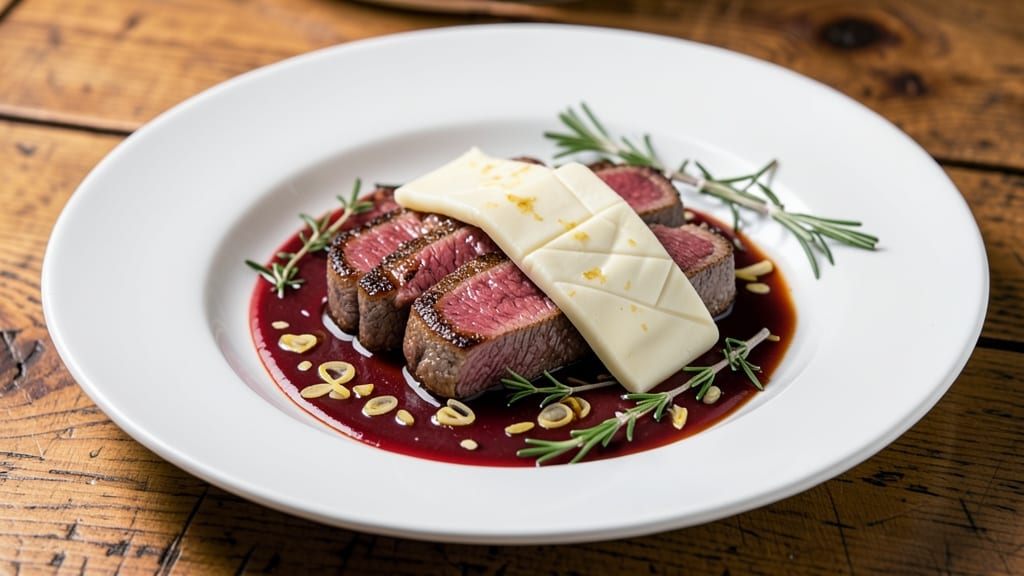
Creating the perfect entrecote sauce transforms a simple steak into a restaurant-worthy masterpiece. This rich red wine reduction captures the essence of pan-seared beef with its deep, velvety texture and balanced acidity.
The sauce builds on classic French techniques while simplifying them for home cooks—no special equipment required, just patience and precise timing.
What sets this sauce apart is its ability to elevate any protein, not just entrecote. The foundation lies in reducing red wine with shallots and beef stock until syrupy, then finishing with a touch of butter for luxurious mouthfeel.
Every step is designed to preserve the sauce's natural depth while avoiding bitterness—a common pitfall in homemade reductions.
The result is a glossy, aromatic sauce that clings beautifully to meat or vegetables, delivering layers of umami, acidity, and subtle sweetness. It keeps well in the refrigerator for up to 5 days or freezes for 3 months, making it ideal for meal prep.
This sauce isn't just a condiment; it's the star of the plate.
Whether you're serving a special dinner or prepping for the week, this recipe delivers professional-quality results with simple ingredients. The key lies in the reduction process—letting the wine and stock simmer slowly until thickened creates that signature restaurant texture. Ready to master it?
Ingredients for entrecote sauce
Nine essential components transform simple ingredients into a velvety red wine reduction worthy of fine dining.
| Ingredient | Amount | Notes |
|---|---|---|
| Dry Red Wine 🍷 | 1 ½ cups | Bold, full-bodied variety like Cabernet Sauvignon |
| Shallots 🧅 | ½ cup | Finely minced, 4-5 medium shallots |
| Beef Stock 🥩 | 1 ½ cups | High-quality, homemade preferred |
| Unsalted Butter 🧈 | ½ cup | Cold, cubed for finishing |
| Fresh Thyme 🌿 | 1 tbsp | Leaves only, finely chopped |
| Fresh Rosemary 🌿 | ½ tsp | Finely chopped, needle-like leaves |
| Red Wine Vinegar 🍋 | 1 tbsp | For acidity balance |
| Diamond Crystal Kosher Salt 🧂 | ½ tsp | Adjust to taste |
| Black Peppercorns 🌶️ | ¼ tsp | Freshly cracked |
| Granulated Sugar 🍚 | ½ tsp | Balances acidity |
The red wine selection is non-negotiable for this sauce—Cabernet Sauvignon or Merlot deliver the bold, full-bodied profile essential for depth. Whole Foods or local wine shops typically carry high-quality bottles perfect for cooking. Avoid wines with cork taint by checking for a clean, fruity aroma when opening. Shallots provide the aromatic base; organic shallots from the produce section ensure vibrant flavor without bitterness. Fresh thyme and rosemary should be bright green and fragrant, indicating peak freshness. The beef stock is the sauce's umami anchor—homemade stock from a slow-cooked roast elevates the dish further, though quality store-bought options like Kitchen Basics work in a pinch.
No red wine? Substitute beef stock with an extra 0.5 cup and 1 tbsp balsamic vinegar for acidity, though the sauce will lack depth. Shallots unavailable? Yellow onion at half the quantity, but expect a slightly sharper flavor. Fresh herbs wilt quickly; dried thyme at one-third the amount suffices if needed. The sugar balances acidity—brown sugar adds subtle caramel notes for variation. For a richer finish, substitute half the butter with cold duck fat, though this alters the sauce's mouthfeel. Always taste as you reduce; adjust salt and vinegar incrementally to preserve balance.
This sauce develops complexity over time—reheat gently on low heat, stirring occasionally, until warmed through. Store in an airtight container in the refrigerator for up to 5 days, where the flavors meld beautifully. For longer storage, freeze in ice cube trays for precise portioning; thaw in the refrigerator before reheating. The sauce thickens as it cools—thin with a splash of warm water or stock if needed before serving. Portion into ramekins for elegant plating, or drizzle generously over entrecote, steak frites, or roasted vegetables.
Why You'll Love This Recipe
- Here’s what sold me: that beef stock and butter combo turns simple into ridiculously good—deep, velvety, with just a whisper of thyme. It’s the kind of sauce that makes you forget you didn’t spend hours simmering.
- Wine in Minutes: That dry red wine you’ve been saving? This sauce uses it up fast—no fancy decanting, just a quick deglaze while your steak sears. The shallots caramelize in under 5 minutes, so you’re not stuck chopping for hours.
- Rich Without Effort: Here’s what sold me: that beef stock and butter combo turns simple into ridiculously good—deep, velvety, with just a whisper of thyme. It’s the kind of sauce that makes you forget you didn’t spend hours simmering.
- Steak Night Every Night: Between us, this sauce works on grilled entrecote, roasted chicken thighs, or even mashed potatoes. I’ve used it for date-night dinners and lazy Sunday brunches—same recipe, different star.
Step-by-step instructions for entrecote sauce recipe
Master this classic red wine reduction that transforms simple ingredients into a velvety, flavor-packed sauce.
Sauté Shallots Until Translucent
Heat a medium saucepan over medium-low heat and add the 0.5 cup finely minced shallots. Cook gently for 8-10 minutes until completely translucent and just beginning to color at the edges. This slow cooking prevents burning while developing their natural sweetness.
I like to stir occasionally with a wooden spoon, breaking up any larger pieces as they soften. The shallots should be tender enough to crush between your fingers but still retain their shape. If they brown too quickly, reduce the heat immediately—this sauce builds flavor through gentle development, not aggressive browning.
Deglaze with Red Wine and Reduce
Pour in the 1.5 cups dry red wine and increase heat to medium-high. Stir constantly as the wine comes to a gentle simmer, scraping up any browned bits from the bottom of the pan. These fond bits contain concentrated flavor that will form the sauce's rich base.
Simmer vigorously for 8-10 minutes until the liquid reduces by half and reaches a syrupy consistency. You'll notice the aroma intensify as alcohol evaporates, leaving behind deeper wine notes. If the reduction seems too slow, increase heat slightly—but never let it boil hard, or you'll lose delicate aromatics.
Build the Sauce Base with Stock and Aromatics
Add the 1.5 cups beef stock, 1 tbsp finely chopped fresh thyme, 0.5 tsp finely chopped fresh rosemary, 1 tbsp red wine vinegar, and 0.5 tsp granulated sugar. Stir well to combine, then reduce heat to low-medium and simmer uncovered for 15-20 minutes until the sauce thickens noticeably.
During this time, the stock will reduce and the aromatics will infuse their essence into the sauce. I like to taste occasionally—this is where you'll notice the balance between wine acidity, stock richness, and herbaceous notes. If the sauce becomes too thick, add 2-3 tablespoons water to maintain proper consistency for proper sauce texture.
Season and Finish with Butter
Remove the pan from heat and stir in the 0.5 cup unsalted butter, cubed, until completely melted and emulsified. The sauce should become glossy and velvety. Add the 0.5 tsp Diamond Crystal kosher salt and 0.25 tsp freshly cracked black peppercorns, adjusting to taste.
Return to very low heat for 2-3 minutes to temper the butter without breaking the sauce's emulsion. The final sauce should coat the back of a spoon and have a beautiful mahogany color. If it's too thin, simmer gently for another 5 minutes to thicken. This sauce should be rich enough to cling to entrecote but still pour gracefully.
Rest and Serve Immediately
Transfer the sauce to a warm serving dish and cover with a lid or plastic wrap pressed directly on the surface to prevent skin formation. Let it rest for 5-10 minutes before serving—this allows flavors to meld completely and the sauce to reach its ideal consistency.
Serve immediately over perfectly seared entrecote or any beef dish. The sauce will maintain its velvety texture when served over hot meat, creating a luxurious sauce-to-meat ratio of about 2 tablespoons per serving. For best results, keep the sauce warm in a slow cooker set to 160°F if serving family-style.
Pro Tips For Making Entrecote Sauce
- Sweat Shallots Slow: I used to rush this step, and the sauce would taste raw. Over medium-low heat with a splash of wine before adding the shallots—let them melt into the pan for 8-10 minutes until translucent but not browned. That’s when the flavor actually develops.
- Deglaze Hot Pan: Pour that wine in when the pan is still screaming hot after the shallots. The immediate sizzle breaks down the fond (those browned bits) faster than you’d believe. Skip this, and you’re left with a thinner, less rich sauce—no one wants that.
- Reduce Wine First: Don’t dump everything in at once. Let the wine reduce by half before adding stock—this concentrates the alcohol’s punch and deepens the sauce’s complexity. I learned this the hard way after a dinner where the wine taste lingered like a bad aftertaste.
- Butter Last, Low Heat: Whisk in the cold butter off the heat, then return the pan to the lowest setting possible. If you rush this, the butter will seize and turn grainy—no one’s saving time by ruining the sauce. Let it melt slowly, and the sauce will emulsify into a velvety finish.
Perfect pairings for this recipe
Steakhouse Classics
This red wine reduction pairs perfectly with entrecote or ribeye steak, but I also love it over filet mignon or New York strip for a restaurant-quality finish. The sauce's rich depth complements the beef's natural flavors without overpowering them.
For an elevated presentation, drizzle the sauce over steak frites or serve it alongside creamy mashed potatoes and sautéed green beans. 🍽️
Wine Pairings
Since this sauce already features red wine, I recommend pairing it with a bold Cabernet Sauvignon or Malbec to complement its deep flavors. The tannins in these wines enhance the sauce's richness, creating a harmonious dining experience.
For a lighter option, a Pinot Noir offers a more delicate contrast without competing. Always serve the wine slightly cooler than room temperature—around 60-65°F—to let its aromas shine alongside the sauce.
Beverage Alternatives
If wine isn't your preference, a dark beer like stout or porter works surprisingly well. The roasted malt notes in these beers mirror the sauce's depth, while the slight bitterness balances the richness. For non-alcoholic pairings, a sparkling cranberry juice adds a refreshing contrast to the sauce's velvety texture.
I also enjoy serving it with a chilled herbal tea, like hibiscus or chamomile, to cleanse the palate between bites.
Vegetable Pairings
This sauce isn't just for meat—it elevates roasted Brussels sprouts, caramelized mushrooms, or grilled asparagus beautifully. The umami-rich reduction cuts through the earthiness of vegetables, making them taste even more luxurious.
I especially love pairing it with truffle-infused dishes or wild mushrooms for a gourmet touch. For a lighter option, drizzle it over zucchini noodles or roasted eggplant for a vegetarian-friendly twist.
Bread and Cheese
No meal is complete without a side of crusty baguette or sourdough to soak up every last drop of sauce. I recommend toasting the bread lightly and rubbing it with a garlic clove before serving.
For a cheesy pairing, aged Gouda or blue cheese offers a delightful contrast to the sauce's acidity. The combination of warm bread, rich cheese, and velvety sauce creates a satisfying, textural experience that keeps guests coming back for more.
Global Variations
For a Spanish twist, add a pinch of smoked paprika and a splash of sherry to the reduction. In Italian cuisine, a touch of dried oregano and a drizzle of balsamic glaze transform it into a Bolognese-inspired sauce.
For a French bistro feel, finish with a sprinkle of fresh tarragon and a dollop of crème fraîche. Each variation keeps the sauce's core richness while adding a unique cultural flair. 🌍
Nutrition facts
Frequently asked questions
Can I make this sauce without red wine?
Yes! For a wine-free version, substitute 1.5 cups beef stock with 1 cup beef stock + 1 tbsp balsamic vinegar to maintain acidity. Use 1 tbsp soy sauce for umami depth instead of wine. The sauce will have a slightly different profile but still work beautifully over entrecote.
How do I fix a sauce that's too thin?
Simmer the sauce uncovered over low heat for 5-10 minutes to reduce further. If it still needs thickening, mix 1 tsp cornstarch with 2 tbsp cold water, stir into the sauce, and cook for 1-2 minutes until thickened. Never boil vigorously, or the sauce may separate.
What's the best way to reheat leftover sauce?
Gently reheat over low heat in a saucepan, stirring frequently to prevent skin formation. For best results, add 1-2 tbsp warm water or stock to restore original consistency. Avoid microwaving—it can break the sauce's emulsion and make it grainy.
Can I make this sauce ahead of time?
This sauce actually improves when made 1-2 days ahead. Store in an airtight container in the fridge, where flavors meld beautifully. Reheat gently and adjust seasoning if needed. For longer storage, freeze in ice cube trays for precise portions.
Why did my sauce turn bitter?
Bitterness usually comes from over-reducing or using low-quality wine/stock. To prevent this, reduce heat when the sauce reaches syrupy consistency (should coat the back of a spoon). Use high-quality red wine and homemade stock for best results. If it's already bitter, stir in 1 tsp sugar or a pinch of salt to balance.