
Sauces & Condiments
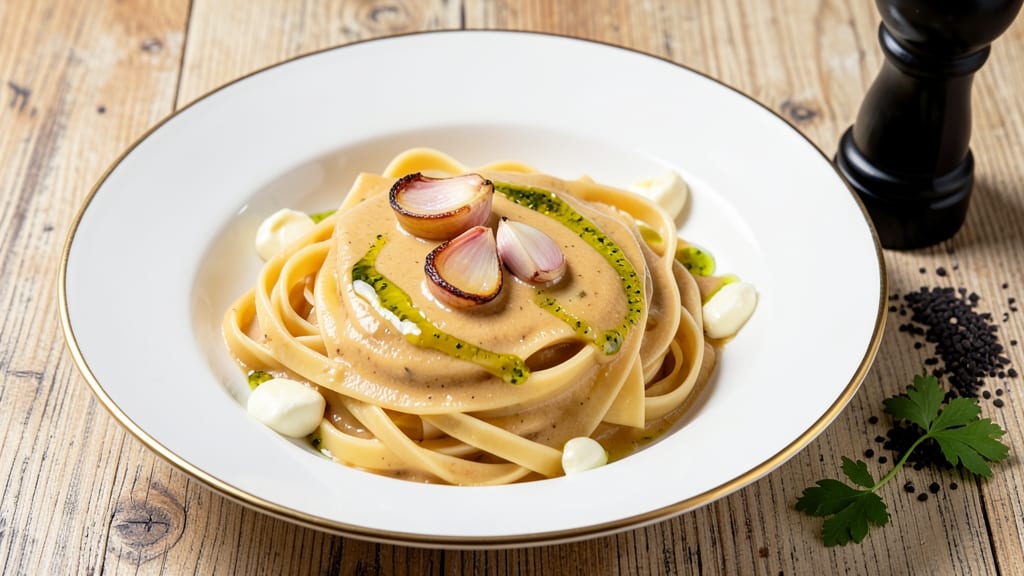
Creating the perfect fettucine sauce that clings to noodles without a single butter clump is a game-changer for restaurant-quality meals at home. ✨ The secret lies in balancing rich ingredients with precise techniques that ensure smooth, velvety texture every time.
This recipe delivers an ultra-silky sauce using just five simple ingredients—no heavy cream shortcuts or overcomplicated methods. The key is cooking the sauce at a gentle simmer while stirring constantly to prevent lumps, then incorporating pasta water to achieve that signature silken consistency.
We’ll pair it with perfectly al dente fettuccine for the ideal bite.
By the time you plate this dish, you’ll have golden-brown noodles coated in a sauce that’s rich yet light, with no graininess or separation. The result is a dish that feels luxurious but takes less than 20 minutes to prepare once the sauce is made.
Serve immediately with a sprinkle of fresh parsley and grated parmesan for the perfect finishing touch. This recipe works equally well with classic marinara, creamy Alfredo, or herb-infused pesto variations—each version maintains that signature silky texture.
Ingredients for fettucine sauce
Five core ingredients transform into a velvety fettuccine sauce with restaurant-quality texture.
| Ingredient | Amount | Notes |
|---|---|---|
| Extra-Virgin Olive Oil 🫒 | ½ cup | High-quality, fruity variety preferred |
| Unsalted Butter 🧈 | 4 tbsp | Cold, cubed for even melting |
| Fresh Garlic Cloves 🧄 | 4 cloves | Minced finely for smooth texture |
| Heavy Cream 🥛 | ½ cup | Full-fat for optimal richness |
| Diamond Crystal Kosher Salt 🧂 | ½ tsp | Adjust to taste after initial seasoning |
| Freshly Ground Black Pepper 🌶️ | ¼ tsp | Freshly cracked for vibrant flavor |
| Freshly Grated Parmesan Cheese 🧀 | ½ cup | From a high-quality wedge |
| Fresh Fettuccine Noodles 🍝 | 12 oz | Al dente cooking essential |
| Fresh Parsley Leaves 🌿 | ¼ cup | Chopped finely for garnish |
| Reserved Pasta Water 💧 | ½ cup | From cooked fettuccine |
The olive oil and butter form the sauce's luxurious base, so choose extra-virgin olive oil with a robust flavor profile—look for bottles labeled 'cold-pressed' or 'first-cold-press' at specialty markets like Whole Foods or Eataly. For butter, Plugrá or Land O'Lakes cultured butter creates a deeper, more complex sauce than unsalted alternatives. Fresh garlic should be vibrant purple cloves with no green shoots, available at any well-stocked grocery store's produce section. The heavy cream must be full-fat—Organic Valley or Horizon brands provide consistent quality. Salt is critical: Diamond Crystal kosher salt dissolves cleanly, while table salt can leave a bitter aftertaste. Freshly ground pepper preserves its aromatic compounds better than pre-ground varieties.
No extra-virgin olive oil? Light olive oil or avocado oil works, though the flavor will be milder. Butter substitutes? Browned butter or ghee adds depth, but reduce by 1 tbsp to account for moisture differences. Garlic powder lacks the same depth—use half the amount if substituting, but infuse it in warm olive oil first. For dairy-free versions, coconut cream mimics richness, though texture will differ slightly. The pasta water is non-negotiable: always reserve 1 cup when cooking fettuccine, as its starch content binds the sauce. If you're using dried fettuccine, cook it one minute less than package instructions to maintain al dente texture—it'll finish cooking in the sauce.
Store any unused sauce in an airtight container with a layer of plastic wrap pressed directly on the surface to prevent skin formation. Keeps for 3-4 days in the refrigerator or 3 months frozen in a sealed container. For maximum freshness, prepare the sauce immediately before serving. The fettuccine should be cooked just before adding sauce—it continues cooking in the residual heat. Garnish with parsley and parmesan right before plating to maintain vibrant colors and flavors. This sauce reheats beautifully: gentle warming on low heat with a splash of pasta water restores its silky consistency.
Why You'll Love This Recipe
- No-Chop Necessary: I swear by this sauce because it only requires mincing two garlic cloves—no dicing, no prepping, just a quick press. The butter and olive oil melt together so smoothly, you’ll have that rich, velvety base in minutes while you boil the pasta.
- Garlic-Cream Magic: That moment when the heavy cream and roasted garlic cloves hit? Pure satisfaction. The salt crystals dissolve into the warm cream, creating this addictive balance—salty, sweet, and deeply savory—that makes every forkful feel like a hug.
- Weeknight to Dinner Party: Same sauce, endless occasions. Toss it with fettuccine for a lazy Tuesday, drizzle it over grilled chicken for a fancy-ish Friday, or even use it as a creamy dip with crusty bread when unexpected guests show up. It’s my secret weapon for looking effortless.
- Leftovers That Don’t Suck: Between us, most creamy sauces turn into a sad, watery mess the next day. Not this one. The butter and cream actually improve overnight, getting richer and more flavorful—perfect for reheating with a splash of milk or even freezing for future lazy nights.
Step-by-step instructions for ultra-silky fettuccine sauce
Master this technique and you'll achieve a velvety sauce with no butter lumps every time.
🍳 Step 1: Bloom the Garlic in Olive Oil
Heat the 0.5 cup extra-virgin olive oil in a large saucepan over medium-low heat. Add the 4 cloves minced fresh garlic cloves and cook for 2-3 minutes until fragrant but not browned. Here's the thing—garlic burns quickly, so keep your eye on it. You want that sweet, nutty aroma without any bitter notes.
Remove the pan from heat immediately after the garlic smells perfumed. This step creates the aromatic base that prevents butter clumping later. Let the garlic-infused oil sit for 1 minute while you prepare the next component—this allows the flavors to meld fully.
🍳 Step 2: Melt Butter Gradually Over Low Heat
Return the pan to low heat and add the 4 tablespoons cold cubed unsalted butter. Stir gently with a wooden spoon, letting the butter melt slowly over 3-4 minutes. This gradual melting is crucial—it prevents butter from separating and creating clumps in your sauce.
Watch for the butter to transform from solid cubes to a smooth, creamy consistency. You'll notice tiny bubbles forming around the edges—that's your signal the butter is fully incorporated. Remove from heat once completely melted to prevent overheating.
🥘 Step 3: Add Cream and Cheese for Silky Texture
Pour in the 0.5 cup heavy cream and stir to combine with the butter-oil mixture. Return the pan to low heat and add the 0.5 cup freshly grated parmesan cheese and 0.5 tsp diamond crystal kosher salt. Stir constantly for 2-3 minutes until the cheese melts completely and the sauce thickens slightly.
This is where the sauce transforms from simple to luxurious. The parmesan emulsifies with the fat, creating that signature ultra-silky texture. If the sauce starts to curdle, immediately remove from heat and whisk vigorously to restore smoothness.
⏰ Step 4: Cook the Fettuccine Al Dente
While the sauce simmers, cook the 12 oz fresh fettuccine noodles in boiling salted water until 1 minute before al dente (about 8-9 minutes total). Reserve 0.5 cup reserved pasta water before draining—this starchy liquid is essential for adjusting sauce consistency.
Real talk: Don't overcook the pasta. It should have a slight bite to resist gentle pressure with tongs. The pasta will finish cooking in the sauce, and overcooked noodles become mushy when reheated. Drain the pasta but save that 0.5 cup reserved pasta water—it's liquid gold for sauce adjustments.
🥘 Step 5: Combine and Finish with Pepper and Parsley
Add the drained fettuccine to the sauce pan and toss gently to coat. If the sauce seems too thick, add 1-2 tablespoons reserved pasta water at a time until it reaches your desired consistency—it should cling lightly to the noodles without being soupy.
Season with 0.25 tsp freshly ground black pepper and 0.25 cup chopped fresh parsley leaves. Toss everything together for 1 minute to distribute the flavors evenly. The parsley adds freshness that cuts through the richness, while the pepper provides a subtle heat that enhances all the flavors.
Pro Tips For Making Fettucine Sauce
- Bloom the Garlic: Slice those cloves thin—almost translucent—and let them sit in the oil for 30 seconds before adding butter. I learned this the hard way when my garlic burned into bitter ashes instead of mellowing into golden flavor. The butter will mellow the heat, but give the garlic a head start.
- Salt the Cream: Toss in a pinch of kosher salt with the heavy cream—right when you add it. The salt dissolves better in warm cream, and it prevents that weird, flat taste that happens when you forget. (Yes, I’ve forgotten. It’s worse than you think.)
- Low and Slow for Cream: Once the cream hits the pan, drop the heat to medium-low and let it simmer gently. Rushing it turns the sauce grainy or worse—curdled. I used to walk away, and by the time I checked, it was separating like a bad milkshake. Keep an eye on it.
- Butter Last, Not First: Save that unsalted butter for the very end—melt it into the finished sauce off the heat. Adding it early can make the garlic sweat too much and lose its punch. A quick swirl at the end coats the fettucine perfectly without overpowering the garlic’s brightness. (Trust me, I’ve tried both ways.)
Troubleshooting this recipe
Butter Clumps
The #1 enemy of silky sauces is unevenly melted butter. I’ve ruined countless sauces by adding cold butter too quickly—it creates greasy lumps that won’t dissolve. The fix? Always use cold cubed butter and melt it gradually over low heat while stirring constantly.
If lumps appear, immediately remove from heat and whisk vigorously with 1 tablespoon reserved pasta water to emulsify. 🧈
Curdled Sauce
Sauce curdling happens when heat causes proteins in cream or cheese to separate. To prevent this, never boil the sauce—keep it at a gentle simmer (small bubbles at edges only). If curdling occurs, whisk in 1 tablespoon cold butter and 1 tablespoon pasta water while stirring rapidly.
The starch in pasta water acts as a natural emulsifier. For extra insurance, add ½ teaspoon cornstarch mixed with 1 tablespoon water and stir until smooth.
Sauce Too Thin
If your sauce is watery after combining with pasta, don’t panic—just simmer uncovered for 2-3 minutes to evaporate excess moisture. For immediate thickening, whisk in 1 tablespoon reserved pasta water at a time until you reach a velvety consistency.
Pro tip: If you’ve already drained all pasta water, mix 1 teaspoon cornstarch with 1 tablespoon cold water, stir into the sauce, and cook for 1 minute until thickened. ✨
Pasta Too Soft
Overcooked fettuccine turns mushy when tossed with sauce. The solution? Cook pasta just 1 minute less than package instructions (about 8-9 minutes for fresh fettuccine) and finish cooking in the sauce. For dried pasta, reduce by 2 minutes.
Always test with the tong test: press noodles gently—they should resist slightly. If they’re already soft, add 1 minute of cooking time before draining next batch.
Sauce Separates
Separation occurs when fat and liquid phases break apart. To fix it, remove from heat immediately and whisk vigorously while adding 1 tablespoon cold butter and 1 tablespoon pasta water. The starch in pasta water helps re-emulsify the sauce.
For prevention, always stir constantly while heating and avoid sudden temperature changes. If the sauce still separates, try blending it briefly with an immersion blender for a silky texture.
Flavor Too Mild
If your sauce lacks depth, it’s likely under-seasoned. Boost flavor by adding 1 extra clove of garlic in the blooming step or 1 teaspoon lemon zest at the end. For umami richness, stir in 1 teaspoon fish sauce or ½ teaspoon nutritional yeast.
If the sauce tastes bland after combining with pasta, reserve ¼ cup pasta water and reduce it by half in a small pan before mixing back in—this concentrates the flavor. 💡
Nutrition facts
Frequently asked questions
Can I use dried fettuccine instead of fresh?
Yes, but adjust cooking times! Dried fettuccine needs 10-12 minutes in boiling water (vs 8-9 minutes for fresh), but cook it 2 minutes less than package instructions to maintain al dente texture. The sauce will finish cooking the noodles perfectly. Always reserve 0.5 cup pasta water—it's essential for silky consistency.
Why does my sauce get grainy?
Graininess usually means the cheese didn't melt fully or you stirred too vigorously. Always use freshly grated parmesan (pre-shredded contains anti-caking agents) and keep heat at a gentle simmer. If grainy, whisk in 1 tablespoon cold butter and 1 tablespoon pasta water to smooth it out. Stir just enough to combine, not vigorously.
Can I make this sauce ahead of time?
Prepare the sauce up to 2 days ahead and store in an airtight container with plastic wrap pressed directly on the surface. Reheat gently on low heat with a splash of pasta water to restore silkiness. For best flavor, add fresh parsley and parmesan just before serving. The sauce reheats beautifully—just avoid boiling.
What if I don't have heavy cream?
Use half-and-half (equal parts) or whole milk (reduce by 2 tablespoons), but texture will be lighter. For richness, add 1 tablespoon sour cream or 1 teaspoon cornstarch mixed with 1 tablespoon water to thicken. The sauce will still cling to noodles, though cream creates that signature velvety finish. Stir constantly while heating to prevent curdling.
How do I prevent butter clumps in other creamy sauces?
Always use cold cubed butter and melt it gradually over low heat while stirring constantly. For extra insurance, add 1 tablespoon reserved pasta water when combining with other ingredients. The starch in pasta water acts as a natural emulsifier. Never add butter to hot liquid—it creates greasy lumps that won't dissolve. This technique works for Alfredo, mac and cheese, and even béchamel!