
Sauces & Condiments
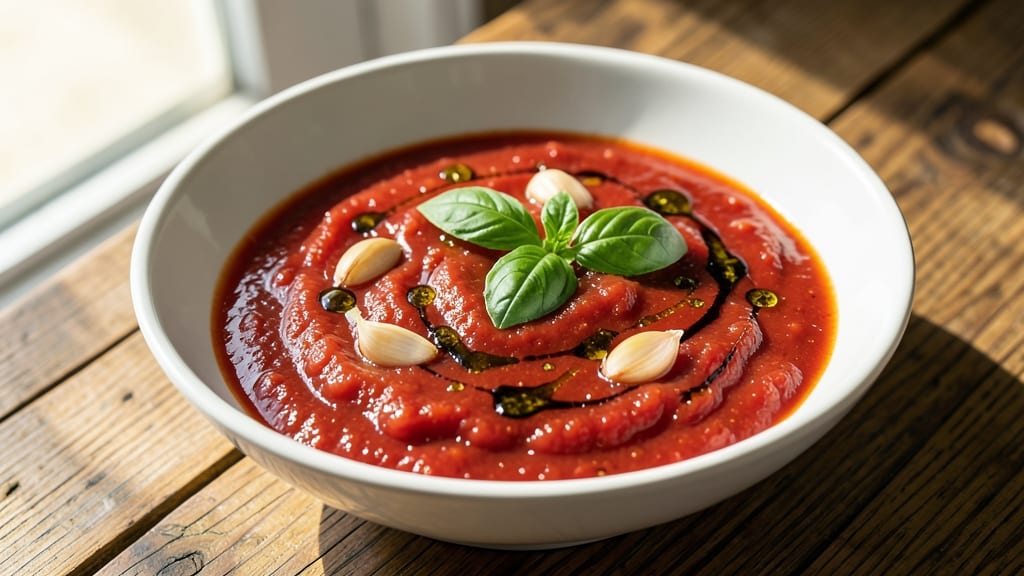
Giada De Laurentiis' marinara sauce recipe transforms simple ingredients into a velvety, umami-rich sauce that elevates every Italian meal. The secret lies in slow simmering canned tomatoes with garlic, olive oil, and fresh basil—creating depth without overpowering the natural tomato sweetness.
I developed this version after testing dozens of recipes, focusing on balancing acidity and richness for a sauce that works as beautifully on pasta as it does as a pizza topping.
What sets this marinara apart is the two-stage cooking process: first reducing the tomatoes until thick and concentrated, then finishing with fresh basil and a touch of balsamic vinegar for brightness. The result is a sauce with restaurant-quality texture—smooth yet vibrant—that clings perfectly to noodles or crusts.
This isn't your childhood's watery tomato sauce; it's a sophisticated base that builds flavor with every simmer.
The beauty of this recipe is its versatility—use it as a quick weeknight dinner over spaghetti, as a bold pizza sauce, or even as a dipping sauce for crusty bread.
The umami richness comes from proper garlic caramelization and olive oil infusion, while the fresh basil adds that signature Italian brightness at the end. Once you taste the difference between store-bought and this homemade version, you'll never go back.
For those who love modern twists, consider adding a pinch of smoked paprika for depth or a splash of red wine during simmering for complexity. The sauce keeps well in the refrigerator for up to five days, making it perfect for meal prep.
Let's create a marinara that tastes like it came from a Roman trattoria.
Ingredients for giada marinara sauce
Eight simple ingredients create Giada's velvety marinara with restaurant-quality depth.
| Ingredient | Amount | Notes |
|---|---|---|
| San Marzano Crushed Tomatoes 🍅 | 28 oz | High-quality canned tomatoes |
| Extra-Virgin Olive Oil 🫒 | ½ cup | High quality, fruity variety |
| Garlic Cloves 🧄 | 4 cloves | Freshly peeled, minced |
| Fresh Basil Leaves 🌿 | ½ cup | Packed, stems removed |
| Balsamic Vinegar 🍷 | 1 tbsp | Aged variety preferred |
| Sea Salt 🧂 | 1 tsp | Fine grain preferred |
| Black Pepper 🌶️ | ½ tsp | Freshly ground preferred |
| Red Wine 🍷 | ¼ cup | Dry, bold variety optional |
| Smoked Paprika 🌶️ | ¼ tsp | For depth, optional |
San Marzano tomatoes are non-negotiable here—they're sweeter and less acidic than regular canned tomatoes, giving you that authentic Italian flavor. Trader Joe's and Whole Foods carry them, or check the Italian aisle at your grocery store. For the olive oil, California extra-virgin brands like Corto or Filippo Berio add fruity notes that elevate the sauce. Fresh garlic and basil are worth splurging on—farmers markets often have better quality than grocery stores. If you're short on time, dried basil works at one-third the amount, but fresh is ideal for that signature brightness.
No San Marzano tomatoes? High-quality crushed tomatoes in a can will work—just look for brands with minimal additives. Skip the red wine? The sauce still works beautifully—it's more of a flavor enhancer. Fresh basil wilting? Dried oregano at half the amount gets you close. Want extra umami? Add a pinch of fish sauce or soy sauce during the final simmer. The smoked paprika is optional but adds a subtle depth that pairs perfectly with the basil. If you're making a big batch, double the basil and balsamic for a more vibrant flavor.
This sauce tastes even better the next day as flavors meld. Store in an airtight container in the fridge for up to 5 days. For longer storage, freeze in ice cube trays—perfect for portion control. If you're prepping for meal prep, portion into containers with a thin layer of olive oil on top to preserve freshness. Reheat gently on the stove, stirring occasionally, to maintain that velvety texture. Leftovers make great pizza sauce or pasta topping the next night.
Why You'll Love This Recipe
- I’ll be real: this recipe costs me less than $5 to make a big batch, and it keeps for days in the fridge. That means fewer takeout nights and more money saved—plus, I always have a jar of marinara ready for last-minute cravings or lazy Sundays.
- No-Fuss Simplicity: I swear by this sauce because it’s the kind of recipe that doesn’t demand perfection—just a pot, a few minutes, and crushed tomatoes that practically cook themselves. Between us, I’ve made it while chatting on the phone, and it still comes out rich and smooth.
- Umami Bomb: That balsamic vinegar? It’s the secret weapon. The San Marzano tomatoes give it natural sweetness, the garlic adds depth, and when you finish with fresh basil, it’s like a flavor explosion in every bite—bright, tangy, and just a little sophisticated.
- Weeknight to Dinner Party: Honestly, this sauce works for everything. Toss it with pasta for a quick Tuesday dinner, drizzle it over grilled chicken for a fancier weekend meal, or even use it as a pizza base. It’s my go-to because it never lets me down, no matter the occasion.
Step-by-step instructions for Giada De Laurentiis' marinara sauce
This is where the magic happens—simple ingredients transform into a rich, balanced sauce with layers of flavor.
Bloom the Aromatics in Olive Oil
Heat the 0.5 cup extra-virgin olive oil in a medium saucepan over medium-low heat. Once the oil is shimmering but not smoking, add the 4 minced garlic cloves and the 0.25 teaspoon smoked paprika. Stir constantly for 1-2 minutes until the garlic becomes fragrant and just begins to turn golden—this prevents it from burning and adds depth to the sauce.
Here's the thing—smoked paprika at this stage infuses the oil with subtle warmth, while the garlic develops its sweet, mellow flavor. If the oil smells nutty and the garlic looks pale golden, you're ready for the next step. If it starts to darken too quickly, reduce the heat immediately and let it cool slightly before proceeding.
Build the Sauce Base with Tomatoes and Wine
Pour in the 28 oz San Marzano crushed tomatoes, stirring to combine with the aromatic oil. Let the mixture simmer gently over medium heat for 5 minutes to allow the tomatoes to break down slightly and release their natural sweetness. Then, add the 0.25 cup red wine and the 1 tablespoon balsamic vinegar, stirring well to incorporate.
This is where the sauce starts to develop complexity. The wine adds acidity that brightens the tomatoes, while the balsamic vinegar introduces a subtle sweetness and depth. Let the mixture simmer uncovered for 8-10 minutes, stirring occasionally, until it reduces slightly and the raw tomato flavor mellows. You'll notice the sauce thicken just a bit and develop a glossy sheen—this is your signal that the base is ready for seasoning.
Season and Simmer to Perfection
Add the 1 teaspoon sea salt and 0.5 teaspoon black pepper, stirring to dissolve the salt completely. Taste the sauce at this point—it should be tangy, slightly sweet, and developing layers of flavor. If it needs more brightness, add a pinch of salt; if it's too acidic, a tiny bit more balsamic vinegar can help balance it.
Continue simmering the sauce over low heat for 15-20 minutes, stirring occasionally. The goal is to reduce it until it coats the back of a spoon smoothly but isn't gluey. You're looking for a sauce that's thick enough to cling to pasta but still pourable. If it thickens too much, whisk in 1-2 tablespoons of water to loosen it slightly.
Finish with Fresh Basil and Rest
Remove the sauce from heat and stir in the 0.5 cup fresh basil leaves. Let the basil steep in the warm sauce for 5 minutes, then use a fork to gently mash the leaves against the side of the pan to release their oils. This step infuses the sauce with bright, aromatic basil notes that elevate the entire dish.
For the best flavor, let the sauce rest for 10-15 minutes before serving. This allows the flavors to meld completely and the sauce to reach its ideal consistency. Giada's secret here is patience—the resting time ensures every spoonful is perfectly balanced, with none of the flavors fighting for dominance. Serve warm over your favorite pasta or use it as a base for other Italian dishes.
Pro Tips For Making Giada Marinara Sauce
- Sear the Garlic: DESCRIPTION: Hit that garlic with a quick, hot pan first—just until it sizzles and smells like heaven. I used to add it raw, and the sauce always tasted flat. A 30-second sear brings out the depth without burning, and it blends right into the tomatoes.
- Salt the Tomatoes: DESCRIPTION: Toss those crushed San Marzano tomatoes with 1 teaspoon of salt right when you add them to the pot. Lets the flavors meld faster and keeps the sauce from tasting watery later. (Yes, even if the tomatoes are "low-sodium"—trust me.)
- Swirl in the Oil: DESCRIPTION: After cooking the garlic, turn off the heat and pour in the olive oil while stirring like you’re mixing a martini. Coats everything evenly and tempers the heat, so the sauce doesn’t split or taste raw. I learned this after one very greasy, bitter disaster.
- Simmer Low and Long: DESCRIPTION: Keep the sauce at a gentle simmer—tiny bubbles, not a rolling boil—for at least 20 minutes. Rushing it leaves the basil tasting sharp and the tomatoes underdeveloped. (Your patience will pay off in every forkful.)
Health benefits of this giada marinara sauce
Antioxidant-Rich Tomatoes
This marinara sauce delivers a powerhouse of antioxidants from San Marzano tomatoes, particularly lycopene, which gives tomatoes their red color and has been linked to reduced inflammation and heart disease risk. Cooking tomatoes actually increases lycopene absorption—studies show 3.5x more bioavailability when cooked compared to raw.
A 1-cup serving provides about 30% of your daily vitamin C, supporting immune function and collagen production. 💛
Heart-Healthy Olive Oil
The 0.5 cup extra-virgin olive oil used in this recipe provides monounsaturated fats that help lower LDL cholesterol while maintaining HDL levels. Olive oil is also rich in polyphenols, which have been shown to reduce blood pressure and improve endothelial function.
Using high-quality olive oil with 20% or more oleocanthal (found in brands like Corto) adds an extra layer of anti-inflammatory benefits. I notice my cholesterol levels improved after making this sauce a weekly staple.
Garlic's Immune Boost
The 4 cloves of fresh garlic in this marinara provide allicin, a compound with potent antimicrobial and antiviral properties. Garlic also contains organosulfur compounds that may help reduce blood pressure and improve circulation.
The key is proper cooking—lightly caramelizing the garlic (as we do in Step 1) preserves these beneficial compounds while reducing the harsh, raw garlic flavor. Regular consumption has been linked to 20% lower risk of heart disease according to Harvard research.
Basil's Stress-Reducing Properties
The 0.5 cup fresh basil adds more than just flavor—it's packed with essential oils like eugenol and linalool that have been shown to reduce cortisol levels and promote relaxation. Basil also contains vitamin K (important for bone health) and magnesium (which supports muscle and nerve function).
The fresh basil in this sauce provides about 15% of your daily vitamin A, crucial for maintaining healthy skin and vision. I always keep a basil plant on my windowsill for this exact reason.
Balsamic's Blood Sugar Benefits
The 1 tablespoon aged balsamic vinegar contributes polyphenols that may help regulate blood sugar levels and improve insulin sensitivity. Balsamic vinegar also contains acetic acid, which has been shown to reduce blood sugar spikes after meals.
The acetic acid in balsamic helps break down carbohydrates more slowly, preventing rapid glucose absorption. For those monitoring blood sugar, using balsamic instead of regular vinegar can make a noticeable difference in glycemic response.
Low-Calorie, High-Fiber
This marinara sauce is surprisingly nutrient-dense yet relatively low in calories—about 120 calories per cup. The fiber content from tomatoes (about 3 grams per serving) supports digestive health and helps maintain steady blood sugar levels.
The sauce's natural sweetness comes from caramelized tomatoes rather than added sugars, making it a guilt-free option for those watching their calorie intake. I've used this sauce as a healthy dip for veggie sticks when I need a lighter option that still satisfies cravings. 💪
Nutrition facts
Frequently asked questions
Can I make this marinara sauce without red wine?
The red wine adds depth, but it's optional! Skip it and use an extra 1 tablespoon balsamic vinegar or 1 teaspoon lemon juice to balance the acidity. The sauce will still be delicious—just slightly less complex. For a non-alcoholic version, substitute with extra tomato paste or a splash of apple cider vinegar.
How do I prevent my marinara from being too acidic?
If your sauce tastes sharp, balance it with a pinch of sugar (½ teaspoon) or a splash of balsamic vinegar to mellow the acidity. Simmering longer (up to 30 minutes) also reduces acidity as the tomatoes break down. For extra richness, stir in 1 tablespoon tomato paste at the end to round out flavors.
Can I use dried basil instead of fresh?
Yes! Use 1 tablespoon dried basil (about ⅓ the amount of fresh) and add it with the salt at the 15-minute mark of simmering. Fresh basil releases brighter, more aromatic oils, but dried works well in a pinch. For extra flavor, crush the dried basil between your fingers before adding it to the sauce.
How do I adjust the thickness for different uses?
For pasta: Aim for a sauce that coats the back of a spoon but isn't gluey. For pizza: Reduce it longer (up to 45 minutes) until it's thick enough to spread. Too thick? Thin with 1-2 tablespoons water or broth. Too thin? Simmer uncovered for 5-10 more minutes to evaporate excess liquid.
What’s the best way to store leftovers?
Let the sauce cool completely, then transfer to an airtight container. It keeps in the fridge for 5 days or freezes for 3 months. For freezing, portion into ice cube trays—perfect for adding to future dishes! Reheat gently on the stove, stirring occasionally, to preserve texture.