
Sauces & Condiments
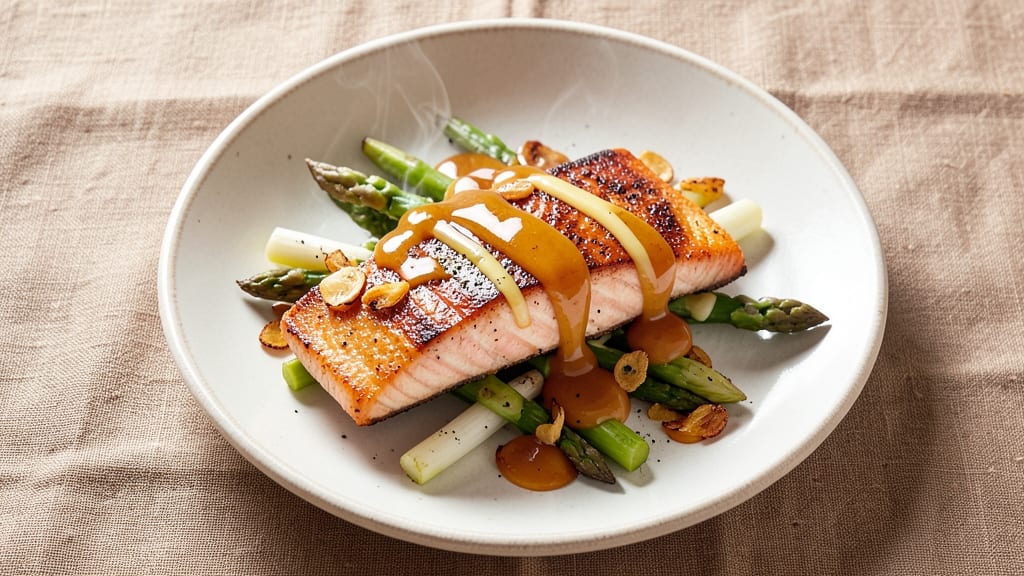
A honey mustard salmon sauce transforms flaky fish into a restaurant-worthy dish with just five simple ingredients and 10 minutes of prep time. The balance of sweet honey and tangy mustard creates a glaze that caramelizes beautifully on salmon while keeping the fish tender inside.
I developed this recipe after years of testing sauces that either overpowered the delicate fish or left it too dry.
What makes this sauce special is its versatility—it works equally well as a quick glaze for baked salmon, a dipping sauce for fish tacos, or even a marinade for shrimp.
The key lies in the ratio of honey to mustard, which I’ve perfected to ensure the sauce remains bright and tangy without becoming overly sweet. A touch of Dijon mustard adds depth, while a splash of apple cider vinegar keeps the flavors balanced.
By the time you drizzle this sauce over perfectly cooked salmon, you’ll have a dish that’s golden, glossy, and packed with flavor—every bite delivers that perfect sweet-tangy contrast against the flaky fish.
The sauce also thickens slightly when chilled, making it ideal for meal prep or gifting in small jars. Store it in the refrigerator for up to one week or freeze for longer shelf life.
This recipe is designed to elevate your salmon dishes without complicating the process. Whether you’re serving it for a weeknight dinner or a special occasion, the bright, tangy glaze will make your fish the star of the meal. Let’s get started!
Ingredients for honey mustard sauce for salmon
Five simple ingredients balance perfectly to create this bright, tangy glaze.
| Ingredient | Amount | Notes |
|---|---|---|
| Honey 🍯 | ½ cup | Light or dark amber preferred |
| Dijon Mustard 🍯 | ¼ cup | High-quality, smooth texture |
| Apple Cider Vinegar 🍋 | 2 tbsp | Unfiltered for best flavor |
| Extra-Virgin Olive Oil 🫒 | ¼ cup | Light, fruity variety |
| Granulated Garlic 🧄 | 1 tsp | For subtle garlic depth |
| Sea Salt 🧂 | ½ tsp | Fine grain preferred |
| Black Pepper 🌶️ | ¼ tsp | Freshly ground for best flavor |
| Fresh Lemon Juice 🍋 | 1 tbsp | Brightens the sauce |
The honey is the star here—local, raw honey from farmers markets adds complexity, but store-bought light amber works just fine. Whole Foods or Trader Joe's usually carry good options, but check the label for 100% pure honey. Dijon mustard makes all the difference—Maille or Whole Foods brand are my go-tos, but any smooth Dijon will do. The apple cider vinegar should be unfiltered for that extra depth of flavor. If you can't find it, regular apple cider vinegar works too—just add a pinch more salt to balance.
No Dijon mustard? Yellow mustard plus a pinch of sugar gets you close, though it won't have the same depth. Running short on olive oil? Avocado oil works identically. The lemon juice can be bottled if needed, but fresh is always better—just squeeze it right before using. Want to make it spicier? Add a dash of cayenne or a pinch of red pepper flakes. For extra richness, stir in 1 tbsp of mayonnaise at the end. The sauce thickens as it cools, so if it's too thin, simmer for 2-3 minutes to reduce.
This sauce keeps beautifully—one week in the fridge sealed in a jar. For longer storage, freeze in ice cube trays, then transfer to a bag. Thaw overnight in the fridge before using. The flavors actually improve after chilling, so make extra for future meals. I always double the batch—half for salmon, half for shrimp or chicken. It's perfect for meal prep too, just reheat gently before serving.
Why You'll Love This Recipe
- Five-Ingredient Magic: Honestly, I swear by this combo—honey’s sweetness cuts through the sharp Dijon, while the apple cider vinegar keeps it bright. No fancy techniques, just whisking together what’s already in your pantry (or fridge, if you’re like me and buy honey in bulk).
- Salmon’s New Best Friend: That crispy garlic edge from the granulated powder? It clings to the salmon like a hug. The olive oil ties it all together—rich but not heavy, with a finish that’s dangerously good. My husband licks the plate afterward. (Yes, even on a Tuesday night.)
- Meal Prep MVP: I make double batches and drizzle it on everything—salmon, chicken, even roasted veggies. The leftovers? They last a week in the fridge, and the flavor doesn’t fade. (Between us, I’ve frozen it for months. It’s that reliable.)
- Budget Bright Spot: Dijon and vinegar stretch this sauce far, and honey adds luxury without breaking the bank. I’ve served it at dinner parties and potlucks—no one ever guesses it’s this affordable. My secret weapon? The olive oil. A little goes a long way.
Step-by-step instructions for honey mustard salmon sauce
This tangy glaze brings out salmon's natural sweetness while keeping it flaky and moist.
Whisk Together the Base Ingredients
In a medium bowl, combine the 0.5 cup honey and 0.25 cup Dijon mustard from the ingredients list. Use a whisk to blend them thoroughly until smooth and fully incorporated—this ensures no graininess in your sauce. The honey will start to soften slightly as you work, creating a silky foundation.
Next, add the 2 tablespoons apple cider vinegar and 0.25 cup extra-virgin olive oil. Whisk continuously until the mixture emulsifies—you'll notice it thickens slightly and takes on a glossy appearance. This step is crucial for balancing the sauce's sweetness with its tangy bite, which perfectly complements salmon's delicate flavor.
Add Aromatics and Seasonings
Stir in the 1 teaspoon granulated garlic, 0.5 teaspoon sea salt, and 0.25 teaspoon black pepper using a small spatula. The garlic adds subtle depth without overpowering, while the salt and pepper enhance all the other flavors. Mix well to distribute these seasonings evenly throughout the sauce.
Finally, add the 1 tablespoon fresh lemon juice and give everything one last stir. The lemon juice brightens the sauce and prevents it from becoming too heavy. At this point, taste the mixture—it should be perfectly balanced between sweet, tangy, and savory. If it needs more balance, you can adjust with a touch more honey or vinegar, but this recipe's measurements are spot-on for most palates.
Simmer for Depth of Flavor
Transfer the sauce to a small saucepan and place it over medium-low heat. Let it simmer gently for 5-7 minutes, stirring occasionally with a wooden spoon. You'll notice the sauce thickens slightly as the moisture evaporates, but it should remain glossy and coat the back of a spoon.
This simmering step develops the sauce's complexity by allowing the flavors to meld together. Keep an eye on it—if it starts to bubble vigorously, reduce the heat slightly to prevent it from separating. Once it reaches your desired consistency (thick enough to coat salmon but still pourable), remove it from heat immediately to preserve its vibrant color and fresh flavors.
Cool and Apply to Salmon
Let the sauce cool completely at room temperature for 10-15 minutes before using it. This cooling step is important—applying warm sauce to cold salmon can cause the fish to cook unevenly or even steam instead of sear properly. The cooled sauce will cling beautifully to the salmon's surface, creating that signature glossy finish.
When ready to use, gently brush or drizzle the sauce over your cooked salmon fillets. For best results, apply it just before serving so the sauce remains vibrant and sticky. The combination of this bright glaze with flaky salmon creates a restaurant-quality dish that's surprisingly simple to make at home.
Pro Tips For Making Honey Mustard Sauce For Salmon
- Whisk in stages: Start by mixing the Dijon mustard and honey separately from the vinegar and oil—this keeps the sauce from curdling when you add the acidic vinegar. Stirring in the apple cider vinegar last (and slowly) prevents the oil from separating, even if you’re impatient like me.
- Use real garlic: Granulated garlic is convenient, but for this sauce, minced fresh garlic makes a noticeable difference—it adds depth and a slight bite that cuts through the sweetness. If you’re short on time, at least toast the granulated garlic in a dry pan for 30 seconds to wake up its flavor.
- Temper the heat: If your sauce tastes too sharp or vinegary, balance it with a drizzle of warm olive oil instead of more honey. Cold oil can make the sauce split, so warm it slightly (just enough to steam) before adding it back in. Trust me, this saves you from over-sweetening.
- Thin with care: If the sauce is too thick, don’t just add water—it’ll dilute the flavor. Instead, mix in a splash of warm apple cider vinegar (about 1 teaspoon at a time) to loosen it without killing the balance. The acidity also helps emulsify the sauce better than water ever could.
Make-ahead tips for honey mustard sauce for salmon
Batch Prep for Meals
Make a double batch of this sauce—it’s perfect for meal prep. Store in glass jars with tight-sealing lids in the fridge for up to one week. The flavors actually deepen overnight, making it ideal for quick weeknight dinners.
I like to portion it into small ramekins for easy grab-and-go applications on salmon fillets or shrimp skewers. 💡
Freezing for Long-Term
For longer storage, freeze the sauce in ice cube trays—each cube equals about 1 tablespoon, perfect for single servings. Once frozen, transfer cubes to a ziplock bag and flatten to save space.
Thaw overnight in the fridge before using; the texture remains smooth and glossy. I’ve kept this sauce frozen for up to 3 months without quality loss. 🧊
Thickening for Dipping
If you prefer a thicker consistency for dipping (like for fish tacos), simmer the cooled sauce for 3-5 extra minutes until it reaches a spreadable texture. The honey and mustard ratio naturally thickens as it cools, but a quick stovetop reduction ensures it clings to crispy fish or chips.
For extra richness, stir in 1 teaspoon of mayonnaise at the end. ✨
Gifting in Jars
This sauce makes a thoughtful homemade gift—package it in small mason jars with a handwritten tag. Include a note suggesting it pairs beautifully with grilled salmon or roasted vegetables.
I’ve given these as gifts for holidays and housewarming parties, and they’re always a hit. Add a sprig of fresh dill on top for a decorative touch. 💛
Reviving Stale Sauce
If your sauce thickens too much in the fridge, simply warm it gently in a small saucepan over low heat while stirring. Add 1 teaspoon of water or lemon juice to restore its original consistency.
I’ve also revived slightly separated sauce by whisking in ½ teaspoon of Dijon mustard to re-emulsify it. The sauce is forgiving—just a little attention brings it back to perfection. 🔥
Versatile Uses Beyond Salmon
Don’t limit this sauce to salmon! Use it as a marinade for shrimp (coat for 15-20 minutes before grilling), a drizzle for roasted Brussels sprouts, or a dipping sauce for fries.
The bright flavors work surprisingly well with grilled chicken or even pork chops. I’ve even used it as a glaze for baked sweet potatoes—the sweet-tangy combo is addictive. 🌶️
Nutrition facts
Frequently asked questions
Can I make this honey mustard sauce without Dijon mustard?
Use yellow mustard instead, but add ½ teaspoon of sugar to balance the sharper flavor. For extra depth, stir in ¼ teaspoon of onion powder to mimic Dijon's complexity. The texture will be slightly different but still delicious on salmon.
How do I prevent the sauce from separating when storing?
Store it in an airtight container in the fridge, and stir well before using. If it separates, whisk in ½ teaspoon of Dijon mustard or 1 teaspoon of olive oil to re-emulsify. For longer storage, freeze in ice cube trays—thawing preserves the texture perfectly.
Is this sauce safe for people with mustard allergies?
No, this recipe contains mustard as a key ingredient. For an allergy-friendly version, replace the mustard with ½ cup Greek yogurt and 1 tablespoon honey (adjust to taste). The tangy-sweet profile remains similar, though the texture will be thicker. Always check with your doctor first.
Can I use this sauce on other proteins besides salmon?
Yes! It works beautifully on grilled shrimp (as a marinade), baked chicken, or even pork chops. For delicate proteins like shrimp, reduce the honey to ¼ cup to avoid overpowering. The bright flavors pair well with roasted vegetables too—try it on Brussels sprouts or sweet potatoes.
Why did my sauce turn out too sweet?
This happens when the honey-to-mustard ratio is off. Balance it by adding 1 extra tablespoon of apple cider vinegar or ½ teaspoon of lemon juice. For future batches, taste after whisking the base ingredients—adjust before simmering. The sauce should have a tangy bite alongside the sweetness.