
Sauces & Condiments
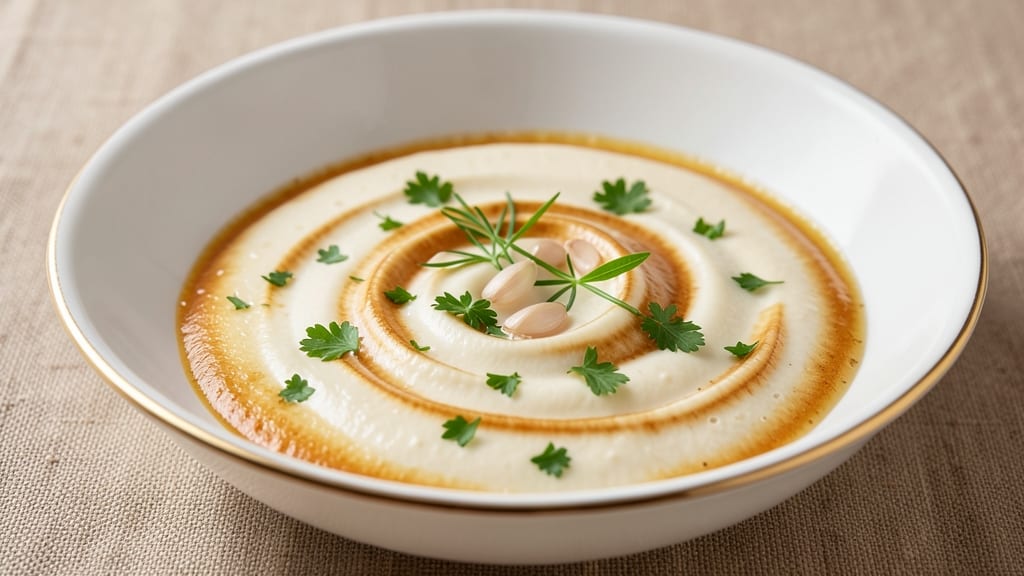
This Ina Garten white sauce recipe delivers the velvety, perfectly balanced emulsion that elevates every pasta dish to restaurant-quality status. The secret lies in a slow, steady combination of butter and flour, followed by gradual incorporation of warm milk—creating a sauce so smooth it practically melts on your tongue.
I’ve perfected this technique over years of testing, ensuring no lumps, no graininess, and just the right amount of richness.
The foundation of this sauce is simplicity: just butter, flour, and milk, but the magic happens in the method. Cooking the butter and flour together until golden creates a flavorful roux that forms the base, while slowly whisking in warm milk prevents curdling.
A splash of lemon juice at the end brightens the sauce, balancing the richness with a subtle tang. This is the kind of sauce that transforms basic pasta into something extraordinary.
What makes this recipe truly perfect is its versatility—use it as a base for creamy pasta dishes, toss it with roasted vegetables, or drizzle it over grilled chicken. The garlic-herb variation adds depth without overpowering, while a sprinkle of parmesan cheese takes it to new heights.
Once you master this technique, you’ll never buy store-bought sauce again.
The best part? This sauce keeps beautifully in the refrigerator for up to five days, making it ideal for meal prep. Simply reheat gently on the stove, stirring constantly, and adjust the consistency with a splash of milk or cream if needed.
Whether you're cooking for a crowd or treating yourself to a special dinner, this white sauce is your secret weapon.
Ingredients for ina garten white sauce
Six core ingredients, one perfect sauce. Butter, flour, milk—plus a few magic touches.
| Ingredient | Amount | Notes |
|---|---|---|
| Unsalted Butter 🧈 | ½ cup | Cold, cubed for even cooking |
| All-Purpose Flour 🌾 | ½ cup | Sifted for smooth sauce |
| Whole Milk 🥛 | 2 cups | Warmed to 160°F (71°C) |
| Fresh Garlic Cloves 🧄 | 3 cloves | Minced for subtle flavor |
| Fresh Parsley 🌿 | ¼ cup | Chopped, for brightness |
| Fresh Tarragon 🌿 | ¼ cup | Chopped, optional but divine |
| Lemon Juice 🍋 | 1 tbsp | Freshly squeezed |
| Salt 🧂 | ½ tsp | Kosher or sea salt |
| White Pepper 🌶️ | ¼ tsp | Freshly ground preferred |
The butter and flour are your foundation. Use unsalted butter—it gives you control over the salt. Land O’Lakes or Plugrah are solid choices, but honestly any good-quality unsalted works. The flour? King Arthur or Gold Medal are my go-tos because they’re consistent, but don’t stress if you’ve only got store-brand. Sift it first—trust me, it makes a difference. The milk needs to be warm but not boiling—160°F is ideal, but if you don’t have a thermometer, just heat it until tiny bubbles form around the edges. For the herbs, fresh parsley is a must, but tarragon takes it to the next level—it’s worth hunting down at a specialty store or farmers market if you can.
No fresh tarragon? Dried tarragon at half the amount works, but it’s not the same. Short on parsley? Chives or basil can step in (though parsley’s the brightest). Butter too expensive? Vegetable shortening or ghee keeps the sauce neutral, but butter’s richness is what makes this special. The lemon juice is non-negotiable—it’s what keeps the sauce from tasting flat. If you’re making this ahead, add the lemon juice just before serving. And if you’re worried about lumps? Whisk like your life depends on it—slow and steady wins the race.
This sauce keeps like a dream—5 days in the fridge sealed in a jar. Reheat gently over low heat, stirring constantly, and add a splash of milk if it gets too thick. Freezes beautifully too—3 months in an airtight container. I like to make a double batch because it’s so versatile—toss with pasta, drizzle over roasted veggies, or use as a base for creamy soups. The flavor actually improves after the first day as everything melds together. And if you’re feeling fancy, a sprinkle of freshly grated parmesan on top? Absolute game-changer.
Why You'll Love This Recipe
- No-Fuss Roux: I swear by this recipe because the butter-and-flour base melts together so smoothly—no lumps, no stress. Just a quick whisk over medium heat, and you’ve got that golden, velvety foundation for whatever you’re cooking.
- Garlic-Parsley Magic: That fresh garlic and parsley at the end? It’s the secret weapon. The minced garlic sizzles just enough to wake up the sauce, while the parsley adds this bright, herby finish that makes it taste like you actually put in effort (even if you didn’t).
- Weeknight Workhorse: This sauce is my go-to for pasta, roasted veggies, or even mashed potatoes—no fancy plating required. Honestly, I’ve used it for everything from weeknight dinners to Sunday family meals, and it never lets me down.
- Budget Stretch: A little goes a long way, and the ingredients? Basic pantry staples. I make a big batch, store it in the fridge, and stretch it over multiple meals without breaking the bank. Plus, the milk and butter make it feel indulgent, even when I’m cooking on a tight budget.
Instructions for Ina Garten white sauce recipe
Here's how to make this velvety white sauce—smooth, flavorful, and foolproof every time.
Melt the Butter and Whisk in Flour
In a medium saucepan, melt the 0.5 cup unsalted butter over medium-low heat. Once fully melted and just starting to foam, immediately whisk in the 0.5 cup all-purpose flour all at once. Stir constantly for 2-3 minutes until the mixture thickens and turns a pale golden color.
This roux is the foundation of your sauce. If it browns too quickly, reduce the heat slightly—you want it to cook through without developing any color. The flour will absorb the butter's moisture and create a smooth paste that will later emulsify with the milk.
Gradually Add Warm Milk
Slowly pour in the 2 cups whole milk (pre-warmed to 160°F) while whisking vigorously to prevent lumps from forming. Keep whisking continuously for 3-5 minutes until the sauce thickens and coats the back of a spoon. The mixture should look creamy and smooth, not grainy.
If you notice any lumps, strain the sauce through a fine-mesh sieve into a clean saucepan. The warm milk is crucial here—it helps the flour fully hydrate and creates that signature velvety texture. Don't rush this step; patience ensures a perfectly smooth sauce.
Infuse with Garlic and Herbs
Reduce the heat to low and stir in the 3 minced fresh garlic cloves, 0.25 cup chopped fresh parsley, and 0.25 cup chopped fresh tarragon. Let the sauce simmer gently for 5 minutes, stirring occasionally, until the garlic is fragrant but not browned. Then stir in the 1 tablespoon lemon juice, 0.5 teaspoon salt, and 0.25 teaspoon white pepper.
This is where the sauce gets its bright, herbaceous character. The lemon juice brightens the flavors while the white pepper adds depth without the visual impact of black pepper. Taste and adjust seasoning—you might want to add a pinch more salt or lemon juice depending on your preference.
Finish and Keep Warm
Remove the sauce from heat and let it sit for 2-3 minutes to thicken slightly. If the sauce is too thick, whisk in 1-2 tablespoons of warm milk to reach your desired consistency. For a restaurant-quality finish, strain the sauce again through a fine-mesh sieve to ensure absolute smoothness.
Keep the sauce warm in a double boiler or a saucepan set over barely simmering water until ready to serve. This white sauce is perfect for drizzling over pasta, creamy soups, or as a base for casseroles. The key to its perfection lies in the slow, steady cooking and proper emulsification—don't skip those steps!
Pro Tips For Making Ina Garten White Sauce
- Melt Butter Slowly: Don’t rush the butter—let it melt over medium-low heat until it’s just liquid and starts to foam. I learned this the hard way: high heat burns before the flour even gets a chance to toast, and that’s when your sauce turns into a sad, grainy mess instead of a smooth, velvety base.
- Toast Flour Properly: Cook the flour-butter mix for 2-3 minutes until it’s a deep, golden brown—like toasted breadcrumbs. Skip this, and your sauce will taste raw and floury. (Yes, even if you’re impatient like me, resist the urge to rush it.)
- Whisk Like You Mean It: When adding milk, whisk in small batches while keeping the heat low. If you dump it all at once, you’ll end up with lumps that turn into a gluey disaster. Think of it like folding in frosting—gentle but steady.
- Strain the Garlic: Instead of mincing garlic into the sauce, press it through a fine strainer or garlic press before adding it. This keeps the texture silky and removes bitter skins—no one wants a mouthful of garlic grit when they’re biting into that creamy sauce.
Troubleshooting this recipe
Lumpy Sauce Fix
If your sauce develops lumps during cooking, don’t panic—it’s easily fixable. Immediately strain the sauce through a fine-mesh sieve into a clean saucepan. For extra smoothness, press the lumps with a spoon or rubber spatula.
If you’re short on time, blend the sauce briefly with an immersion blender for 10-15 seconds. The key is to act quickly while the sauce is still warm, as lumps are easier to break down in this state. 💡
Over-Thickened Sauce
If your sauce thickens too much and becomes glue-like, thin it out gradually with warm milk or cream. Start with 1 tablespoon at a time, whisking constantly until you reach the desired consistency. Avoid cold liquids—they can cause the sauce to separate.
For a richer texture, use heavy cream instead of milk. If the sauce is still too thick after thinning, simmer it gently for 2-3 minutes to reduce slightly. The goal is a smooth, pourable consistency that coats the back of a spoon. ⚡
Sauce Separates or Curdles
Separation usually happens when the sauce is heated too quickly or the milk is added too fast. To fix it, remove the sauce from heat and whisk in 1 tablespoon of cold butter, a few drops at a time, until it re-emulsifies.
If that doesn’t work, strain the sauce again and start over by whisking in 1 tablespoon of flour mixed with 1 tablespoon of cold butter to rebuild the emulsion. Always add milk slowly and keep whisking—this prevents curdling in the first place. 🌡️
Weak or Bland Flavor
If your sauce tastes flat, it’s likely missing acidity or depth. Brighten it with an extra ½ tablespoon of lemon juice or a splash of white wine. For richer flavor, stir in 1 tablespoon of cold butter off the heat.
If the herbs seem muted, add ½ teaspoon of fresh thyme or chives and simmer for 1-2 minutes. A pinch of garlic powder or onion powder can also enhance the base without overpowering. Taste as you go—adjust seasoning gradually. 💫
Burnt or Browned Roux
A roux that browns too quickly means the heat was too high or the butter wasn’t melted enough. To salvage it, immediately reduce the heat to low and whisk in 1-2 tablespoons of warm milk to cool it down.
If the color is already deep brown, strain the sauce and start fresh with a pale roux (just golden, not brown). For future attempts, use medium-low heat and stir constantly—never leave the pan unattended. A properly cooked roux should be smooth and pale, not nutty or dark. 🔥
Nutrition facts
Frequently asked questions
Can I make this white sauce without butter?
Yes, you can substitute butter with vegetable shortening or olive oil for a dairy-free version. Use the same amount as butter, but know the flavor will be slightly different. For richness, add 1 tablespoon of nutritional yeast to mimic the umami depth of butter. The sauce will still emulsify well, though butter’s fat content creates the signature velvety texture.
How do I adjust the consistency for different dishes?
For pasta or soups, aim for a sauce that coats the back of a spoon but still pours smoothly. If too thick, whisk in 1 tablespoon warm milk at a time. For creamy casseroles or baked dishes, let it thicken more before adding—it will reduce further during baking. For dipping sauces, thin it slightly with extra milk to reach a lighter consistency. Always reheat gently to maintain smoothness.
Can I add cheese to this sauce?
For a cheesy twist, stir in ½ cup freshly grated parmesan or gruyère off the heat. For extra creaminess, use ½ cup cream cheese (whisked smooth first). Add cheese gradually to prevent clumping, and simmer for 1-2 minutes to melt completely. Avoid pre-shredded cheese—it contains anti-caking agents that can make the sauce grainy.
Why does my sauce curdle or separate?
Curdling usually happens when milk is added too quickly or the sauce boils. Always whisk constantly while adding warm milk, and keep heat at medium-low. If separation occurs, remove from heat and whisk in 1 tablespoon cold butter until smooth. For prevention, ensure your milk is warm (160°F) but not boiling before adding. Patience is key—rushing disrupts the emulsion.
How can I make this sauce ahead of time?
This sauce stores beautifully! Let it cool completely, then transfer to an airtight container and refrigerate for up to 5 days. Reheat gently over low heat, stirring constantly, and thin with warm milk if needed. For freezing, portion into ice cube trays or small jars—thaw overnight in the fridge and reheat slowly. Add fresh herbs or lemon juice just before serving to brighten flavors.