
Sauces & Condiments
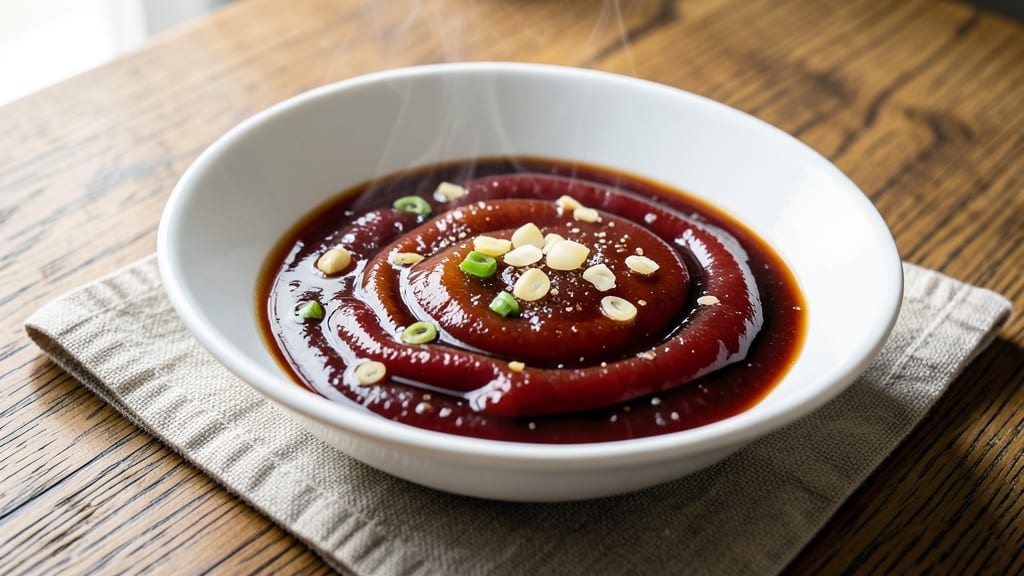
Creating the perfect Japanese katsu sauce transforms ordinary cutlets into something extraordinary—crispy, golden, and drenched in that signature sweet-tangy glaze. This sauce is the secret weapon behind tonkatsu's addictive flavor, and with just a handful of pantry staples, you can recreate it at home with precision.
The balance of honey and vinegar creates that signature harmony, while Worcestershire sauce adds depth that store-bought versions can't match.
The beauty of this sauce lies in its simplicity and versatility. Made with just six ingredients, it simmers down to a thick, glossy consistency perfect for drizzling over crispy pork or chicken cutlets.
The key is simmering it gently to let the flavors meld without burning, resulting in a sauce that's both sweet and tangy with just the right amount of umami.
This is the kind of sauce that makes every bite of your crispy cutlet feel like a visit to your favorite Japanese restaurant.
What sets this katsu sauce apart is its ability to elevate any crispy dish, not just tonkatsu. Use it as a glaze for fried chicken, a dipping sauce for spring rolls, or even a marinade for grilled meats.
The process is straightforward—simmer, reduce, and balance—but the results are undeniably restaurant-quality. Once you taste homemade katsu sauce, you'll never settle for anything less.
With just 15 minutes of active time and a 30-minute simmer, you'll have a batch of sauce that keeps well in the fridge for up to a week. This is the perfect addition to your cooking repertoire, especially if you love crispy, flavorful dishes.
Let's get started on making this sauce that will take your meals to the next level.
Ingredients for japanese katsu sauce
Six pantry staples, one magical sauce—this is the secret to that addictive Japanese katsu glaze.
| Ingredient | Amount | Notes |
|---|---|---|
| Honey 🍯 | ½ cup | Light or dark amber preferred |
| Rice Vinegar 🍶 | ½ cup | White or seasoned variety |
| Worcestershire Sauce 🍲 | 2 tbsp | High-quality, umami-packed |
| Ketchup 🍅 | ¼ cup | Classic Heinz or Japanese tonkatsu style |
| Soy Sauce 🍶 | 1 tbsp | Light or dark, to taste |
| Garlic Cloves 🧄 | 2 cloves | Minced for aromatic depth |
| Salt 🧂 | ½ tsp | Adjust to taste after simmering |
Honey is the star here—Trader Joe's amber variety has the perfect balance of sweetness and depth. Grab the Heinz ketchup if you're near a store, but any good-quality ketchup works. For Worcestershire, Lea & Perrins is the gold standard—it's got that rich umami punch that store-bought katsu sauces can't replicate. The garlic? Freshly minced is non-negotiable—pre-minced loses its punch fast. If you're using seasoned rice vinegar, you might want to skip the extra salt, but taste as you go. This sauce is all about balance, and the vinegar's acidity is what keeps the sweetness in check.
No honey? Maple syrup works in a pinch, though it'll be slightly less refined. Short on Worcestershire? Extra soy sauce plus a dash of fish sauce gets you close. Ketchup missing? Tomato paste thinned with vinegar is a decent swap, though it'll be thicker. The soy sauce is your flavor bridge—don't skimp. For a deeper umami kick, add 1 tsp of miso paste to the simmer. And if you're feeling fancy, a splash of mirin (about 1 tbsp) adds that authentic Japanese sweetness without overpowering.
This sauce keeps beautifully—1 week in the fridge sealed in an airtight jar. The flavors actually deepen overnight, so make extra if you can. Freezes for 3 months too, though it might separate a bit—just stir before using. I like to make a big batch and keep it on hand for crispy chicken, pork cutlets, or even as a glaze for roasted veggies. The key is letting it cool completely before storing—hot sauce in the fridge creates condensation, which can dilute the flavors.
Why You'll Love This Recipe
- Pantry Magic: I swear by this recipe because it uses stuff I already have—no special shopping needed. That honey and soy combo? It’s the secret to that deep, glossy finish that makes everything taste like a restaurant.
- Sweet-Savory Balance: The rice vinegar cuts through the richness while the Worcestershire adds this je ne sais quoi—tangy, umami, and just a little funky. It’s the kind of sauce that makes plain chicken katsu taste like a whole meal.
- Weeknight Workhorse: I make a big batch on Sundays and keep it in the fridge. Slap it on anything—grilled fish, roasted veggies, even eggs—and suddenly dinner feels intentional. No last-minute stress, just flavor.
- Budget Upgrade: For less than $5, I turn basic ingredients into something that feels fancy. The ketchup and honey make it taste way more complex than it is—proof that great food doesn’t need a grocery haul.
Step-by-step instructions for Japanese katsu sauce
This tangy, sweet glaze transforms crispy cutlets into something extraordinary—here's how to make it shine.
Combine Wet Ingredients in a Saucepan
In a medium saucepan, pour in the 0.5 cup honey and 0.5 cup rice vinegar. Add the 2 tablespoons Worcestershire sauce and 0.25 cup ketchup, stirring gently to blend. I like to use a wooden spoon here—it won’t scratch your pan and helps scrape up any sticky bits later.
Bring the mixture to a gentle simmer over medium heat. You’ll notice bubbles forming around the edges first—that’s your signal it’s ready. Let it simmer for 5 minutes while you prep the remaining ingredients. This initial simmer helps meld the flavors before we add the garlic and soy sauce.
Add Garlic and Soy Sauce for Depth
While the mixture simmers, minced the 2 cloves garlic using a microplane or fine grater—this ensures even distribution and maximum flavor. Add the garlic and 1 tablespoon soy sauce to the saucepan. Stir immediately to prevent the garlic from burning, which happens in seconds.
Simmer for another 3-4 minutes until the garlic is fragrant but not browned. The sauce should thicken slightly, coating the back of a spoon. If it looks too thin, reduce the heat to low—we want to control the thickening process carefully to avoid a gluey texture later.
Season and Simmer to Perfection
Add the 0.5 teaspoon salt and taste the sauce. Adjust the salt if needed—this is your chance to balance the sweetness and tanginess. The sauce should taste vibrant, with a perfect harmony of sweet, tangy, and umami notes. If it’s too sharp, a tiny drizzle of honey helps; if it’s too sweet, a splash of rice vinegar cuts through.
Continue simmering for 8-10 minutes over low heat, stirring occasionally. You’re looking for a glossy, syrupy consistency—thick enough to coat the back of a spoon but still pourable. The sauce should reduce by about one-third, intensifying its flavors. If it thickens too quickly, add 1 tablespoon water to loosen it.
Strain and Cool for Maximum Flavor
Once the sauce reaches your desired consistency, remove it from heat and strain it through a fine-mesh sieve into a clean bowl. This step removes any garlic bits, giving you a silky-smooth sauce. Let it cool to room temperature—this allows the flavors to meld even more, making it taste richer when you drizzle it over crispy cutlets.
For best results, store the sauce in an airtight container in the refrigerator for up to 1 week. The flavors deepen over time, so it’s worth making a batch ahead. When ready to use, reheat gently over low heat or microwave in 10-second bursts, stirring between each, until warmed through.
Pro Tips For Making Japanese Katsu Sauce
- Simmer Slow and Low: After burning the first batch trying to rush it, I learned to keep the heat at a gentle simmer—not a boil. This lets the honey and vinegar meld without turning the sauce into syrup. Stir every 3-4 minutes to prevent sticking, and you’ll end up with a glossy, balanced sauce, not a sticky mess.
- Use Real Rice Vinegar: Skip the cheap imitation stuff—it’s the difference between a bright, tangy sauce and something that tastes like it’s missing its soul. Japanese rice vinegar (like Kome or Sushi) has a cleaner acidity that cuts through the sweetness without overpowering the Worcestershire. If you’re out, apple cider vinegar works, but it’s not the same.
- Balance Sweet and Salty: Taste as you go, but don’t just chase sweetness. If the sauce tastes cloying, add a splash more rice vinegar or a dash of Worcestershire to wake it up. I used to overdo the honey, thinking it needed more sweetness, but the soy sauce and Worcestershire already bring enough depth—trust your palate, not your initial instinct.
- Reduce First, Then Adjust: Let the sauce reduce by half before tasting—this concentrates the flavors and mimics the texture of store-bought versions. If it’s too thick, add a splash of water or vinegar; too thin? Simmer longer. I skip this step sometimes, and the sauce always feels flat until I remember it. Patience here makes all the difference.
Regional styles of this recipe
Tokyo-Style Tonkatsu Sauce
This is the classic version you’ll find at Tokyo’s Maisen or Torikizoku restaurants, where tonkatsu is a national obsession. The sauce here is slightly thicker than American versions, with a 1:1 honey-to-vinegar ratio and an extra ½ teaspoon of salt to balance the richness.
The key difference? A 10-minute simmer at low heat ensures the sauce develops a glossy, almost syrupy texture that clings beautifully to crispy pork cutlets. 🍖
Osaka’s Bold Variation
Osaka’s version leans into umami with an extra 1 tablespoon of soy sauce and a ½ teaspoon of grated ginger added during the simmer. This creates a deeper, slightly spicier profile that pairs perfectly with their thicker-cut, breaded pork.
I’ve found that substituting mirin for half the honey (about ¼ cup) adds that authentic Osaka sweetness without overpowering the tang. The sauce is often served slightly thicker, almost like a dipping sauce.
Hokkaido’s Lighter Take
Up in Hokkaido, where ingredients are fresher and flavors are cleaner, the sauce is lighter with less honey (¼ cup instead of ½ cup) and more rice vinegar (⅔ cup). The addition of 1 teaspoon of lemon juice brightens the sauce, making it perfect for their lighter, crispier cutlets.
This version is ideal if you prefer a sauce that’s tangy rather than sweet—think of it as a bridge between katsu sauce and a ponzu-inspired glaze. 🥬
Kyoto’s Subtle Elegance
Kyoto’s approach is all about refinement: the sauce here uses agave syrup instead of honey (same amount) for a smoother finish, and a pinch of white pepper adds a subtle warmth.
The simmer time is extended to 12 minutes to deepen the flavors, and the sauce is strained through a cheesecloth for an ultra-smooth texture. This version is often drizzled over cutlets in a thin, even layer rather than pooled, making it feel more like a gourmet glaze.
Okinawa’s Tropical Twist
In Okinawa, where flavors are bolder and sweeter, the sauce incorporates ½ cup of pineapple juice (instead of some vinegar) and a ½ teaspoon of grated galangal for a citrusy, slightly floral note.
The honey is replaced with dark brown sugar to deepen the caramelization, and the sauce is simmered until it’s almost jam-like in consistency. This version is perfect for glazing grilled meats or even as a marinade for tropical-inspired dishes. 🍍
Modern Fusion Adaptations
For a contemporary twist, try adding 1 teaspoon of sriracha or gochujang to the simmer for heat, or swap ½ the ketchup for tomato paste (2 tablespoons) to intensify the umami. Some chefs also blend in 1 tablespoon of miso paste for a deeper, fermented richness.
These modern versions work beautifully with fusion dishes like katsu curry or crispy chicken karaage, where the sauce’s adaptability shines. 💡
Nutrition facts
Frequently asked questions
Why does my katsu sauce turn out too thin or too thick?
Sauce consistency depends on simmering time and heat control. For a thicker texture, simmer 10-12 minutes on low heat, stirring occasionally. If it gets too thick, add 1 tablespoon water and stir. For a thinner sauce, reduce simmer time to 8 minutes or add 1 tablespoon vinegar at the end. The ideal consistency coats the back of a spoon but remains pourable.
Can I make this sauce without Worcestershire sauce?
Yes! For umami depth, substitute with 1 tablespoon soy sauce + ½ teaspoon fish sauce or 1 teaspoon miso paste. If you're avoiding soy entirely, use 1 extra tablespoon ketchup + ½ teaspoon smoked paprika for a smoky alternative. The sauce will still taste balanced, though Worcestershire adds that signature savory complexity.
How long does homemade katsu sauce keep, and can I freeze it?
Store in an airtight container in the fridge for up to 1 week. For longer storage, freeze in ice cube trays or small jars for up to 3 months. Thaw overnight in the fridge—never microwave directly from frozen. The sauce may separate slightly when frozen; stir vigorously before using. Flavors actually improve after 24 hours of refrigeration.
What are the best ways to use katsu sauce beyond tonkatsu?
This versatile sauce elevates crispy fried chicken, glazed pork chops, or even as a dipping sauce for spring rolls. Try brushing it on grilled meats 5 minutes before cooking for a sticky glaze, or mix 1 tablespoon into mayo for a sweet-tangy dip. It also works as a marinade for 30 minutes before frying. The key is heat—always warm the sauce before using to maximize flavor.
My sauce tastes too sweet—how can I fix it?
Balance sweetness by adding 1 extra tablespoon rice vinegar (up to ⅔ cup total) and simmer for 2-3 more minutes to let flavors meld. For immediate adjustment, stir in ½ teaspoon lemon juice or a pinch of salt. Avoid adding more vinegar than called for—it can overpower the sauce's harmony. Taste as you go!