
Sauces & Condiments
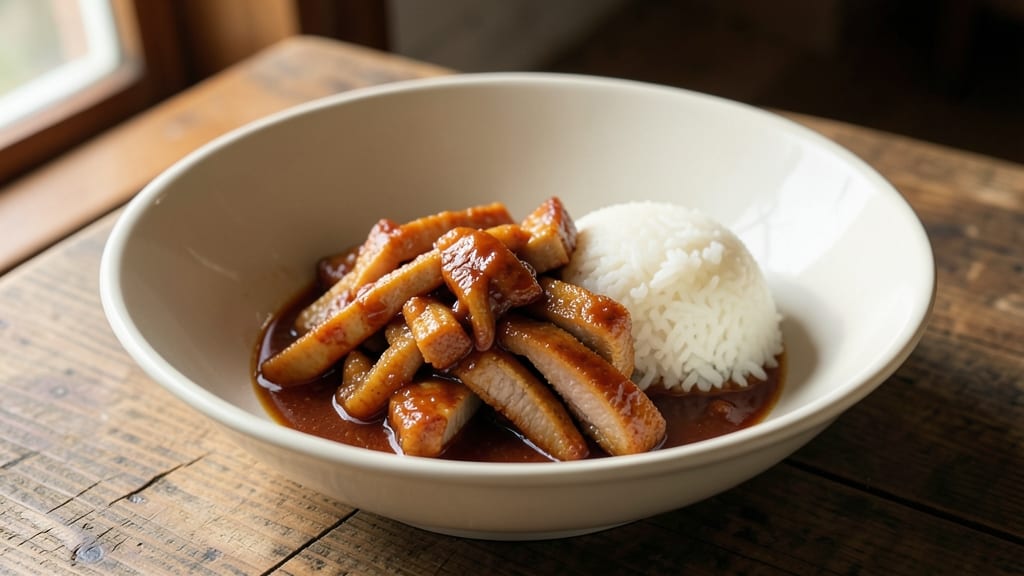
Creating an authentic katsudon sauce recipe transforms simple ingredients into a smoky, umami-rich condiment that elevates any dish. This sauce combines dashi, miso, and tomato paste for a depth of flavor that’s both comforting and complex—perfect for drizzling over rice bowls or using as a marinade.
I developed this version after years of experimenting with Japanese home cooking, and it delivers restaurant-quality results with just a few pantry staples.
The beauty of this sauce lies in its simplicity and versatility. With just five core ingredients—dashi stock, white miso, tomato paste, mirin, and sugar—you’ll achieve a balance of savory, sweet, and tangy notes that work equally well in katsudon or as a glaze for grilled meats.
The key is simmering the mixture until it thickens slightly, allowing the flavors to meld into a cohesive, velvety sauce that clings beautifully to rice or noodles.
What you’ll end up with is a rich, glossy sauce that’s smoky from the dashi, sweet from the mirin, and tangy from the miso and tomato. It’s the kind of condiment that turns an ordinary meal into something special—think of it as the secret weapon in your cooking arsenal.
Once you taste it, you’ll want to make it again and again.
This recipe works equally well as a standalone condiment or as the star of a classic katsudon bowl. Whether you’re serving it over rice with pork cutlet or using it as a marinade for grilled chicken, the possibilities are endless. Let’s get started!
Ingredients for katsudon sauce
Five pantry staples create this smoky, umami-rich sauce that transforms simple meals into something extraordinary.
| Ingredient | Amount | Notes |
|---|---|---|
| Dashi Stock 🍜 | 2 cups | Instant or homemade preferred |
| White Miso Paste 🧈 | ½ cup | Smooth, not lumpy |
| Tomato Paste 🍅 | ¼ cup | Squeeze tube or canned |
| Mirin 🍶 | ¼ cup | Sweet cooking wine |
| Granulated Sugar 🍚 | 2 tbsp | White or brown sugar |
| Soy Sauce 🧂 | 1 tbsp | Light or dark preferred |
| Sesame Oil 🫒 | 1 tsp | Toasted for aroma |
The miso is the flavor anchor here—Miso Master or Marukome brands are my go-to for that smooth, clean texture. Grab the white miso (shiro miso) for a milder taste, or swap in red for a deeper umami punch. Dashi stock can be instant (like Honten or Marukome packets) or homemade—just make sure it’s simmered, not boiled. The tomato paste? Squeeze tubes from Trader Joe’s are perfect—no waste, and they keep forever. If you’re using canned, drain it well to avoid watery sauce. Mirin is non-negotiable for that sweet, tangy balance—don’t substitute with regular rice wine or sweet wine.
No mirin? Equal parts white wine plus 1 tsp sugar gets you close, but it won’t have the same depth. Soy sauce can be light or dark—dark adds a touch of smokiness, which works great if you’re serving this over pork. Sesame oil is for aroma, so use sparingly—toast it first in a dry pan for 30 seconds to bring out the nutty flavor. Sugar can be white or brown, but brown adds a subtle caramel note that pairs beautifully with the miso. For a quicker version, blend the miso and sugar first to dissolve completely—saves you from straining later.
This sauce keeps beautifully—1 week in the fridge or 3 months in the freezer. I like to freeze it in ice cube trays for easy single-use portions. Thicken it more? Simmer uncovered for 5-10 extra minutes. Too thick? Thin with a splash of dashi or water. The flavor actually improves after a day or two—let it sit overnight if you can. Use it on rice bowls, drizzle over noodles, or even as a marinade for grilled chicken. Trust me, you’ll make it again.
Why You'll Love This Recipe
- Five-Ingredient Magic: I swear by this combo—dashi, miso, tomato paste, mirin, and sugar. That’s it. No fancy prep, no hidden spices, just pure umami and sweetness that somehow works every single time.
- Umami Bomb: The miso and dashi alone give it a deep, savory punch, but add the tomato paste? Suddenly it’s rich, slightly tangy, and way more complex than it looks. My husband licks the spoon when I make it.
- Pot Luck Hero: This sauce turns a simple bowl of rice and pork cutlet into a full meal. Honestly, I’ve served it at potlucks, family dinners, and even as a last-minute takeout replacement—no one ever questions why it’s on the menu.
- Budget-Friendly Staple: White miso and dashi are cheap, and a little goes a long way. I’ve made this sauce stretch over three meals with zero waste—just reheat and drizzle. My wallet thanks me every time.
Step-by-step instructions for katsudon sauce
This rich, smoky miso-tomato sauce comes together faster than you'd expect with just a handful of pantry staples.
Bloom the Miso and Tomato Paste
In a medium saucepan, combine the 0.5 cup white miso paste and 0.25 cup tomato paste. Use a silicone spatula to break up any lumps in the miso completely—this ensures a smooth sauce. Place the pan over medium-low heat and stir constantly for 3-4 minutes until the mixture darkens slightly and releases its deep, umami aroma.
Here's where the magic begins: the miso's fermentation flavors awaken while the tomato paste develops its signature depth. You'll notice the mixture thicken as it warms—this is normal and exactly what we want. Keep the heat gentle to prevent burning, as miso can scorch quickly when overheated.
Add Liquids and Sweeteners
Pour in the 2 cups dashi stock, 0.25 cup mirin, and 2 tablespoons granulated sugar. Stir vigorously to dissolve the sugar completely—it should disappear without leaving any grainy residue. Increase the heat to medium and bring the mixture to a gentle simmer, which should take about 5 minutes.
The mirin adds that signature sweetness while balancing the miso's saltiness, and the sugar helps caramelize the tomato paste for a richer flavor. You'll see small bubbles forming around the edges of the pan—this is your signal that the sauce is coming together. Let it simmer uncovered for 8-10 minutes, stirring occasionally, until the mixture reduces by about one-third and becomes slightly thickened.
Season and Finish with Sesame Oil
Remove the pan from heat and stir in the 1 tablespoon soy sauce and 1 teaspoon sesame oil. The soy sauce deepens the umami profile while the sesame oil adds a nutty aroma that ties everything together. Give it one final taste—this is your chance to adjust seasoning if needed. Most likely, you'll find it perfectly balanced, but if it needs more depth, a pinch of sugar or a dash of soy sauce will do the trick.
Let the sauce sit off the heat for 5 minutes before using. This resting period allows the flavors to meld completely. The finished sauce should coat the back of a spoon and have a velvety consistency with a glossy sheen. If it's too thick for your liking, thin it with a splash of hot water or dashi stock while keeping it warm.
Pro Tips For Making Katsudon Sauce
- Bloom the Tomato Paste: Heat the tomato paste in the pan for 2-3 minutes with a splash of dashi before adding anything else. I learned this the hard way—skipping this step leaves the sauce tasting raw and bitter, like you’re eating undercooked ketchup.
- Miso First, Always: Whisk the white miso paste into the warm dashi before adding mirin or sugar. Cold miso clumps like glue, and you’ll spend five minutes scraping it off the bottom. Trust me, the sauce won’t take revenge if you let it dissolve first.
- Simmer, Don’t Boil: Keep the sauce at a gentle simmer—tiny bubbles, occasional swirls, nothing aggressive. Boiling burns the sugar and turns the sauce into a sticky, caramelized mess instead of the smooth, balanced glaze you want.
- Reduce by Half: Don’t rush this part. Let the sauce reduce until it coats the back of a spoon—about 8-10 minutes. I used to cut corners, and the sauce ended up thin and watery, like someone diluted it on purpose. Patience here makes all the difference.
Creative variations of this recipe
Miso Variations
Swap the white miso for red miso (aka akamiso) to deepen the umami and add a subtle earthiness. I’ve found Miso Master’s red miso works beautifully—just reduce the sugar to 1 tablespoon since red miso is saltier.
For a lighter touch, blend ¼ cup white miso with ¼ cup tahini before adding to the sauce; this creates a creamy, nutty variation perfect for drizzling over grilled fish. 🧈
Tomato-Free Twist
Skip the tomato paste entirely and replace it with 2 tablespoons of grated ginger and 1 tablespoon of honey. This version has a bright, citrusy quality that pairs wonderfully with spicy dishes.
For extra depth, add 1 teaspoon of shichimi togarashi (Japanese chili flakes) at the end. I’ve used this variation as a marinade for teriyaki chicken with stunning results.
Sweet & Smoky BBQ Fusion
Transform this sauce into a smoky BBQ glaze by adding 1 tablespoon of smoked paprika and ½ cup of apple cider vinegar instead of mirin. Simmer the mixture for 15 minutes to intensify the flavors.
This fusion works brilliantly on pulled pork or grilled ribs. For a sweeter touch, add 1 tablespoon of molasses along with the sugar. 🔥
Creamy Miso Sauce
Blend ¼ cup of coconut cream into the finished sauce for a luxurious, velvety texture. This richer version is perfect for drizzling over udon noodles or as a dipping sauce for dumplings.
If you prefer dairy, stir in 2 tablespoons of heavy cream at the end—just watch the heat to avoid curdling. I’ve used this variation as a creamy glaze for baked salmon with incredible results.
Spicy Miso Kick
Add 1 tablespoon of gochujang (Korean chili paste) or 1 teaspoon of sriracha to the sauce for a fiery twist. For extra heat, stir in ½ teaspoon of cayenne pepper along with the sesame oil.
This spicy version is fantastic over rice bowls or as a dipping sauce for spring rolls. Balance the heat with an extra ½ teaspoon of sugar if needed.
Herb-Infused Freshness
Finish the sauce with 1 tablespoon of finely chopped fresh herbs like cilantro, basil, or Thai basil. These herbs add a bright, fresh contrast to the rich umami flavors.
For a more traditional touch, stir in 1 teaspoon of chopped scallions just before serving. This variation works wonderfully as a drizzle for summer salads or grilled vegetables. 🌿
Nutrition facts
Frequently asked questions
Can I make this katsudon sauce without miso paste?
Yes, but the flavor will be less authentic. For a substitute, blend ¼ cup soy sauce with 1 tablespoon honey and 1 teaspoon grated ginger to mimic the umami and sweetness. Or use 2 tablespoons of tahini mixed with 1 tablespoon soy sauce for a nutty alternative. Just note that miso provides that unique fermented depth you won't easily replicate.
How do I adjust the thickness of this sauce?
Too thick? Thin with 1-2 teaspoons of hot water or dashi stock while stirring constantly. For extra thickness, simmer uncovered for 5-10 more minutes until reduced. Pro tip: If you prefer a glossy finish, add ½ teaspoon of cornstarch mixed with water as a slurry during the final 2 minutes of simmering.
Can I prepare this sauce ahead of time?
This sauce actually improves with time. Store it in an airtight container in the fridge for up to 1 week, or freeze in ice cube trays for 3 months. Reheat gently on low heat, stirring frequently to prevent scorching. The flavors meld beautifully overnight, making it perfect for meal prep.
What's the best way to use leftover katsudon sauce?
Beyond traditional katsudon, this versatile sauce works as a glaze for grilled meats, a marinade for tofu or chicken, or a dipping sauce for dumplings. Try it on rice bowls with scrambled eggs, drizzled over noodles, or even as a base for homemade ramen. The possibilities are endless—just remember to reheat gently to preserve its rich texture.
Why did my sauce turn out too salty?
Miso and soy sauce are both salty, so taste as you go! If it's too strong, balance with 1-2 teaspoons of mirin or 1 teaspoon of sugar to mellow the flavor. For future batches, reduce the soy sauce to ½ tablespoon if you're using salty miso. Always taste before adding the sesame oil—this is your chance to adjust before finalizing.