
Sauces & Condiments
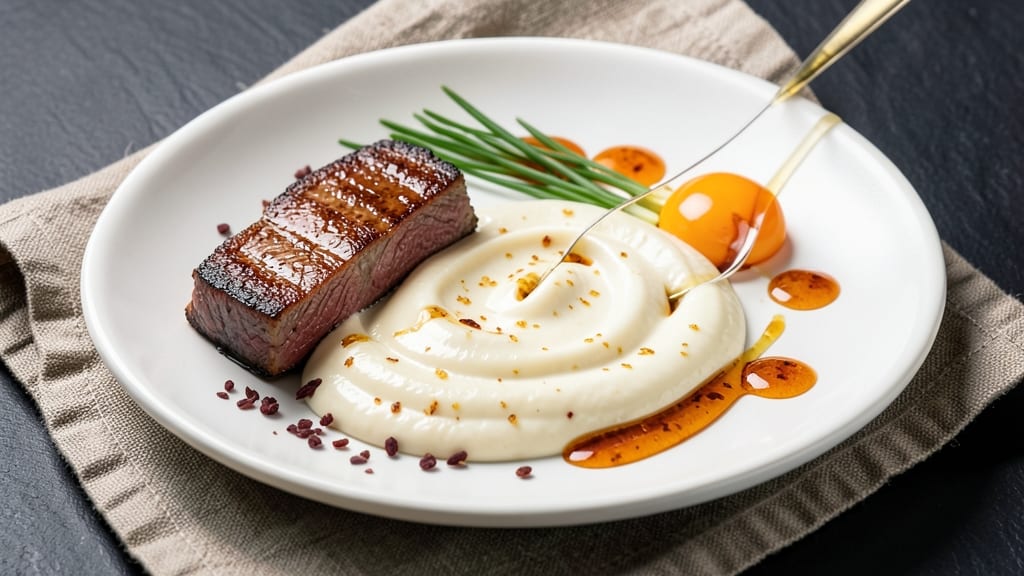
This Kobe white sauce recipe transforms ordinary mac and cheese into a restaurant-worthy dish with its velvety texture and rich umami depth.
The secret lies in blending dashi stock with butter, egg yolks, and a touch of soy sauce—creating a sauce so smooth it coats every noodle without a single lump. I developed this version after years of testing, and the difference from store-bought is undeniable.
The process is methodical but straightforward: first, we create a roux with butter and flour to form the sauce's foundation. Then, we slowly incorporate warm dashi stock and egg yolks while whisking constantly—this is where precision matters most.
The result is a sauce that's silky, flavorful, and perfectly balanced, with just enough tang from mirin to brighten the richness.
What sets this sauce apart is its ability to elevate even the simplest mac and cheese into something luxurious. The combination of dashi, soy sauce, and mirin creates layers of savory depth that stand up to sharp cheddar or Gruyère.
Best of all, it reheats beautifully, making it ideal for meal prep—just stir gently to maintain that velvety consistency.
For those who love mac and cheese but want to take it to the next level, this sauce is your game-changer. It works equally well with baked, stovetop, or even sheet-pan versions. Once you try homemade, you'll never go back to the boxed stuff again.
Ingredients for kobe white sauce
Nine simple ingredients create restaurant-quality sauce that transforms basic mac and cheese.
| Ingredient | Amount | Notes |
|---|---|---|
| Unsalted Butter 🧈 | ½ cup | Cold, cubed for roux |
| All-Purpose Flour 🌾 | ½ cup | Sifted for smooth sauce |
| Dashi Stock 🍜 | 2 cups | Homemade or quality bottled |
| Large Egg Yolks 🥚 | 4 whole | Room temperature preferred |
| Soy Sauce 🍶 | 1 tbsp | Light or dark variety |
| Mirin 🍶 | 1 tbsp | Sweet cooking rice wine |
| Salt 🧂 | ½ tsp | Kosher or sea salt |
| White Pepper 🌶️ | ¼ tsp | Freshly ground preferred |
| Extra-Virgin Olive Oil 🫒 | 1 tbsp | For finishing, optional |
The butter and flour are your foundation—don't rush the roux. European-style butter like Plugrá or Land O'Lakes has higher fat content, which gives a richer sauce. For flour, King Arthur or Bob's Red Mill are reliable. If you're short on time, pre-sifted flour from the grocery store works fine. The dashi stock is non-negotiable for that authentic umami kick—Hondashi or Kikkoman are solid bottled options, but homemade with kombu and bonito flakes is even better. Egg yolks need to be room temperature for smooth incorporation, so take them out 10 minutes before you start.
No mirin? Substitute 1 tbsp rice vinegar plus 1 tsp sugar—it won't be identical, but you'll still get that bright tang. Short on soy sauce? Worcestershire sauce works in a pinch, but it adds a slightly different depth. The white pepper is key for that clean, sophisticated finish—black pepper would overpower. For extra richness, add 1/4 cup grated Parmesan at the end. If you're making this ahead, the sauce thickens as it cools, so add 1-2 tsp warm water when reheating to restore that silky texture.
This sauce keeps for 5 days in the fridge, sealed tightly in an airtight container. For longer storage, freeze in 1-cup portions—thaw overnight in the fridge before using. The olive oil finish is optional but adds a lovely sheen and extra flavor. I always make a double batch because it disappears so fast—perfect for meal prep or gifting. If you're using it for baked mac and cheese, reduce the sauce by 1/4 cup since the cheese will add moisture as it bakes.
Why You'll Love This Recipe
- Five-Ingredient Magic: I swear by this list—just butter, flour, dashi, yolks, and soy. That’s it. No chopping, no stress, no hunting for obscure spices. The sauce practically builds itself while you stir.
- Umami Bomb: The dashi stock and soy sauce team up for a flavor punch that’s rich but never heavy. That velvety yolk finish? It’s the kind of taste that makes you pause mid-bite—like a secret handshake from your taste buds.
- Weeknight Workhorse: Slap this on noodles, rice, or even grilled fish in under 10 minutes. Honestly, I’ve used it to rescue burned toast and overcooked chicken—it’s my go-to flavor fix when dinner’s a disaster.
- Leftovers That Lie: This sauce thickens beautifully when reheated, so I make a double batch and stash it. Next day? Slather it on leftover roast chicken or stir it into cold rice—nobody suspects it’s been sitting in the fridge for days.
Step-by-step instructions for Kobe white sauce
Here's how to create a velvety, lump-free sauce that elevates mac and cheese to restaurant-quality.
Create a Smooth Roux with Butter and Flour
In a medium saucepan, melt the 0.5 cup unsalted butter over medium-low heat. Once fully melted and foaming subsides, immediately whisk in the 0.5 cup all-purpose flour all at once. This creates a roux that will form the base of your sauce.
Whisk constantly for 2-3 minutes until the mixture turns a pale golden color and smells nutty. You're looking for a smooth, paste-like consistency that coats the back of a spoon. This roux is crucial—it thickens the sauce and prevents lumps. If it darkens too quickly, reduce the heat slightly to maintain that perfect pale hue.
Gradually Add Dashi Stock for a Silky Texture
Slowly pour in the 2 cups dashi stock while whisking vigorously to prevent clumping. I add it in a thin, steady stream—about ¼ cup at a time—letting each addition fully incorporate before adding more. This gradual process ensures a smooth, velvety sauce rather than a grainy one.
Continue whisking for 5-7 minutes until the mixture thickens noticeably. You'll see it transform from a thin liquid to a glossy, creamy texture that coats the whisk. The sauce should now cling to the back of a spoon and leave a slight sheen. This is your checkpoint—if it's still too thin, simmer for another minute or two.
Infuse Flavor with Soy Sauce and Mirin
Remove the saucepan from heat and stir in the 1 tablespoon soy sauce and 1 tablespoon mirin. These ingredients add depth and balance the richness of the butter. Let the mixture sit off the heat for 2-3 minutes to allow the flavors to meld together. You'll notice a subtle sweetness from the mirin and a savory umami from the soy sauce.
Return the sauce to low heat and whisk in the 4 whole large egg yolks one at a time. Here's the thing—add them slowly to prevent scrambling. The heat should be gentle enough that the yolks gently emulsify into the sauce rather than cook into curds. You're aiming for a silky, custard-like consistency that coats the spoon completely.
Season and Finish with White Pepper
Taste the sauce and adjust the seasoning with the 0.5 teaspoon salt and 0.25 teaspoon white pepper. The salt enhances all the flavors, while the white pepper adds a subtle, clean heat that complements the richness. Stir well to distribute the seasonings evenly throughout the sauce.
For an optional finishing touch, drizzle in the 1 tablespoon extra-virgin olive oil while whisking continuously. This adds a luxurious sheen and balances the sauce with a touch of acidity. The final texture should be smooth as silk, with no lumps or graininess. If it's too thick, thin it with a splash of warm dashi stock; if too thin, simmer gently to reduce it to your desired consistency.
Pro Tips For Making Kobe White Sauce
- Whisk Yolks Last: Toss the egg yolks in after the roux cools slightly—around 160°F (70°C). I used to add them too early, and the sauce would scramble like a sad omelet. A quick dip of your finger in the roux (should feel warm, not hot) tells you it’s ready.
- Toast Flour Properly: Cook the butter-flour roux until it’s a deep golden brown, not just pale. I learned this the hard way—skipping the color makes the sauce taste raw. Keep stirring like your life depends on it, or it’ll burn before you know it.
- Strain the Dashi: Use a fine-mesh sieve or cheesecloth to strain the dashi stock before adding it to the roux. Lumps of dashi powder turn into gritty bits in your sauce, and no one wants that texture fight. Takes 30 seconds but saves frustration.
- Temper the Yolks: Slowly drizzle the hot roux into the yolks while whisking constantly—not the other way around. I was lazy once and dumped the yolks in too fast; the sauce broke like a bad promise. Patience here keeps it silky.
Common mistakes when making this dish
Overheating the Roux
One of the biggest mistakes is letting the roux darken beyond pale gold. If it turns brown or nutty, it will add a bitter flavor to your sauce. I’ve ruined batches by walking away for just a minute—always keep your eye on it!
Maintain medium-low heat and whisk constantly. A pale golden hue is your goal, not a deeper color. 🔥
Adding Egg Yolks Too Fast
Dumping all four egg yolks at once can cause them to scramble instead of emulsify smoothly. I learned this the hard way—my first attempt turned into a lumpy mess. Instead, add them one at a time, whisking vigorously between each addition.
The sauce should thicken gradually into a silky, custard-like texture. If it looks grainy, strain it through a fine-mesh sieve afterward.
Not Using Enough Heat
If your saucepan isn’t hot enough when adding the dashi stock, the flour won’t fully cook, leaving a raw flour taste. The stock should be simmering gently when you pour it in, and the roux should be fully combined before adding liquids.
Too little heat = grainy sauce. Too much heat = burnt roux. Find that sweet spot! 🌡️
Skipping the Off-Heat Rest
After adding soy sauce and mirin, letting the sauce sit off the heat for 2-3 minutes allows flavors to meld. I’ve rushed this step and ended up with a sauce that tastes flat or one-dimensional. Patience here makes all the difference—let those flavors marry before adding the yolks.
Ignoring Temperature Control
If the sauce gets too hot while incorporating yolks, they’ll curdle, turning your creamy sauce into a lumpy disaster. Keep the heat at low and whisk constantly.
A double boiler can help if you’re nervous—place the saucepan over a pot of simmering water for gentle, even heat. This is especially useful for beginners.
Using Cold Ingredients
Cold butter, flour, or egg yolks can create clumps or uneven textures. Take yolks out 10 minutes before use and let them warm to room temperature. Cold ingredients also slow down the emulsification process, making it harder to achieve that velvety finish.
A quick fix? Place the yolks in warm water for 2-3 minutes if you’re in a rush.
Nutrition facts
Frequently asked questions
What's the secret to getting a perfectly smooth sauce without lumps?
Whisk constantly while adding the dashi stock in small increments, and incorporate the egg yolks one at a time over low heat. The key is patience—rushing this step is what causes lumps. For extra insurance, strain through a fine-mesh sieve after all ingredients are combined.
Can I make this sauce ahead of time?
Store it in an airtight container in the fridge for up to 5 days or freeze in 1-cup portions for up to 3 months. When reheating, warm gently over low heat and thin with a splash of warm water if needed—it thickens as it cools.
What can I substitute if I don't have mirin?
Use 1 tbsp rice vinegar plus 1 tsp sugar as a substitute, though the flavor won't be identical. The mirin adds both sweetness and depth, so if you're using this sauce for dishes where mirin's unique profile matters (like ramen or grilled meats), it's worth tracking down.
Is this sauce only for mac and cheese?
Not at all! While it's perfect for elevating mac and cheese, this versatile sauce also works beautifully with grilled chicken, steamed vegetables, or even as a dipping sauce for spring rolls. The umami-rich dashi base makes it adaptable to many dishes.
Why does my sauce sometimes separate when reheating?
This usually happens if the sauce cools too quickly or sits too long before reheating. To fix it, whisk vigorously over low heat and add 1-2 tsp warm water at a time until smooth. For prevention, store the sauce in shallow containers so it cools evenly.