
Sauces & Condiments
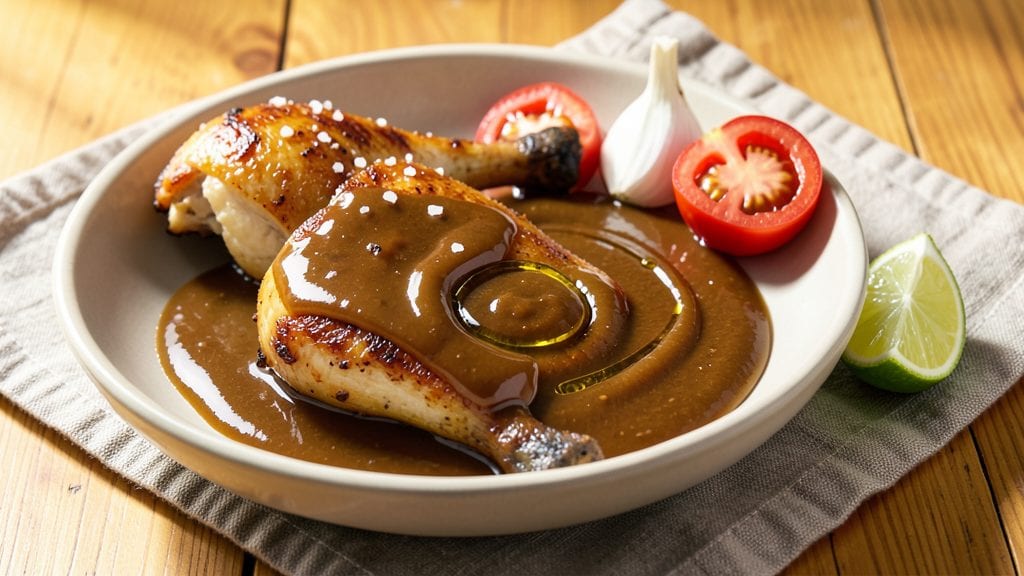
Creating Layne's sauce recipe with smoky chipotle and rich tomato base transforms ordinary meals into bold, restaurant-worthy dishes using just five pantry staples. This sauce delivers deep, complex flavors without requiring specialty ingredients—perfect for weeknight dinners or game-day appetizers.
The secret lies in balancing smoky heat with tangy acidity, creating a versatile condiment that elevates everything from tacos to grilled meats.
What makes this sauce stand out is its simplicity combined with professional results. No fancy techniques or expensive equipment are needed—just a few minutes of simmering to develop those rich, smoky notes.
The chipotle peppers provide heat and depth, while the tomato base ensures a velvety texture that clings beautifully to proteins or vegetables. Once you taste the balance of smoky, slightly sweet, and tangy flavors, you’ll want to keep a jar on hand at all times.
This sauce works as a dipping sauce for fries, a marinade for grilled chicken, or a finishing glaze for roasted vegetables. The smoky chipotle flavor builds gradually, so it’s ideal for those who prefer heat that lingers without overwhelming.
With just a few ingredients and minimal effort, you’ll achieve a sauce that rivals anything you’d find in a specialty store—guaranteed to become a kitchen staple.
Store it in the refrigerator for up to two weeks or freeze for longer shelf life, making it perfect for meal prep. The versatility of this sauce means you’ll reach for it again and again, whether you’re cooking for a crowd or treating yourself to a simple weeknight meal.
Let’s get started on creating this flavor-packed sauce that will elevate your cooking.
Ingredients for laynes sauce
Five pantry staples. One sauce. Big, smoky flavor that makes everything taste better.
| Ingredient | Amount | Notes |
|---|---|---|
| Canned Chipotle Peppers in Adobo 🌶️ | 2 tbsp | Peeled, chopped peppers with sauce |
| Canned Tomato Sauce 🍅 | 1 cup | San Marzano preferred |
| Extra-Virgin Olive Oil 🫒 | ¼ cup | High quality, fruity |
| Garlic Cloves 🧄 | 3 cloves | Peeled, roughly chopped |
| Lemon Juice 🍋 | 1 tbsp | Freshly squeezed |
| Sea Salt 🧂 | 1 tsp | Fine grain preferred |
| Ground Cumin 🌿 | ½ tsp | Toasted for depth |
| Brown Sugar 🍯 | 1 tbsp | Light or dark |
The chipotle peppers are the secret weapon here—look for the canned ones in adobo sauce at any grocery store, usually near the Mexican foods. Trader Joe's and Costco often have the best prices, but the regular supermarket stuff works fine. I always grab a whole can because you can use the extra for tacos or soups later. The adobo sauce adds that tangy depth, so don't skip it. For the tomato sauce, San Marzano is ideal—it's sweeter and smoother—but any good-quality canned tomato sauce will do. The garlic? Fresh is best, but if you're in a pinch, jarred minced garlic works (just add a pinch of salt to balance).
No chipotle peppers? Substitute smoked paprika plus a pinch of cayenne for heat—it won't be identical, but it'll get you close. Running low on olive oil? Avocado oil works just as well. The brown sugar adds just a touch of sweetness to balance the smokiness—if you don't have it, honey or maple syrup at half the amount will work. The cumin is non-negotiable though—it's what gives that earthy depth. No cumin? Ground coriander at double the amount is a decent stand-in. And if you're worried about the sauce being too thin, just simmer it longer—it'll thicken right up.
This sauce keeps beautifully in the fridge for 2 weeks, covered tightly. For longer storage, freeze it in ice cube trays—just pop out what you need. I always double the batch because it disappears fast. The flavors actually get better after a day or two as everything melds together. Perfect for meal prep—just reheat and serve. And if you make extra, trust me, you'll find a use for it.
Why You'll Love This Recipe
- Five-Ingredient Magic: I swear, this sauce comes together with what’s already in your pantry. No fancy prep, no chopping—just blend the chipotle peppers in adobo with tomato sauce, a splash of lemon, and garlic. That’s it. Honestly, I’ve made it while scrolling through my phone.
- Smoky Citrus Kick: The chipotle peppers give it a slow-cooked, smoky depth, but the lemon juice cuts through it just enough to keep it bright and addictive. It’s not too heavy, not too sweet—just that perfect balance of heat and tang that makes you want to drizzle it everywhere.
- Weeknight Workhorse: Between us, this sauce is my go-to for tacos, grilled chicken, or even pasta when I’m too tired to think. It’s the kind of thing that turns a basic meal into something special without requiring a grocery haul. (Yes, even on a Tuesday night.)
- Makes Leftovers Worth It: I double the batch every time because it tastes even better the next day. Store it in the fridge for up to a week, and it’s still bold enough to elevate whatever you’re cooking. Plus, it’s cheap—just a few bucks for a sauce that feeds a crowd.
Step-by-step instructions for smoky chipotle-tomato velocity sauce
Here's how to blend bold flavors into a velvety sauce that works with everything from tacos to grilled meats.
Toast the Cumin for Depth
Heat a small dry skillet over medium heat and add the 0.5 teaspoon ground cumin. Toast for 30-45 seconds until fragrant and slightly darker in color—you'll smell that warm, earthy aroma that makes this sauce special. Keep a close eye on it; cumin burns quickly and turns bitter.
Transfer the toasted cumin to a small bowl and set aside. This quick step develops the cumin's natural oils, giving your sauce a richer, more complex flavor that you won't get from raw cumin. I always do this first because it's the foundation of the sauce's warm, smoky character.
Sauté Garlic in Olive Oil
In a medium saucepan, heat the 0.25 cup extra-virgin olive oil over medium-low heat. Add the 3 peeled garlic cloves (roughly chopped) and cook for 2-3 minutes until they're golden brown at the edges but not burned. You want them fragrant but still slightly crisp—this adds wonderful depth to the sauce.
Here's the thing—don't rush this step. Garlic burns in seconds, and burned garlic tastes bitter. If you see it darkening too quickly, reduce the heat slightly. The oil should shimmer but not smoke. Once the garlic is golden, remove the pan from heat and let it cool for 1 minute—this prevents the garlic from cooking further when you add the remaining ingredients.
Combine Wet Ingredients
Return the pan to the stove and add the 1 cup canned tomato sauce, 2 tablespoons canned chipotle peppers in adobo (including some of the sauce from the can), 1 tablespoon brown sugar, and 1 teaspoon sea salt. Stir to combine, then bring the mixture to a gentle simmer over medium heat.
Simmer for 5-7 minutes until the sauce begins to thicken slightly. You'll notice the chipotle peppers start to soften and the flavors meld together. The brown sugar will help balance the smoky heat from the chipotle, creating a perfect sweet-savory contrast. Stir occasionally to prevent sticking, but don't over-stir—you want the sauce to develop a silky texture.
Finish with Lemon Juice
Remove the pan from heat and stir in the 1 tablespoon freshly squeezed lemon juice. This bright acidity cuts through the richness of the olive oil and balances the smoky depth of the chipotle. Taste the sauce and adjust the seasoning if needed—you might want to add a pinch more salt or a splash more lemon juice to taste.
The sauce should be velvety with a smooth, glossy finish. If it's too thick, thin it with 1-2 tablespoons of water or the reserved chipotle adobo sauce. If it's too thin, simmer it uncovered for another 2-3 minutes to reduce. The perfect consistency should coat the back of a spoon but still be pourable.
Rest and Serve
Let the sauce rest for 5-10 minutes off the heat. This allows all the flavors to fully meld together and the sauce to reach its ideal consistency. I know it's tempting to serve it immediately, but this resting time makes a world of difference in the final result.
Serve the sauce warm or at room temperature. It's fantastic drizzled over grilled meats, spooned into tacos, or used as a marinade. The sauce will keep in an airtight container in the refrigerator for up to 5 days, or you can freeze it for up to 3 months. The flavors only get better as it sits, so make extra if you can!
Pro Tips For Making Laynes Sauce
- Mince That Garlic: I learned this the hard way—whole cloves in Layne’s sauce taste like they’re playing hide-and-seek. Hit the garlic with a knife first, then mince it fine. No one wants to chew through a chipotle-adobo-and-garlic surprise later.
- Strain the Adobo: The adobo sauce from the can is thick, smoky, and full of seeds that turn your Layne’s sauce into a textural disaster. Strain it through a fine-mesh sieve before adding it to the pot—your sauce will be silky, not gritty.
- Simmer Low and Slow: Layne’s sauce isn’t a race. After adding the chipotle and tomato sauce, reduce heat to a gentle simmer. Skipping this step means a sauce that’s more like a chipotle-infused tomato slurry than the balanced, smoky magic it should be.
- Taste Early, Adjust Late: Add the lemon juice last—but taste the sauce before you do. Chipotle and tomato sauce can mask acidity, so if it needs brightness, a splash of lemon at the end fixes it. If you add it early, you might overdo it and regret the sharpness.
Troubleshooting this recipe
Chipotle Overload Fix
If your sauce ends up too spicy, balance it with 1-2 teaspoons of honey or maple syrup—this sweetens while mellowing the heat. I’ve also found that adding 1 extra tablespoon of lemon juice helps cut through the spiciness by brightening the overall flavor profile.
For a more dramatic fix, stir in 1 teaspoon of unsweetened cocoa powder, which adds depth and smooths out the heat without altering the smoky notes. 🌶️
Sauce Too Thin?
Simmer uncovered for an extra 3-5 minutes to reduce the liquid naturally. If that doesn’t work, mix 1 teaspoon of cornstarch with 1 tablespoon of cold water, then stir it into the sauce while simmering until it thickens.
For a smoother texture, I’ve also used 1 tablespoon of tomato paste—just stir it in during the final simmer. Avoid over-thickening, though, as the sauce should still be pourable. 💡
Grainy Texture Issue
If your sauce has a gritty texture, it’s likely from the chipotle peppers or garlic. For a silky finish, blend the sauce with an immersion blender for 10-15 seconds until smooth. If you don’t have a blender, strain the sauce through a fine-mesh sieve into a clean bowl.
This step is especially useful if you’re using chunky chipotle peppers or whole garlic cloves. The result will be a velvety sauce every time. ✨
Flat or Bland Flavor
If your sauce lacks depth, try adding ½ teaspoon of smoked paprika or a pinch of cayenne for extra smokiness. For a richer flavor, stir in 1 tablespoon of chicken or vegetable broth during the final simmer.
I’ve also found that a splash of balsamic vinegar (about ½ teaspoon) adds complexity and acidity. Taste as you go—adjust gradually to avoid overpowering the sauce. 💛
Separation Problem
If the sauce separates (like oil and water), whisk it vigorously or blend it briefly to re-emulsify. For a more permanent fix, stir in 1 teaspoon of Dijon mustard—it acts as a natural emulsifier.
If the issue persists, simmer the sauce for an extra 2-3 minutes to help the ingredients bind together. This is common with high-fat sauces, but a quick fix ensures a smooth, cohesive texture. 🔥
Too Sweet or Salty
If the brown sugar makes the sauce too sweet, balance it with a splash of apple cider vinegar (about ½ teaspoon). For excessive saltiness, dilute with 1-2 tablespoons of water or unsalted broth.
If the sauce is too sweet, add a pinch of black pepper or smoked paprika to bring back the smoky, savory notes. Always taste as you adjust—small changes make a big difference! 💫
Nutrition facts
Frequently asked questions
What makes this sauce different from regular chipotle sauce?
This recipe balances smoky chipotle with bright lemon and sweet brown sugar for a complex, velvety texture. Unlike traditional chipotle sauces that rely solely on heat, it includes toasted cumin and olive oil for depth, plus tomato sauce for richness. The result is a versatile condiment that works as a marinade, dipping sauce, or glaze without overwhelming spice.
Can I use this sauce on vegetables instead of meat?
The smoky-sweet flavor pairs beautifully with roasted vegetables like Brussels sprouts or asparagus. Toss them in the sauce during the last 5 minutes of roasting, or drizzle it over grilled zucchini. The acidity helps cut through the richness of roasted veggies, making them taste even more vibrant.
How do I adjust the heat level for kids or sensitive eaters?
Reduce the chipotle to just 1 tablespoon (instead of 2) and omit the cayenne if using. For extra mildness, stir in 1 teaspoon of honey after simmering. The sauce will still have smoky depth but with minimal heat. Always taste as you go—small adjustments make a big difference!
What’s the best way to reheat stored sauce?
Gently warm it in a saucepan over low heat for 2-3 minutes, stirring occasionally. Avoid microwaving as it can separate the oil. If the sauce thickens too much, thin it with 1 teaspoon of water or broth. For best results, reheat only what you need—this sauce tastes freshest when used within 24 hours of reheating.
Can I make this sauce without fresh garlic?
Yes! Use 1 teaspoon of garlic powder plus ½ teaspoon of onion powder for a similar aromatic base. For extra depth, add ½ teaspoon of smoked paprika to mimic the toasted garlic flavor. The sauce will still be flavorful, though fresh garlic adds a more complex profile.