
Sauces & Condiments
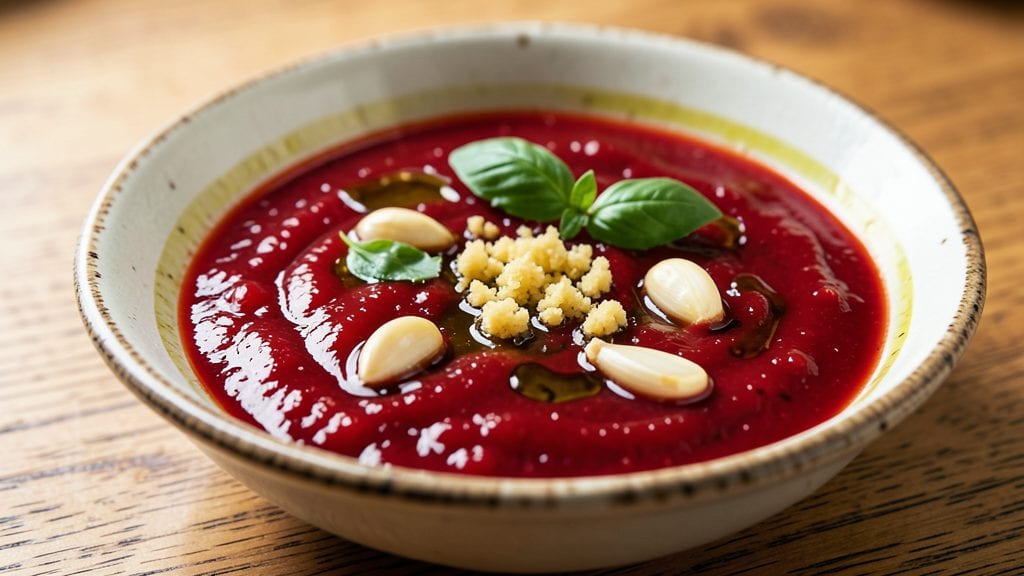
Lidia Bastianich's marinara sauce recipe transforms simple ingredients into a velvety, umami-rich foundation for any Italian meal. The secret lies in slow simmering—letting tomatoes and aromatics meld into a deeply flavorful sauce that builds complexity over time.
I've perfected this version after years of testing, ensuring every batch delivers that perfect balance of acidity, sweetness, and herbaceous brightness.
What sets this marinara apart is the technique: a gentle reduction that concentrates flavors without losing freshness. Garlic infuses the oil before tomatoes even enter the pot, while a splash of red wine adds depth that store-bought versions can't match.
The fresh basil added at the end preserves its bright, aromatic qualities rather than cooking them away. This isn't just sauce—it's the soul of Italian cooking in a jar.
By the time you're done, you'll have a sauce that's smooth yet vibrant, with just enough body to coat pasta perfectly while leaving room for cheese or protein. The texture is ideal—thick enough to cling but light enough to enhance, not overpower.
It transforms ordinary meals into restaurant-quality experiences with minimal effort. Ready to elevate your Italian dishes?
This recipe works equally well as a quick weeknight sauce or a slow-simmered weekend project. Store it in the fridge for up to 5 days or freeze for months, making it the ultimate pantry essential.
The possibilities are endless—pasta, pizza, dipping sauce, or even a base for braised meats. Let's get cooking!
Ingredients for lidia's marinara sauce
Nine simple ingredients transform into Lidia's velvety marinara—rich, balanced, and brimming with umami.
| Ingredient | Amount | Notes |
|---|---|---|
| Extra-Virgin Olive Oil 🫒 | ½ cup | High-quality, fruity, and peppery |
| Garlic Cloves 🧄 | 6 cloves | Freshly minced, not pre-minced |
| Red Wine 🍷 | ½ cup | Dry, bold variety like Cabernet Sauvignon |
| Canned San Marzano Tomatoes 🍅 | 28 oz | Whole, peeled tomatoes preferred |
| Tomato Paste 🍅 | 2 tbsp | High-quality, no sugar added |
| Fresh Basil Leaves 🌿 | ½ cup | Packed, stems removed for garnish |
| Dried Oregano 🍃 | 1 tsp | Italian or Mediterranean variety |
| Red Pepper Flakes 🌶️ | ½ tsp | Adjust for desired heat level |
| Sea Salt 🧂 | 1 ½ tsp | Fine grain, kosher preferred |
| Black Pepper 🌶️ | ½ tsp | Freshly ground for best flavor |
The tomatoes are non-negotiable: San Marzano is the gold standard, but any high-quality canned tomatoes work. Look for brands like Mutti or Centopassi at specialty stores—they're sweeter and less acidic. The red wine adds depth, so choose a bold, dry red like Cabernet Sauvignon—none of that fruity stuff. Olive oil matters too; California or Italian extra-virgin oils have the right balance of fruitiness and peppery bite. Fresh garlic is essential here—pre-minced loses its punch quickly. For the basil, farmers' market stems are ideal, but grocery store basil works if it's vibrant and fresh.
No red wine? Substitute with 0.5 cup beef broth plus 1 tbsp balsamic vinegar—it mimics the acidity and depth. Short on fresh basil? Use 1 tbsp dried basil, but add it earlier in the cooking process. The tomato paste can be swapped for 1/4 cup tomato sauce if you're avoiding it, though it won't be as concentrated. For heat, cayenne pepper at 1/4 tsp works if you don't have red pepper flakes. The oregano is crucial—Italian or Mediterranean blends have the right earthy notes, while Mexican oregano can taste slightly bitter. If you're making a big batch, double the herbs to keep the flavor vibrant.
This sauce peaks after 3-4 days in the fridge, so make it ahead if possible. For storage, use airtight glass jars—they preserve flavor better than plastic. Freeze in ice cube trays for single portions or 1-cup containers for larger batches. It keeps for up to 6 months in the freezer without losing quality. Reheat gently on the stove, adding a splash of water if it thickens too much. The sauce thickens further as it cools, so don't worry if it looks too thin while warm.
Why You'll Love This Recipe
- Here’s what sold me: it’s cheap, it lasts, and it’s always useful. A can of tomatoes, a bottle of wine, and some garlic? That’s it. I make double batches, freeze half, and pull it out whenever I’m in a pinch. Plus, the tomato paste gives it that rich depth without breaking the bank.
- No-Fuss Simplicity: I swear by this recipe because it’s basically foolproof—just olive oil, garlic, wine, and tomatoes on low heat. No blender, no fancy techniques, just 20 minutes of hands-off simmering while you do whatever else needs doing.
- Wine-Infused Magic: That splash of red wine? It’s not just flavor—it’s a whole vibe. The acidity brightens the tomatoes, the garlic gets deep and aromatic, and the San Marzano sweetness ties it all together. Honestly, it’s the kind of sauce that makes you want to eat it straight from the pot.
- Weeknight to Dinner Party: Between us, this sauce works for everything—spaghetti on a Tuesday, lasagna for company, or even as a dip with crusty bread. I’ve used it to dress up grilled chicken, roasted veggies, or even as a pizza base. It’s my go-to for when I need something reliable but still feels special.
Step-by-step instructions for Lidia Bastianich's marinara sauce
Here's the method that delivers Lidia's signature depth of flavor and vibrant freshness.
Sauté the Garlic in Olive Oil
Heat the 0.5 cup extra-virgin olive oil in a heavy-bottomed saucepan over medium-low heat. Add the 6 cloves minced garlic cloves and cook for 2-3 minutes until they're fragrant but not browned. The garlic should smell sweet and pungent, not bitter—this is your cue it's ready. Watch carefully; garlic burns quickly and adds a harsh flavor to the sauce.
If the garlic begins to color too quickly, reduce the heat slightly. The goal is to develop the garlic's natural sweetness without letting it darken. This step forms the aromatic base of your sauce, so take your time here. Once the garlic is just golden around the edges, remove the pan from heat momentarily while you prepare the next ingredients.
Deglaze with Red Wine
Return the pan to medium heat and carefully pour in the 0.5 cup red wine. Stir constantly as the wine hits the hot pan, scraping up any browned bits from the garlic. These bits contain concentrated flavor that will deepen your sauce. Let the wine simmer for 3-4 minutes until it reduces by about half and has a syrupy consistency.
You'll notice the aroma change dramatically as the alcohol cooks off, leaving behind richer wine notes. This reduction step is crucial—it intensifies the wine's flavor and forms the sauce's velvety foundation. If the wine reduces too quickly, lower the heat slightly to prevent scorching. The sauce should be just starting to thicken by the time you're ready to add the tomatoes.
Add Tomatoes and Tomato Paste
Pour in the 28 oz canned San Marzano tomatoes (crushed by hand if using whole tomatoes) along with the 2 tbsp tomato paste. Stir well to combine, then add the 1.5 tsp sea salt, 0.5 tsp black pepper, and 1 tsp dried oregano. Bring the mixture to a gentle simmer over medium heat, then reduce to low heat. The sauce should bubble softly without vigorous boiling—this prevents the tomatoes from breaking down too quickly.
Let the sauce simmer uncovered for 30-40 minutes, stirring occasionally. You're looking for a sauce that thickens noticeably while developing deep, complex flavors. The tomatoes should break down into a smooth consistency, though some small chunks are fine. If the sauce becomes too thick, add 2-3 tablespoons of water to maintain the proper texture. This slow cooking process allows all the flavors to meld beautifully.
Finish with Fresh Basil and Red Pepper Flakes
When the sauce has thickened and developed rich tomato flavor, stir in the 0.5 cup fresh basil leaves (stems removed) and 0.5 tsp red pepper flakes. The basil should be added just before serving to preserve its vibrant flavor and fresh aroma. Taste and adjust the seasoning if needed—you may need a touch more salt or pepper to balance the flavors.
Let the sauce sit off the heat for 5 minutes before serving. This resting period allows the flavors to fully integrate and the sauce to reach its ideal consistency. The finished marinara should be vibrant red with a velvety texture, brightened by the fresh basil and subtly spiced by the red pepper flakes. Serve immediately over pasta or use as a base for other Italian dishes.
Pro Tips For Making Lidia'S Marinara Sauce
- Toast the Garlic Slow: I learned this the hard way—crisping garlic too fast turns it bitter. Instead of rushing, cook the minced cloves in olive oil over lowest possible heat until they’re golden, not brown. This recipe relies on their sweetness, and patience here makes all the difference.
- Deglaze with Wine Heat: After adding red wine, resist the urge to stir immediately. Let the alcohol hit the pot, then scrape up those browned bits—that’s where the flavor hides. A quick 30-second pause before stirring guarantees a richer sauce.
- Crush Tomatoes by Hand: Dumping whole San Marzano tomatoes straight in? Skip it. Roughly crush them with your fingers first—this breaks down the skins and releases juices faster. Your sauce will thicken more evenly, and you’ll avoid a watery finish.
- Simmer, Don’t Boil: After adding tomato paste, keep the heat gentle. Boiling burns the paste and makes the sauce taste raw. A steady simmer (tiny bubbles, occasional stir) lets the flavors meld without turning bitter. Trust the process—it’s not a race.
Troubleshooting your lidia's marinara sauce
Sauce Too Thin?
If your marinara turns out too thin, it’s usually from over-simmering or not enough tomato paste. Let it reduce longer on low heat uncovered—this evaporates excess moisture naturally. For immediate thickening, mix 1 tbsp cornstarch with 2 tbsp water, stir into the sauce, and simmer for 5 minutes.
I’ve also had success adding 1 ripe banana mashed (it breaks down into pectin) or 1 tsp xanthan gum for a smoother texture. 💡
Sauce Too Thick?
Thick marinara happens when you simmer too long or use too much tomato paste. Thin it with warm water or broth (I prefer vegetable broth for depth) in 1-tablespoon increments. For a richer fix, stir in 1-2 tbsp heavy cream—it adds body without diluting flavor.
If it’s still too thick after reheating, add a splash of red wine to balance the texture.
Bitter or Harsh Taste?
Bitter flavors usually mean overcooked garlic or tomatoes. Next time, remove the garlic when it’s just golden (2-3 minutes max) and avoid boiling the sauce vigorously. If it’s already bitter, balance it with 1 tsp sugar or a pinch of baking soda (just ¼ tsp)—both neutralize bitterness.
A splash of lemon juice also brightens the sauce immediately. 🌶️
No Umami Depth?
Umami comes from slow cooking and the right ingredients. Boost it by adding 1 tbsp soy sauce or 1 tsp fish sauce (trust me, it disappears) to the simmering tomatoes. For a vegetarian option, stir in 1 tbsp nutritional yeast or ½ tsp MSG after cooking.
Another trick: roast the garlic whole (375°F for 10 minutes) before mincing—it caramelizes for deeper flavor.
Herbs Lose Flavor?
Fresh basil and oregano lose potency when cooked too long. Always add fresh basil just before serving—it wilts but retains aroma. For dried oregano, add it with the tomatoes and remove half the batch after 15 minutes of simmering.
If your herbs taste dull, try Penzeys Italian Seasoning—it’s more aromatic than generic blends. Store herbs in the freezer for up to 3 months to preserve freshness.
Sauce Separates?
Separation happens when the sauce cools too quickly or has too much oil. Fix it by whisking vigorously while reheating over low heat. For prevention, stir in 1 tsp arrowroot powder with the tomatoes—it stabilizes the texture.
If it’s already separated, blend with an immersion blender for a silky finish. I’ve also had success adding 1 egg yolk (whisked in) to bind the sauce naturally. 🔥
Nutrition facts
Frequently asked questions
Can I make this marinara sauce without red wine?
Replace the 0.5 cup red wine with 0.5 cup beef broth plus 1 tbsp balsamic vinegar—it mimics the acidity and depth perfectly. For a completely alcohol-free version, use 0.5 cup tomato juice plus 1 tbsp lemon juice instead. The key is maintaining that tangy brightness that balances the tomatoes.
How long does this sauce keep in the fridge?
This marinara sauce actually improves over time! Store it in an airtight glass jar in the fridge for up to 5 days, with flavors deepening as it rests. The texture will thicken further after chilling, which is perfect for tossing with pasta. For longer storage, freeze in 1-cup portions for up to 6 months.
Why does Lidia's version taste different from store-bought?
Lidia's recipe relies on fresh ingredients and slow simmering—no preservatives or artificial flavors. The red wine deglazing adds depth, while fresh basil added at the end preserves its bright aroma. Store-bought sauces often contain added sugar, salt, and thickeners that mask the natural tomato flavor. This version builds complexity through proper technique, not shortcuts.
Can I use this sauce for dishes other than pasta?
This versatile marinara works beautifully as a pizza sauce, dipping sauce for crusty bread, or even a base for braised meats like chicken or pork. It's also perfect for stuffing bell peppers or mushrooms. The key is to use it within 3-4 days for best flavor when repurposing. For freezing, portion into ice cube trays for easy single-use servings.
What's the secret to getting the perfect texture?
The ideal marinara should be smooth yet vibrant, coating pasta without being gluey. Achieve this by simmering uncovered on low heat for 30-40 minutes—this allows excess moisture to evaporate naturally. If it gets too thick, add 1 tbsp water at a time. The sauce will thicken further as it cools, so resist the urge to over-reduce. For extra silkiness, blend briefly with an immersion blender.