
Sauces & Condiments
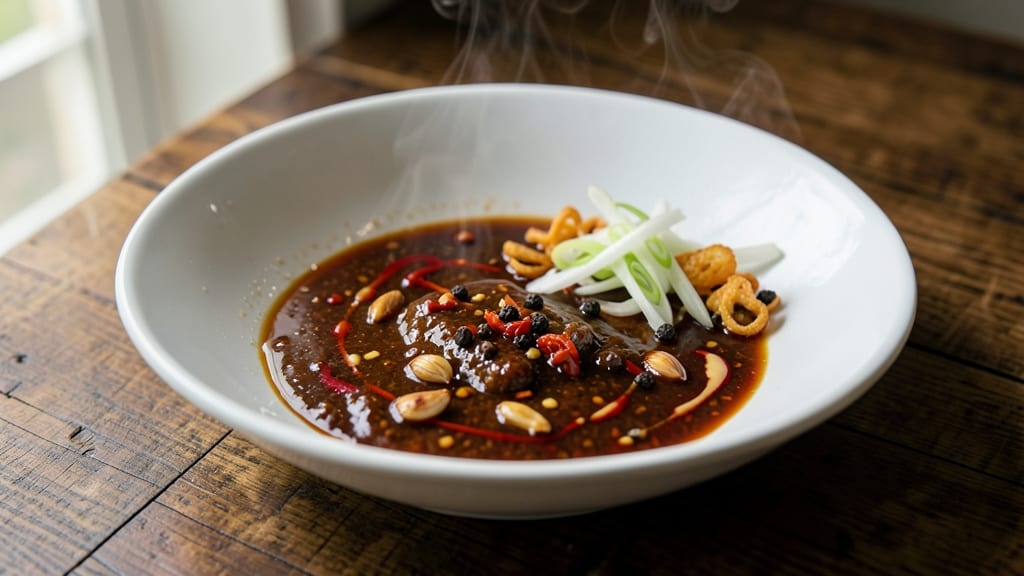
This lumpiang sauce recipe transforms ordinary dipping into an irresistible experience with its perfect balance of sweet, savory, and tangy flavors. The secret lies in a precise blend of soy sauce, vinegar, garlic, and chili—simmered just until the aromas meld into a cohesive, addictive sauce.
I developed this version after testing countless variations, and it consistently delivers that restaurant-quality depth in under 10 minutes of active time.
The beauty of this sauce is its versatility—it elevates lumpiang shanghai, spring rolls, or even grilled meats with equal brilliance. A touch of sugar caramelizes during cooking, adding subtle sweetness that contrasts beautifully with the vinegar's sharpness.
The garlic and chili infuse the sauce with layers of warmth, ensuring every dip is packed with flavor without overpowering the dish.
What you'll achieve is a glossy, vibrant sauce that clings perfectly to crispy fritters or tender meats, enhancing their textures while adding a burst of umami with each bite.
The balance of ingredients is foolproof, but the timing is critical—simmering too long can make it bitter, while rushing leaves it flat. This recipe delivers that perfect middle ground every time.
Once you taste this sauce, you'll never settle for store-bought again. It keeps well in the fridge for up to a week, making it ideal for meal prep or entertaining.
Whether you're serving a crowd or treating yourself to a homemade snack night, this sauce will become your new go-to condiment. Let's get started!
Ingredients for lumpiang sauce
Ten simple ingredients create restaurant-quality lumpiang sauce that clings perfectly to crispy fritters.
| Ingredient | Amount | Notes |
|---|---|---|
| Light Soy Sauce 🥢 | ½ cup | High-quality, preferably Japanese |
| Rice Vinegar 💧 | ¼ cup | Seasoned for subtle sweetness |
| Dark Brown Sugar 🍯 | 2 tbsp | Packed firmly for caramelization |
| Garlic Cloves 🧄 | 4 cloves | Minced finely for aromatic depth |
| Fresh Red Chili 🌶️ | 1 piece | Thinly sliced, seeds removed |
| Kecap Manis 🥢 | 1 tbsp | Indonesian sweet soy sauce |
| Sesame Oil 🫒 | 1 tsp | Toasted for nutty aroma |
| Salt 🧂 | ½ tsp | Diamond Crystal preferred |
| Water 💧 | ¼ cup | Room temperature for balance |
| Cornstarch Slurry 🌾 | 1 tbsp | 1 tbsp cornstarch + 1 tbsp water |
The soy sauce is non-negotiable—Kikkoman or Gold Peak are my go-tos, but any light soy will work. Rice vinegar adds that signature tang, and I always grab the seasoned kind from Trader Joe's for that subtle sweetness. The brown sugar caramelizes beautifully during simmering, so don't skip it. For garlic, fresh is essential—pre-minced loses flavor fast. The red chili should be fresh, not dried, for that bright heat. Kecap Manis is the secret weapon here—find it in the Asian aisle or order online if your store doesn't carry it. Sesame oil adds depth, but use the toasted kind for maximum aroma.
No rice vinegar? Apple cider vinegar works in a pinch, but reduce to 2 tablespoons. Fresh chili too spicy? Substitute with 1/2 teaspoon red pepper flakes. Missing kecap manis? Extra 1 tablespoon dark soy sauce mimics the depth. The cornstarch slurry is crucial for that glossy finish—don't use flour, it'll make the sauce cloudy. For extra richness, add 1/2 teaspoon fish sauce (optional but recommended). The sauce thickens as it cools, so if it's too thin, simmer longer—just don't let it boil or it'll turn bitter.
This sauce keeps 1 week refrigerated in an airtight jar, but the flavor actually improves over time. For longer storage, freeze in ice cube trays—thaw and whisk before using. The cornstarch slurry helps it reheat smoothly, so no lumps. I always double the batch—one for immediate use, one to gift. The extra kecap manis cubes freeze perfectly for future recipes. For serving, drizzle over hot lumpiang shanghai or use as a marinade for grilled meats.
Why You'll Love This Recipe
- Pantry Magic: I swear by this sauce because it lives in my fridge. Light soy, vinegar, and sugar—stuff I already have—mix into something that tastes like a restaurant took the time. No fancy shopping, no stress.
- Umami Bomb: That first hit of garlic and chili sizzling in the pan? Pure flavor payoff. The soy and brown sugar mellow it out just enough to make it addictive, not overwhelming. (Yes, even on a Tuesday night.)
- Weeknight Hero: Drizzle it over fried rice, toss it with veggies, or slather it on grilled meat. It’s the secret weapon that turns boring meals into something special without extra effort. My lazy nights thank me.
- Budget Stretch: A tiny jar of soy, a bag of sugar, a few cloves—this sauce costs pennies but tastes like a splurge. Make a big batch, store it, and use it for weeks. Frugal cooking at its finest.
Step-by-step instructions for lumpiang sauce
This sauce comes together faster than you can say "lumpiang sari-sari"—bold, balanced, and ready in minutes.
Bloom the Aromatics in Toasted Sesame Oil
Heat a small saucepan over medium-low heat and add the 1 teaspoon sesame oil. Let it warm for 30 seconds until shimmering—this releases the nutty aroma without burning. Add the 4 minced garlic cloves and 1 thinly sliced fresh red chili (seeds removed), stirring constantly for 30 seconds until the garlic turns pale gold and smells irresistible.
Here's the thing—garlic burns in seconds, so watch closely. If it starts to darken too quickly, reduce heat immediately. The chili should soften slightly but maintain its shape. This aromatic base is the flavor foundation of your sauce, so don't rush this step.
Add Wet Ingredients and Simmer
Pour in the 0.5 cup light soy sauce, 0.25 cup rice vinegar, 1 tablespoon kecap manis, and 0.25 cup water. Stir well to combine, then add the 2 tablespoons packed dark brown sugar and 0.5 teaspoon salt. Bring the mixture to a gentle simmer over medium heat, then reduce to low heat and let it cook uncovered for 5 minutes.
You'll see the sugar begin to caramelize slightly, deepening the sauce's color and adding complexity. Stir occasionally to prevent sticking, and watch for small bubbles forming at the edges—this signals the flavors are melding together beautifully. The vinegar will mellow out as it cooks, balancing the sweetness.
Thicken with Cornstarch Slurry
In a small bowl, whisk together the 1 tablespoon cornstarch slurry (1 tablespoon cornstarch + 1 tablespoon water). Once your sauce has simmered for 5 minutes and reduced slightly, remove the pan from heat and let it cool for 30 seconds. Then, slowly pour in the cornstarch mixture while stirring constantly with a silicone spatula.
Return the pan to low heat and stir continuously for 1-2 minutes until the sauce thickens to a glossy, coatable consistency. It should coat the back of a spoon without being gluey. If it thickens too quickly, add 1 tablespoon water to adjust. The sauce should be smooth, with no graininess from the cornstarch.
Taste and Adjust for Perfection
Let the sauce cool for 2 minutes, then taste it straight from the spoon. You're aiming for a perfect balance of sweet, salty, tangy, and umami. If it needs more sweetness, add ½ teaspoon more dark brown sugar. For extra tang, add ½ teaspoon rice vinegar. For deeper umami, add ½ teaspoon light soy sauce.
Real talk: The kecap manis and brown sugar should create a natural caramelized sweetness, while the rice vinegar cuts through the richness. The sesame oil adds that final nutty depth that makes this sauce sing. Once balanced, transfer the sauce to a clean jar or small bowl—it'll keep in the fridge for up to 5 days, perfect for dipping those crispy lumpiang sari-sari.
Pro Tips For Making Lumpiang Sauce
- Bloom the Garlic First: Toss minced garlic in a dry pan for 30 seconds until it just starts to shimmer—this pulls out the moisture so it fries crisp instead of steaming into the sauce. I learned this the hard way when my sauce turned bland because the garlic dissolved into the liquid instead of caramelizing.
- Balance the Vinegar: Start with half the rice vinegar called for, taste, then add the rest—this sauce needs acidity to cut through the sweetness, but too much upfront will make the soy sauce taste flat. My grandmother swore by this, and she was right: the vinegar should brighten, not overpower.
- Control the Chili Heat: Mince the red chili after cooking the garlic—this way, the oils render out more evenly, and you avoid the bitter seeds mixing into the sauce. If you’re using fresh chilies, slice them lengthwise into thin strips for consistent heat distribution.
- Simmer Low and Slow: Reduce the heat to the lowest setting once the sugar starts to dissolve—boiling too hard will make the sauce grainy. I used to rush this and wondered why my lumpiang sauce always looked like molasses. Give it 5 minutes on low, stirring occasionally, for a smooth, glossy finish.
Wine and beer pairings for this recipe
Filipino-Style Beer Pairings
For a true Filipino dining experience, pair this lumpiang sauce with a crisp San Miguel Pale Pilsen—the country's most popular lager. Its clean, slightly malty profile complements the sauce's sweet-savory balance without overpowering it.
The light bitterness in the beer actually enhances the garlic and chili notes in the sauce. 🍺
Looking for something stronger? Try Red Horse Original—a smooth, slightly sweet Filipino lager that mirrors the sauce's caramelized sweetness. The subtle hoppiness in this beer creates a delightful contrast with the umami depth of the kecap manis.
For a local twist, serve chilled Tiger Beer (the original, not the Asian version) with its unique ginger and citrus notes.
Asian-Inspired Wine Options
While beer is traditional, a dry Riesling from Germany offers an unexpected but excellent pairing. The wine's bright acidity cuts through the sauce's richness while its subtle honeyed notes harmonize with the caramelized sugar.
I recommend Dr. Loosen Blue Slate Riesling—its crisp finish cleanses your palate between bites of lumpiang shanghai.
For red wine lovers, a Pinot Noir with earthy undertones works surprisingly well. Look for a New Zealand Pinot Noir with its red fruit and spice notes—these complement the chili and garlic in the sauce.
Avoid heavy Cabernets or bold Shiraz wines that would clash with the delicate balance of flavors.
Non-Alcoholic Pairings
For a refreshing non-alcoholic option, serve calamansi soda—a Filipino citrus drink made from calamansi (a tangy hybrid of mandarin and kumquat). The bright acidity mirrors the rice vinegar in the sauce while adding a zesty contrast.
You can find bottled versions in Asian markets or make your own by mixing calamansi juice with soda water and a touch of sugar.
Another great choice is yuzu soda—its citrusy, slightly floral notes enhance the garlic and sesame oil in the sauce. For a more traditional approach, serve hibiscus tea (tsampa) with its tart, cranberry-like flavor.
The tea's natural acidity complements the sauce beautifully while providing a refreshing contrast to the fried textures of lumpiang shanghai.
Regional Adaptations
In the Visayas region, locals often pair lumpiang sauce with Bacolod chocolate milk—yes, really! The rich, slightly bitter chocolate creates a surprising but delicious contrast with the sauce's sweet-savory profile. This pairing is especially popular during festivals where lumpiang sari-sari is served as a late-night snack.
For a more savory pairing, try sinigang (sour tamarind soup) on the side. The tangy, brothy soup balances the richness of the lumpiang and sauce perfectly. The combination of hot and cold elements creates a satisfying culinary experience that's very much a Filipino comfort food tradition.
Nutrition facts
Frequently asked questions
Can I make this lumpiang sauce spicier?
For extra heat, add ½ teaspoon red pepper flakes or 1 extra thinly sliced fresh chili during the simmering step. If you prefer controlled spice, remove the chili seeds before slicing. For a smoky kick, stir in ¼ teaspoon smoked paprika at the end—it adds depth without overpowering the garlic.
What if I don't have kecap manis?
No problem! Substitute with 1 tablespoon dark soy sauce plus ½ teaspoon honey for the caramelized sweetness. The dark soy sauce mimics kecap manis' umami, while the honey balances the tang. For extra depth, add ¼ teaspoon fish sauce (optional but recommended).
Can I make this sauce ahead of time?
Yes! This sauce actually tastes better the next day as flavors meld. Store in an airtight jar in the fridge for up to 1 week. For longer storage, freeze in ice cube trays—thaw and whisk before using. The cornstarch slurry helps prevent separation, so it reheats smoothly.
Why did my sauce turn bitter?
Boiling the sauce too long or using too much sugar causes bitterness. Keep heat at low during simmering and don't let it bubble vigorously. If it thickens too much, add 1 tablespoon water to adjust. For prevention, reduce the brown sugar to 1.5 tablespoons if you're worried about caramelization.
What other dishes can I use this sauce for?
This versatile sauce works beyond lumpiang shanghai! Drizzle over grilled meats, use as a marinade for tofu or chicken skewers, or serve with spring rolls, egg rolls, or dumplings. It also elevates fried rice or noodle dishes—just thin with a splash of water if needed for dipping.