
Sauces & Condiments
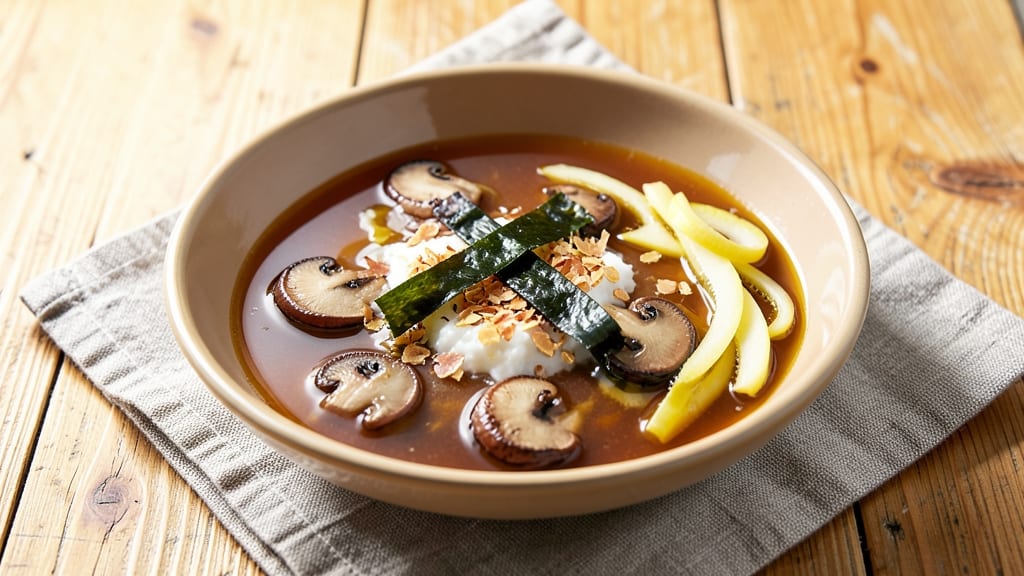
Creating mentsuyu sauce in just 15 minutes unlocks the soul of Japanese ramen with its signature umami depth and clarity. The secret lies in simmering kombu and bonito flakes—a traditional technique that infuses the broth with complex flavors without overpowering bitterness.
I’ve refined this method to deliver restaurant-quality results at home, using simple ingredients and precise timing.
This sauce transforms ordinary ramen into an experience, balancing rich umami with subtle sweetness from vegetables like shiitake mushrooms and garlic. The process is straightforward: simmer kombu and bonito flakes to extract their essence, then strain for a silky, cloud-free broth.
Modern variations often include a touch of soy sauce or mirin for depth, but the core technique remains unchanged.
What you’ll achieve is a clear, aromatic sauce with layers of savory depth that elevate any noodle dish. It’s versatile enough for ramen, dumplings, or even drizzled over grilled fish.
The best part? It keeps well in the refrigerator for up to a week, allowing you to enjoy homemade ramen anytime.
Whether you’re a ramen enthusiast or a home cook looking to elevate simple meals, this sauce delivers professional results with minimal effort. Let’s get started on crafting your own velvety broth.
Ingredients for mentsuyu sauce
Six core ingredients transform simple simmering into restaurant-quality mentsuyu sauce.
| Ingredient | Amount | Notes |
|---|---|---|
| Dried Kombu 🍃 | 2 pieces | Whole sheet, 4x6 inches |
| Bonito Flakes 🐟 | ½ cup | High-quality, no salt added |
| Shiitake Mushrooms 🍄 | 4 whole | Fresh, stems removed |
| Garlic Cloves 🧄 | 3 cloves | Peeled, lightly crushed |
| Fresh Ginger 🌿 | 1 inch | Thinly sliced, peeled |
| White Miso Paste 🍶 | 1 tbsp | High-quality, smooth texture |
| Dashi Granules 💧 | 1 tbsp | Optional, for depth |
| Mirin 🍶 | 1 tbsp | Sweet, non-alcoholic |
| Soy Sauce 🥄 | 1 tbsp | Light, Japanese preferred |
The kombu and bonito are non-negotiable for authentic flavor. Japanese specialty stores carry the best kombu sheets—look for Matsunoya or Marukome brands. Bonito flakes should be light brown, not yellowed or dusty. Fresh shiitake mushrooms add depth, but dried shiitake rehydrated in hot water works too. For garlic and ginger, organic is ideal—their vibrant color means fresher flavor. I always double-check the kombu for any fishy smell before using it, as that’s a red flag for low quality.
No bonito flakes? Dried bonito strips work at half the amount, or dashi granules can substitute for both kombu and bonito. Fresh mushrooms unavailable? Cream mushrooms or even white button mushrooms will do, but shiitake’s earthiness is irreplaceable. Short on mirin? Equal parts sugar and water mimics its sweetness, though the texture won’t be identical. The miso paste should be white, not red—Hokkaido brand is my go-to for that clean umami. For soy sauce, Japanese brands like Kikkoman have the right balance of salt and sweetness.
This sauce is best made fresh but keeps beautifully in the fridge for 5-7 days. Store it in an airtight container with a thin layer of oil on top to preserve the clarity. For longer storage, freeze in ice cube trays—3 months without losing quality. The sauce thickens as it cools, so always reheat gently. I make extra portions and freeze them for quick ramen nights—nothing beats the convenience of homemade broth.
Why You'll Love This Recipe
- No-Fuss Simmer: I swear by this sauce because it’s basically hands-off after the first five minutes. Toss in the kombu and bonito, let the water do the work while you chop the shiitake—no stirring, no stress, just deep umami magic unfolding.
- Umami Bomb: That first sip? Chef’s kiss. The kombu and bonito flakes build this rich, salty-sweet base, while the ginger and garlic hit like a warm hug. It’s the kind of flavor that makes you pause mid-bite and think, “Wait, is this even real?”
- Weeknight to Party: Same sauce, endless uses. Slather it on noodles for a quick dinner, drizzle it over grilled fish for a fancy-ish weeknight meal, or toss it with tofu for a crowd-pleasing veggie dish. Honestly, I’ve used it for all three in the same week.
- Budget Magic: A little goes a long way—this sauce stretches like crazy. Make a double batch, freeze half, and you’ve got a pantry staple that costs pennies per serving. Plus, dried kombu and shiitake are cheaper than fresh, so your wallet (and taste buds) win.
Step-by-step instructions for mentsuyu sauce
This velvety Japanese ramen sauce builds in layers—start with aromatic kombu and bonito, then balance with umami depth.
Simmer Kombu for Umami Foundation
Place the 2 pieces dried kombu in a clean pot and cover with 4 cups water (just enough to submerge). Bring to a gentle boil over medium heat, then immediately reduce to a simmer. Let it cook uncovered for 5 minutes—you'll see the water turn cloudy and develop a seaweed aroma. This step extracts the kombu's natural glutamate, the backbone of mentsuyu's umami.
Here's the thing—don't rush this. The kombu should infuse the water completely, creating a pale, aromatic broth. Remove the kombu immediately after 5 minutes (it's done when the water stops bubbling vigorously). Strain through a fine-mesh sieve into a clean pot, discarding the kombu. This clear, fragrant liquid is your flavor canvas.
Toast Bonito Flakes for Rich Depth
Transfer the strained kombu broth to a saucepan and bring to a gentle simmer over medium-low heat. Add the 0.5 cup bonito flakes in a single layer—they should float on the surface. Watch closely as they begin to sizzle and turn golden brown, about 1-2 minutes. This toasting creates a delicate, smoky aroma and prevents the flakes from dissolving completely.
Real talk: bonito burns fast. As soon as you see the flakes darken and smell intensely nutty, remove the pan from heat immediately. Let the flakes steep in the hot broth for 2 minutes, then strain through a fine-mesh sieve lined with cheesecloth. Discard the bonito flakes—they've done their job. You're left with a golden, aromatic broth that's the heart of your sauce.
Build the Aromatic Base
Return the strained broth to the saucepan and add the 4 whole shiitake mushrooms, 3 cloves garlic cloves, and 1 inch fresh ginger. Bring to a gentle simmer over medium heat and cook for 5 minutes. The mushrooms should soften slightly, the garlic should turn translucent, and the ginger should release its bright aroma. This step develops the sauce's complex flavor profile—don't skip it.
Here's where it gets fun: taste the broth now. You should detect layers of umami from the kombu and bonito, with bright garlic and ginger notes. If the broth tastes too clean, add ½ cup hot water now to adjust consistency. The sauce should coat the back of a spoon but still be pourable. If it's too thin, proceed—we'll thicken it in the next step.
Balance with Miso and Seasonings
Reduce heat to low and whisk in the 1 tbsp white miso paste, 1 tbsp dashi granules, 1 tbsp mirin, and 1 tbsp soy sauce. Stir constantly for 2 minutes until the miso dissolves completely and the sauce thickens slightly. The miso adds earthy depth, while the mirin and soy sauce create the signature sweet-savory balance. This is where mentsuyu transforms from broth to sauce.
I know it seems like too much miso, but trust me—it dissolves completely and adds just the right amount of richness. If the sauce looks too thick, whisk in 1-2 tablespoons hot water to reach your desired consistency. The final sauce should be velvety but still coat a spoon lightly. Taste again and adjust seasoning—you might need a pinch more soy sauce for saltiness or a splash of mirin for brightness.
Finish and Serve Immediately
Strain the sauce through a fine-mesh sieve into a clean pot to remove any mushroom fibers or garlic pieces. Return to low heat and simmer gently for 1-2 minutes to ensure all flavors meld together. The sauce is now complete—bright, umami-rich, and perfectly balanced for ramen or noodle dishes.
Serve the mentsuyu immediately over hot ramen, udon, or even as a dipping sauce for dumplings. The sauce will continue to develop flavor as it sits, so use it within 1 hour for peak freshness. For best results, keep a small pot of simmering kombu broth on hand—you can quickly revive this sauce by adding hot water and a pinch of dashi granules if needed.
Pro Tips For Making Mentsuyu Sauce
- Soak Kombu Properly: Toss that dried kombu into cold water for at least 20 minutes before simmering—it needs to rehydrate fully to release its umami depth. I used to skip this and wondered why my broth always tasted flat; kombu’s magic happens when it’s plump and hydrated, not just dunked.
- Toast Bonito Low: Simmer bonito flakes on low heat—they’ll turn golden and dissolve into flakes, not burn into bitter bits. After burning three batches, I finally figured out that 3-4 minutes at a gentle simmer is all it takes; high heat ruins the delicate flavor.
- Slice Shiitake Thin: Cut dried shiitake against the grain into paper-thin slices—they’ll rehydrate faster and soak up the broth’s flavors like a sponge. Thick slices? They’ll stay chewy and underwhelming. Trust me, a sharp knife and patience here make a real difference.
- Strain Twice: First strain through a fine-mesh sieve to catch big bits, then pour through a cheesecloth-lined strainer for a silky-smooth sauce. Yes, it’s extra work, but skipping this leaves gritty texture that ruins the whole dish—especially when you’re serving it over noodles or rice.
Wine and beer pairings for this dish
Japanese Sake Pairings
Mentsuyu sauce's delicate umami and subtle sweetness pairs beautifully with crisp, dry Japanese sakes. I reach for a Junmai Ginjo like Dassai 18—its clean, fruity notes with hints of citrus and melon complement the sauce's depth without overpowering it.
The slight effervescence cuts through the richness, making each sip refreshing. For a more affordable option, Suntory Tokubetsu Junmai offers excellent balance with its bright acidity and floral undertones. 🍶
Light Lager Complements
If you prefer beer, a crisp Japanese lager like Asahi Super Dry or Sapporo Premium works wonders. Their subtle hop bitterness and clean finish mirror the sauce's clarity while enhancing its umami.
For a local alternative, Yebisu delivers a similar profile with its smooth, slightly malty character. Serve both the sauce and beer slightly chilled (45-50°F) to highlight their refreshing qualities.
Rice Wine Harmony
For a traditional pairing, shochu made from barley or rice (like Hakutsuru Imbe) adds an interesting contrast. The neutral base lets the sauce's flavors shine while the slight warmth from the alcohol enhances the umami.
If you're feeling adventurous, try a sake cocktail—mix equal parts Yamazaki Junmai with a splash of yuzu juice for a bright, citrusy accompaniment that balances the sauce's richness.
Non-Alcoholic Options
Don't overlook sparkling yuzu soda or Japanese melon soda for a refreshing, alcohol-free match. The citrus notes in yuzu soda echo the sauce's bright ginger and garlic undertones, while melon soda's sweetness complements the mirin.
For a more savory option, kombucha with a ginger flavor profile bridges the gap between the sauce's umami and your palate's expectations. 💧
Wine Alternatives
If you're set on wine, opt for a dry Riesling like Dr. Loosen Blue Slate—its crisp acidity and mineral notes create a surprising but harmonious pairing. The wine's slight sweetness won't clash with the mirin in the sauce, while its acidity cleanses your palate between bites.
Avoid heavy reds or oaky whites, as they'll muddy the sauce's delicate flavors.
Serving Temperature Tips
Always serve both the sauce and beverages slightly chilled (45-50°F) to preserve their freshness and highlight their bright, umami qualities. For sake, pour into chilled glasses and let them warm slightly to room temperature before drinking—this enhances the aroma and flavor complexity.
With beer, use tulip-shaped glasses to concentrate the aromas, making each sip more engaging. The right temperature ensures the sauce's flavors remain vibrant throughout your meal. ✨
Nutrition facts
Frequently asked questions
Can I make mentsuyu sauce without bonito flakes?
Yes, but the flavor will be less authentic. Use dried bonito strips (½ the amount) or dashi granules (1 tbsp) to replicate the umami depth. For a vegetarian version, substitute with shiitake extract or a mix of soy sauce and mushrooms, though the texture will differ slightly.
Why does my mentsuyu sauce look cloudy?
Cloudiness usually means the kombu or bonito wasn't strained properly. For crystal-clear sauce, use a fine-mesh sieve lined with cheesecloth> and strain twice. Avoid boiling the broth—simmer gently to prevent breakdown of the delicate particles. If it's slightly cloudy, it's still safe to use!
How long can I store homemade mentsuyu sauce?
In an airtight container in the fridge, it keeps for 5-7 days. For longer storage, freeze in ice cube trays for up to 3 months. To revive frozen sauce, thaw in the fridge overnight and reheat gently—never microwave directly. The flavor actually improves slightly after 24 hours!
Can I use dried shiitake mushrooms instead of fresh?
Rehydrate 4 dried shiitake mushrooms in 1 cup hot water> for 20 minutes, then use the mushrooms and soaking liquid in the recipe. The dried version adds even more umami depth and works perfectly for this sauce. Just strain out the mushrooms before adding the miso.
What's the difference between mentsuyu and tonkotsu ramen broth?
Mentsuyu is a clear, light dipping sauce> made from kombu and bonito, while tonkotsu is a rich, creamy pork-based broth. Mentsuyu focuses on umami clarity, while tonkotsu is heavy and fatty. They serve different purposes—mentsuyu enhances noodles, while tonkotsu is the star of the dish.