
Sauces & Condiments
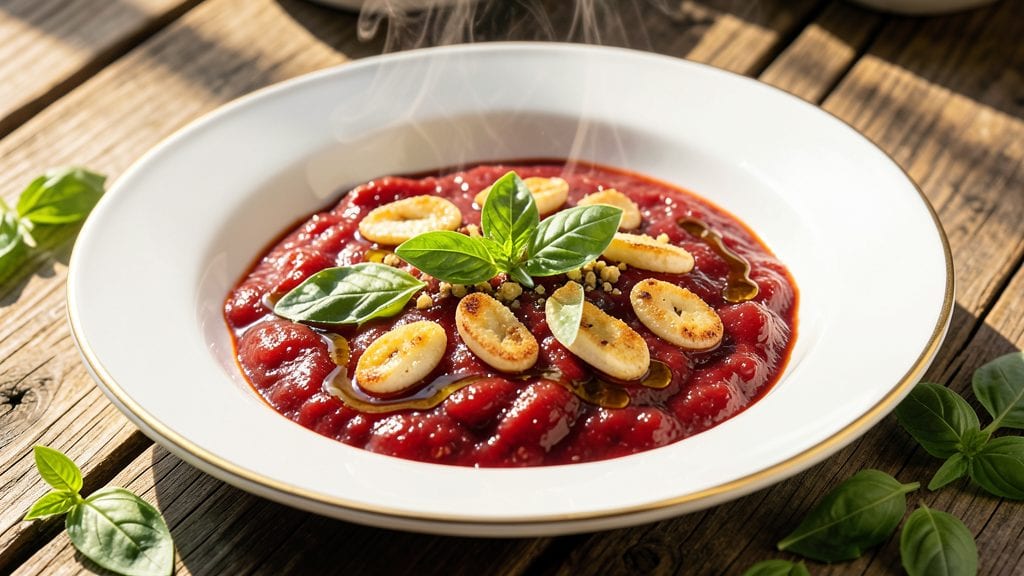
Crafting an authentic Napolitana sauce recipe starts with San Marzano tomatoes—those plump, sweet Italian varieties that transform simple ingredients into liquid gold. The key lies in slow simmering, where garlic and fresh basil infuse the sauce with bright, aromatic depth without overpowering its natural sweetness.
I’ve perfected this technique over years, ensuring every spoonful delivers that perfect balance of acidity and richness.
This sauce isn’t just for pasta—it elevates pizza, bruschetta, or even as a dipping sauce for crusty bread. The secret? A low-and-slow cook that lets flavors meld naturally, while a touch of olive oil and a pinch of oregano add that signature Neapolitan warmth.
No shortcuts here; patience is what turns a basic tomato sauce into something extraordinary.
By the time you’re done, you’ll have a velvety, deeply flavorful sauce with just the right texture—smooth enough to coat, yet vibrant enough to taste fresh.
The aroma alone will have everyone asking for seconds, and the versatility means it works for everything from classic spaghetti to modern twists like roasted pepper or chili flake variations.
Ready to make this sauce your new kitchen staple? Let’s get started with the ingredients and steps that bring Naples to your table.
Ingredients for napolitana sauce
Nine ingredients. One pot. The secret to authentic Neapolitan flavor starts here.
| Ingredient | Amount | Notes |
|---|---|---|
| San Marzano Tomatoes 🍅 | 28 oz | Whole, peeled if preferred |
| Extra-Virgin Olive Oil 🫒 | ½ cup | High-quality, fruity variety |
| Garlic Cloves 🧄 | 4 cloves | Fresh, peeled, thinly sliced |
| Fresh Basil Leaves 🌿 | ½ cup | Packed, stems removed |
| Red Wine Vinegar 🍷 | 1 tbsp | For brightness |
| Dried Oregano 🌿 | ½ tsp | Italian or Mediterranean |
| Sea Salt 🧂 | 1 ½ tsp | Diamond Crystal preferred |
| Granulated Sugar 🍬 | ½ tsp | Balances acidity |
| Black Pepper 🌶️ | ¼ tsp | Freshly cracked |
San Marzano tomatoes are non-negotiable—their natural sweetness and low acidity make all the difference. Trader Joe's and Whole Foods carry them year-round, but if you can't find them, Italian specialty stores are your best bet. The key is using whole tomatoes—crush them by hand for better texture. For garlic, fresh is a must—jarred minced loses its punch. I always grab a big bunch of basil too, since half gets torn for garnish and the rest goes into the sauce. If you're using dried oregano, Italian or Mediterranean blends work best—none of that Mexican stuff.
No San Marzano tomatoes? Roma tomatoes work in a pinch, but you'll need to add a pinch more sugar to balance the acidity. Fresh basil wilting? Dried oregano at half the amount keeps the flavor profile close. The red wine vinegar might seem like overkill, but it's what gives that signature tang. Balsamic vinegar in a pinch, though it'll taste slightly different. For the olive oil, avoid the cheap stuff—this is where you taste the difference. If you're making a big batch, double the garlic and basil—they're the flavor anchors here. And yes, you can use jarred marinara as a base, but you'll miss the fresh tomato depth.
This sauce keeps beautifully—5-7 days in the fridge once cooled, or up to 6 months frozen in ice cube trays. The longer it sits, the better it tastes as flavors meld. I always make extra and freeze portions for lazy weeknights. For reheating, low heat is key—you don't want to kill those delicate tomato flavors. If it thickens too much, just add a splash of water or pasta water. And trust me, the first time you serve this sauce over al dente spaghetti with fresh basil on top, you'll never go back to jarred again.
Why You'll Love This Recipe
- No-Chop Required: I swear by this—just crush the garlic cloves with the flat side of my knife, toss them in with the whole basil leaves, and let the heat work its magic. No peeling, no dicing, no fuss. The tomatoes break down beautifully on their own.
- Sunshine in a Jar: That first crack of red wine vinegar brightens everything up, cutting through the richness of the olive oil like a summer breeze. The San Marzano tomatoes? Sweet, meaty perfection—no watery mush here. It’s the kind of sauce that makes you pause mid-bite and think, "Wait, is this even real?"
- Weeknight to Dinner Party: Between us, this sauce is my lazy Sunday secret weapon. Drizzle it over crusty bread for a quick lunch, toss it with pasta for a 20-minute dinner, or serve it chilled in tiny jars at your next gathering. Honestly, I’ve used it for everything from bruschetta to pizza, and no one’s ever questioned me.
- Budget-Friendly Luxury: I buy San Marzano tomatoes in bulk—cheaper than pre-made sauces, and they last forever in the pantry. A splash of vinegar and a handful of basil turn basic pantry staples into something that tastes like you slaved over it. Plus, leftovers? They only get better with time.
Step-by-step instructions for San Marzano tomato velocity with garlic & basil
Here's how to build a bright, balanced Napolitana sauce that captures all the freshness of summer in every spoonful.
Prepare the Tomatoes for Maximum Flavor
Start by peeling the 28 oz San Marzano tomatoes if you prefer a smoother texture—simply blanch them in boiling water for 30 seconds, then shock in ice water. Cut them in half crosswise and remove the seeds with your fingers. This step ensures you're working with clean, pulp-rich tomatoes that will give you a velvety sauce without any bitterness.
Transfer the prepared tomatoes to a food processor or high-powered blender. Pulse until you achieve a smooth consistency—you want a texture that's still slightly rustic, not completely silky. The natural acidity of San Marzano tomatoes needs this slight roughness to provide structure. If you prefer a completely smooth sauce, blend until completely homogeneous, but I find this slightly textured version holds up better when paired with pasta.
Develop the Base with Olive Oil and Garlic
Heat the 0.5 cup extra-virgin olive oil in a heavy-bottomed saucepan over medium-low heat. The key here is patience—you want the oil to shimmer gently, not smoke. Add the 4 cloves thinly sliced garlic cloves and cook for 2-3 minutes until they're just beginning to turn golden around the edges. This gentle cooking prevents the garlic from burning while allowing its sweet, mellow flavor to develop.
Here's the thing—don't walk away. Garlic burns faster than you think, and once it's browned, it turns bitter. You'll know it's ready when the edges are golden but the center still has a bit of green. Remove the pan from heat immediately after this point to preserve the garlic's delicate flavor.
Combine and Simmer the Sauce
Add the blended tomatoes to the garlic-infused oil, stirring to combine. Increase heat to medium and bring the sauce to a gentle simmer. Add the 1 tbsp red wine vinegar, 0.5 tsp dried oregano, 1.5 tsp sea salt, and 0.5 tsp granulated sugar. The vinegar brightens the sauce while the sugar helps balance the natural acidity of the tomatoes—a crucial step that prevents the sauce from tasting too sharp.
Let the sauce simmer uncovered for 20-25 minutes, stirring occasionally. You're looking for the sauce to reduce by about one-third, developing a thicker, more concentrated flavor. The sugar will dissolve completely, and the oregano will infuse its earthy notes. Taste occasionally during this time—this is when you can adjust the seasoning if needed, though with quality San Marzano tomatoes, you shouldn't need much.
Finish with Fresh Basil and Black Pepper
Once the sauce has reduced, remove it from heat and stir in the 0.5 cup fresh basil leaves. The heat will release their essential oils, infusing the sauce with that bright, herbal freshness that defines Napolitana. Let the basil steep for 2-3 minutes, then remove the leaves with a slotted spoon—you want the flavor, not the texture.
Finish with the 0.25 tsp freshly cracked black pepper. The pepper adds a subtle heat that cuts through the richness of the sauce. Give it one final taste and adjust the seasoning if needed—you might want to add a pinch more salt or a splash more vinegar to perfect the balance. The sauce should be bright, balanced, and full of layered flavors that make every bite sing.
Rest and Serve
Let the sauce rest for 10-15 minutes before serving. This resting period allows all the flavors to meld together and the sauce to reach its ideal consistency. The acidity will mellow slightly, and the garlic flavor will deepen. Serve immediately over your favorite pasta or use it as a base for other Italian dishes like lasagna or stuffed shells.
This sauce keeps its vibrant character when stored in an airtight container in the refrigerator for up to 5 days or frozen for up to 3 months. The flavors actually deepen over time, making it perfect for meal prep. Just reheat gently on the stove, stirring occasionally, until warmed through—never boil, as this can break down the delicate flavors you've worked so hard to develop.
Pro Tips For Making Napolitana Sauce
- CRUSH THE GARLIC: Smash those cloves with the flat side of your knife first—no chopping needed. I learned this the hard way after burning my sauce from mincing garlic in olive oil too fast. A quick smash releases flavor without the bitterness, and it cooks in seconds.
- SIMMER LOW AND SLOW: After the initial 10 minutes of cooking, drop the heat to a bare simmer—just enough to keep tiny bubbles breaking the surface. I used to rush it, and the sauce turned mealy instead of velvety. Patience here makes all the difference.
- PEEL TOMATOES FIRST: Run whole San Marzano tomatoes under hot water for 30 seconds, then shock in ice. The skins slip off like magic—no peeling mess. I skip this step sometimes, and the sauce ends up with bitter, chewy bits. Worth the extra minute.
- ADD VINEGAR LAST: Stir in the red wine vinegar just before serving—no earlier. It brightens the sauce, but too much time kills the freshness. My grandmother swore by this, and she was right: the acidity needs to hit at the peak of flavor.
Dietary considerations for this napolitana sauce
Gluten-Free Adaptation
This sauce is naturally gluten-free, but always double-check your ingredients—especially dried herbs and spices. Some brands add anti-caking agents with gluten. I use Penzeys Spices for their certified gluten-free Italian seasoning blends.
The only potential concern is if you're using a store-bought tomato paste as a thickener, so stick to fresh tomatoes or certified gluten-free canned versions. 🌱
Dairy-Free Considerations
The original recipe is completely dairy-free, but if you're serving it with cheese-loving guests, consider adding a sprinkle of grated Parmesan or Pecorino Romano at the table. For a dairy-free option, try a nutritional yeast sprinkle (about 1 tsp)—it adds a cheesy umami note without lactose.
Always check labels on dried oregano and other seasonings for hidden dairy traces.
Low-Sugar Options
If you're watching sugar intake, reduce the granulated sugar to ¼ tsp or omit it entirely—the San Marzano tomatoes already provide natural sweetness. For extra depth, add ½ tsp balsamic glaze after cooking instead.
The vinegar's acidity will help balance any perceived lack of sweetness while maintaining that classic Napolitana brightness. 💡
Vegan-Friendly Adjustments
This sauce is already vegan, but if you're using anchovies in other recipes, keep them separate. For a seafood-free version, add 1 tsp smoked paprika during the simmer to enhance depth.
I also recommend using a vegan olive oil (some refined oils are processed with animal products)—Bertolli or Colavita brands are reliable choices.
Allergen-Free Tips
Watch for hidden allergens in dried oregano and sea salt—some brands process with soy or other allergens. I recommend Morton Kosher Salt and McCormick Italian Seasoning (both labeled allergen-free).
For nut-free kitchens, avoid garnishing with pine nuts and stick to fresh basil or parsley. Always read labels carefully, especially when using pre-made ingredients. ✨
Nutrition facts
Frequently asked questions about Napolitana sauce
Why does this sauce taste different from store-bought marinara?
Authentic Napolitana sauce uses San Marzano tomatoes—their natural sweetness and low acidity create a deeper, more complex flavor than most canned tomatoes. The slow simmer and fresh basil infusion give it that bright, aromatic character you won't find in jarred versions. Plus, we balance acidity with sugar and vinegar instead of relying on preservatives.
Can I make this sauce without fresh basil?
Yes, but the flavor will be less vibrant. Use 1 tsp dried basil instead, but add it at the end with the pepper. For extra depth, try ½ tsp dried marjoram—it's a traditional Italian herb that pairs beautifully. Just know the sauce won't have that fresh, herbal brightness that makes Napolitana special.
How do I prevent the sauce from becoming too acidic?
The sugar and vinegar balance is key—don't skip either! If your tomatoes are extra tart (like some Roma varieties), reduce the vinegar to ½ tbsp and increase sugar to 1 tsp. For a smoother finish, simmer the sauce longer (30-40 minutes) to let flavors meld. Taste frequently during cooking to adjust as needed.
What's the best pasta to pair with this sauce?
Spaghetti or linguine are classic choices, but bucatini or pappardelle work beautifully too. For extra texture, try orecchiette—the ridges catch the sauce perfectly. Avoid thick, dense pastas like rigatoni, as they can overwhelm the sauce's delicate balance.
Can I make this sauce in a slow cooker?
Yes! Combine all ingredients in your slow cooker and cook on low for 4-5 hours or high for 2-3 hours. The long cook time intensifies flavors, but you may need to add 1 tbsp water if it gets too thick. Remember to add fresh basil and pepper at the very end, as they won't withstand the extended cooking time.