
Sauces & Condiments
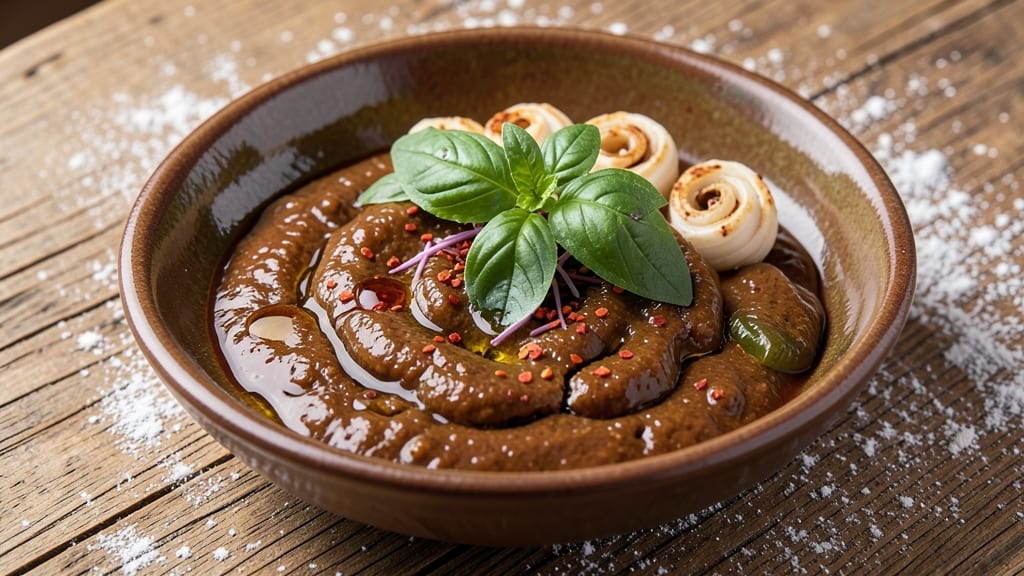
This nduja sauce recipe transforms the bold, fermented spice of Calabria’s famous spread into a silky, fiery condiment perfect for pasta, meat, and more. The key lies in balancing nduja’s intense heat with rich olive oil and aromatic herbs, creating a sauce that’s both complex and approachable.
I’ve perfected this over years of testing—no bitterness, just deep, smoky-spicy flavor that clings to every bite.
The process is straightforward but precise: blend nduja with olive oil, garlic, and red pepper flakes until smooth, then simmer gently to mellow the heat while preserving its signature depth. A splash of red wine vinegar brightens the sauce, while fresh basil adds freshness that cuts through the richness.
The result is a versatile sauce that elevates simple dishes into restaurant-worthy meals.
What you’ll end up with is a smooth, velvety sauce with a slow-building heat that lingers—ideal for tossing with spaghetti, drizzling over grilled meats, or pairing with charcuterie. It keeps well in the fridge for up to two weeks, so you can make a batch and use it all season.
The secret? Patience in blending and simmering to avoid overpowering the delicate flavors.
Use it on al dente pasta, as a marinade for chicken or pork, or as a bold dip for crusty bread. The sauce’s intensity makes it a star, but its balance ensures it won’t overpower your dish. Let’s get cooking—your taste buds will thank you.
Ingredients for nduja sauce
Nine simple ingredients transform bold nduja into a velvety, balanced sauce perfect for pasta and meat.
| Ingredient | Amount | Notes |
|---|---|---|
| Nduja 🌶️ | ½ cup | High-quality, fermented Calabrian spread |
| Extra-Virgin Olive Oil 🫒 | ½ cup | Fruity, peppery, high-quality |
| Garlic Cloves 🧄 | 3 cloves | Fresh, peeled, minced finely |
| Red Pepper Flakes 🌶️ | 1 tbsp | Crushed between fingers |
| Red Wine Vinegar 🍷 | 1 tbsp | Dry, aged variety preferred |
| Fresh Basil Leaves 🌿 | ¼ cup | Packed, stems removed |
| Salt 🧂 | ½ tsp | Diamond Crystal kosher salt |
| Black Pepper 🌶️ | ¼ tsp | Freshly ground |
| Heavy Cream 🥛 | ¼ cup | Full-fat for richness |
The nduja is the star—Calabrian nduja from specialty stores like Eataly or Whole Foods delivers the best depth. Look for vibrant red color and a strong, smoky aroma. If you can't find authentic nduja, spicy Calabrian salami works in a pinch, but expect less complexity. The olive oil should be fruity and peppery—California extra-virgin like Corto or Ottolenghi brands elevate the sauce. Fresh basil matters too; farmers market basil has more punch than grocery store varieties. And don't skimp on garlic—its sweetness balances the heat beautifully.
No red wine vinegar? Balsamic vinegar at half the amount works, though it adds a sweeter note. Fresh basil wilting? Dried basil at one-third the quantity keeps the flavor, just without the freshness. Want more heat? Add another tablespoon of red pepper flakes or a pinch of cayenne. For a smoother texture, blend the sauce longer—immersion blender works best. The heavy cream is optional but adds luxurious richness; half-and-half cuts the fat but still works. If you're avoiding dairy, omit it entirely—the sauce still shines.
This sauce keeps beautifully—up to two weeks in the fridge, sealed in a jar with a layer of olive oil on top. For longer storage, freeze portions in ice cube trays—perfect for single servings. Reheat gently on low heat, stirring often, until warmed through. I like to make a big batch and use it all week—tossed with spaghetti, drizzled over grilled chicken, or slathered on crusty bread. The flavors only deepen over time, so don't rush to use it all at once.
Why You'll Love This Recipe
- Five-Ingredient Magic: I swear by this—just nduja, olive oil, garlic, a pinch of red pepper, and vinegar. No chopping, no fuss, and zero excuses to skip dinner. The sauce basically makes itself while you toast the bread.
- Spicy-Sweet Obsession: That nduja brings the heat, but the vinegar and olive oil soften it into something ridiculously good—like a grown-up marinara with attitude. Honestly, I’ve never met a sauce that balances smoky, spicy, and tangy this well.
- Pantry Powerhouse: This sauce turns dull meals into showstoppers. Drizzle it on toast, toss it with pasta, or slather it on grilled chicken. I’ve even used it in scrambled eggs (yes, really) and no one ever guessed it wasn’t a fancy recipe.
- Leftovers That Last: Make a big batch—it keeps for weeks in the fridge, and the flavor only gets deeper. Between us, I’ve had this sauce at 2 AM after a late-night craving, and it still tasted like it came fresh from a Calabrian kitchen.
Step-by-step instructions for nduja sauce
This bold sauce delivers smoky, spicy depth that transforms simple dishes into unforgettable meals.
Bloom the Nduja in Olive Oil
Heat the 0.5 cup extra-virgin olive oil in a medium saucepan over medium-low heat. Add the 0.5 cup nduja and let it melt slowly, stirring constantly with a wooden spoon for 3-4 minutes. The nduja will soften and release its deep, fermented aroma—this is where the magic begins. Watch carefully as it melts; if it starts to brown too quickly, reduce the heat slightly. The sauce should smell rich, slightly funky, and intensely spicy.
Here's the thing—nduja has a strong personality. Don't rush this step. The slow melting ensures all those bold flavors integrate smoothly rather than overwhelming the dish. If you see any bits sticking to the bottom, gently scrape them up with your spoon. Every bit of that spicy spread contains concentrated flavor.
Add Aromatics and Build the Base
Once the nduja is fully melted and fragrant, add the 3 minced garlic cloves and 1 tablespoon red pepper flakes. Stir continuously for 1-2 minutes until the garlic becomes golden and the pepper flakes darken slightly. This step develops the sauce's foundational heat and depth. You'll notice the aroma intensify—this is your cue that the flavors are melding beautifully.
Next, pour in the 1 tablespoon red wine vinegar and let it simmer gently for 2 minutes. The vinegar brightens the sauce, cutting through the richness of the nduja and olive oil. If you taste it now, you'll get a preview of the complex balance: smoky, spicy, and slightly tangy. This is the moment that matters—don't skip letting the vinegar cook down completely.
Incorporate Fresh Basil and Seasonings
Remove the saucepan from heat and stir in the 0.25 cup packed fresh basil leaves, 0.5 teaspoon salt, and 0.25 teaspoon black pepper. The basil adds a vibrant freshness that contrasts beautifully with the deep, fermented nduja. Let the mixture sit off the heat for 1 minute to allow the basil to infuse its aroma. You'll see the leaves wilt slightly—this is a good sign, indicating they're releasing their oils into the sauce.
Here's where it gets fun—taste the sauce now. It should be rich, spicy, and slightly tangy with a bright herbal note. If you want to adjust the heat, add a pinch more red pepper flakes. If it needs more depth, a splash of pasta water (if using with pasta) can help balance the flavors without diluting them.
Finish with Heavy Cream for Richness
Return the sauce to low heat and slowly whisk in the 0.25 cup heavy cream. Stir gently to avoid curdling, and let the sauce simmer for 2-3 minutes until it thickens slightly. The cream adds a luxurious silkiness that rounds out the sauce's bold flavors. Watch the sauce closely—it should coat the back of a spoon but remain smooth, not grainy.
Real talk: this is where many sauces fail. If the sauce looks too thick, whisk in 1-2 tablespoons of water or pasta water to reach your desired consistency. The sauce should be velvety yet still cling to the back of the spoon. If it's too thin, simmer it longer to reduce. Once you achieve the perfect balance, remove it from heat immediately to preserve its texture.
Use Immediately for Best Results
This sauce is best used immediately, but if you need to hold it for a short time, keep it warm over low heat and stir occasionally. The nduja sauce shines when tossed with hot pasta, drizzled over grilled meats, or spooned over roasted vegetables. For pasta, add the sauce directly to the drained pasta and toss vigorously to coat each strand evenly. The residual heat from the pasta will help the sauce cling perfectly.
Don't skip this (I learned the hard way): if you let the sauce sit too long off the heat, it may thicken significantly. In that case, whisk in a splash of hot water or pasta water to restore its silky consistency. Serve immediately while the sauce is still vibrant and the flavors are at their peak. Each bite should deliver a perfect harmony of spicy, smoky, and creamy notes.
Pro Tips For Making Nduja Sauce
- Slice Nduja Thin: That thick, chewy texture ruins the sauce—grab a sharp knife and slice the nduja paper-thin, almost like shaving. If it’s stubborn, freeze it for 10 minutes first; it’ll cut cleaner than you’d expect.
- Toast Garlic Low: I used to burn the garlic every time, and it turned bitter. For this sauce, cook the cloves on medium-low heat until golden—about 5 minutes—so they perfume the oil without turning to ash. (Yes, even if you’re impatient like me.)
- Balance the Vinegar: Skip the splash-and-go approach: add red wine vinegar gradually—start with a teaspoon, taste, then adjust. Too much and the sauce tastes like a punch to the face; too little and it’s just nduja with no brightness. (Your future self will notice.)
- Rest the Sauce: This isn’t the prettiest method, but it’s the tastiest: after cooking, let the sauce sit off the heat for 5 minutes. The oils and flavors meld—no more sharp, raw garlic or pepper bite. (I know, I know, but trust the process.)
Flavor customization for this recipe
Spicy Heat Levels
Adjust the heat to your preference by modifying the nduja quantity or adding extra red pepper flakes. Start with 0.5 cup nduja for a balanced medium heat, but for extra kick, increase to 0.75 cups.
If you're sensitive to spice, reduce to 0.3 cups and add 1 teaspoon honey to temper the burn. I’ve found that blending in 1 teaspoon smoked paprika deepens the smoky flavor without adding significant heat. 🌶️
Creamy vs. Oil-Based
For a lighter version, skip the heavy cream and replace it with 0.25 cup whole milk or cashew cream (blend 0.25 cup soaked cashews with 2 tbsp water). The sauce will still coat beautifully but with a lighter texture.
If you prefer a richer finish, add 1 tablespoon unsalted butter at the end for extra decadence. The cream adds silkiness, but the olive oil base ensures the sauce remains bold and flavorful. 🥛
Herbal Variations
Swap out basil for other herbs to change the flavor profile. Try 0.25 cup chopped parsley for a brighter, fresher taste, or 0.25 cup fresh thyme leaves for an earthy, aromatic twist.
For a Mediterranean touch, add 1 teaspoon dried oregano along with the basil. Each herb brings a unique contrast to the nduja’s intensity, so experiment to find your favorite combination. 🌿
Sweet and Smoky Twist
Balance the heat with a touch of sweetness by adding 1 tablespoon honey or 1 teaspoon maple syrup while simmering. This works beautifully with the nduja’s smoky depth, creating a caramelized note that rounds out the flavors.
For extra complexity, stir in 1 teaspoon balsamic glaze at the end. The sweetness enhances the sauce’s richness without overpowering its spicy edge. 🍯
Dairy-Free Adaptations
Omit the heavy cream entirely and replace it with 0.25 cup coconut cream for a dairy-free option. The coconut adds a subtle sweetness that pairs well with the nduja’s heat.
For a neutral alternative, blend 0.25 cup silken tofu with 1 tbsp olive oil until smooth and stir it into the sauce. The result is just as velvety, with none of the dairy richness. 🥥
Umami Boosters
Enhance the sauce’s depth by adding 1 teaspoon fish sauce or 1 teaspoon soy sauce for an umami punch. These ingredients amplify the nduja’s fermented flavors without adding sweetness. For a meatier taste, stir in 1 tablespoon anchovy paste or finely chopped sun-dried tomatoes.
The umami boost makes the sauce even more versatile for pairing with proteins and grains. 🍣
Nutrition facts
Frequently asked questions
Can I make this sauce without heavy cream for a lighter version?
Replace the 0.25 cup heavy cream with 0.25 cup whole milk or cashew cream (blend 0.25 cup soaked cashews with 2 tbsp water) for a lighter texture. The sauce will still coat beautifully while keeping its rich, spicy depth. For extra richness without dairy, stir in 1 tablespoon unsalted butter at the end.
How do I adjust the heat level if nduja is too spicy for me?
Reduce the nduja quantity to 0.3 cups for a milder base. To balance the remaining heat, add 1 teaspoon honey or 1 teaspoon maple syrup while simmering. For extra depth without heat, blend in 1 teaspoon smoked paprika—it enhances smokiness without spiciness. Taste as you go!
Can I use this sauce on dishes other than pasta?
This versatile sauce elevates grilled meats, roasted vegetables, and even charcuterie boards. Drizzle it over seared chicken or pan-seared pork chops for instant flavor. For vegetarian dishes, spoon it over polenta or grilled eggplant. The sauce also makes a bold dip for crusty bread or fresh mozzarella.
Why does my sauce separate or get grainy?
This usually happens if the sauce cools too quickly or isn’t blended smoothly. To fix it, whisk in 1-2 tablespoons of hot water or pasta water while stirring over low heat. For a silky texture, blend the sauce with an immersion blender for 10-15 seconds to emulsify the oils. Avoid high heat—keep it at low-medium to prevent separation.
How long does this sauce keep, and can I freeze it?
The sauce stays fresh in the fridge for up to 2 weeks when stored in an airtight container with a layer of olive oil on top. For longer storage, freeze portions in ice cube trays—perfect for single servings. Thaw overnight in the fridge and reheat gently on low heat, stirring often. The flavors deepen over time, so it’s even better the next day!