
Sauces & Condiments
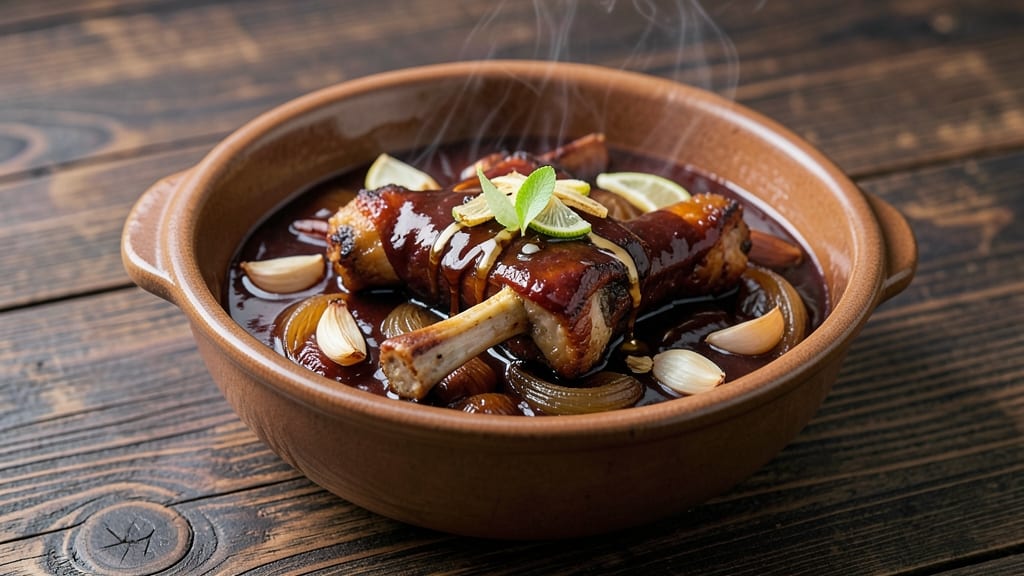
Transforming humble oxtail bones into a deep umami sauce is one of the most rewarding cooking techniques I’ve mastered—it turns simple ingredients into a restaurant-quality condiment that elevates everything from braises to dumplings.
The secret lies in slow simmering, where collagen-rich bones dissolve into a velvety, aromatic sauce packed with layers of savory depth. This isn’t just a sauce; it’s a flavor multiplier that turns ordinary dishes into something extraordinary.
What sets this oxtail sauce apart is its rich, caramelized texture and the way it clings to food, infusing every bite with umami intensity. Unlike store-bought versions, this recipe builds flavor from scratch—starting with a deep, bone-infused broth and finishing with a silky reduction that’s perfect for drizzling or braising.
The process requires patience, but the result is a sauce so versatile it works as a dipping sauce, a glaze, or a base for soups.
By the time you’re done, you’ll have a deep amber sauce with a glossy sheen and a taste that lingers long after the last bite. The key steps—simmering, skimming, and reducing—ensure a smooth, velvety consistency without any bitterness.
This sauce keeps well in the fridge for up to a week, making it a pantry staple for anyone who loves bold, umami-rich flavors.
Whether you’re finishing a braised dish, adding richness to stir-fries, or serving it alongside dumplings, this oxtail sauce delivers professional-level depth with minimal effort. Let’s get started on creating your own velvety, bone-infused masterpiece.
Ingredients for oxtail sauce
Nine ingredients transform humble bones into velvety umami perfection—no shortcuts, just deep flavor.
| Ingredient | Amount | Notes |
|---|---|---|
| Oxtail Bones 🦴 | 2 ½ lb | Cut into 2-inch pieces for even cooking |
| Yellow Onion 🧅 | 1 whole | Chopped into 1/2-inch pieces |
| Garlic Cloves 🧄 | 8 cloves | Smash lightly before adding |
| Fresh Ginger 🌿 | ½ cup | Finely grated, skin on for texture |
| Tomato Paste 🍅 | ½ cup | High-quality, no sugar added |
| Dry Sherry 🍷 | ½ cup | Or substitute with red wine |
| Beef Broth 💧 | 4 cups | Low-sodium preferred |
| Dark Soy Sauce 🍶 | 2 tbsp | For deep umami flavor |
| Hoisin Sauce 🍜 | 1 tbsp | Adds sweet-savory depth |
| Honey 🍯 | 1 tbsp | Balances acidity |
The oxtail is non-negotiable—look for bones with good marbling at specialty butchers or Asian markets. Costco or Whole Foods often carry pre-cut oxtail if you're short on time. Fresh ginger should smell citrusy and bright; avoid knobby, dry roots. For the tomato paste, San Marzano or Muir Glen brands deliver the best consistency. The dry sherry adds complexity—Folsom or Beringer are reliable choices, but any decent table wine works in a pinch. If you can't find hoisin, substitute with 1 tbsp soy sauce plus 1 tsp brown sugar.
No sherry? Substitute with beef broth plus 1 tsp balsamic vinegar for acidity. Fresh ginger too pungent? Powdered ginger at half the amount works, but it lacks the same depth. The tomato paste can be replaced with 1 cup crushed tomatoes, though the sauce will be slightly thinner. For extra richness, add 1 tbsp fish sauce—it disappears but amplifies umami. If you're making this ahead, reduce the honey to 1 tsp and add it back later to preserve freshness. The dark soy sauce is key—Lee Kum Kee is the gold standard, but any quality brand works.
This sauce tastes even better the next day as flavors meld. Store in an airtight container for up to 1 week in the fridge, or freeze for 3 months. For long-term storage, portion into ice cube trays before freezing—perfect for single-use applications. The sauce thickens as it cools, so add 1-2 tbsp water when reheating if needed. Drizzle over everything from noodles to dumplings for instant restaurant-quality depth.
Why You'll Love This Recipe
- One-Pot Magic: I swear by this—just toss oxtail, onions, and ginger into a pot, let it simmer, and walk away. No chopping mountains of veggies or fussing with multiple pans. The bones melt into rich sauce while I’m still deciding what to watch on TV.
- Umami Bomb: That first bite? Chef’s kiss. The oxtail’s deep, meaty flavor marries with caramelized onions and a whisper of ginger—sweet, spicy, and savory all at once. Tomato paste ties it together like a cozy blanket on a cold night.
- Leftovers That Shine: Between us, this sauce only gets better after day two. Toss it over rice, noodles, or even toast for breakfast (yes, really). I make a double batch every time because I’ll be sneaking it into meals for a week.
- Budget Feast: Oxtail bones stretch into mountains of sauce for pennies. A single cut costs less than chicken thighs but delivers restaurant-quality richness. Honestly, it’s my go-to for feeding a crowd without breaking the bank.
Step-by-step instructions for slow-simmered oxtail sauce
This method transforms tough oxtail bones into velvety, umami-rich sauce through patience and technique.
Prepare the Oxtail Bones and Aromatics
Cut the 2.5 lb oxtail bones into 2-inch pieces using a heavy knife or cleaver. The goal is to expose the marrow-rich interior while maintaining manageable chunks. Pat each piece dry with paper towels—this prevents steam buildup that would dilute your sauce later.
In a large Dutch oven, combine the chopped 1 whole yellow onion and the 8 lightly smashed garlic cloves. Add the 0.5 cup finely grated fresh ginger (skin on for texture) and stir to coat the aromatics in their own oils. Cook over medium heat for 5-6 minutes until the onion softens and begins to caramelize at the edges. This foundational flavor will carry through your entire sauce.
Sear the Oxtail and Build the Base
Increase heat to medium-high and add the oxtail pieces in batches, leaving space between them. Sear for 3-4 minutes per side until deeply browned—this Maillard reaction creates the sauce's deep, complex flavor. Work in batches if needed, but don't overcrowd the pan or you'll steam instead of brown.
Once all pieces are browned, reduce heat to medium-low and stir in the 0.5 cup tomato paste, spreading it evenly over the bones. Cook for 2 minutes until it darkens slightly, then pour in the 0.5 cup dry sherry. Scrape up any browned bits from the bottom with a wooden spoon—these contain concentrated flavor that would otherwise go to waste.
Simmer with Broth and Seasonings
Add the 4 cups beef broth, bringing the mixture to a gentle simmer. The liquid should just cover the oxtail pieces—if it's too shallow, add a splash of water. Partially cover the Dutch oven and simmer for 2 hours at a barely perceptible bubble, stirring occasionally. This slow cook transforms collagen into gelatin, creating the sauce's signature silkiness.
After 2 hours, skim off any foam that rises to the surface with a ladle. Then stir in the 2 tbsp dark soy sauce and 1 tbsp hoisin sauce, letting them meld into the simmering liquid. The soy sauce adds umami depth while the hoisin contributes sweet-savory balance. Taste the sauce now—it should be rich but still developing its full complexity.
Finish with Honey and Reduce
Add the 1 tbsp honey and simmer uncovered for an additional 30-45 minutes, reducing the sauce until it coats the back of a spoon. The oxtail should be fork-tender, falling apart easily when pierced. If the sauce reduces too quickly, add 2-3 tablespoons of water to maintain balance.
Strain the sauce through a fine-mesh sieve into a clean saucepan, pressing gently on the solids to extract maximum flavor. Discard the oxtail pieces unless you're using them for another purpose. The finished sauce should be glossy with a velvety texture, balancing sweet, salty, and umami notes. For best results, let it cool slightly before serving over rice or noodles.
Pro Tips For Making Oxtail Sauce
- BLISTER THE TAILS FIRST: I learned this the hard way—skip the slow start. Sear the oxtail bones in batches over high heat until the fat sizzles and the meat develops a deep brown crust. This isn’t just for flavor; it locks in the collagen that’ll melt into your sauce later. (Yes, even if you’re impatient like me, don’t rush this.)
- GRATE THAT GINGER FINE: Fresh ginger is non-negotiable here, but don’t just chop it—grate it so fine it’s almost paste-like. The finer it is, the faster it dissolves into the sauce without leaving gritty bits. I used to overlook this, and my sauce always tasted like it was missing something.
- DEGLAZE WITH WHISKY OR SOY: After browning the onions and garlic, don’t just splash in water—use a splash of whisky (even cheap stuff) or soy sauce. The alcohol burns off, but the caramelized residue adds depth. Skip this? Your sauce will taste flat, like it’s missing a soul.
- LOW AND SLOW ISN’T LOW ENOUGH: Once you add the tomato paste and liquids, drop the heat to a simmer so low it’s almost lazy. If it’s bubbling hard, you’re cooking too fast, and the sauce will turn gluey instead of rich. I used to walk away, only to come back to a sad, thickened mess—now I babysit it.
Common mistakes when making this dish
Skipping the Sear
One of the biggest mistakes is skipping the sear on the oxtail bones. Without this critical step, you miss the Maillard reaction that develops deep, caramelized flavors. I’ve made this sauce without searing, and the result is a noticeably less complex sauce.
Use a heavy Dutch oven and work in batches to get proper browning—don’t rush this step. 🔥
Not Skimming the Foam
Foam that rises during simmering contains impurities that can make your sauce cloudy or bitter. I learned this the hard way—my first attempt had a slightly off texture because I didn’t skim.
Use a ladle to remove foam every 30 minutes during the 2-hour simmer. This keeps your sauce clear and velvety.
Overcrowding the Pot
Adding too many oxtail pieces at once leads to steaming instead of searing, which dilutes flavor. I once tried cooking all 2.5 lbs at once, and the sauce ended up watery and bland. Work in batches—sear 4-5 pieces at a time—to ensure proper browning and even cooking.
Rushing the Simmer
The sauce needs time to develop its rich, umami depth. I’ve seen recipes that cut the simmer time to 1 hour, but the collagen doesn’t fully break down, leaving the sauce thin and underdeveloped.
Stick to the 2-hour simmer at a gentle bubble—patience is key here. A meat thermometer helps track progress; the oxtail should reach 195°F internally.
Ignoring the Honey Timing
Adding honey too early can make your sauce taste overly sweet or even burn. I once added it at the start of simmering, and the flavor was unbalanced. Add the 1 tbsp honey only in the final 30-45 minutes to let it caramelize gently and balance the umami notes.
Taste as you go—adjust with a pinch of salt if needed.
Straining Too Aggressively
Pressing too hard on the strained solids can reintroduce bitterness or a gritty texture. I’ve made this mistake, and the sauce ended up slightly off. Use a fine-mesh sieve and press gently with a spoon—just enough to extract flavor without forcing out unwanted particles.
The goal is a smooth, velvety consistency, not a strained pulp.
Nutrition facts
Frequently asked questions
Can I make this oxtail sauce without sherry?
Replace the 0.5 cup dry sherry with 0.5 cup beef broth plus 1 tsp balsamic vinegar for acidity. The vinegar mimics sherry's depth while keeping the sauce balanced. For extra richness, add 1 tsp fish sauce—it enhances umami without overpowering.
How long does this sauce keep in the fridge?
Store in an airtight container for up to 1 week in the fridge. The flavors actually deepen overnight! For longer storage, freeze in ice cube trays for single-use portions—perfect for quick meals. Thaw overnight in the fridge before reheating.
What’s the best way to use leftover oxtail bones?
Simmer the cooked bones in fresh broth for 1-2 hours to make a second batch of sauce. Alternatively, shred the meat for tacos, stir-fries, or dumplings—it’s packed with flavor. The gelatinized bones also make excellent stock for soups or braises.
Can I substitute beef broth with chicken broth?
Not ideal—chicken broth lacks the deep umami beef provides. For a lighter version, use half beef broth, half chicken broth, but expect a milder flavor. The sauce will still work, but the richness will be noticeably different. Stick to beef for authentic depth.
Why did my sauce turn out too thin?
Thin sauce usually means insufficient reduction time or overcrowding during simmering. Next time, simmer uncovered for 10-15 extra minutes or reduce heat to a gentle simmer. For immediate fixes, mix 1 tbsp cornstarch with 2 tbsp water and stir in while heating.