
Sauces & Condiments
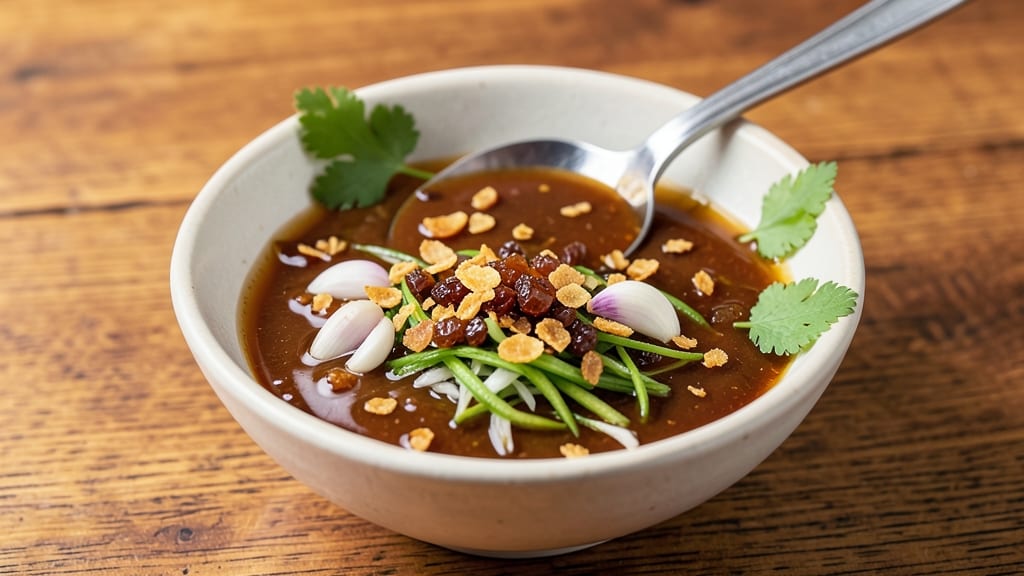
This homemade Panda Express duck sauce nails that perfect sweet-and-savory balance in just 15 minutes—no takeout required. 💛 I've been making this version for years after struggling to find a copycat recipe that actually tasted like the real thing.
The secret lies in simmering soy sauce, vinegar, and a touch of sugar until the flavors meld into that signature glossy, sticky sauce.
What makes this sauce special is how it combines bold flavors without being overpowering. The ginger and garlic add warmth, while the vinegar keeps it bright and tangy—never cloying.
I use a mix of brown and white sugar to create depth, and a splash of sesame oil at the end gives it that unmistakable aroma. This is the kind of sauce that transforms simple dishes into something restaurant-worthy.
By the time you're done, you'll have a glossy, slightly thick sauce that's perfect for dipping, drizzling, or tossing with noodles. It's got that signature sweetness with just enough savory kick to make every bite sing.
The best part? It keeps well in the fridge for up to two weeks, so you can make a big batch and enjoy it all week long.
Whether you're serving up crispy orange chicken, dumplings, or just need a great dipping sauce, this homemade version delivers the real deal. Let's get cooking!
Ingredients for panda express duck sauce
Nine simple ingredients transform into that iconic duck sauce—sweet, tangy, and addictive.
| Ingredient | Amount | Notes |
|---|---|---|
| Soy Sauce 🍶 | ½ cup | Light or dark variety preferred |
| Rice Vinegar 🍶 | ¼ cup | White or seasoned vinegar |
| Brown Sugar 🍚 | ¼ cup | Packed tightly for sweetness |
| White Sugar 🍚 | ¼ cup | Granulated for balance |
| Fresh Ginger 🌿 | 1 tbsp | Finely grated, aromatic |
| Garlic Cloves 🧄 | 2 cloves | Minced, for depth |
| Sesame Oil 🫒 | 1 tbsp | Toasted, for aroma |
| Water 💧 | ½ cup | For thinning consistency |
| Salt 🧂 | ½ tsp | Adjust to taste |
The soy sauce is your flavor base—Kikkoman or La Choy are my go-tos, but any good-quality brand works. Grab fresh ginger from the produce section (the knobby, bumpy kind), not the jarred stuff—it’s way more potent. Toasted sesame oil is a must for that signature aroma; Trader Joe’s or Asian markets usually have the best. The sugars? Brown for depth, white for crispness—don’t skip either, or it’ll taste one-note. And if your garlic is old or bland, roast it first to bring out the sweetness.
No sesame oil? Toasted peanut oil at half the amount works in a pinch, but it’ll taste different. Short on ginger? Ginger powder at one-third the amount (but fresh is better). The sauce needs to simmer until thick—if it’s too runny, add a splash more brown sugar and reduce longer. Diamond Crystal kosher salt dissolves easily, but any fine salt works. And if you’re feeling fancy, add a pinch of white pepper at the end for that extra restaurant touch.
This sauce keeps for 2 weeks in the fridge, sealed tight. I double the batch and store it in two small jars—one for the table, one for emergencies. It thickens as it cools, so give it a quick stir before using. Freezes for 3 months, but the texture might get grainy. If that happens, just reheat and whisk smooth. Trust me, you’ll make this at least 10 times—it’s that good.
Why You'll Love This Recipe
- Pantry Magic: I swear, you don’t need to be a chef—just grab soy sauce, rice vinegar, and a little ginger from your cupboard. Honestly, the hardest part is measuring the brown sugar right, and even then, it’s just a quick whisk.
- Sweet-Savory Balance: That perfect tangy-sweet hit? It’s all in the ginger and sugar combo—crisp from the vinegar, rich from the soy, and just enough warmth to make it ridiculously good with anything fried or sticky.
- Game for Any Meal: Slather it on takeout, toss it in stir-fries, or drizzle it over grilled chicken—it’s my go-to for weeknights and potlucks. (Yes, even on a Tuesday night when you’re too tired to think.)
- Lasts All Week: A small batch keeps for days in the fridge, and it only costs pennies. Between us, I’ve made this sauce so many times, I’ve lost count—yet it never fails to impress, even when I’m lazy.
Step-by-step instructions for Panda Express duck sauce
Here's how to make this iconic sauce from scratch—sweet, tangy, and packed with umami!
🍳 Step 1: Cook the Aromatics Until Fragrant
In a small saucepan, combine the 0.5 cup soy sauce, 0.25 cup rice vinegar, 0.5 cup water, and 0.5 tsp salt. Bring to a gentle simmer over medium heat—you'll see tiny bubbles forming at the edges. This base will carry all the flavors, so don't rush it.
While that heats, add the 1 tbsp finely grated fresh ginger and 2 minced garlic cloves to the same pan. Let them sizzle for 2-3 minutes until the raw garlic smell disappears and the mixture becomes aromatic. Here's the thing—don't let it brown or it'll turn bitter. Stir occasionally to prevent sticking.
🍳 Step 2: Sweeten and Thicken the Mixture
Reduce the heat to low and gradually whisk in the 0.25 cup brown sugar and 0.25 cup white sugar. Stir constantly for 3-4 minutes until the sugars dissolve completely and the mixture thickens slightly. You're looking for a glossy, syrupy consistency—this is where the sauce gets its signature balance of sweet and savory.
If the sauce starts to look too thick before the sugars dissolve, add 1 tablespoon of water at a time until it smooths out. Real talk: This step requires patience. If you walk away, you risk burning the sugars and ruining that perfect harmony.
🥘 Step 3: Finish with Sesame Oil and Simmer
Remove the pan from heat and let it cool slightly for 1 minute. Then stir in the 1 tbsp sesame oil—this is what gives the sauce its nutty aroma and rich depth. The oil should coat the surface, creating a beautiful sheen. Return the pan to low heat and let it simmer gently for another 2 minutes to meld all the flavors together.
Taste and adjust seasoning if needed. I usually add a pinch more salt or a splash of rice vinegar if it needs more tang. The sauce should be sweet, salty, tangy, and just slightly spicy from the ginger and garlic. Let it cool completely before serving—this allows the flavors to fully develop.
⏰ Step 4: Store and Use Your Copycat Sauce
Transfer the sauce to a clean jar or airtight container. It'll keep in the refrigerator for up to 2 weeks, making it perfect for dipping spring rolls, drizzling over noodles, or serving with takeout favorites. For best results, give it a quick stir before using—it thickens as it cools.
Here's the magic: This homemade version tastes even better than the original because you control the balance of sweet, salty, and tangy. The sesame oil adds that authentic restaurant-quality aroma that makes it irresistible. Now you've got the real deal—no more settling for store-bought!
Pro Tips For Making Panda Express Duck Sauce
- STEAM THE GINGER FIRST: I learned this the hard way—grating raw ginger straight into the sauce leaves it bitter and fibrous. Instead, thinly slice it (about 1/4-inch thick), steam it for 5 minutes until soft, then mash it into the sauce. The flavor mellows out and blends smoothly—no more chewing on texture.
- USE HOT WATER FOR SUGAR: Brown sugar clumps like a stubborn guest at a party. Skip the dry measuring—dissolve it in 1/4 cup hot water first, then stir it into the sauce. This ensures it melts completely and doesn’t leave grainy bits lurking in your sauce. (Yes, even if you’re impatient like me.)
- BALANCE THE VINEGAR LAST: Rice vinegar can turn your sauce sour if you add it too early. Mix everything except the vinegar first, then taste and add it drop by drop—you’re aiming for bright, not puckery. I’ve ruined batches by rushing this, so take your time.
- SWAP WHITE FOR HONEY: No white sugar? Honey works in a pinch—and it actually upgrades the sauce. Use half the amount (1 tbsp honey = 1 tbsp sugar) and simmer it with the soy sauce first. It adds depth without altering the texture. (Your future self will thank you.)
Regional styles of this recipe
Asian Market Adaptations
In Asian markets, duck sauce often gets a regional twist using local ingredients. For a Taiwanese-style version, swap the brown sugar for rock sugar (or extra white sugar) and add ½ tsp star anise while simmering—it adds a subtle floral note that pairs beautifully with fried rice.
In Hong Kong, you’ll find duck sauce with 1 tsp hoisin sauce blended in for deeper umami, plus a pinch of Sichuan peppercorns for a tingling finish. 🌶️
Americanized Versions
Some Americanized copycat recipes simplify the process by using bottled plum sauce (like Lee Kum Kee) as a base—just mix ¼ cup plum sauce with 1 tbsp soy sauce, 1 tsp sesame oil, and 1 tsp honey for a quick version.
For a spicier kick, add ½ tsp gochujang (Korean chili paste) to the original recipe. I’ve even seen versions with a splash of orange juice for a citrusy twist, though purists might frown.
Vegetarian-Friendly Swaps
To make this sauce vegetarian, simply omit the sesame oil (which can sometimes contain fish oil) and replace it with toasted sesame seeds (whisked in at the end). For extra depth, add 1 tsp miso paste when simmering the aromatics—it boosts umami without animal products.
The result? A rich, savory sauce that still sings with that familiar sweet-savory balance. 💛
Thicker or Thinner?
If you prefer a glossier, thicker sauce (like the original), reduce the water to ¼ cup and simmer uncovered for an extra 2-3 minutes after adding sugars.
For a lighter, dipping-sauce consistency, increase water to ¾ cup and whisk in 1 tsp cornstarch mixed with 1 tbsp cold water at the end. I find the thicker version works best for drizzling, while the thinner one’s perfect for spring rolls.
Global Fusion Twists
For a Japanese-inspired take, add ½ tsp mirin and ¼ tsp grated daikon radish to the simmering base—it adds a delicate sweetness and subtle crunch.
A Thai fusion version swaps rice vinegar for 1 tbsp coconut aminos and adds ½ tsp fish sauce (or soy sauce for veg) plus a pinch of lemongrass paste for aroma. These tweaks keep the core flavors intact while adding exciting new layers.
Sweet Heat Variations
Craving heat? Stir in ½ tsp chili crisp (like Lao Gan Ma) or 1 tsp sriracha at the end for a smoky-spicy kick. For a sweet-and-spicy balance, replace 1 tbsp brown sugar with honey and add ½ tsp cayenne pepper while simmering.
I love this version with crispy tofu or fried dumplings—the heat cuts through the richness perfectly. 🔥
Nutrition facts
Frequently asked questions
Why does Panda Express duck sauce taste so different from homemade versions?
The restaurant version uses a blend of light and dark soy sauce for depth, plus a proprietary mix of spices and sometimes a touch of caramel coloring for that signature glossy appearance. Many copycat recipes miss the sesame oil aroma or the perfect sweet-savory balance—this recipe nails both by simmering the sugars just right.
Can I make this sauce without sesame oil?
Yes! Swap the 1 tbsp sesame oil for ½ tbsp toasted peanut oil or 1 tsp sesame seeds (whisked in at the end). For a vegetarian version, use toasted sesame seeds only—just be sure to toast them first in a dry pan for 30 seconds to bring out their nutty flavor. The aroma won’t be identical, but it’ll still taste delicious.
How do I fix duck sauce that's too thick or too thin?
If your sauce is too thick, whisk in 1 tbsp water at a time until it reaches a glossy, dipping consistency. For a thinner sauce, add 1 tsp cornstarch mixed with 1 tbsp cold water and simmer for 1-2 minutes to thicken. Pro tip: Simmer uncovered for 2-3 extra minutes to reduce thickness naturally.
What's the best way to store homemade duck sauce?
Transfer the sauce to an airtight container and refrigerate for up to 2 weeks. It thickens as it cools, so stir before using. For longer storage, freeze in ice cube trays—thaw and whisk smooth when needed. Avoid metal spoons (they react with vinegar) and use plastic or glass utensils.
Can I use this sauce for dishes other than dipping?
Drizzle it over fried rice, noodles, or grilled meats for instant flavor. Toss it with spring rolls or egg rolls before frying for extra stickiness. Even a spoonful stirred into ramen broth adds a sweet-savory punch. The possibilities are endless—just don’t overdo it!