
Sauces & Condiments
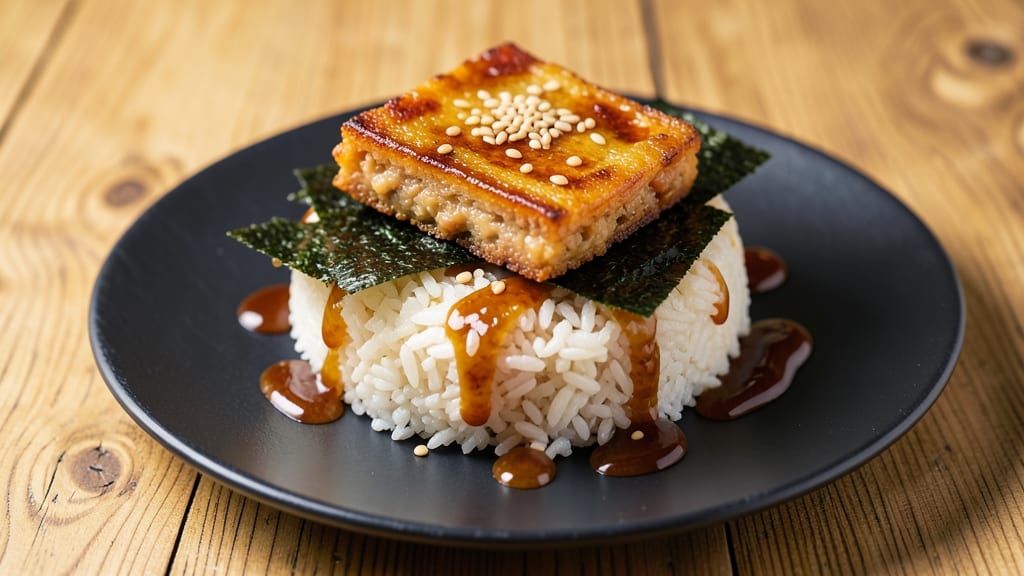
This spam musubi recipe without oyster sauce delivers all the crispy, comforting goodness of a classic musubi—just with a teriyaki twist that skips the traditional umami base. 💛 I developed this version after realizing oyster sauce isn't necessary to create that perfect balance of savory, sweet, and smoky flavors.
The secret lies in a quick teriyaki marinade that transforms canned spam into a caramelized, flavor-packed centerpiece.
The beauty of this recipe is its simplicity: no special equipment, just a rice cooker (or pot), a pan, and 10 minutes of active time.
You'll shape warm, slightly sticky rice into compact balls, toast the teriyaki-coated spam until crispy, and press them together for that satisfying click when you bite in. The result is a handheld snack that's crispy on the outside, tender on the inside, and packed with that addictive teriyaki flavor.
What makes this version stand out is how the teriyaki glaze caramelizes during toasting, creating a sticky, slightly crispy crust that clings to the rice and spam.
The combination of warm rice, savory teriyaki, and the slight crunch from the toasted edges makes every bite feel like a little comfort hug. Plus, the absence of oyster sauce means this recipe works for anyone avoiding seafood while still delivering that classic musubi experience.
Serve these as a quick snack, pack them for lunch, or arrange them on a platter with optional toppings like sesame seeds, nori strips, or a drizzle of mayonnaise for extra richness. The possibilities are endless, but the preparation stays simple—just 10 minutes to crispy perfection.
Ingredients for spam musubi recipe without oyster sauce
Eight essential ingredients transform into crispy, comforting teriyaki-spam musubi in minutes.
| Ingredient | Amount | Notes |
|---|---|---|
| Canned Spam 🥓 | 1 can | Drained, sliced into 1/2-inch pieces |
| Japanese Short-Grain Rice 🍚 | 1 ½ cups | Uncooked, sushi rice preferred |
| Water 💧 | 1 ½ cups | For rice cooking |
| Teriyaki Sauce 🍶 | ½ cup | Store-bought or homemade |
| Sesame Seeds 🌾 | 1 tbsp | Toasted, for garnish |
| Nori Strips 🍣 | 4 pieces | Optional, for wrapping |
| Mayonnaise 🥛 | ¼ cup | Optional, for dipping |
| Vegetable Oil 🫒 | 1 tbsp | For pan toasting |
| Salt 🧂 | ¼ tsp | For rice seasoning |
| Sugar 🍬 | ¼ tsp | For rice seasoning |
| Rice Vinegar 🍶 | 1 tsp | For rice seasoning |
| Garlic Cloves 🧄 | 2 cloves | Minced, for teriyaki boost |
| Ginger Root 🌿 | 1 tsp | Freshly grated, for teriyaki boost |
The Japanese short-grain rice is non-negotiable—it needs to be sticky enough to hold together when shaped. Koshihikari or sushi rice from the Asian market section is ideal, but any short-grain rice works in a pinch. For the teriyaki sauce, homemade is worth it—simmer soy sauce, mirin, sugar, and a splash of water to create a glossy, balanced glaze. If you're using store-bought, Kikkoman Teriyaki Sauce or Mae Ploy are reliable choices. The canned spam should be the thick-cut variety—it holds up better during toasting. Toast the sesame seeds in a dry pan for 30 seconds until fragrant; this boosts their flavor significantly.
No teriyaki sauce? Substitute soy sauce plus a touch of honey or maple syrup—just reduce it slightly to mimic the caramelization. Running low on nori? Toasted seaweed snacks (like Ocean Spray) work as a quick alternative. The garlic and ginger are optional but highly recommended—they deepen the teriyaki flavor without overpowering. For extra crispiness, coat the spam in panko breadcrumbs before toasting. And if you're avoiding alliums, skip them—the teriyaki will still shine. The rice can be cooked in a rice cooker or pot; just use a 1:1 rice-to-water ratio and let it sit covered for 10 minutes after cooking to steam.
Keep cooked rice in an airtight container for up to 3 days—it reheats beautifully with a splash of water in the microwave. The teriyaki-coated spam stays fresh for 4 days in the fridge, though it's best enjoyed within 2 days for maximum crispiness. For meal prep, assemble the musubi just before serving—this prevents sogginess. Store components separately if prepping ahead, then toast the spam and shape the rice fresh. Freezing isn't recommended as it dulls the crispy texture, but the cooked rice freezes well for up to 3 months—just thaw and reheat gently.
Why You'll Love This Recipe
- Pantry Magic: I swear, this comes together with stuff I already have—no fancy shopping required. Canned Spam, rice, and teriyaki? That’s it. The sesame seeds are the only thing I might buy, and honestly, they’re worth it for that nutty crunch.
- Teriyaki Crunch: Between us, the teriyaki glaze on that Spam is where it’s at. It’s sweet, sticky, and just salty enough to make every bite feel like a little reward. Plus, the sesame seeds add this unexpected texture that keeps it interesting.
- Lunchbox Legend: I make a batch on Sundays and pack these for the week. They’re sturdy enough to handle a backpack, taste just as good cold, and—here’s the kicker—my kids actually eat them. (Yes, even the picky ones.)
- Budget Win: This feeds four for under $8, and leftovers? They’re even better the next day. The rice gets slightly firmer, the Spam stays juicy, and I’m left with zero food waste. My wallet and my fridge thank me every time.
Step-by-step instructions for spam musubi without oyster sauce
Here's how to create crispy, teriyaki-glazed Spam musubi with perfectly seasoned rice.
👨🍳 Step 1: Season and Cook the Japanese Short-Grain Rice
Rinse the 1.5 cups Japanese short-grain rice under cold water until the water runs clear. This removes excess starch that would make the rice mushy. Drain well in a fine-mesh strainer for 5 minutes.
Combine the drained rice with 1.5 cups water, 0.25 tsp salt, 0.25 tsp sugar, and 1 tsp rice vinegar in a rice cooker or pot. If using a pot, bring to a boil, then reduce heat to low and simmer covered for 15 minutes. Let it steam off heat for 10 minutes before fluffing with a fork. The rice should be tender but still slightly firm—this texture holds its shape when pressed.
🔥 Step 2: Enhance the Teriyaki Sauce with Aromatics
In a small bowl, mix the 0.5 cup teriyaki sauce with the 2 minced garlic cloves and 1 tsp freshly grated ginger root. Let this sit for 5 minutes while you prepare the Spam. The ginger and garlic will infuse the sauce with bright, fresh flavor that cuts through the richness of the Spam.
Heat 1 tbsp vegetable oil in a non-stick skillet over medium heat. Add the sliced 1 can drained Spam and cook for 2-3 minutes per side until lightly browned. Remove the Spam and set aside. Pour the garlic-ginger teriyaki mixture into the same skillet and simmer for 1 minute to meld the flavors. Return the Spam to the skillet and coat thoroughly with the sauce.
🥘 Step 3: Assemble the Musubi with Crispy Texture
Line a baking sheet with parchment paper. Using damp hands, shape the warm rice into 4 rectangular logs, each about 3 inches long and 1.5 inches wide. Press gently but firmly—these should hold their shape when wrapped. Place one Spam slice on top of each rice log, slightly offset toward one end.
Wrap each log tightly with 1 nori strip, pressing gently to adhere. The nori acts as both a wrapper and a crispy outer layer. Brush the exposed Spam with any remaining teriyaki sauce from the skillet. Sprinkle each with 1 teaspoon of the toasted sesame seeds—save a few for garnish later. The sesame adds nutty depth and visual contrast to the dark nori.
🔥 Step 4: Achieve the Perfect Crispy Finish
Heat a clean skillet over medium-high heat. Working in batches, place the wrapped musubi seam-side down and cook for 1-2 minutes until the nori turns deep green and crispy and the rice begins to brown slightly at the edges. Flip carefully and cook the other side for 30 seconds—just enough to warm through without overcooking.
Serve immediately with the optional 0.25 cup mayonnaise for dipping on the side. The contrast of creamy mayo with the crispy, savory musubi is classic. For extra flair, garnish with additional sesame seeds and serve with a side of pickled vegetables or miso soup to complete the comfort-food experience.
Pro Tips For Making Spam Musubi Recipe Without Oyster Sauce
- Slice Spam Thin: I learned this the hard way—thick Spam slices won’t caramelize right in the teriyaki. Use a sharp knife and cut each slice lengthwise into ¼-inch strips (yes, even if it feels tedious). They’ll absorb the sauce better and stay tender, not chewy.
- Cook Rice Slightly Dry: Japanese short-grain rice for musubi should be just sticky, not wet. After draining, spread it on a tray and let it sit uncovered for 5 minutes—this prevents a gummy center when you press it later. (Your future self will thank you.)
- Simmer Teriyaki Low: After glazing the Spam, reduce heat to low and let it cook for 3–4 minutes. High heat makes the sauce burn before the Spam absorbs it. You want a glossy coat, not a sticky mess.
- Toast Sesame Seeds Last: Skip toasting seeds in the pan—they’ll burn before the Spam is done. Instead, sprinkle them on after everything’s off heat. A quick shake in a dry pan for 10 seconds (watch them like a hawk) gives that nutty crunch without risking flavor loss.
Troubleshooting great spam musubi recipe without oyster sauce
Rice Too Sticky?
If your rice turns out too sticky and won't hold its shape, it's likely overcooked or under-rinsed. I've found that over-rinsing (beyond 5 minutes) can strip too much starch, while under-rinsing leaves excess starch causing mushiness.
For perfect texture, rinse until the water runs clear, then cook with 10% less water (try 1.35 cups instead of 1.5 cups). Let the rice steam off heat for 15 minutes instead of 10—this helps firm it up. 💡
Spam Not Crispy?
The key to crispy spam is high heat and proper coating. If your spam stays soft, try patting it very dry with paper towels before coating with teriyaki.
For extra crunch, brush with 1 tbsp melted butter after teriyaki, then toast in a non-stick skillet over medium-high heat for 3-4 minutes per side. I also recommend using thin-cut spam slices—they crisp faster than thick chunks. 🔥
Musubi Falling Apart?
This usually happens when the rice is too warm or not packed tightly enough. Let the rice cool for 5 minutes before shaping, then use damp hands (not wet) to press firmly. For extra stability, wrap the rice logs in plastic wrap before adding nori—this creates a better seal.
If using store-bought nori, toast it briefly in a dry pan for 10 seconds to make it more pliable. 🥘
Teriyaki Too Thin?
A thin teriyaki coating means the sauce didn't caramelize enough. To fix this, reduce the sauce by simmering uncovered for 3-4 minutes until slightly thickened. For extra richness, add 1 tsp honey or 1 tsp mirin to the teriyaki mixture before coating the spam.
I've also had success using store-bought teriyaki glaze (like Mae Ploy)—it's thicker and clings better. 🍶
Nori Not Sticking?
Nori resists sticking when the rice is too dry or the nori is too fresh. First, ensure your rice is warm but not steaming—cold rice won't adhere. For stubborn nori, lightly brush the rice with water before wrapping, then press firmly.
If using dried nori sheets, rehydrate in warm water for 30 seconds before wrapping. Pro tip: Use nori with a slightly rough texture—it grips better than smooth sheets. 🍣
Make-Ahead Mistakes?
Assembling musubi too early causes soggy rice and limp nori. If prepping ahead, store components separately: cooked rice in an airtight container (up to 3 days), teriyaki-coated spam in the fridge (up to 2 days), and nori in a cool, dry place.
Toast the spam and shape the rice fresh before final assembly. For freezing, only freeze the cooked rice (thaw and reheat gently)—never freeze assembled musubi. 🧊
Nutrition facts
Frequently asked questions
Can I use regular white rice instead of Japanese short-grain rice?
While you can substitute regular white rice, the texture won't be the same. Japanese short-grain rice is sticky when warm, which helps it hold together when shaped into musubi. If you must use white rice, try a slightly sticky variety like Arborio and reduce the water by 10% to prevent mushiness.
What's the best way to store leftover musubi?
Store components separately for best results: keep cooked rice in an airtight container for up to 3 days and teriyaki-coated spam for 2 days. Reassemble fresh before serving to maintain crispiness. Never freeze assembled musubi—the texture suffers.
How do I make this recipe vegetarian?
Replace the spam with marinated and pan-fried tofu or tempeh slices. Use the same teriyaki glaze, but add 1 tbsp soy sauce and 1 tsp maple syrup to enhance flavor. The assembly process remains identical—just ensure your protein is crispy before wrapping.
Why does my teriyaki sauce turn out too sweet?
Store-bought teriyaki sauces often contain added sugar. To balance sweetness, add 1 tsp rice vinegar or 1/2 tsp soy sauce to the teriyaki mixture before coating the spam. For homemade sauce, reduce sugar to 1 tbsp and increase soy sauce to 3 tbsp for a more savory profile.
Can I make musubi without nori?
Yes! Skip the nori and wrap the rice logs in plastic wrap instead. For extra flavor, brush the outside with a light coating of teriyaki sauce and sprinkle with 1 tbsp toasted sesame seeds before toasting. The texture will be slightly softer but still delicious.